
I jolted in my seat as the five cloaked mystics slapped their palms to the ground and rose in unison. The entire room was silent and you could feel an inexplicable energy in the air.
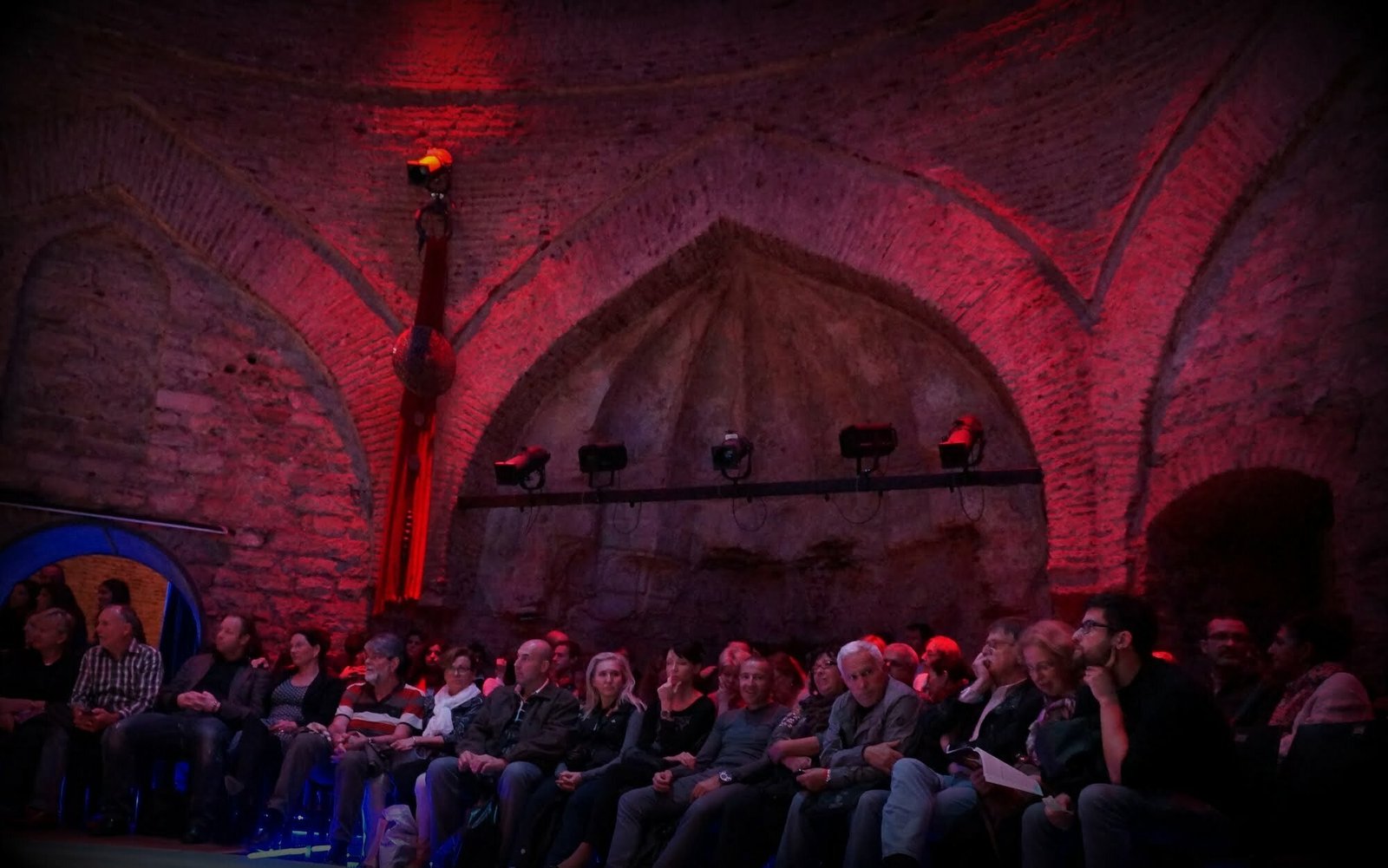
Here I was sitting in a 550-year-old hammam in Istanbul filled with several hundred people, about to witness a spiritual dance so private yet intriguing.
I was here to see the famed Sufi whirling dervishes spin themselves into a trance-like state in what is known as a Sema Ceremony, a whirling dance that is said to free the soul from worldly affairs and elevate it closer to God.

Watching the Whirling Dervishes Ceremony
The ceremony began with an ensemble playing an array of musical instruments I had never seen nor heard before. Cloaked in black, the dervishes emerged and made their way to the middle of the room. There were bows, slow footsteps and muttered prayers, but the entire experience was a mystery to everyone watching as there was no narration explaining what was happening.
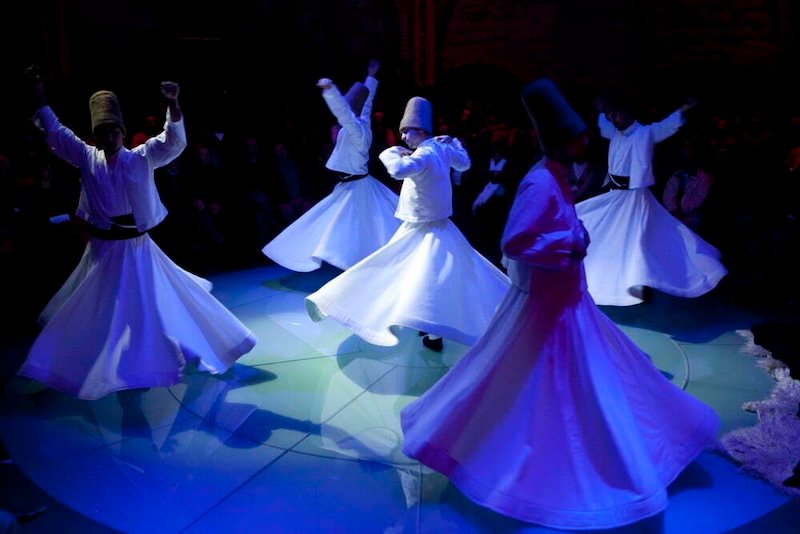
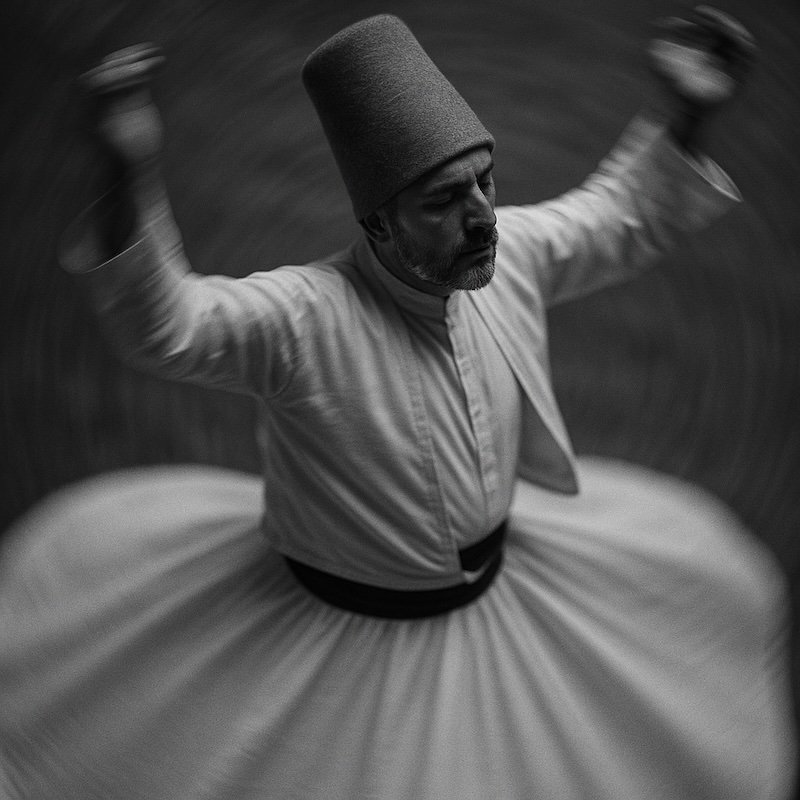
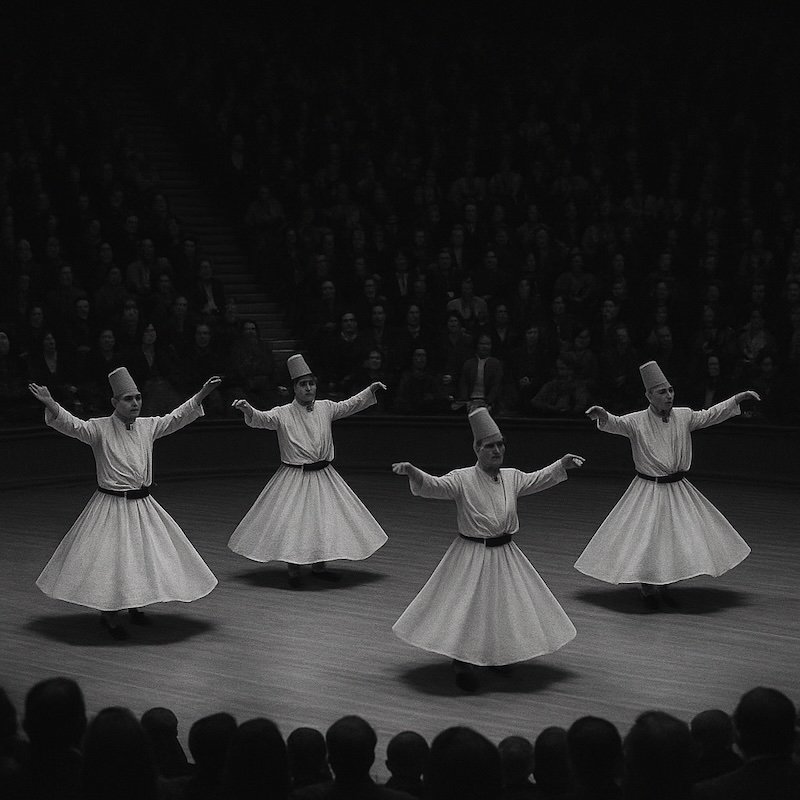
Slowly, one by one the dervishes began to whirl themselves into position. It began with a gentle spin counter-clockwise which gained momentum as they raised their arms into the heavens, and their skirts slowly began to flair and rise.
I almost felt like a bit of an intruder to be watching someone undergo a spiritual journey before my eyes, yet at the same time, it was the kind of thing where I couldn’t stop looking. It was fascinating.
History of the Whirling Dervishes
To give you a little background information, the whirling dervishes I saw perform that night were part of the Mevlevi Order, a Sufi order that was founded in Konya, Turkey back in the 13th century.
While today you can see the dervishes perform this dance known as the Sema Ceremony in public, this wasn’t always the case.
The Mevlevi Order spread during the Ottoman period, however, their practice was banned in 1925 soon after Turkey gained its independence from the Ottomans and became a republic. During this period, the whirling dervishes were viewed with suspicion and their tradition was forced to go underground. It wasn’t until 1954 that Sufi dervishes were given partial rights to perform in public again; this was primarily done as a draw for visitors to Turkey.
Today the Sema Ceremony is a part of the Masterpieces of the Oral and Intangible Heritage of Humanity by UNESCO. With over 800 years of heritage, the tradition is regarded an important piece of Turkey’s heritage and the ritual is taught by universities and cultural organizations as a way of preserving the history and transferring it on to the next generation.
The meaning behind the dervish dress
The dervish dress has a lot of symbolism behind it. Their white robes, known as tennure, are a symbol of death. Their long, black cloaks worn prior to the start of the ceremony are known as hırka and symbolize the grave. And lastly, the felt, brown hats known as kûlah orsikke, represents the tombstone. In short, their dress symbolizes the death of the ego on their quest to come closer to Allah.
Where to see the Whirling Dervishes
So want to see the whirling dervishes in Istanbul?
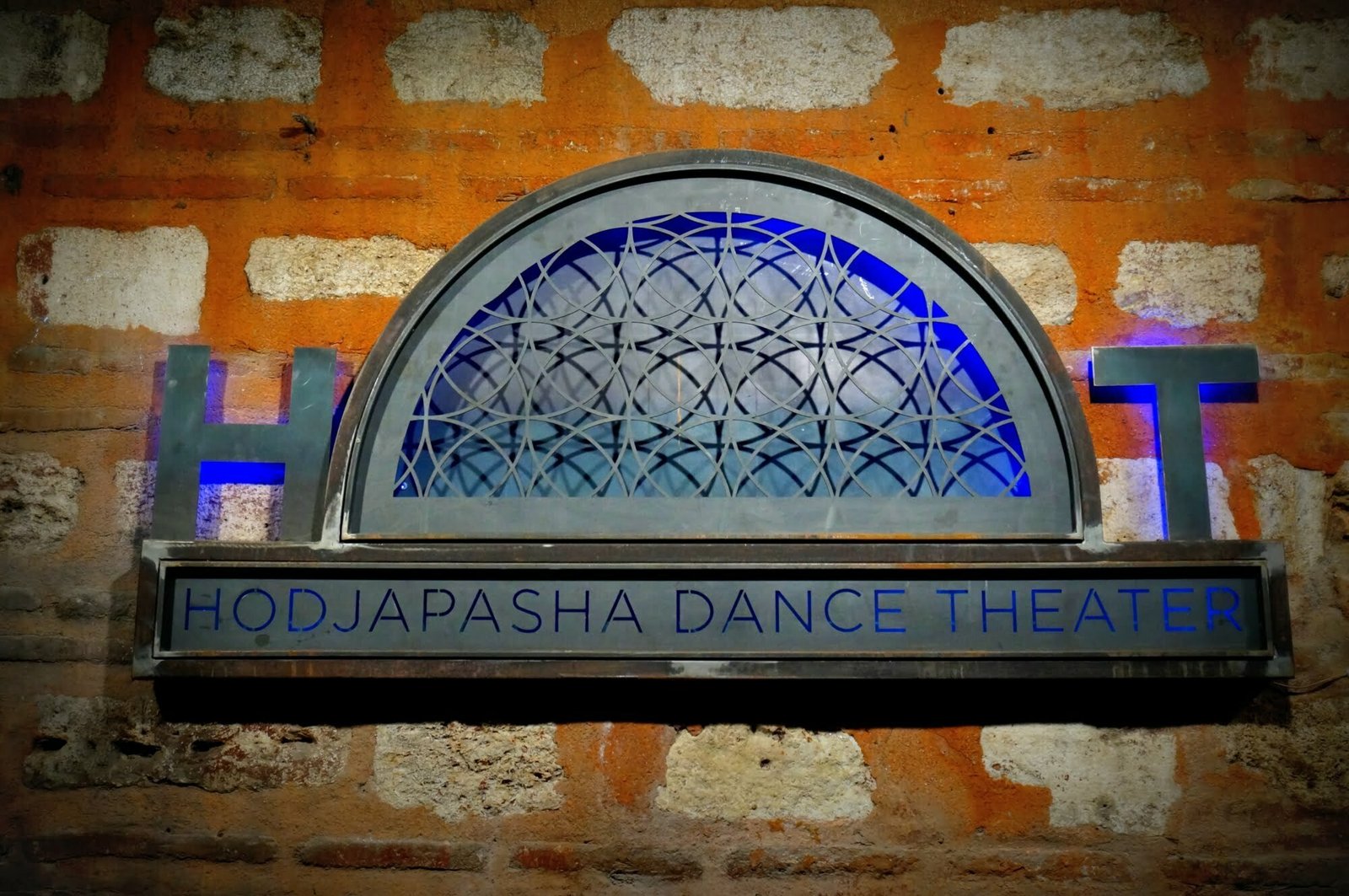
There are many halls across where you can watch the whirling dervishes perform the Sema Ceremony. I went through the Hodjapasha Dance Theater which is located in Sirkeci, not far from the main tourist attractions.
What I enjoyed most about going through this particular dance theatre is that it is set in an old Turkish bath which is over 550 years old. This former hammam, which was used by both men and women, was in operation until 1988! Sitting under the dome of the main bath and watching the dervishes whirl in such a historic setting made the experience even more special. It’s one of those things you have to do when in Istanbul!
Other Information
- The Istanbul Dervishes performance takes place every day at 19:00.
- Adult tickets are 60 Turkish Lira (about 30 U.S. dollars). Book your ticket here.
- Entry fee includes refreshments.
- The performance is 1 hour in length and there is no photography, no video, and no applauding allowed.
- The address is Ankara Caddesi, Hocapaşa Hamam Sok No. 3B
The dervish photos in this post were taken from Hodjapasha Dance Theatre’s website since I sadly didn’t have the opportunity to photograph the dervishes!
A Guide to Witnessing the Sema: Venue, Etiquette and What You’re Seeing
The practical details are above. This section goes a layer deeper — what the different parts of the ceremony mean, how to choose the right venue for your visit, what to wear and how to conduct yourself inside, and a few questions that come up most often from people planning to attend for the first time.
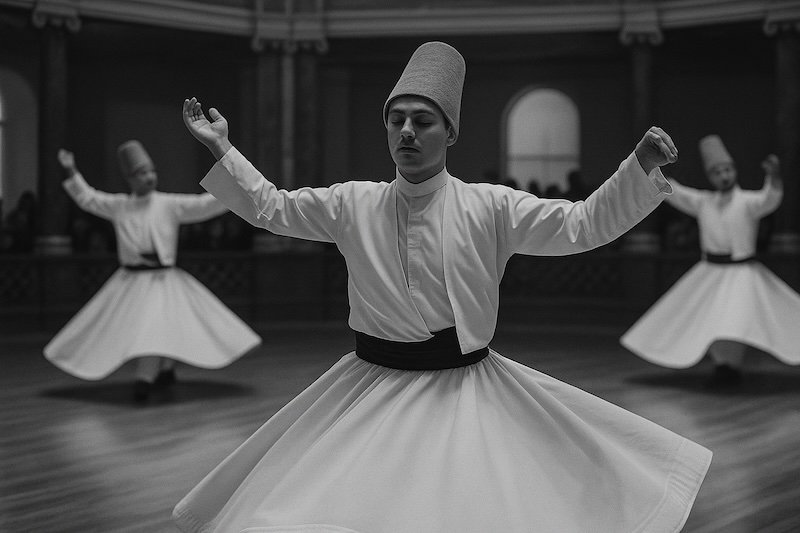
Sema at a Glance
| Item | What to Expect |
|---|---|
| Nature of event | A devotional rite of the Mevlevi Sufi order; not a performance in the usual sense. |
| Typical duration | Around 60 minutes, often without live narration. |
| Soundscape | Reed flute (ney), kettledrums (kudüm), chants and hymns (ayin). |
| Dress code | Modest and neat; layers are useful in cool stone halls. |
| Photos and video | Commonly prohibited — follow venue rules carefully. |
| Applause | Often not permitted; if it is, it will be brief and at the very end. |
| Seating | Benches or tiers around a central floor; arrive 20–30 minutes early. |
| Language | The rite is not narrated live; many venues provide a brief leaflet. |
| Children | Quiet, observant children are welcome; bring something silent for the prelude music if needed. |
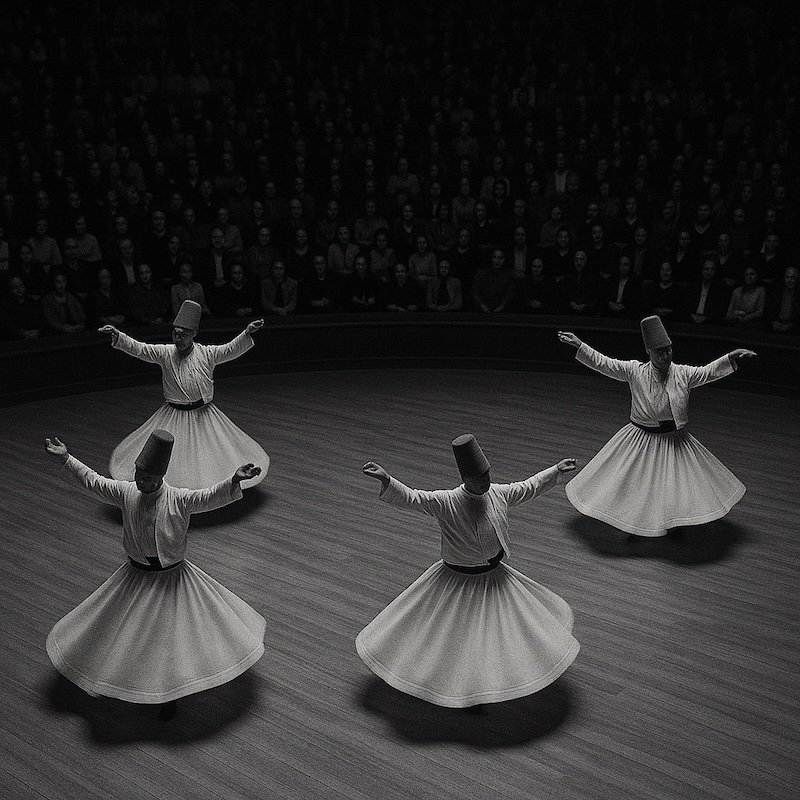
The Anatomy of the Sema
There is no narrator during a Sema ceremony, so knowing the structure beforehand means you can follow what’s unfolding rather than watching it as a mystery. The five stages below trace the ceremony from entry to closing.
| Part | What Happens | What It Points To | Listen For |
|---|---|---|---|
| Naat-ı Şerif | An opening hymn in praise of the Prophet. Dervishes enter in black cloaks. | Humility, praise, intention. | Melismatic vocals, soft drum heartbeat. |
| Ney Taksimi | A free, improvisatory reed flute solo. | The breath animating the clay — soul awakened. | The ney’s sigh: airy, ancient, longing. |
| Devr-i Veled | Processional circling, bowing to one another. | Seeing the Divine reflected in every face. | Soft shuffle, drum cadence, murmured prayers. |
| Four Selâms | Black cloaks slip off; white robes flare. Right palm faces upward, left palm faces down. | Progressive states of remembrance: knowledge, love, annihilation of ego, return to service. | The ensemble moves through measured, hypnotic cycles. |
| Closing | The whirling slows; cloaks return; a final prayer. | Return to the world, changed inside. | Often no applause — a deep, gentle stillness. |
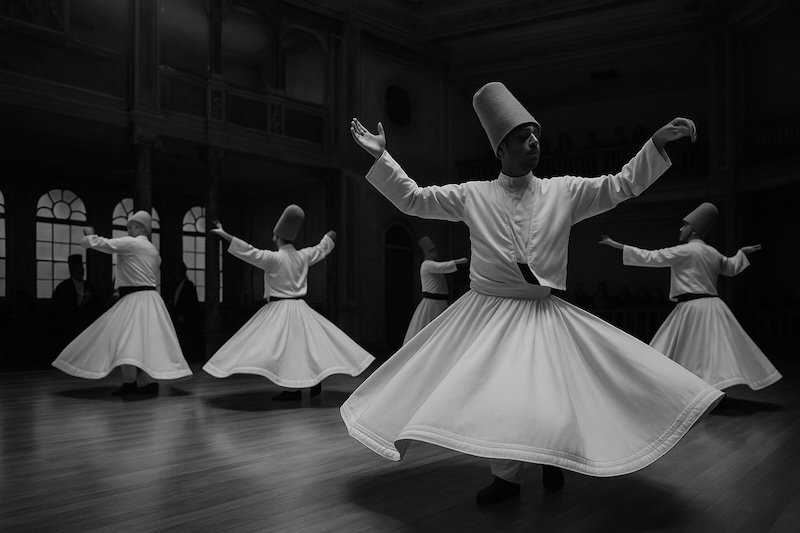
Choosing a Venue in Istanbul
Istanbul has several settings where you can attend a Sema ceremony, and the atmosphere differs considerably between them. The table below covers the main venue types so you can choose based on what matters most to you.
| Venue Style | Setting | Vibe | Best For | Keep in Mind |
|---|---|---|---|---|
| Historic Hammam Hall | A 15th-century bathhouse repurposed for culture (Sirkeci area, near Sultanahmet) | Intimate dome acoustics; dramatic stone; seating encircles the rite. | First-timers who want atmosphere and a central location. | No photography; plan to sit still. Stone can be cool — bring a light layer. |
| Mevlevihane (Dervish Lodge/Museum) | Former lodge near Galata Tower with regular ceremonies | Museum context alongside the ceremony; educational panels available. | Visitors who want historical background built into the visit. | Ceremonies are on fixed days; tickets can sell out in advance. |
| Cultural Centre or Auditorium | Community halls in Sultanahmet and Fatih districts | Larger capacity, clearer sightlines, sometimes minimal narration. | Families, groups, or those needing accessible seating. | Less of the ancient stone atmosphere; rules remain strict. |
| Seasonal Festivals | Special sema during religious and cultural weeks | Expanded ensemble; distinctive atmosphere. | Return visitors wanting something different from the regular schedule. | Tickets released in waves; dates shift with the religious calendar. |
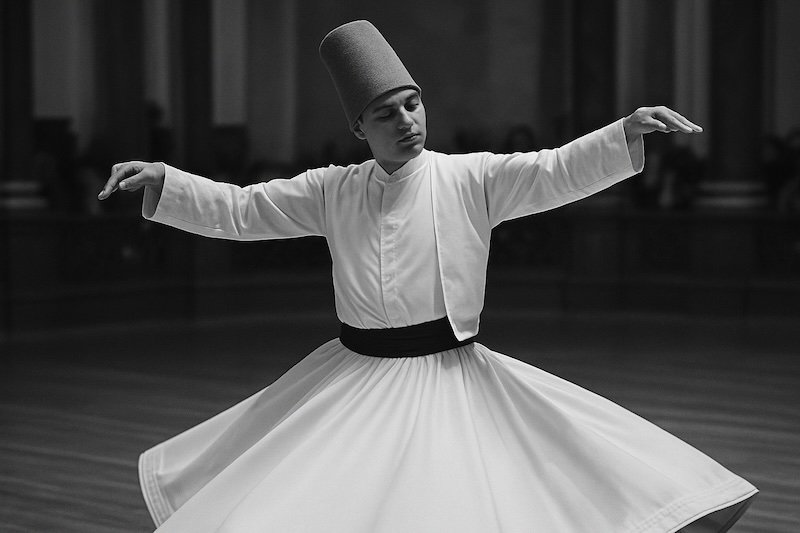
Etiquette and Dress
| Do | Don’t | Why |
|---|---|---|
| Dress modestly — shoulders, chest and knees covered. | Treat it like a photo opportunity or whisper loudly about dinner plans. | You are in a sacred space, even without minarets. |
| Arrive early, sit, and settle into the quiet. | Walk in mid-whirl or swap seats during the rite. | Movement distracts both the semazen and those around you. |
| Silence devices fully; screens face-down. | Take one sneaky photo in the dark. | Bright screens break the contemplative atmosphere for everyone. |
| Read the leaflet if one is provided. | Ask for explanations mid-ceremony. | Much of the meaning is embodied; ask questions afterwards. |
| Follow ushers’ cues exactly. | Applaud unless clearly invited at the very end. | Applause is unusual at a Sema and can feel jarring to those present. |
| Bring patient, quiet children. | Open crinkly snack packaging once it has started. | Unwrap anything you need before the music begins. |
Sema Ceremony FAQ
What is a Sema ceremony?
A devotional rite of the Mevlevi Sufi order. Accompanied by reed flute, drums and hymns, the semazen (dervishes) whirl in a meditative prayer that symbolises shedding the ego and returning to the world in service. It is a living practice with over 800 years of history, now listed as a UNESCO Intangible Heritage of Humanity.
Where can I attend a whirling dervish ceremony in Istanbul?
Several venues host regular ceremonies. Hodjapasha near Sirkeci is well-known for its atmospheric 15th-century domed hammam setting. The Galata Mevlevi Lodge Museum near Galata Tower hosts ceremonies on specific days and offers museum context alongside the rite. Cultural centres in Sultanahmet and Fatih provide larger, more accessible settings. The venue comparison table above covers the differences.
How long does a Sema ceremony last?
Plan for about 60 minutes. The ceremony moves through an opening hymn, a reed flute improvisation, the processional and bowing, the four selâms of whirling, and a quiet closing prayer. There is typically no live narration — the anatomy table above gives you the structure in advance.
Is the Sema a show or a religious rite?
Both things are true: you are permitted to witness a devotional act. Treat it like a liturgy rather than a performance — silence, stillness and reverence are the only things required of you as a visitor.
What should I wear?
Modest and neat clothing: covered shoulders and knees, comfortable shoes and a light layer for cool stone interiors. Avoid strong fragrances and accessories that make noise when you move.
Are photos and videos allowed?
Most venues prohibit both, to protect the contemplative atmosphere. If photography is permitted at all, it will be clearly announced at the very end of the ceremony. When in doubt, keep your phone away and screens dark.
Do I need to book tickets in advance?
Yes — ceremonies are popular and seating is limited. Reserve ahead, particularly for weekends and peak travel months. Tickets are bookable through Stay22 for most popular Istanbul venues. Arrive early even with a ticket to find a good seat and settle in before the music begins.
Can children attend?
Quiet, observant children are welcome at most venues. Prepare them beforehand — a brief explanation that it is a seated, silent experience goes a long way. Bring something small and silent if they are likely to need occupation during the prelude music.
Will there be narration or explanations in English?
Usually not during the ceremony itself. Many venues provide a short leaflet or printed programme — read it before the rite begins rather than during it. Visiting the Galata Mevlevi Lodge Museum earlier in the day adds useful context that makes the evening ceremony considerably more readable.
When should I arrive and where should I sit?
Arrive 20–30 minutes early. Seating typically surrounds a central floor — choose a spot with a clear sightline and remain still once the ceremony begins. Late arrivals are disruptive to both the dervishes and the other visitors present.
What etiquette should I follow?
Silence your phone fully, keep screens face-down, avoid whispering, and do not applaud unless the host clearly invites it at the very end. Follow the ushers’ cues exactly. Exit calmly and speak softly in the corridors and courtyard afterwards.
How do they not get dizzy?
Training. The semazen fixes his gaze softly on his left thumb, regulates his breathing, and traces a learned foot pattern on the floor. The whirling is gradual and embodied — years of practice, not a trick. It is not advisable to try it in the aisle.
Can women whirl?
Sufism has diverse practices across the world. Many Mevlevi Sema ceremonies in Turkey feature male semazen. Some contemporary Sufi circles elsewhere include women. It is worth following the custom of the specific order and venue you are visiting rather than making assumptions.
What if I am not religious?
You are still welcome. The only thing required of a non-religious visitor is reverence: silence your phone, sit still, and allow the music and motion to be what they are. The experience is meaningful regardless of personal belief — as the article above suggests, it is difficult to watch without feeling something.
Where can I find more context before or after the ceremony?
The Galata Mevlevi Lodge Museum near Galata Tower has exhibits covering Sufi culture, Mevlevi history and the symbolism of the Sema. Pairing an afternoon visit there with an evening ceremony makes the rite considerably more legible — the panels and artefacts give you vocabulary that no leaflet can fully replace.
Where to Stay in Istanbul
Whirling dervish ceremony tickets for most Istanbul venues are searchable — a straightforward way to book ahead without hunting for separate ticketing sites. If you are planning the ceremony as part of a longer Istanbul stay, here are three hotels worth searching:
- Four Seasons Hotel Istanbul at Sultanahmet — a luxury hotel in a converted 19th-century Ottoman prison, within walking distance of Sirkeci and Hodjapasha. The historical setting of the hotel mirrors the setting of the ceremony itself in an oddly fitting way. One of the most distinctive places to stay in the city, and very well positioned for Sultanahmet’s landmarks.
- Pera Palace Hotel Jumeirah — the legendary 1892 railway hotel in the Pera neighbourhood, built to serve passengers arriving on the Orient Express. Restored to its original grandeur, it sits close to Beyoğlu and within easy reach of the Galata Mevlevi Lodge. One of the most historically significant hotel buildings in Istanbul, and the right tone for an evening that takes history seriously.
- Georges Hotel Galata — a boutique property in the Galata neighbourhood, a short walk from the Galata Mevlevi Lodge Museum. Well-suited if you want to do the afternoon museum visit and evening ceremony without covering much ground between them. Smaller and more personal than the larger properties above.
Have you ever seen the whirling dervishes? Or have you watched another spiritual dance?
Your articles are always very interesting
I saw a Sema ceremony in Konya, where it originates from. There’s a modern theatre there created just for this purpose, and every evening there’s a free performance open to everyone. It’s quite entrancing to watch, isn’t it?
So entrancing! That’s great to know that they have free performances in Konya. Did you find that there were less travellers there? I think because there are so many tourists in Istanbul, it’s easy for them to charge for the whirling dervish performances. People are more than willing to pay for a glimpse at such a unique practice.
Hi Sam
My parents and I are visiting Konya mid week – could you please recommend where to see the free Sema ceremony – you mention a modern theatre – do you happen to have the name?
Thanks
Sonal
I saw a whirling dervish performance at a caravanserai outside of Göreme, then later saw one of the twirlers as our cab driver! It was a fantastic experience, very small and private, and a very authentic feeling setting.
That’s awesome! What are the chances of that!? 😉
I had no idea a whirling dervish was a real thing…I thought it was just a quirky saying! Thanks for expanding my trivia knowledge Audrey 🙂
Haha, yup, that’s where the saying originated from. 😉
Lucky you! This is on my list since I saw them in a movie (a Woodie Allen movie…? Can’t remember) years ago as a teen. I found it fascinating.
Ooo, I love Woody Allen films – he has such quirky stories and characters. Whirling dervishes would fit right in. 😉
Looks very cool, especially the gorgeous location. Thanks for sharing 🙂
Happy travels!
I loved the location, especially since I didn’t get a chance to go to a hamam for the Turkish bath experience. At least I got to see the inside of one.
The whirling dervishes at the Hodja Pasa is the best place, because the whole show is about an hour long. If you go to the Konya shows, you are sitting for much longer. Beautiful, isn’t it?
Yes, I would agree that 1 hour was enough. If the ceremony were any longer I might start to feel dizzy myself. 😉
Awesome Audrey. We saw the dervishes earlier this year and were blown away! So talented.
That’s awesome! Was this also in Istanbul or elsewhere in Turkey?
It’s pretty expensive I would say, but sounds and looks interesting to us! 😀
Yeah, it would definitely eat your budget if you were trying to do the city on $25 a day, but then again, it’s such a unique ceremony with so much history behind it – I’m glad I went. 🙂
Hi Audrey, one thing I regret when I traveled in Turkey was not being able to see whirling dervishes. I enjoyed reading your post and to learn more about their history. The performance you saw sounds like an authentic practice and not just a mere “show.” I also like the you got to see it in this beautiful and amazing theater. A structure of an old hamman indeed make for a great, dramatic theater. I will keep the info in this post in mind when I return to Turkey, because I will certainly see a whirling dervishes then.
This looks fascinating! Great that you were allowed to take photos too! (or did you do that on the sly?!). I just want to say that I really love your photo of Lake Titicaca on your main page too. I’m jealous you managed to capture the reflection of their skirts in the water!
This is awesome though damn expensive. These guys must be talented.
I’ve never been to Turkey but this looks amazing!
I’d love to go and see this!
Helen x
such pretty outfits
“Today the Sema Ceremony is a part of the Masterpieces of the Oral and Intangible Heritage of Humanity by UNESCO.”
Interesting, we have a version of ‘spoken word’ ceremony in my country known as ‘sema’ – Sema in swahili means say or say it loud.
Thanks for the tip, Audrey. I’d love to see the dervishes whirl but, like you, I am apprehensive about intruding on (and paying to see) what appears to be a spiritual practice. Perhaps I should just get over it.
It is always quite intriguing to watch them although not sure I could do the dance myself
This is definitely on my bucket list. Sadly I couldn’t find out enough about it when I was in Istanbul last year, but it’s definitely on my “next time” list. It sounds like a really cool experience.
This is absolutely mystifying and fascinating. I had never heard of this time of performance. I’m sure it was quite profound. I’ve ben reading about a ceremony here in Thailand where there is a performance that the people become entranced or possessed by their Sak Yant blessings tattooed all over their body.
Hey Ryan…the ceremony is called Wai Kru. I know this post is from 2 years ago so I’m sure you’ve run across this answer already. Just thought I’d share with you as I’ve traveled extensively to Thailand and am a devotee of a Sak Yant master
Wow! This looks really awesome. I would love to see this one day. I don’t understand how they don’t get dizzy.
I’ve seen one once, but I think it was as a child in a hotel somewhere. No idea how ‘real’ it was.
great article and information on finding dervish in Istanbul
the Egyptian version of this derwish dance (mawlawiyya) takes place weekly in an old bazaar in cairo (wekalet ilghouri).. I was fortunate enough to watch them a lot and that’s what made me google for this in Istanbul as am visiting it soon and wanted to make sure I know where to find the sufi whirl
thanks a lot
Audrey,
Four of us (family members) will be in Istanbul on Tuesday, May 20th and would have time to witness the Istanbul Dervishes. Exactly where would I go? Do I need to make reservations? How do I proceed?
Your help would be helpful.
Your blog is very interesting. Thanks
Gerry
Hi Gerry, All the contact info for the “Hodjapasha Dance Theatre” is actually included in this post. If you follow the link to Hodjapasha.com, you’ll be able to make a booking and view a map that shows you the exact address. I would recommend you book several days in advance as it is a popular performance and the theatre is packed every night. Enjoy!
I saw a whirling dervish performance at Mevlana Kültür Merkezi in Konya. The ceremony take place every saturday at 21.00. Unlike in Istanbul and other part of Turkey, in the Cultural Centre, there were 24 performers. Before the ceremony there was a lecture given by Mevlevi University’s lecturer, in turkish, As I do not understand turkish language, I guess it should be about Jalaluddin al Rumi and whirling dervish. What else, isn’t it? It was a very fantastic experience and most importantly, IT IS FREE for everyone. The theatre which they call Sema Salonu was packed with university students locals and tourists. No reservation needed but it is on the first come first serve basis.
I think the spinning symbolizes life as movement equates life while rigidity equates death. Nice photos btw 🙂
They gave us a ride back to our car, so I’m guessing the balloon flight isn’t a round trip. It might be worth confirming that with them.