
Here are 5 Warsaw food experiences you won’t want to miss! Come hungry, because this is a foodie city.
When I think back to my trip to Warsaw, most of those memories revolve around food. From bowls of chilled pink beetroot soup to steaming plates of hunter’s stew, and strawberry-filled dessert pierogi to pints of the local brew; I feel like I spent most of my time eating and drinking my way around the city! So today I’m going to be sharing some of my foodie recommendations for anyone visiting. Here are some of my favourite food experiences you can enjoy in Warsaw, Poland!
Warsaw Food Guide: What to Eat and Drink in Warsaw, Poland!
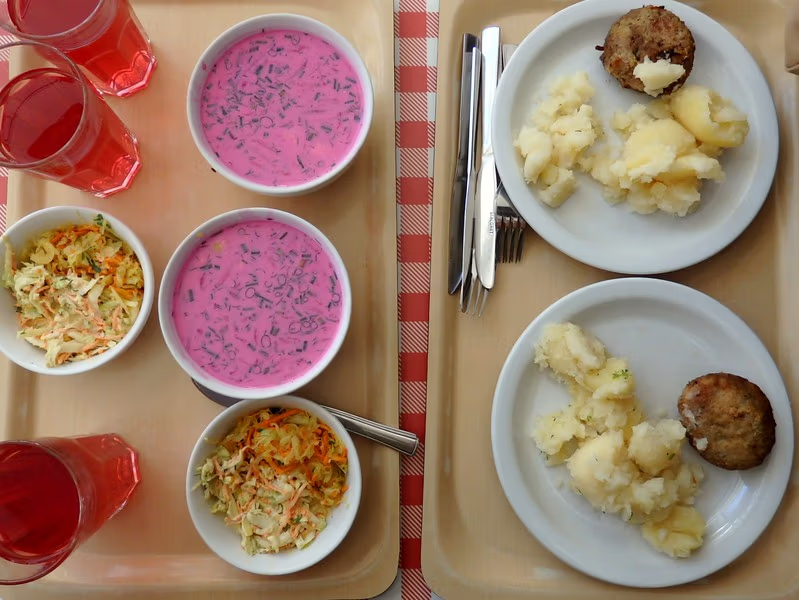
Have lunch at a milk bar
What is a milk bar, you ask? Don’t worry, I also raised an eyebrow the first time I heard the name. The term ‘milk bar’ is a misnomer; you don’t go to a milk bar to drink milk – though some of the meals are dairy-based.
A milk bar, locally known as bar mleczny, is a type of establishment similar to a cafeteria and you can order simple yet hearty dishes for really cheap. The first milk bar in Warsaw opened back in 1896, and these experienced a surge in popularity right after the First and Second World Wars due to their affordability.
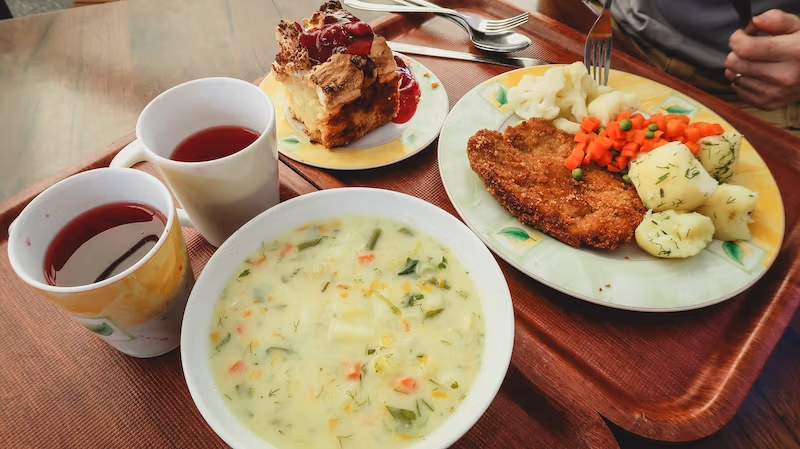
Unlike your average restaurant, eating at a milk bar involves lining up to place your order, paying for your meal at the cash register, grabbing a tray, picking up your meal from a serving window, and taking the food back to your table. You don’t come here for the customer service, but it’s a unique experience and a must-do when in Warsaw.
If you’re looking to visit a milk bar in the city, I’d recommend Bar Prasowy (their website is only in Polish, but you can grab the address off their Facebook page). The place is really popular with locals, it serves up great food, and it has a cool design. You can’t go wrong with their potatoes with meatballs and a bowl of pink beetroot soup!
This Warsaw food tour will take you to 6 carefully selected spots including a milk bar! This is a fun way to get familiar with Polish food.
Take a pierogi cooking class
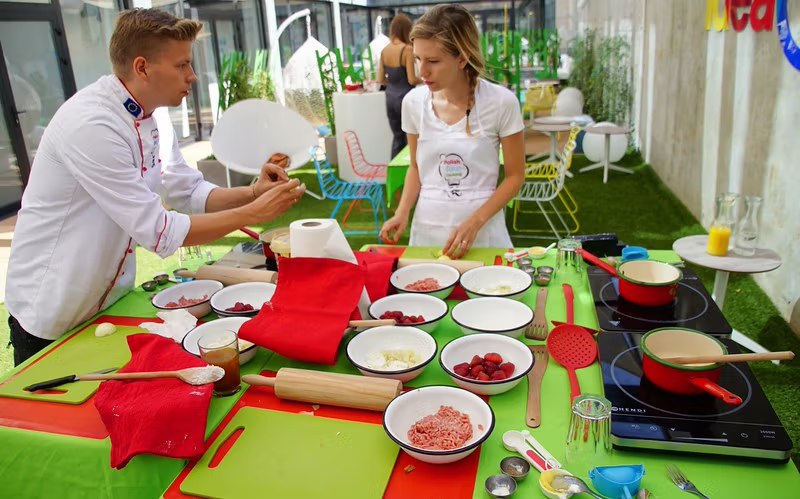
I really enjoy taking cooking classes wherever I travel – so far I’ve learned to make pasta in Italy, fish amok in Cambodia, and curry in Thailand – so it was only natural to sign up for a Polish cooking class while in Warsaw.
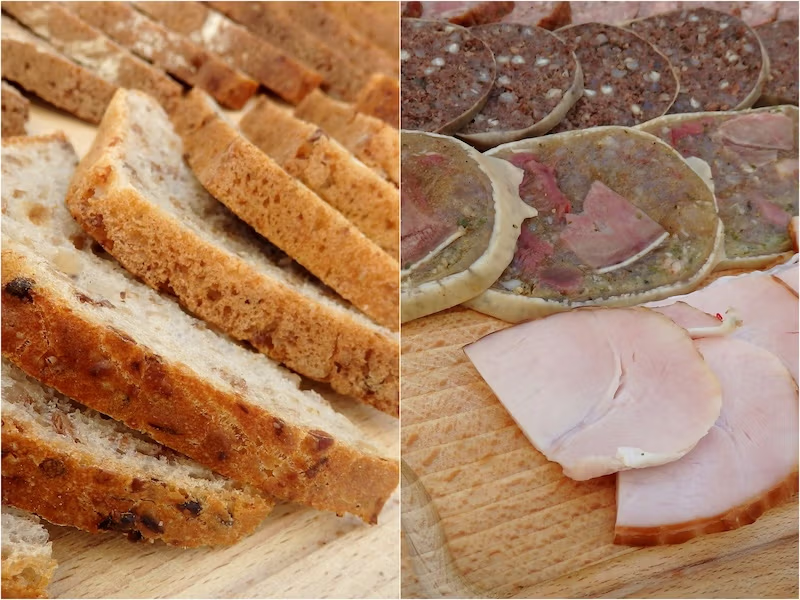
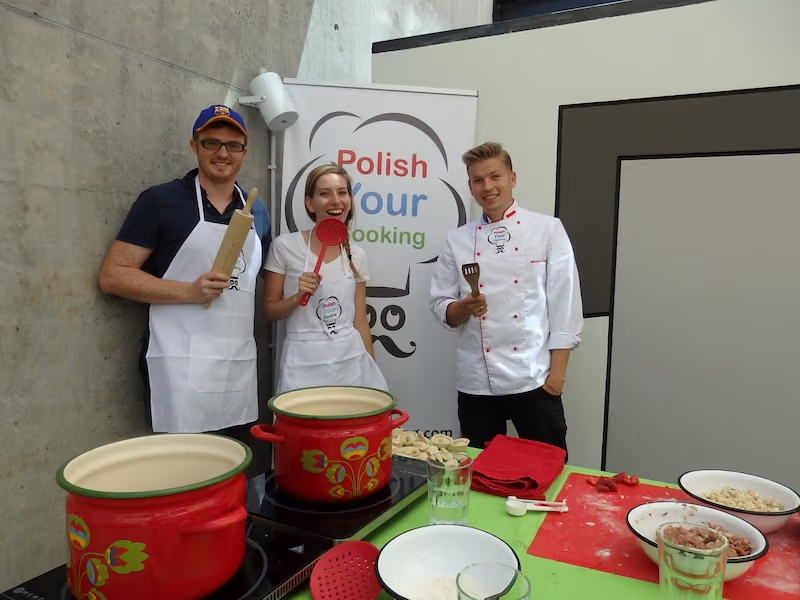
I joined a cooking class to learn how to make pierogi, and like any good cooking class, the day started with food, because there’s no sense in being hungry in the kitchen! We had a small buffet featuring bread, deli meats and even pickled herring, and once we had snacked to our heart’s content, it was time to get busy.
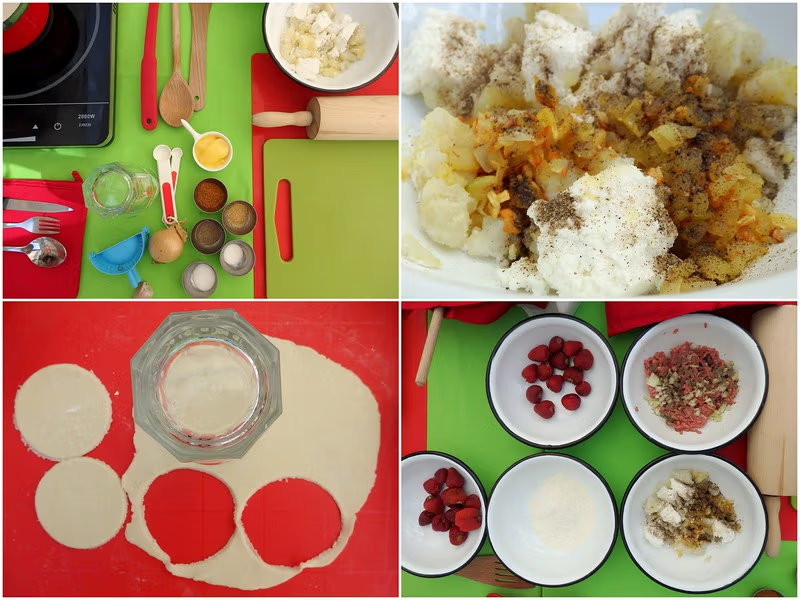
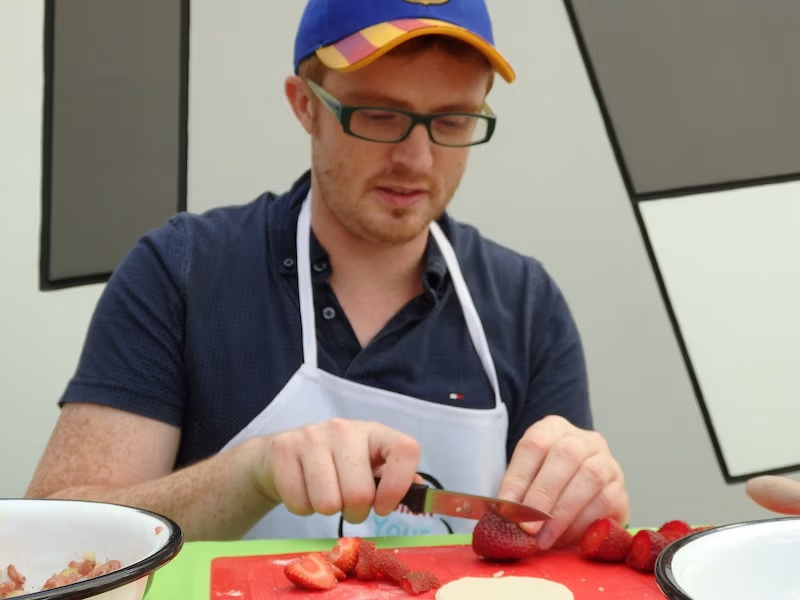
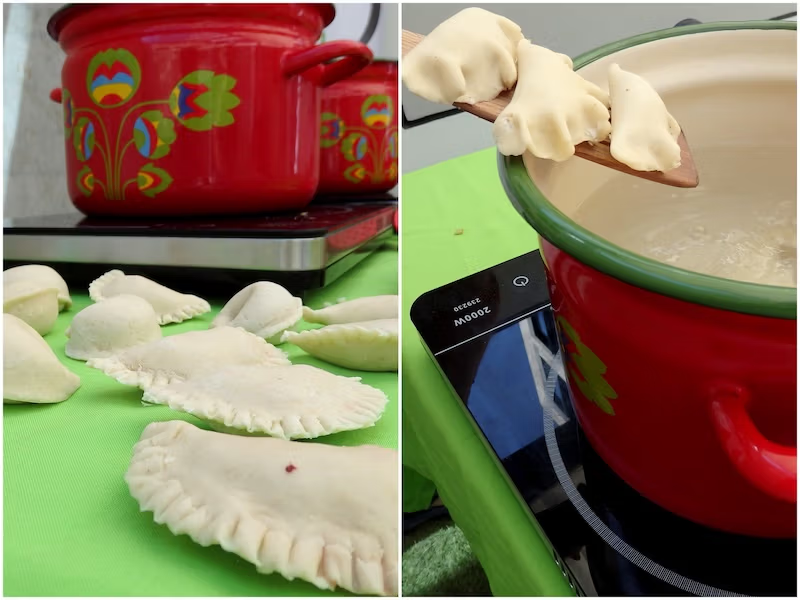
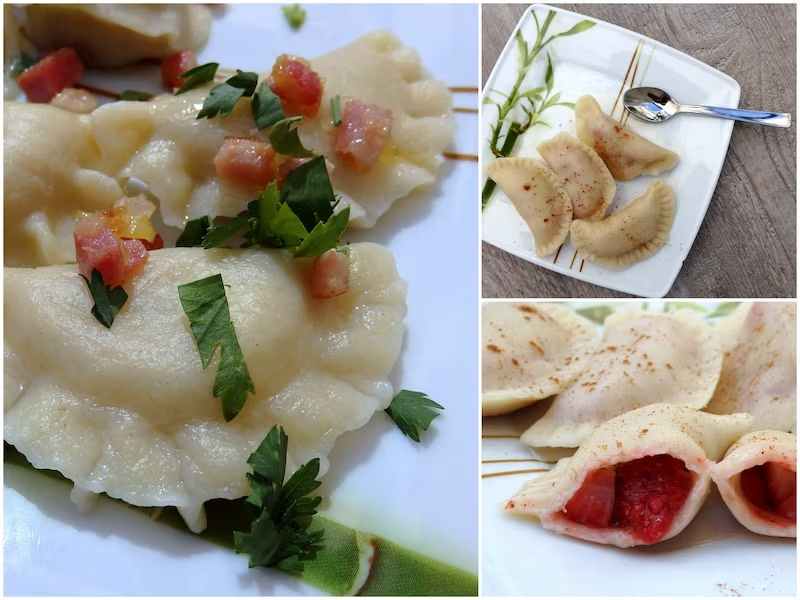
The plan that day was to create pierogi with 3 different fillings: 2 savoury ones for our main course and 1 sweet one for dessert. For the savoury fillings, we mixed up one batch of ground beef and onions, and a second batch with cheese and potatoes. Then came the task of carefully pinching the pierogi so that the filling wouldn’t leak once they were boiled.
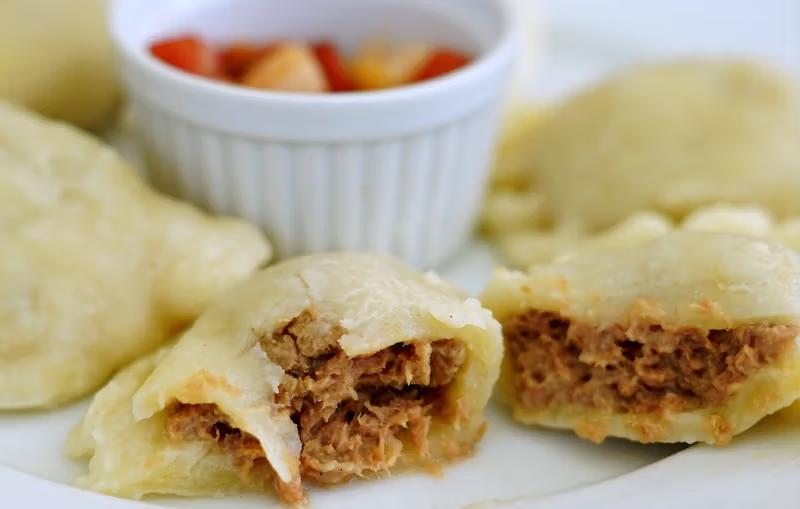
However, my favourite part was working on the dessert pierogi which we stuffed with strawberries, brown sugar, and vanilla-infused white sugar. I have a major sweet tooth, so this recipe was right up my alley! Once the dessert pierogi had been boiled, we sprinkled a little bit of cinnamon on top and it was pure magic.
Another reason I enjoyed this class is that our cooking instructor, Michal, was a fellow traveller who has spent a lot of time travelling to different parts of the world to learn their recipes, so this meant we all had lots of travel stories to swap while cooking. Plus, you’ve gotta love an activity where you leave filling stuffed with delicious food! More details and photos from my cooking class in Warsaw over here.
Want to learn to make pierogi? This pierogi cooking class is the best-rated in Warsaw!
Enjoy farm-to-table dining
Farm-to-table dining is a growing trend these days with a focus on acquiring food products directly from the producer and minimizing the time and handling that it takes for these ingredients to reach your dining table.
Farm to table, in turn, is about eating locally, and organically, and getting access to the freshest food possible.
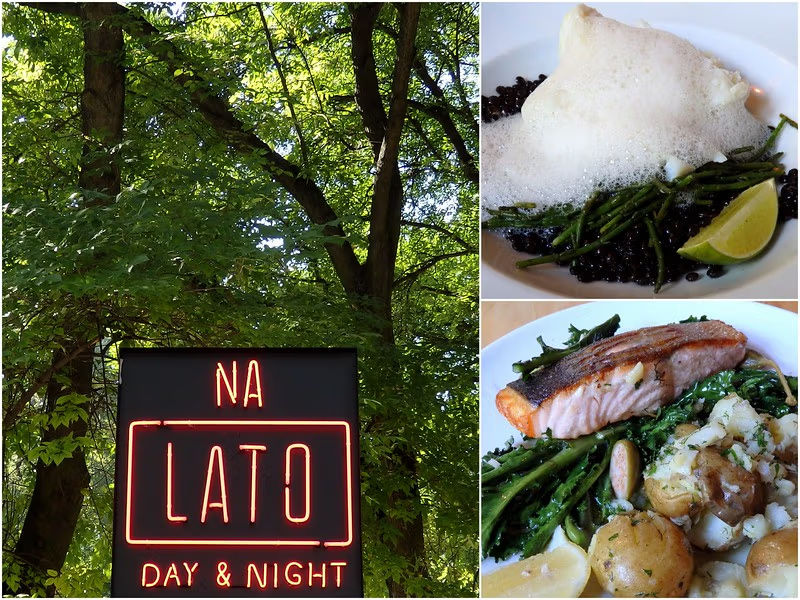
For a little taste of this, I went to Na Lato, where the chef’s original menu is based on high-quality, local and seasonal products that change throughout the year.
The restaurant’s name means ‘for the summer’ because it started out as a summer venue for food and drinks, but these days it’s a permanent fixture that transitions from restaurant to cocktail lounge to dance floor as the night progresses.
Go on a vodka tour
Whether you want to experience Warsaw’s legendary nightlife, go on a vodka tour, or enjoy a drink at a relaxed riverside bar, there are plenty of options across the city.
When it comes to vodka tours, there are a whole bunch to choose from. You have more formal vodka tastings, and pub crawls that feature plenty of vodka shots, but perhaps the most unusual of them all is a nightlife tour in a Fiat 126p where you get to visit different bars and enjoy vodka, snacks and stories with a local guide!
If you happen to be in Warsaw during the summer months, then I would also suggest checking out the pop-up river bars. These are located along the left bank of the Vistula River and are all within walking distance of each other, so technically you can go bar-hopping. Some bars are sleek and have real furniture, others are more chill and have patio furniture, and then there are those that draw the hipsters with their pallets turned sofas. Whichever you choose, they all allow you to sink your toes into the sand with a drink in hand.
If you want to experience a proper night out in Warsaw, then Nowy Swiat is the place to be. The road is lined with pubs and bars rubbing shoulder to shoulder, and it draws a mix of international travellers in their 20s. Just beware, things can get pretty rowdy along here – hence, why I tapped out early!
This 3-hour Warsaw nightlife tour takes you around Warsaw in a retro Fiat 126p to visit Communist-era bars for snacks and drinks. You get to try 10 different vodkas!

Join a walking food tour
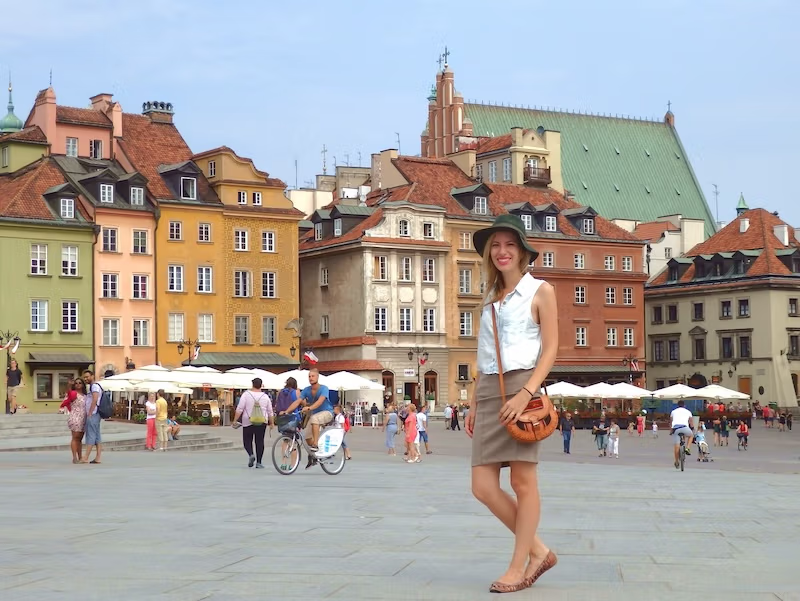
Have you ever found yourself staring at a menu in a new destination thinking, “I don’t know what anything is!”
It’s happened to me a few times and that’s why I think food tours are such a good idea. These allow you to explore the cuisine through a local expert and figure out what dishes you enjoy most.
Once you have a better understanding of the local fare, you can then confidently walk into a restaurant and order something other than pierogi, because you know, Warsaw has a whole lot to offer aside from these beloved dumplings!
Could I interest you in a bowl of bigos (hunter’s Stew), a plate of placki ziemniaczane (grated potato pancake), or pączki (doughnut-like pastry with a sweet filling) for dessert?
This Warsaw food tour includes 10 different tastings where you get to learn more about Polish food.

Warsaw Food Guide: Going Deeper
Warsaw surprised me. I knew about pierogi before I arrived, but I didn’t expect the food scene to anchor my memories of the city the way it did. From the Soviet-era cafeteria queue at a milk bar to strawberry-stuffed dessert pierogi in a cooking class to a nightlife tour in a retro Fiat, food turned out to be the thread running through the whole trip. Here’s a deeper look at the city behind those five experiences, plus everything else worth eating and drinking in Warsaw.
The Long Road from Ration Kitchens to Cult Favorite
The first milk bar in Warsaw wasn’t a communist invention, even though most visitors assume it was. It opened in 1896, when a man named Stanisław Dłużewski set up a vegetarian canteen on Nowy Świat selling cheap, fast plates built around milk, flour, and eggs. He called it Mleczarnia Nadświdrzańska, and the idea spread across the city long before the Soviet era gave the format its political usefulness: cheap, quick, and unmistakably Polish, which fit the ideology of the time almost too neatly.
Bar Prasowy, the one I sent you to earlier, has its own smaller story worth knowing. It opened on Marszałkowska Street in 1954 and very nearly closed when its longtime owner retired. Instead of shutting the doors, the story goes that staff and regulars simply kept it running themselves, and the bar has stayed open ever since, now with a more modern interior but the same cafeteria-tray, point-and-order rhythm. It’s one of the reasons milk bars still feel alive rather than preserved behind glass — they were saved by the people who ate there, not by a heritage board.
What to order at a milk bar:
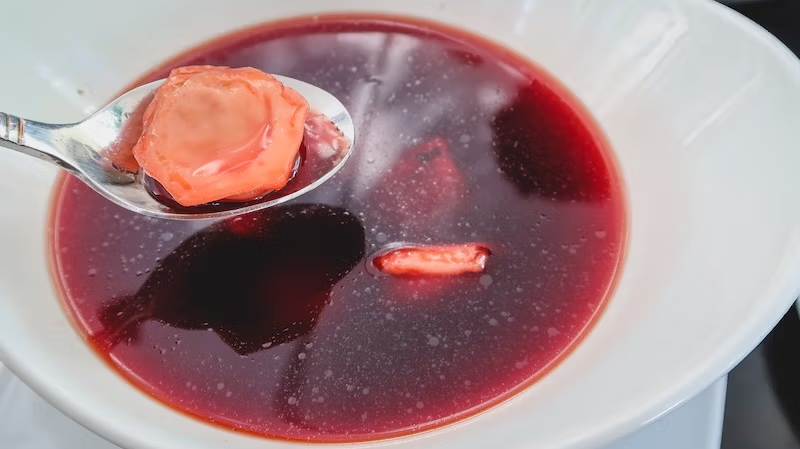
- Barszcz czerwony — clear, vibrant beetroot soup, often with small uszka dumplings floating in it
- Placki ziemniaczane — crispy potato pancakes with sour cream
- Gołąbki — stuffed cabbage rolls with rice and minced meat in tomato sauce
- Kompot — cold, sweet fruit drink, the traditional way to wash it all down
Prefer a guided introduction rather than pointing at a menu board? This Old Town walking and food tour pairs Warsaw’s history with tastings at a handful of local spots, including a milk bar stop, so you get context along with the food.
Pierogi Cooking Classes: Taking Poland Home
I’ve taken cooking classes in a handful of countries now, and they consistently end up among my most vivid travel memories — partly for the food, partly for the laughing-with-strangers-over-botched-technique part. The Warsaw pierogi class was no different, and our instructor Michal, a fellow traveller himself, kept the kitchen chatter as good as the food.
Most classes teach two or three filling variations and a couple of different pinching styles, then end with a shared meal. Recipes are usually emailed afterward, so you can actually recreate what you made once you’re home. Some classes also cover kopytka (potato dumplings similar to gnocchi) or żurek, the sour rye soup with sausage and egg that’s one of Poland’s most distinctive flavours.
Farm-to-Table and Fine Dining, Beyond Na Lato
Na Lato is a good first entry point for seasonal Warsaw dining, though it’s worth knowing going in that it leans as much into cocktails, pizza, and a late-night lounge atmosphere as it does strict farm-to-table cooking — it’s a fun, easygoing stop rather than a tasting-menu destination. If you want to go further into the city’s more serious seasonal cooking, these two are worth booking ahead:
| Restaurant | What Sets It Apart | Good to Know | Price Range |
|---|---|---|---|
| Na Lato | Casual all-day spot that shifts into a cocktail lounge after dark | Popular for weekend brunch and late-night drinks; book ahead for a table on the patio | $$ |
| Alewino | Wine bar that grew out of an actual wine shop, now holds a Michelin Bib Gourmand | Small sharing plates built around seasonal produce; entrance is tucked into a courtyard off Mokotowska Street | $$$ |
| Bez Gwiazdek | Six-course tasting menu from chef Robert Trzópek, who trained at Noma and El Bulli | Dinner only, no à la carte option, menu rotates monthly around a different Polish region — book two to three weeks out | $$$$ |
Vodka and Warsaw Nightlife: Pacing Yourself
Poland and vodka are genuinely inseparable — this isn’t a tourist gimmick, it’s a centuries-old cultural institution. A vodka experience in Warsaw can range from a formal tasting flight to a chaotic pub crawl along Nowy Świat. The retro Fiat nightlife tour linked in the section above is the most theatrical option, and it’s one of the things I heard other travellers talking about most in the city.
One vodka specifically worth trying: żubrówka, bison-grass vodka with a subtle herbal flavour. Mixed with cold apple juice, it becomes a tatanka, the go-to Polish cocktail and a smooth enough drink that you’ll order a second one without really deciding to.
More Warsaw Food Worth Knowing About
How a 1909 Market Hall Became Warsaw’s Food Hall Blueprint
Hala Koszyki doesn’t look like it started life as a sanitation project, but that’s exactly what it was. The building opened in 1909 as part of a citywide push to move food vendors out of open-air squares and street corners and into a covered, hygienic market hall — a genuinely practical piece of early-20th-century urban planning long before anyone thought of it as a place to spend a Friday night.
The hall fell into disrepair over the following decades and sat closed for years before a renovation, led by the Warsaw firm JEMS Architekci and reportedly inspired by Barcelona’s La Boqueria, reopened it around 2016 with the steel-and-glass structure exposed rather than hidden. It worked well enough that Hala Koszyki effectively wrote the template other Warsaw venues followed — Hala Gwardii, Elektrownia Powiśle, and the Norblin Factory all took the same idea of an old industrial building repurposed into a food-and-drink destination, though Koszyki was first and is still the one with the most name recognition among visitors.
Street food in Warsaw and its markets are worth building time into any food-focused itinerary:
| Market or Street Food | What It’s Like | Best For | When |
|---|---|---|---|
| Hala Koszyki | Stylish, social, bustling food hall | Lunch with friends, international food, specialty drinks | Daily |
| Hala Mirowska | Traditional, local, working market | Fresh produce, meat, cheese, a feel for daily Warsaw life | Daily — mornings best |
| Nocny Market | Former railway platforms turned into a zoned street-food “town,” reworked for a more social, linger-longer feel | Street food, live DJs, weekend atmosphere | Spring through early autumn weekend evenings only |
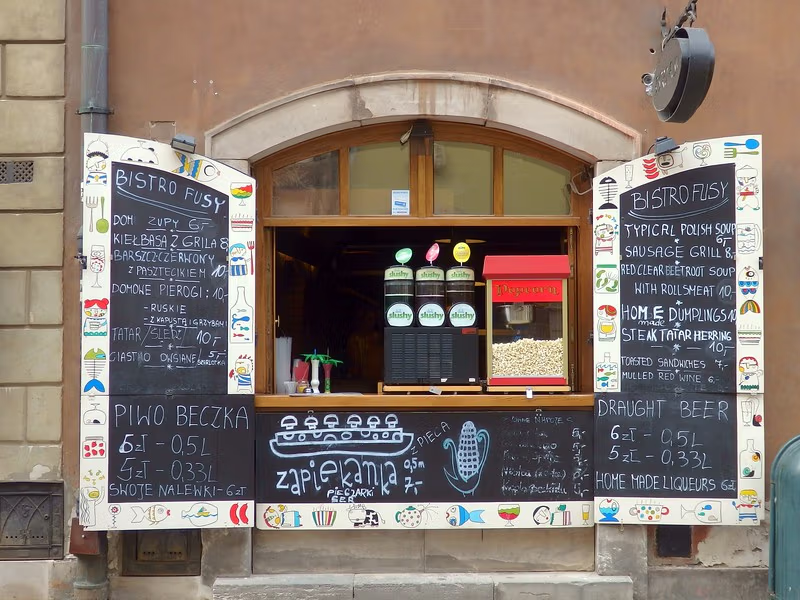
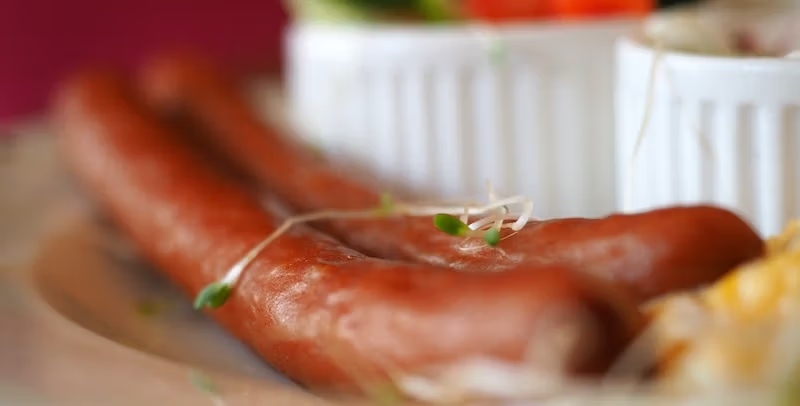
| Zapiekanka, kiełbasa, obwarzanek | Classic grab-and-go street food, sold from carts and grills across the centre and Old Town | A quick, cheap bite between sights | Year-round |
Warsaw’s Dessert and Coffee Scene
Polish desserts tend to be comforting rather than delicate, often tied to a specific holiday or family recipe. Look out for pączki (Polish doughnuts filled with rose hip jam, custard, or chocolate), makowiec (a poppy-seed roll especially good around Christmas), sernik (a denser, tangier cheesecake made with twaróg curd), and kremówka, the custard cream cake famously loved by Pope John Paul II.
Coffee culture has grown alongside all of this. Ministerstwo Kawy is one of the city’s most respected specialty roasters, minimalist and focused; Café Bristol, inside the historic Hotel Bristol, is the grander option, worth a visit for the room alone. For neighbourhood coffee, both Śródmieście and Powiśle have good independent café clusters worth wandering into.

Vegan and Vegetarian Warsaw
Poland’s reputation as a heavily meat-focused food culture is accurate historically, but Warsaw’s plant-based scene has moved a long way past afterthought status. Krowarzywa has multiple locations across the city and has been voted one of Warsaw’s best burgers, vegan or otherwise; Lokal Vegan Bistro and Vege Miasto both do Polish comfort food classics — żurek, pierogi — in fully plant-based form, done well rather than as a compromise.
Eating With Warsaw’s Seasons
Polish cooking is more seasonal than most first-time visitors expect, and Warsaw’s kitchens follow the calendar closely rather than running the same menu year-round. Spring brings wild garlic soup and young potatoes with dill, a lighter register that feels earned after a long winter of stews. By summer, chłodnik takes over — a cold pink soup made from beetroot, cucumber, and sour cream that I ate more of than anything else during my own trip, and that barely exists on menus outside of June through August.
Autumn is mushroom season, and it shows up everywhere at once: wild mushroom sauces, mushroom-and-sauerkraut pierogi, bigos simmered down with whatever the forest produced that week. Winter turns heavier again — pierogi with sauerkraut and mushrooms, barszcz with uszka at nearly every table, gingerbread appearing around the Christmas markets. If you’re building a trip around food specifically, the season you land in will shape what actually ends up on your plate more than any single restaurant choice will.
Where to Stay in Warsaw for a Food Trip
The best base for eating well in Warsaw is the Śródmieście (City Centre) or the Old Town area — close to Bar Prasowy, the Old Town food tour routes, Hala Koszyki, and easy walking distance to the Vistula river bars. Here’s what to look for at each budget level:
- Budget: Oki Doki Old Town Hostel — well-run, central, popular with foodie travellers; a short walk from both the Old Town market square and the milk bar district
- Mid-range: Hotel Indigo Warsaw – Nowy Świat — an excellent location on Nowy Świat itself, putting you at the heart of the bar and restaurant strip; comfortable and stylish without the premium price of the top hotels
- Family: MONDRIAN Luxury Suites & Apartments — apartment-style suites right on the Old Town Market Square with in-suite kitchens, making it easy to manage kids’ meals between restaurant outings; a genuine base rather than a cramped hotel room
- Splurge: Raffles Europejski Warsaw — one of the most beautiful hotels in the city, directly on the Royal Route and walking distance from everything; the restaurant is worth booking even if you’re not staying there
- Historic splurge: Hotel Bristol Warsaw — a landmark that’s been hosting guests since 1901; Café Bristol is one of Warsaw’s finest rooms for a morning coffee and cake
Practical Notes for Foodies in Warsaw
What to Budget for Meals
- Milk bars: $3–5 USD for a full plate with soup and drink — genuinely the best value meal you’ll find in a European capital
- Mid-range restaurants: $10–20 USD per person for a proper meal
- Farm-to-table or chef-driven dining: $40–60 USD for multi-course menus with drinks; still excellent value by Western European standards
Dining Etiquette
- Tipping: Around 10% is standard at sit-down restaurants if service isn’t included; round up at casual places; tipping at milk bars isn’t expected
- Water: Tap water isn’t served automatically — you’ll be brought bottled water and charged for it. Ask for tap (“woda z kranu”) if you prefer, though not everywhere provides it
- Cards or cash: Most mid-range and above restaurants take cards; milk bars and small street food vendors are often cash only. Always carry some złoty.
A 2-Day Warsaw Food Itinerary
Day 1: Classics and Classics Upgraded
- Breakfast: Café Bristol — coffee and a slice of kremówka in a genuinely beautiful room
- Lunch: Bar Prasowy milk bar — barszcz, placki ziemniaczane, kompot
- Afternoon: Pierogi cooking class
- Evening: Vodka tasting or the retro Fiat nightlife tour; Nowy Świat if you want to stay out, river bars for something more relaxed
Day 2: Markets, Modern, and Sweet Things
- Morning: Ministerstwo Kawy for specialty coffee, then Hala Mirowska for the market atmosphere
- Lunch: Hala Koszyki — graze between stalls, pick up cheese and charcuterie
- Afternoon: Walking food tour through Old Town; pączki crawl afterwards
- Evening: Seasonal dinner at Alewino or a tasting menu at Bez Gwiazdek
Warsaw Foodie FAQ
What is Warsaw best known for when it comes to food?
Warsaw is best known for its comforting Polish classics — pierogi in all their forms, bigos (hunter’s stew), and barszcz (beet soup). It’s also gaining recognition for a genuinely impressive modern restaurant scene, strong craft beer, and a vegan-friendly scene that’s grown substantially in recent years.
Are milk bars in Warsaw worth visiting?
Yes — they’re a quirky, affordable, genuinely authentic slice of Polish daily life, with roots going back to 1896. Cafeteria-style service, hearty home-style cooking, and prices that feel almost impossible for a European capital. Bar Prasowy is the one I’d send you to first.
What traditional Polish dishes should I try in Warsaw?
Start with pierogi, bigos, placki ziemniaczane (crispy potato pancakes), żurek (sour rye soup with sausage and egg), and gołąbki (stuffed cabbage rolls). For dessert: pączki (Polish doughnuts), sernik (cheesecake), and kremówka (custard cream cake).
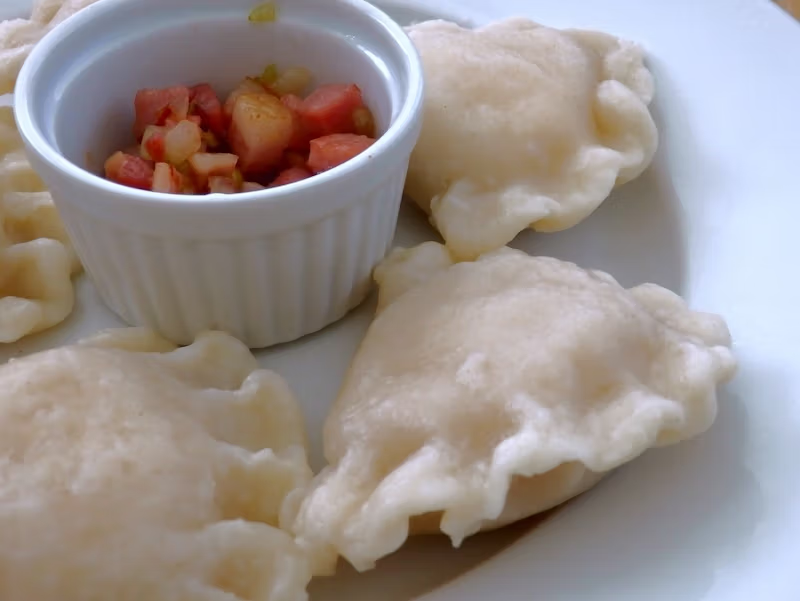
Where can I try the best pierogi in Warsaw?
Zapiecek is a well-known chain specialising in pierogi with a wide range of fillings, with several locations around the city; Bar Prasowy for the milk bar experience; and for the most satisfying approach, book a pierogi cooking class and make your own. You’ll eat them fresh out of the pot and understand every element.
Is Warsaw good for vegetarians and vegans?
Surprisingly yes. Krowarzywa does excellent vegan burgers across multiple locations; Lokal Vegan Bistro and Vege Miasto serve plant-based versions of Polish classics that are genuinely good rather than compromised. The mainstream restaurant scene is also increasingly accommodating.
How much should I budget for food in Warsaw?
Warsaw is excellent value by Western European standards. Milk bar meals: $3–5 USD. Mid-range restaurant meals: $10–20 per person. Chef-driven tasting menus: $40–60 with drinks. Street food like zapiekanka or kiełbasa from a grill is often under $3.
Can I join a food tour if I have dietary restrictions?
Most tours can accommodate vegetarians; some can adapt for gluten-free diets with advance notice. Message the operator before booking with your specific needs — the better tours are used to working around this.
What should I drink in Warsaw besides vodka?
Polish craft beers are genuinely excellent, including Baltic porter if you encounter one. Try nalewki (fruit liqueurs) and żubrówka with apple juice (tatanka) as a gentler vodka entry point. Café culture is strong — a flat white from Ministerstwo Kawy or a similar specialty roaster is very much worth the detour.
Where are the best markets for foodies in Warsaw?
Hala Koszyki, a former 1909 market hall, for a modern food hall experience; Hala Mirowska for a traditional market with fresh produce and local character; Nocny Market, on the former Warszawa Główna station platforms, for outdoor street food and a lively weekend scene from spring through early autumn.
When is the best time to visit Warsaw for food lovers?
Summer is ideal for outdoor bars, night markets, and chłodnik season. Winter brings Christmas markets, gingerbread, heavy warming stews, and barszcz everywhere. Spring and autumn are excellent for seasonal wild mushroom and fresh vegetable dishes. Every season has something genuinely distinctive on the menu.
Do restaurants in Warsaw accept credit cards?
Most mid-range and above restaurants do. Milk bars and small street food vendors are often cash only. Carrying some Polish złoty is always worth it — some of the most worthwhile food in Warsaw is sold by people who don’t take cards.
Is tipping expected in Warsaw?
Around 10% is standard at sit-down restaurants if service isn’t included. At milk bars, tipping isn’t expected — rounding up the bill is appreciated but not anticipated. Check whether service is already included before adding extra.
Have you tried Polish food?
What were some of your favourite dishes?
I’ve only been to Krakow and I fell in love with a lot of Polish food! The pierogis are definitely a hit and also loved the Milk Bars – especially that they are not novelty but actual food places that play a big part in everyday Polish life. I also liked their “hangover pizza” – I think it’s called a ‘zapiekanka” or something similar 🙂
Ahh, I missed out on the hangover pizza! I just looked up photos and it looks tasty – kind of like an open-faced sandwich with pizza toppings, yum!
So tempting, I’ve never looked at Poland from a food perspective!
Glad to offer a new perspective! 🙂
Warsaw is a heaven for every foodie! There are so many amazing restaurants and bars, that it may be sometimes difficult to choose just one. 🙂 My favourite Polish food are definitely pierogi. I could eat them every day! And my favourite restaurant in Warsawis the Akademia. They have delicious food, always freshly made and the place is very nice and romantic. And their pierogi are just incredible:)
Nice post:) I have been to Warsaw only twice, with my friends, but as a huge foodie I was delighted! I didn’t know much about Polish food before but it turned out to be delicious. My favourite dish was a tartare – even though I didn’t even want to rry it at first. But after I did, I fell in love… It was one of the best culinery experiences in my life! It was in a Bar in the Old Town called Bubbles. Their tartare was amazing, and I haven’t found anything even remotly as delicious. And, as in Bubbles there is a huge choice of champagnes, I found out that it also goes well with a glass of a good champagne 🙂 Can’t wait to go there again!
Recently I discovered Bubbles Bar in Warsaw. It was the best experience to try Kopytka with truffle sauce. I like polish traditional food and they have special dishes in menu. My boyfriend took me and I was suprised because of this magic place.