
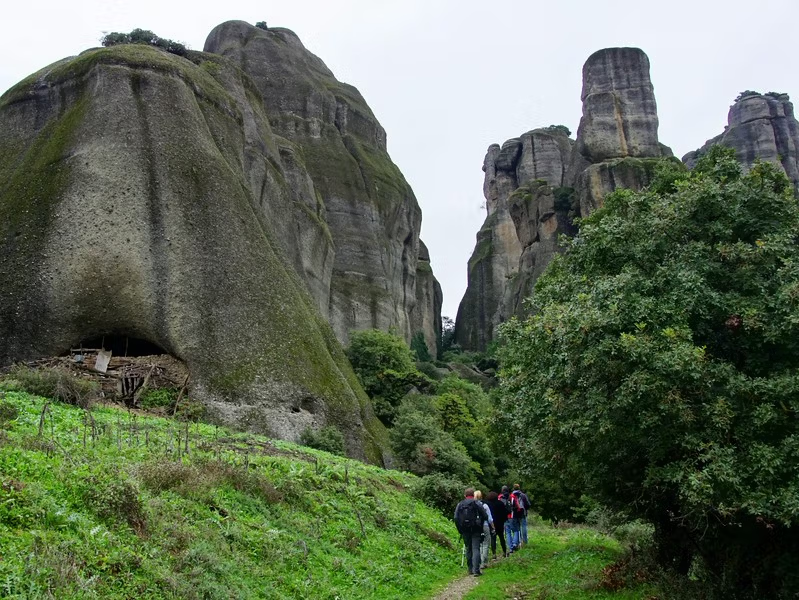
Meteora is a place that you simply have to explore on foot. The valley is connected by a network of 35 kilometres of paths and trails, and there are surprises at every turn ranging from hermit caves and monastic ruins, to strange rock formations and giant rock boulders frequented by rock climbers. For me, hiking in Meteora turned out to be one of the highlights of my visit, not only because I got to see out-of-the-way monasteries that I would have otherwise missed, but also because I got to hear the local folklore that brought this destination to life.
Hike in Meteora Travel Guide: Making The Most Of Your Hiking Experience
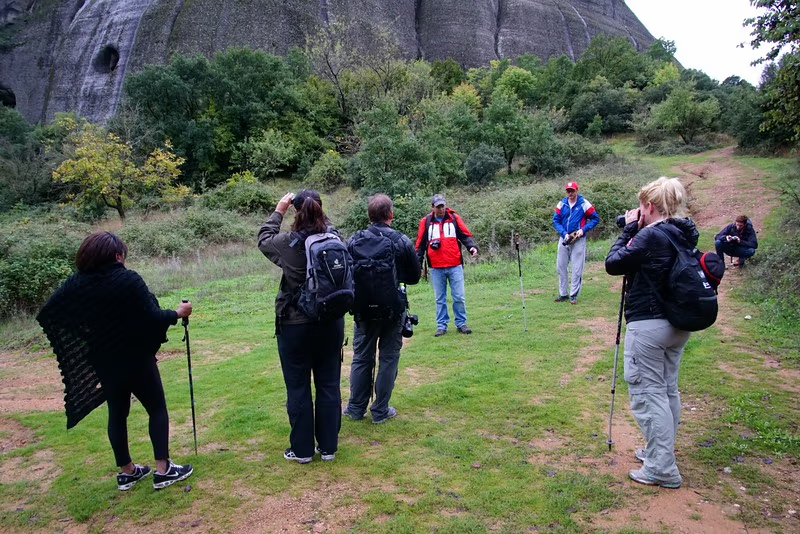
I went on 2 different hikes while in Meteora: one was a hiking tour through the Rock Forest that finished with a visit to the Grand Meteoro, and the other was a hiking tour of Holy Spirit. While the two hiking routes had their differences, what did not change was our guides’ unwavering passion for Meteora and the storytelling that allowed us, travellers, to connect with the places we visited.
The following is a collection of stories that I heard hiking in Meteora; they are stories of miracles, stories of theft, and some are stories that made me scratch my head and wonder, “Could that have really happened or did this just get embellished over centuries of storytelling?” Either way, this is the narrative that’s alive and well in Meteora:
The girl who was kidnapped by monks
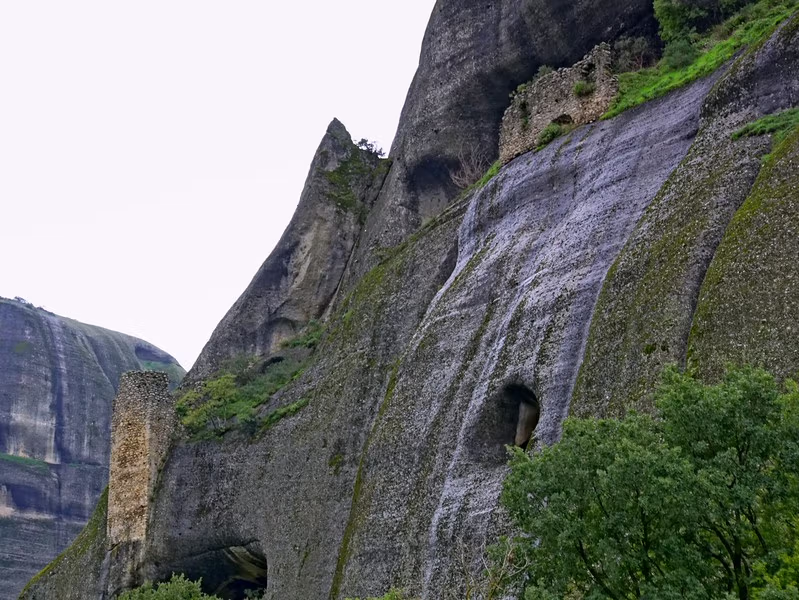
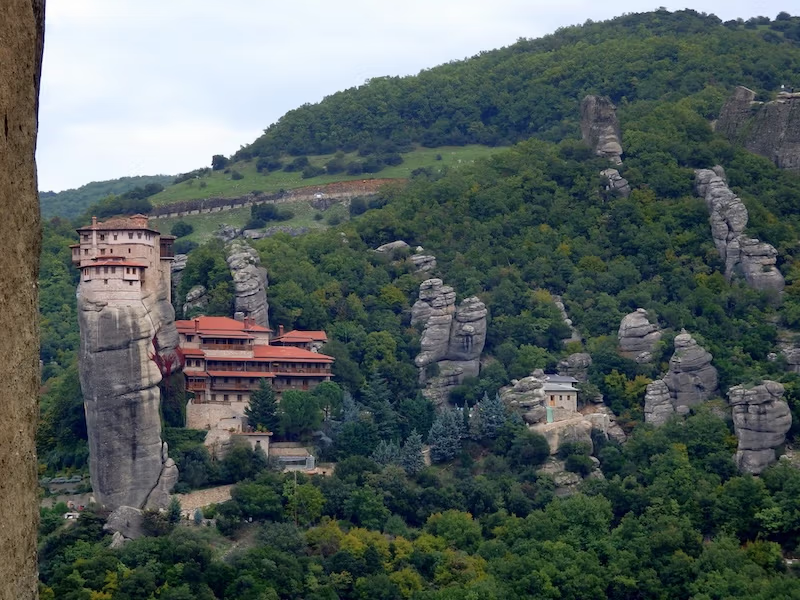
It’s hard to see at first glance, but if you look closely at the photo above you’ll notice the ruins of the Pantokrator Monastery. How this monastery came to be nothing more than a pile of rubble, is a fascinating story.
Apparently, there was once a very beautiful girl who lived in the local village, and she was such a sight to behold that even a group of monks who had recently arrived in the area took notice. One day the girl mysteriously disappeared from her home, and despite searching high and low around the town, neither her family nor the villagers couldn’t find her.
It wasn’t until a few days later when a local shepherd was walking around the base of the monastery that he saw a shoe fly down from the sky. It was the shoe of the beautiful girl who had been missing! The shepherd rushed back to the village waving the shoe in hand to confirm his findings, and sure enough, everyone agreed that shoe belonged to the girl.
Angered to have had one of their women stolen from them, the men of the village rallied together and went to the foot of the monastery where they demanded the release of the girl. The monks played dumb and insisted they were not keeping a woman prisoner, but the villagers weren’t buying the story and they warned the monks that they’d have trouble to pay…
One version of the story says the girl was then released, while another suggests that the villagers returned with canons and started shelling the monastery and that’s why today it sits in ruins. As for the girl, she was reunited with her family.
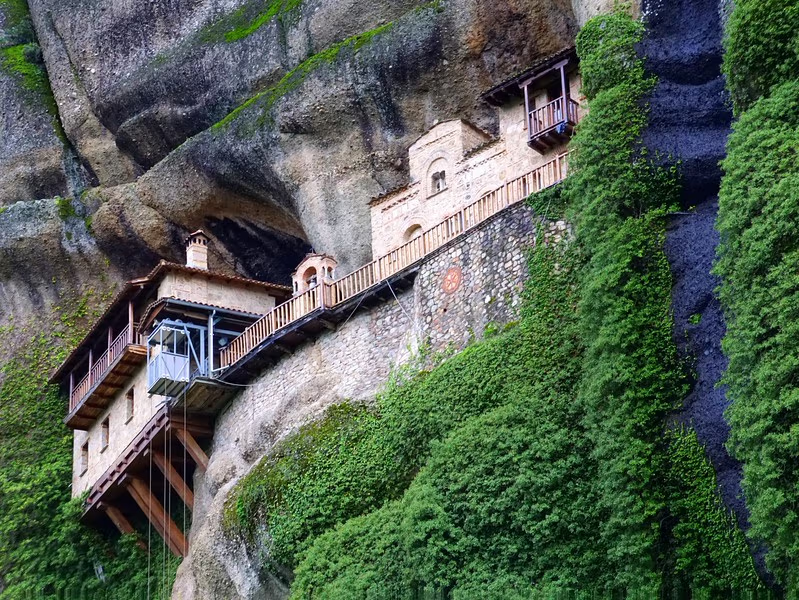
The family who stole the monks’ monastery
Unlike the previous story, it appears that while some monks were causing trouble around town, others were being victimized.
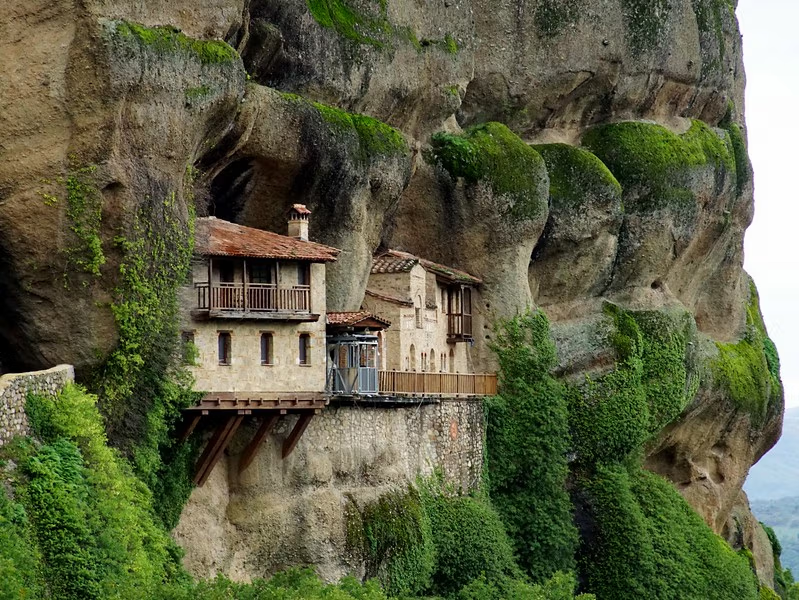
The next story I heard was that of the Ypapanti Monastery. The story starts out with the local monks of the monastery going out for the day – they may have gone out to visit monks at another monastery, or they may just have been out running errands…no one really knows – but what we do know is that when the monks finally returned to their home at the end of the day, they found that it had been taken over by a family of squatters! Yes, an entire family had moved in and taken over their home while they were out for the day.
It appears that this family had some very strong and fierce young men, which left the monks with very few options. The monks did not have the force to challenge the squatters, and so they were forced to retreat while the new guests presumably settled in, started rearranging furniture, and made themselves cozy.
The crazy part is that the Ypapanti Monastery would remain in the hands of the squatters for the next 89 years, and that’s written in the local records.
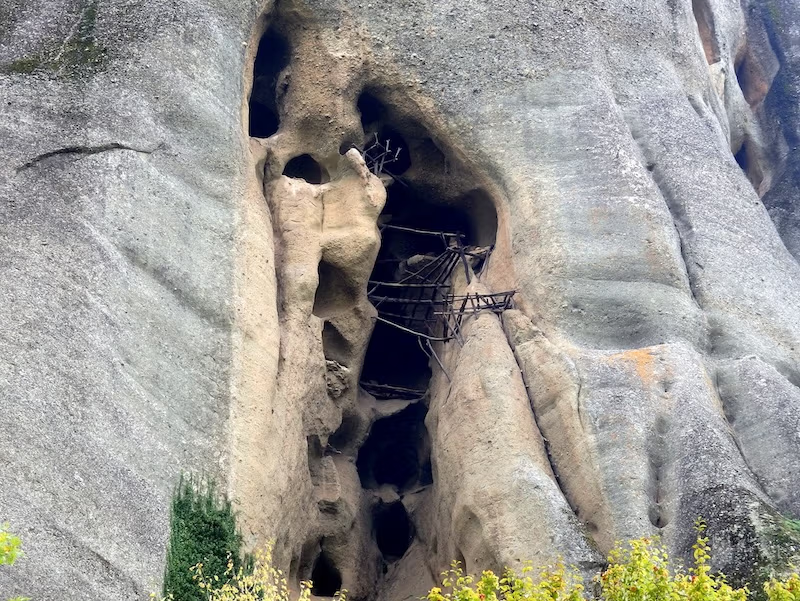
The monks who were thrown in jail
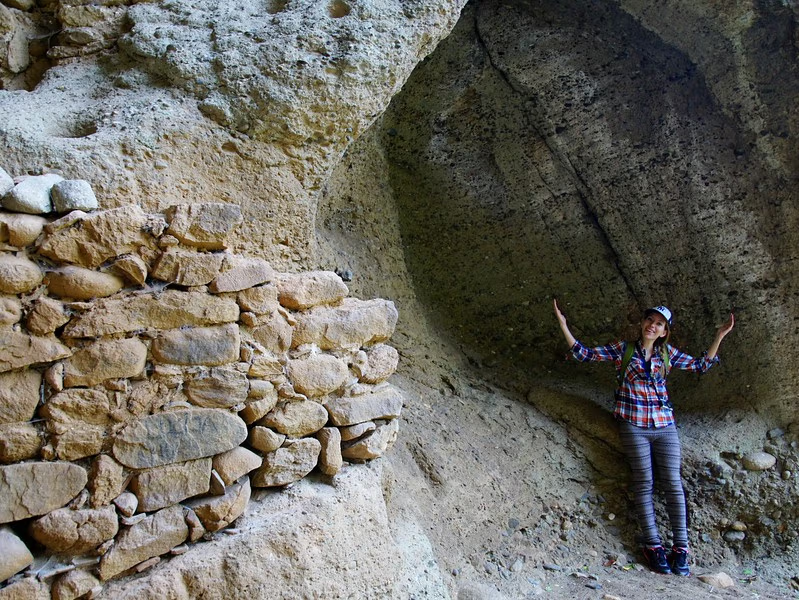
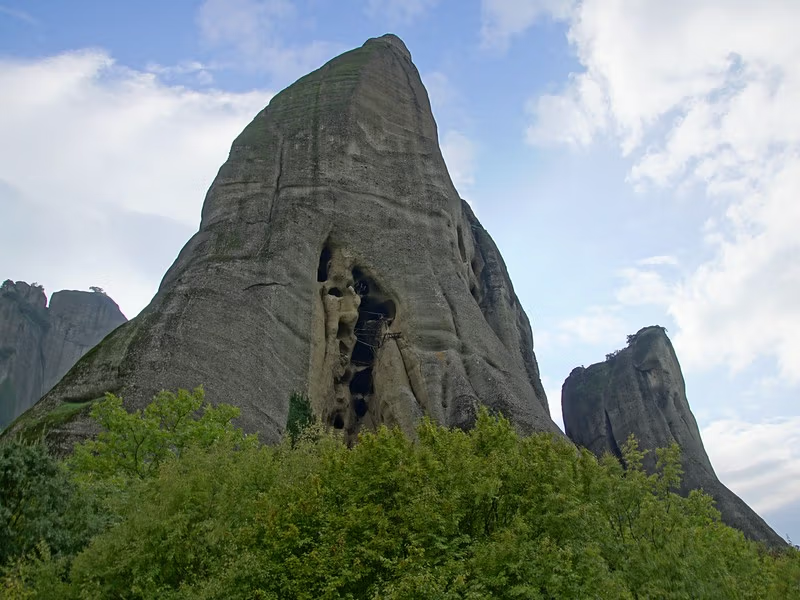
Then for another surprise, we visited a jail for monks, but this wasn’t any ordinary jail. As you can see in the photo above, this particular jail was built into a cave on the rock and it was meant to hold “the naughty monks”.
I tried pressing my guide with questions as to what kind of crimes these monks had actually committed, but I couldn’t get a straight answer, though judging from the previous stories we heard on the hike, kidnapping sounded like one likely offence. Our guide also told us that disobedience was one way to end up in this monk jail, as any form of undermining authority by the younger monks could’ve upset the whole balance of the leadership.
I didn’t get to hear any stories of individual monks here, but I did learn that this cave could hold a maximum of 14 monks, with each jail cell built on a wooden ledge. One thing’s for sure – the view from the jail cell was not half bad!
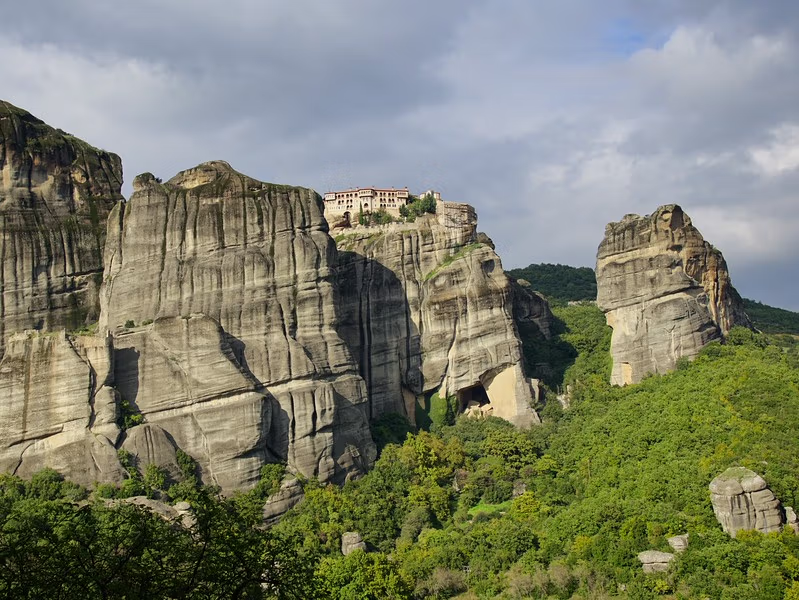
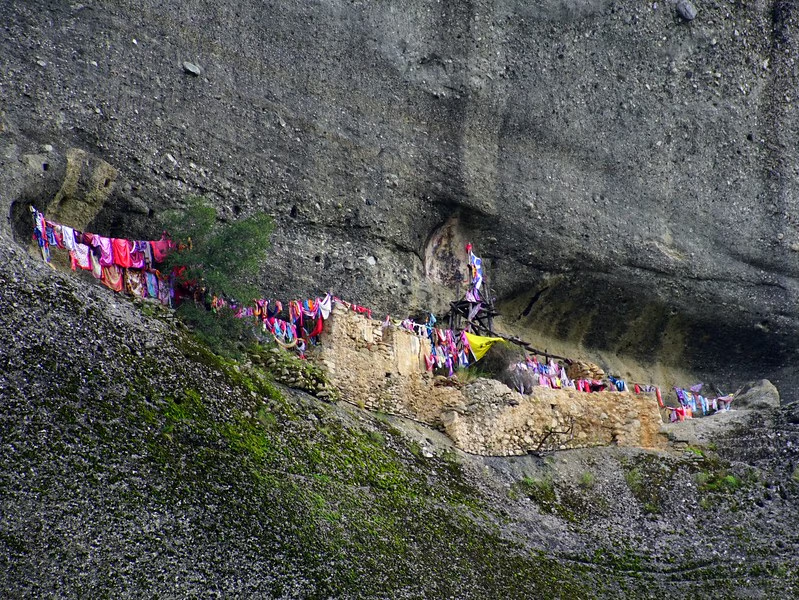
Bright scarves for St. George
And lastly, a story that has not only infused local tradition but that can still be seen alive to this day.
The story goes that a newlywed Turkish couple was living in the village, when one day the woman’s husband was chopping down a tree and it fell on him injuring him so severely, that it appeared he was at the gates of death. Seeing the distress of the woman, the local villagers urged her to pray to St. George for a miracle (it was after all St. George’s Day), and so, desperate to save her beloved husband, the woman removed her headscarf and offered it to St. George in prayer.
Soon after, the husband made a recovery, everyone rejoiced over the miracle, and a new tradition was born.
That is why every year on St. George’s Day, the young men from the local village climb to the cave of Agios Georgios Mandilas to collect the scarves that were brought up as offerings the previous year and replace them with new ones. To an outsider, it would appear that this event is all about bravado, but the tradition stems back many centuries ago.
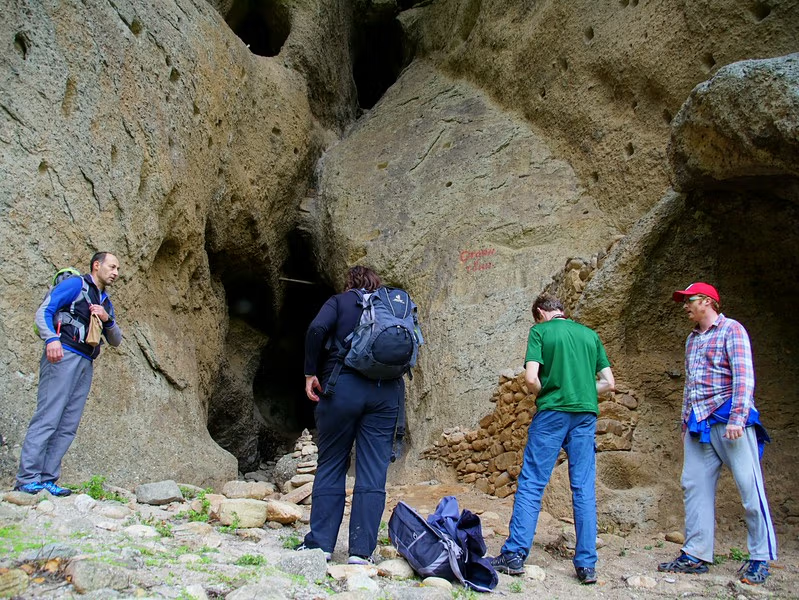
And that’s just a little snippet of some of the places we visited and the stories we heard on our hike through Meteora, Greece.
As it happens when stories are passed down orally generation to generation, at this point, it’s hard to say what’s truth, what’s myth, and what’s been embellished over the years. However, I can tell you that hearing these stories brought the whole landscape to life and it helped me appreciate the destination in a different way.
I would’ve never heard these local stories had I just been zipping around from monastery to monastery in a car – at least not the stories about the kidnapping monks or the naughty monks thrown in jail! – so if you want to hear all the juicy gossip from centuries past, consider a hiking in Meteora with a local guide. That’s the best way to do it!
Getting to Meteora
Meteora sits in the Thessaly region of central Greece, about 355 kilometres northwest of Athens — and how you get there matters more than it used to. Direct train service between Athens and Kalambaka has been suspended since Storm Daniel caused severe flood damage to the rail line in September 2023, and while restoration work is underway, estimates for a full resumption vary by source and range from late 2026 to sometime in 2027. It’s worth checking the current situation before planning around it.
Why the Train Isn’t an Option Right Now
The damage runs deeper than a single closed station. Twin storms Daniel and Elias tore through Thessaly in September 2023, and the 90-kilometre stretch of track between Palaiofarsalos and Kalambaka took the worst of it — around 50 kilometres of rail bed was destroyed outright, along with signalling and safety systems that have to be rebuilt, not just repaired. Hellenic Train currently runs a substitute service that gets passengers as far as Palaiofarsalos by rail, then transfers them onto a bus for the final leg into Kalambaka, which adds real time and a transfer most travellers would rather avoid. Until the line is fully reinstated, the KTEL bus and Visit Meteora’s direct coach are the more reliable ways in from Athens.
By bus is the most common choice right now — KTEL coaches depart from the Liosion Bus Terminal in Athens (a short metro ride from the city centre) with a change at Trikala for Kalambaka. The full journey takes around five to six hours and tickets typically run somewhere in the €25–€40 range one way, though it’s worth checking the KTEL Trikala website for current fares before you go. By car takes roughly three and a half to four hours from Athens via the E65 highway and gives you the most flexibility once you’re there, particularly for getting between monasteries. By guided coach is also worth knowing about: Visit Meteora runs a direct express bus from Athens Larissis Station each morning that reaches Kalambaka in around four to four and a half hours with no transfers.
Once you arrive in Kalambaka, Kastraki is a short taxi ride away or about a 20–25 minute walk. They’re only two kilometres apart but feel like different worlds, and for anyone planning to hike, Kastraki is the one to aim for.
Where to Base Yourself: Kastraki or Kalambaka
For anyone prioritising hiking, Kastraki is the better base, hands down.
Kalambaka is the larger town — it’s where buses arrive, it has more restaurants and services, and it stays active year-round. Perfectly comfortable, and the right choice for a late arrival or an early departure. But Kastraki is the village where the rock formations are literally in the middle of the street. The trailheads for both hikes described in this post start from Kastraki’s central square, and waking up with a direct view of the cliffs is a genuinely different experience to waking up in a town. One caveat: in low season (roughly November through March), most of Kastraki goes quiet — hotels and restaurants close up — so Kalambaka is the more practical base at that time of year.
Kastraki — best for hikers
Doupiani House sits right at the foot of the rock formations, almost at the start of the Pantokrator trail. The views from the rooms are exactly what you’d hope for, and breakfast on the terrace with the cliffs directly in front of you is a very good start to a hiking day. It’s a solid pick for first-time visitors who want that classic Meteora view without leaving the property.
Pyrgos Adrachti is a family-run guesthouse built like a small tower — which it more or less is. Balcony views of the cliffs, warm hosts, and the kind of place that gives good trail advice over coffee. It suits families well and anyone who wants firsthand local tips before setting out.
Tsikeli Boutique Hotel is a small, high-rated, adults-only boutique option, which makes it a natural pick for couples or a honeymoon stay. Quiet, well-placed, and the rooms have character.
Hotel Gogos is the budget-friendly Kastraki pick — friendly, central, nothing fancy but genuinely good value and a short walk from where the hikes begin. A good fit for solo travellers and backpackers watching their budget.
Kalambaka — best for arrivals and off-season
Hotel Divani is the standout in Kalambaka — the best-equipped hotel in town, with a pool that’s very welcome after a summer hike. It works well for families or anyone who wants hotel amenities alongside the hiking. Mythos Guesthouse is the charming alternative if you want something more traditional, with balconies that frame the rocks and a central location that makes evening restaurant choices easy — a comfortable, good-value option for mid-range travellers.
Booking the Guided Hikes
Both hikes described in this post were organised through Visit Meteora (visitmeteora.travel), a locally based operator run by Kastraki guides. The folklore shared earlier in this post came directly from their guides — the kind of storytelling that’s difficult to come by driving independently between monasteries.
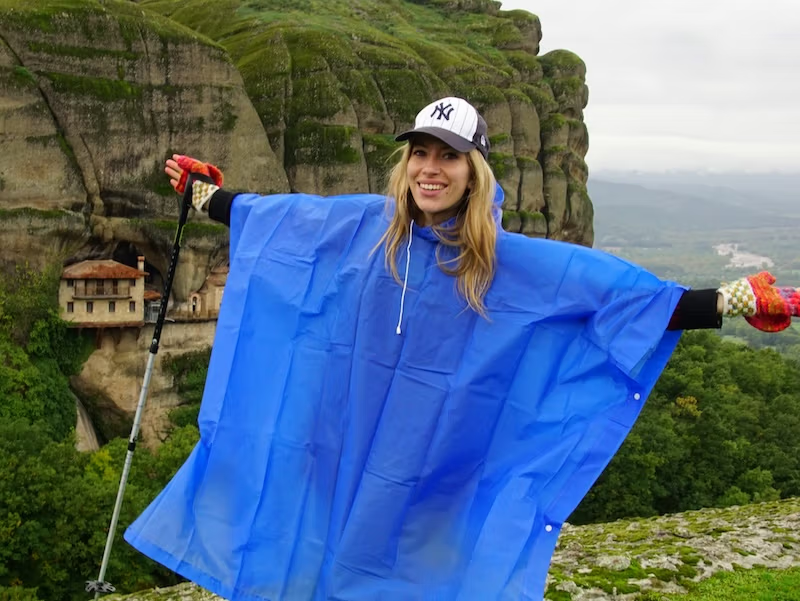
The Meteora Rock Forest Hiking Tour is the morning option — it starts from Kastraki square, passes beneath the Pantokrator ruins, crosses through the rock forest to find the hidden Ypapanti Monastery, and finishes at the Grand Meteoron. It covers about seven kilometres at an easy to moderate pace over roughly three hours, and it’s a good one to start with for anyone planning to do more than one hike.
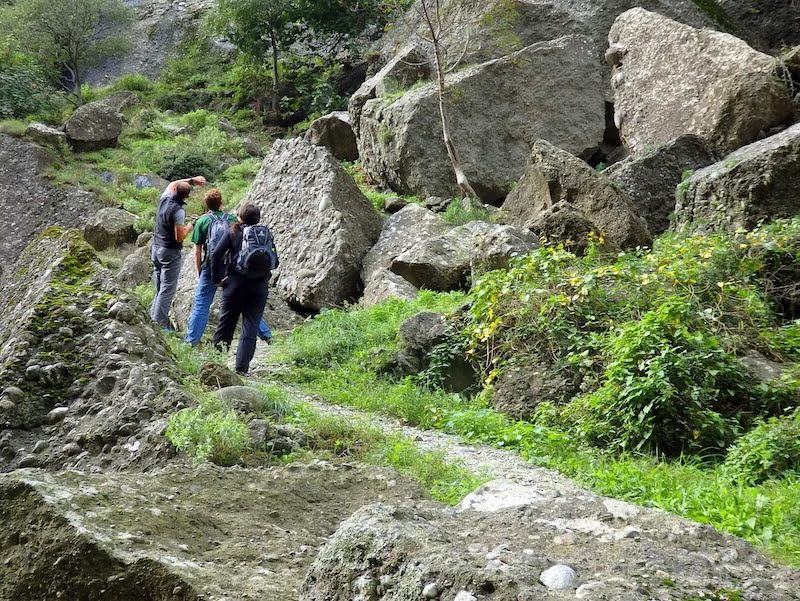
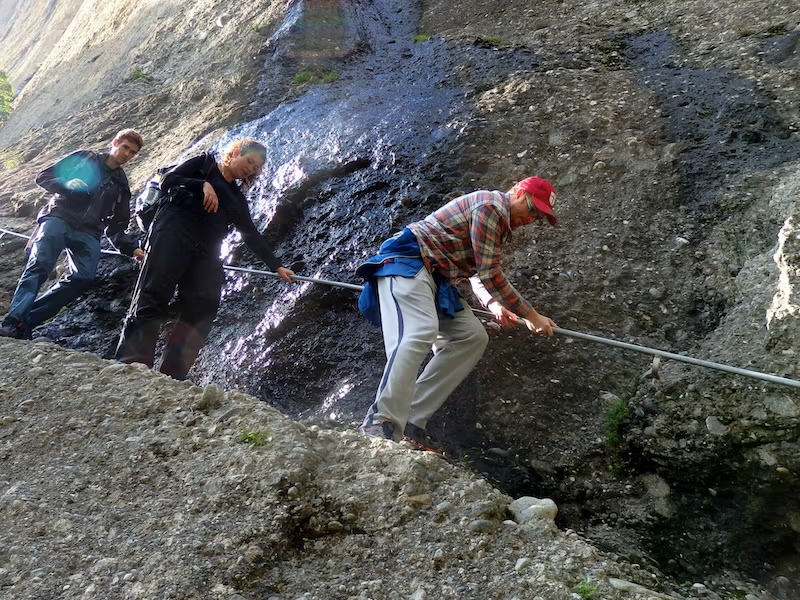
The Meteora Holy Spirit Hiking Tour runs in the afternoon and up to sunset — it heads to the rock pillar of Agio Pnevma and the ancient cave chapel built there by an early hermit of Meteora, traditionally remembered as Varnavas, around the 9th or 10th century. It covers the monks’ cave jail and the St George’s scarves cave. The terrain is a little more challenging in places but manageable for anyone reasonably fit, and the late-afternoon light along this route is a particular draw.
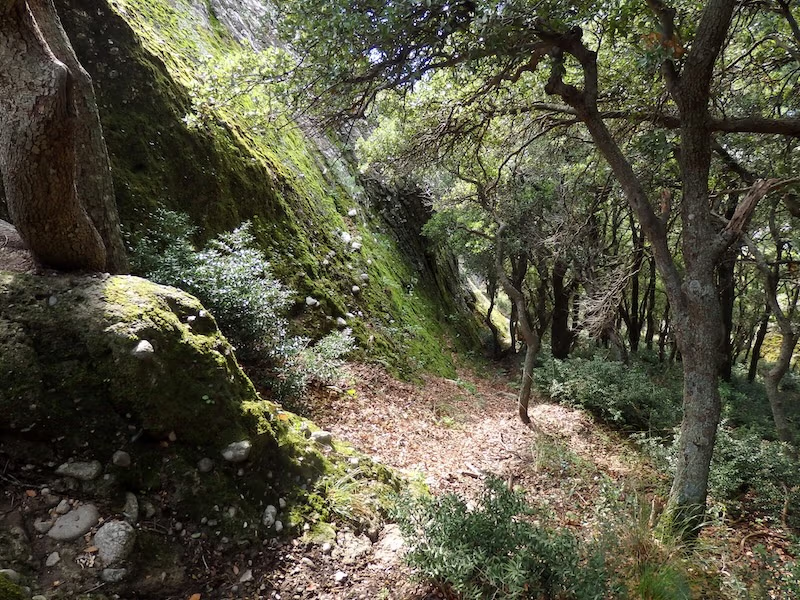
The Meteora Sunset Tour is a gentler guided walk to the key viewpoints at golden hour — less physically demanding than the two hiking tours but still rewarding, and a good option for anyone who wants the storytelling and the views without a full hike, or as a third outing after the other two.
Tours typically run in the €25–€50 range per person for a small-group, half-day experience — pricing varies, so it’s worth checking current rates on the Visit Meteora site or via GetYourGuide before booking. All three can be booked directly through Visit Meteora or through GetYourGuide.
Self-guided hiking is also an option — the trails are generally well-marked and GPS apps work well for most of the route. A local guide adds the folklore, though, and without one, the caves and ruins are just caves and ruins rather than sites with stories attached. Booking at least one guided hike is worth considering for a first visit, with any remaining time left free to explore independently.
Practical Notes Before You Go
A few things worth knowing before you head to the monastery gates.
Entry fees: each of the six active monasteries charges €5 per person, paid in cash at the entrance — separately, for each one you enter. Children under 12 are free. Budget accordingly if you plan to visit several in a day, and make sure you have small notes on you before you set off, since there’s very little around the monastery road itself.
Dress code: strictly enforced at every monastery. Women need a long skirt reaching below the knee and covered shoulders. Men need long trousers and sleeved tops — no shorts, no vests. Most monasteries provide wrap skirts at the entrance free of charge, though I’d suggest tucking a light scarf in your bag rather than relying on the pile at the door, especially in summer when they go quickly.
Opening hours: monasteries generally open around 9am and close mid to late afternoon, but each one closes on a different day of the week and schedules shift between seasons. The timetable changes year to year, so check the current one at visitmeteora.travel before you plan your itinerary — arriving at a monastery on its closed day is a common disappointment and easily avoided.
Why Monasteries Close on Different Days
It isn’t a scheduling accident. Each of the six monasteries is a working religious community with its own rhythm of prayer, maintenance, and rest days, and the closures are staggered so the site as a whole never fully shuts down. As of the current season, Agios Stefanos is the one to watch on Mondays, Grand Meteoron closes on Tuesdays, Roussanou on Wednesdays, Holy Trinity on Thursdays, and both Varlaam and Agios Nikolaos on Fridays — which makes Friday the day with the fewest options open. All six operate on Saturdays and Sundays, which is why weekend visits tend to be the least stressful to plan around, even though they’re also the busiest. If seeing the interiors of Great Meteoron and Varlaam matters most to you, a Wednesday, Saturday, or Sunday gives you both. This pattern can shift without notice around Orthodox feast days, so it’s worth a quick recheck at the entrance noticeboard or with Visit Meteora shortly before you go, rather than relying on any single published list.
How long to stay: two days is the realistic minimum for combining hiking with monastery visits. Three days is the sweet spot. One day genuinely isn’t enough if the hiking matters to you — the trails take time to do properly and the drive between monasteries eats into whatever’s left.
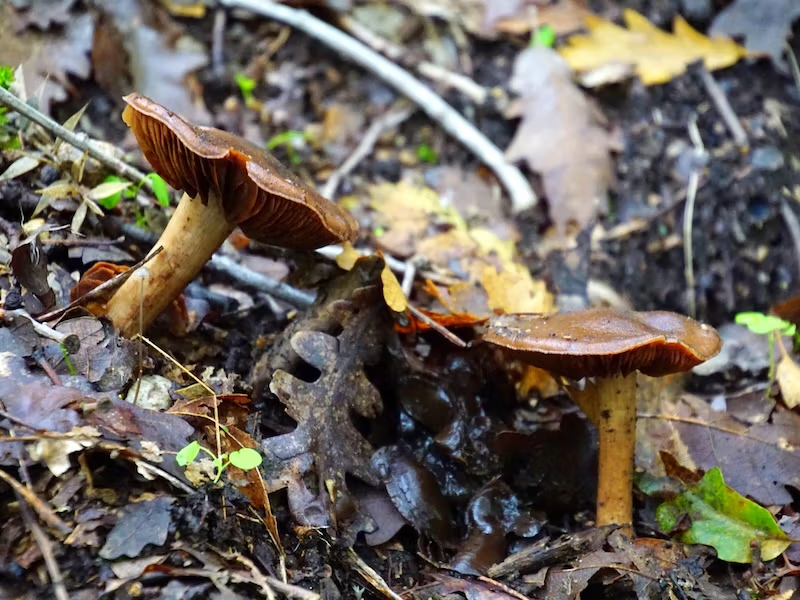
When to Go
Spring (April to May) is a lovely time for hiking in Meteora. The valley is green, wildflowers are out along the paths, and the morning light on the cliffs is particularly good. Ypapanti Monastery opens again in April after its winter closure, which matters for the Rock Forest hike. Pack a light jacket for the occasional May shower — they pass quickly but the rock steps get slippery.
Summer (June to August) is hot. The rock faces hold the heat and shade is scarce on the exposed parts of the trails. If you’re going in summer, start before 8am if possible, carry at least two litres of water, and plan your monastery visits in the morning before the tour coaches arrive. The long days and the evening light at golden hour more than compensate.
Autumn (September to October) is the best season for hiking here. Comfortable temperatures, quieter trails on weekdays, and the quality of light for photography is exceptional. Ypapanti is still open, the monastery crowds have thinned out noticeably, and there’s something in the autumn air in Thessaly that just works.
Winter (November to March) is the quietest and cheapest option. Some monasteries close earlier or shut midweek, trails can be muddy after rain, and most of Kastraki closes up entirely. But there’s a particular stillness to Meteora in winter that makes it worth knowing about — some days you’ll have the trails almost entirely to yourself.
The Scarves of Agios Georgios Mandilas, Explained
The tradition behind the story told earlier in this post — of the Turkish couple, the falling tree, and the woman’s headscarf offered to St George — has a fixed date attached to it: 23 April, St George’s Day, every year. On that day, the young men of Kastraki climb to the cave of Agios Georgios Mandilas to collect the coloured scarves left as offerings the previous year and replace them with new ones. It’s a genuine village ritual rather than a staged event for visitors, which means timing and visibility can vary — if your trip lands anywhere near that date, it’s worth asking a guide whether the climb is happening that week and whether it’s something onlookers can reasonably watch from a distance. Outside of the date itself, the cave and its scarves remain visible year-round on the Holy Spirit hiking route, a quiet marker of a story that’s still actively kept alive rather than one that only exists in old records.
A Few Things I Get Asked
Do I need a guide or can I explore the trails independently?
Self-guiding is entirely possible — the main paths are marked and GPS apps cover most of the trails. But for anyone drawn to the folklore side of Meteora, a local guide is worth booking for at least one hike. These stories don’t come from a signpost.
How many days should I spend in Meteora?
Two is the realistic minimum if hiking matters to you. Three is better — it allows time for both hikes, three or four monasteries, and an evening to simply sit in Kastraki and take the place in. One day is technically possible but genuinely rushed.

What should I wear for the hikes?
Comfortable walking shoes with decent grip — the paths include uneven rock and loose gravel. Layers for the morning when the valley can be cool before the sun hits. A light scarf or wrap for any monastery visits along the route (you’ll almost certainly go inside at least one). Sun protection for anything above the treeline in the afternoon.
Is it worth going in summer?
Yes, but adjust your timing. Start early, carry more water than you think you need, and prioritise morning for both hiking and monastery visits before the heat builds and the tour groups arrive. The summer evenings and sunsets on the rocks are genuinely spectacular.
Can I visit Meteora as a day trip from Athens?
Technically yes, but it isn’t recommended. The journey each way is four to five hours, which leaves very little time on the ground and no time for hiking at all. Even one night in Kastraki changes the experience considerably — it opens up the evening light, the morning calm, and enough time to actually walk the trails. For anyone with only one night to spare, it’s still very much worth it.
Have you hiked in Meteora or uncovered any local legends along the way? Share your stories or hiking tips below.
Wonderful! I am greek so I have been there once when I was little and it is so amazing I still remember it although more than 10 years have already passed! Did you climb on any monastery? nice post!
xx
http://www.livealittle.gr
I’m glad you have good memories of your visit! It’s such a beautiful and fascinating place. I did get to visit the inside of Great Meteoro (the largest of the monasteries), but the others I viewed from the different vantage points.
This is fascinating thank-you. I’m so keen to get to Meteora! I explored some of a rock forest near Cerro de Pasco, Peru. The formations were totally different, but equally alien. I loved it!
Ooo, I’ll have to see if I can make it to Cerro de Pasco. I’m actually heading to Peru in January!
There was a job description recently for a monk hermit to take up a cliff top position in spain somewhere. The living conditions looked pretty good, but the number of tourists tripping round to view it, put me off!
Do come stay in my humble home! UK (South West)
xx Gar
You know, my guide was telling me that there are very few monks living in the monasteries of Meteora these days (some monasteries only have 1 resident monk!), and it’s because of the tourists. The first monks came looking peace and seclusion, and they purposely made it difficult for anyone to reach them, but these days there are countless visitors curious to see what the monasteries are like. How things have changed…
Not quite exactly like this, but when we were in Sapa, we shared and heard so many stories from our local guide. They were more stories of the region, her life and those of her family, but it was a fascinating experience nonetheless. This sounds like such a neat trip.
This is pretty fascinating! Love local myths and tales from places, though the story about the squatters being there for 89 years after — that’s wild. Seems like that stole themselves a pretty picturesque place! Love this post Audrey, the local stories mixed in with Meteora is really awesome!
Fun! I visited all the operating ones during my visit, but none of the ruined ones. Something for next time I guess!