
Looking for things to do in Nikko, Japan? Here’s the perfect long weekend itinerary featuring temples, shrines and plenty of nature.
After a month in Tokyo, Nikko was everything we were hoping for!
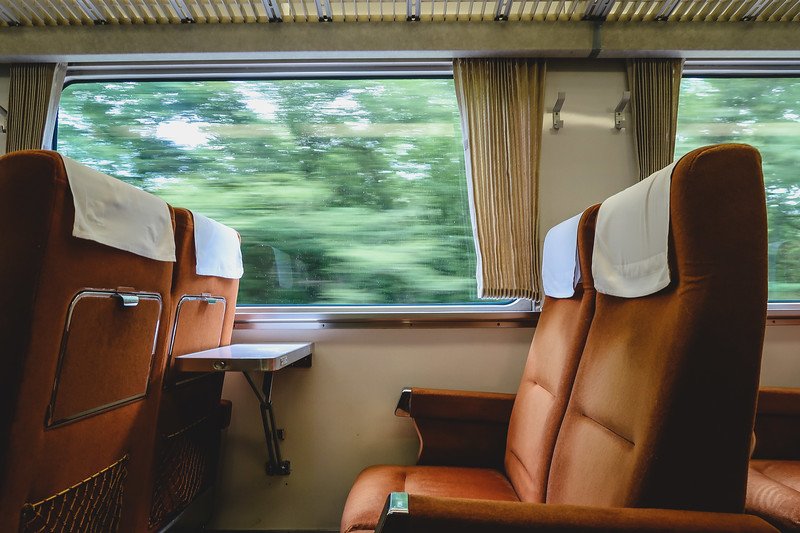
We knew we were in for a treat on the train ride over once we started seeing forests and mountains all around us, and the town did not disappoint. Located just a couple of hours north of Tokyo, Nikko was the breath of fresh air we were looking for.
During our visit, we hiked through shrines and temples, cruised on a beautiful lake at the base of a volcano, sampled some local dishes featuring tofu skin, and basically had the perfect weekend break.
Looking back on our trip to Japan, the destinations we most enjoyed were the ones where we were surrounded by nature, and Nikko was right up there.
So today I’m going to share some travel tips, foods to try, unique accommodations and things to do in Nikko on your visit.
Getting to Nikko & Travel Tips
If you’re looking to make the most of your trip to Nikko, the Nikko Pass is worth considering.
This is a 4-day pass that includes transportation to and from Nikko, access to local buses once you arrive in Nikko, free admission to select tours and attractions, plus discounts at a few tourist sites, restaurants, and souvenir shops.
It’s worth noting that the free transportation included in this pass is with Tobu Railways on the express and local trains from Asakusa Station to Nikko. These are slower trains that involve connections along the way.
If you want to travel on the limited express trains which are direct and much faster, you can use your pass to upgrade your ticket, which is what we did.
We got the Nikko All Area Pass, which is valid for 4 days, however, if you’re short on time, there’s also the Nikko World Heritage Area Pass which is valid for 2 days and covers a smaller area.
If you’re only visiting Nikko for the day, you can book this Nikko Full-Day Private Tour which you can customize to include 3-4 attractions. You meet your guide at Nikko Station and head out together from there.
Nikko Travel Guide: What to Do, See, Eat, Drink & Experience in Nikko, Japan (Weekend Trip Ideas)
Now that you know how to get there, let’s move on to the fun stuff: sightseeing, restaurants and fun things to do in Nikko!
Our itinerary included a mix of culture, food and nature. Here’s a list of 10 things we did in Nikko that we’d recommend to visitors:
1) Walk across the Shinkyo Bridge
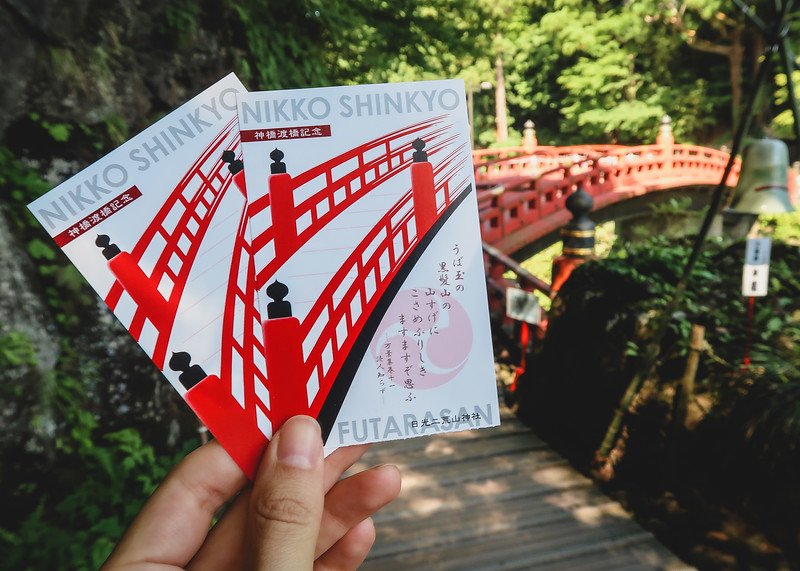
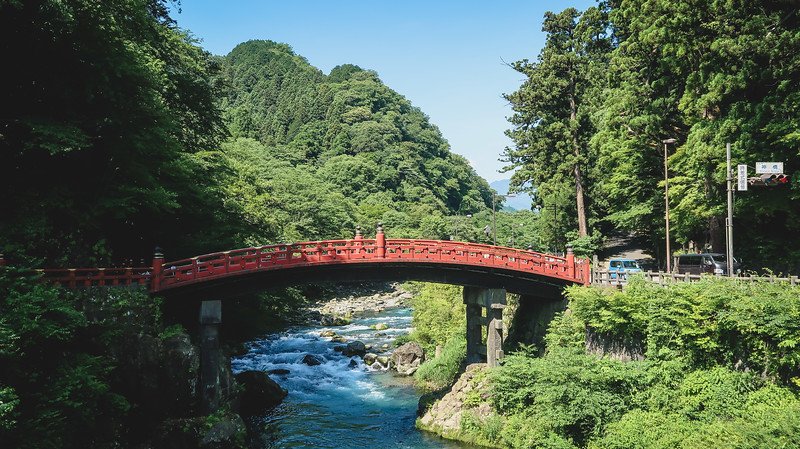
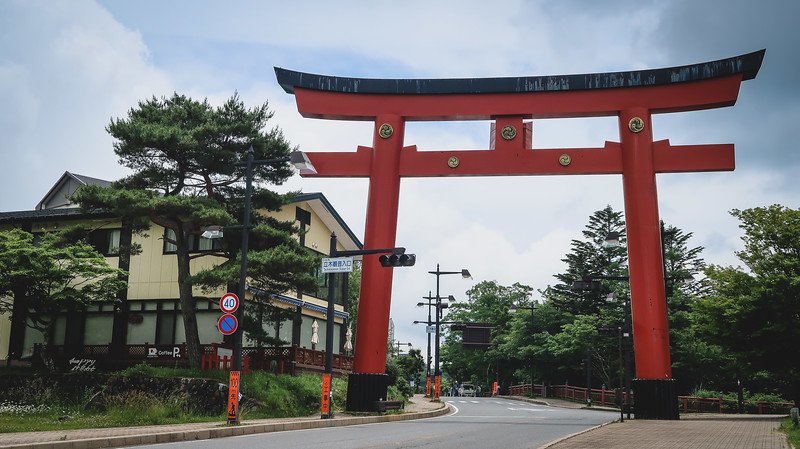
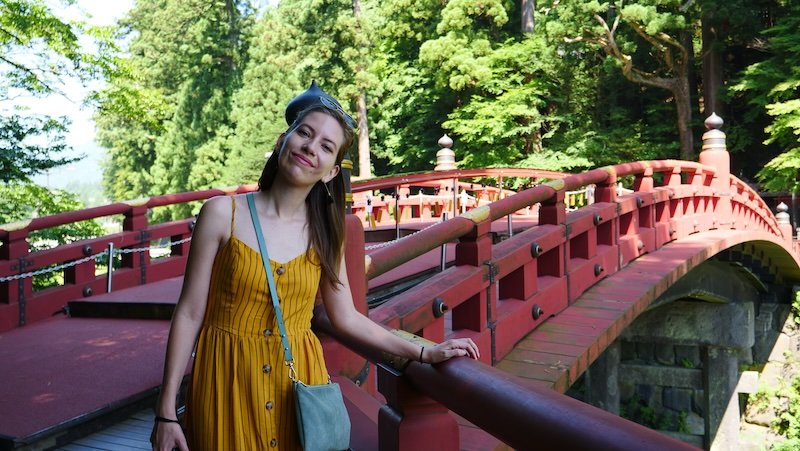
Our first stop in Nikko was the Shinkyo Bridge, a red-lacquered bridge that crosses the Daiya River.
The story goes that when the high priest Shodo first arrived here with his disciples in the year 767, he was met with a heavy current that made crossing impossible.
Shodo prayed and then two snakes appeared, intertwined themselves, and created this bridge to allow safe passage to the mountains of Nikko.
Admission:¥300
2) Visit the Toshogu Shrine
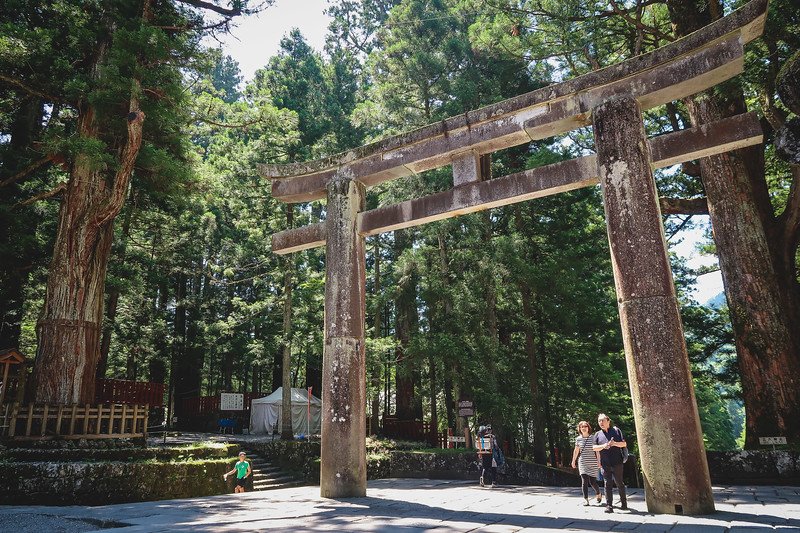
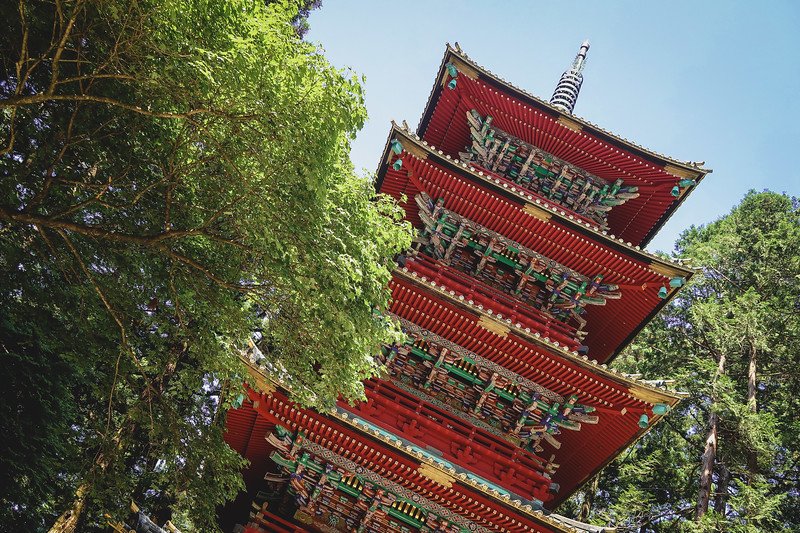
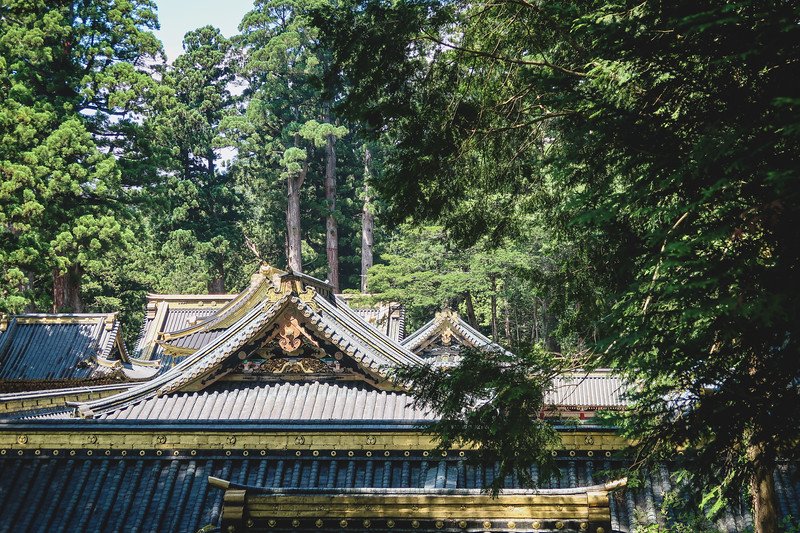
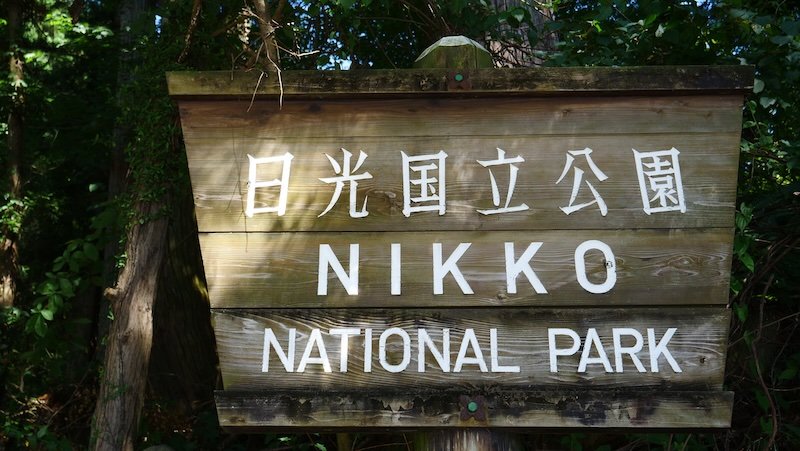
Just across the Shinkyo Bridge, we followed the steps up through the forest to the UNESCO World Heritage Site Shrines and Temples of Nikko.
The Shrines and Temples of Nikko form a single complex composed of 103 religious buildings! These are located within two Shinto shrines and one Buddhist temple.
Clearly, it would be impossible to cover them all in one visit, so we decided to focus on the most visited of these: the Toshogu Shrine.
This particular shrine was built for Ieyasu, or Tōshō Daigongen, who was the founder of the Tokugawa shogunate also called the Edo Period (1603-1868). This was the third and last of the shogunal governments in Japanese history.
There’s a lot to see and the path will naturally lead you up the mountain and through the forest, so plan to spend a couple of hours here.
Admission:¥1300
3) Eat Street Food in Nikko
There are a few traditional street food snacks that are popular in Nikko, so we stopped to sample those.
The area around the train station has several shops where you can both pick up box sets to take home or stop to sample these local treats.
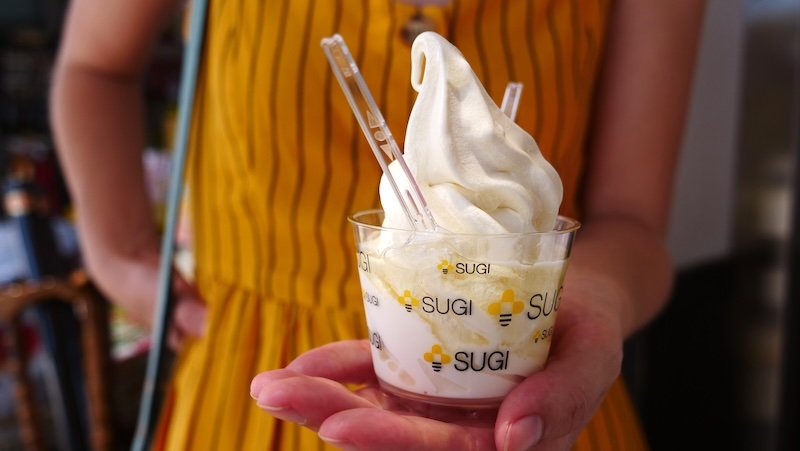
Some of the things we tried include:
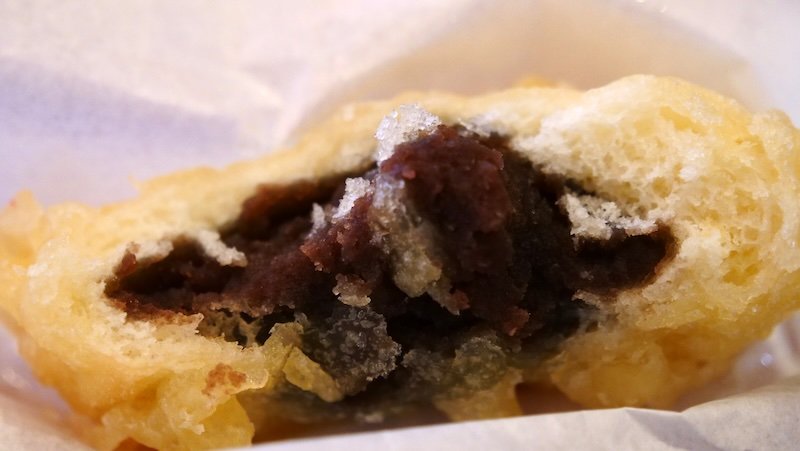
- Yuba Manju: sweet and salty tofu skin dumpling stuffed with red beans
- Sweet Potato Cake: steamed dumplings stuffed with yellow sweet potato
- Ice Cream with Japanese Lemon: soft-serve vanilla ice cream with a lemon glaze
Cost: ¥200-350
4) Ride the Akechidaira Ropeway
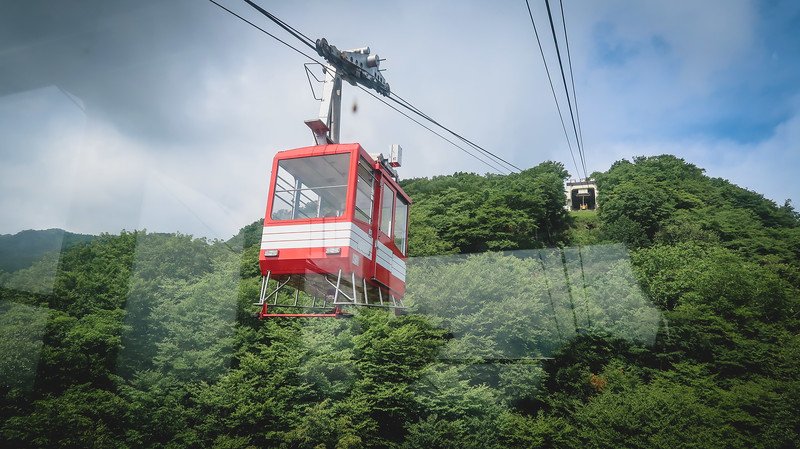
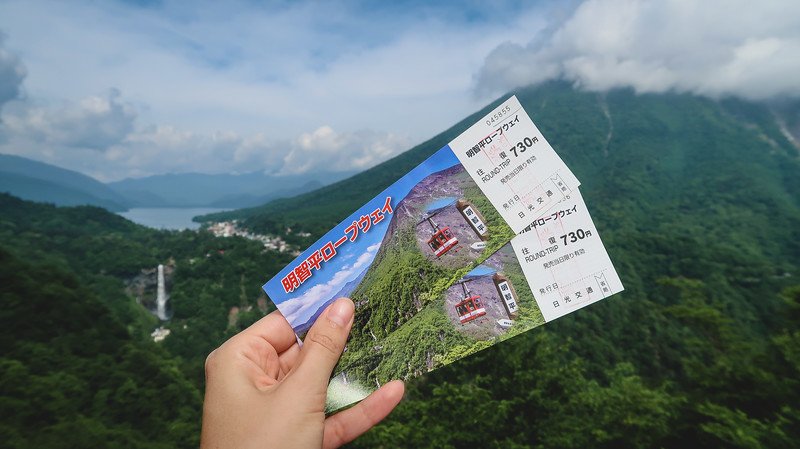
One of the most unexpected things to do in Nikko was riding the Akechidaira Ropeway.
We didn’t know about this place and just happened to see it on the map when we were already riding the bus on our way to the lake.
We decided to get off on a whim and that turned out to be a great decision!
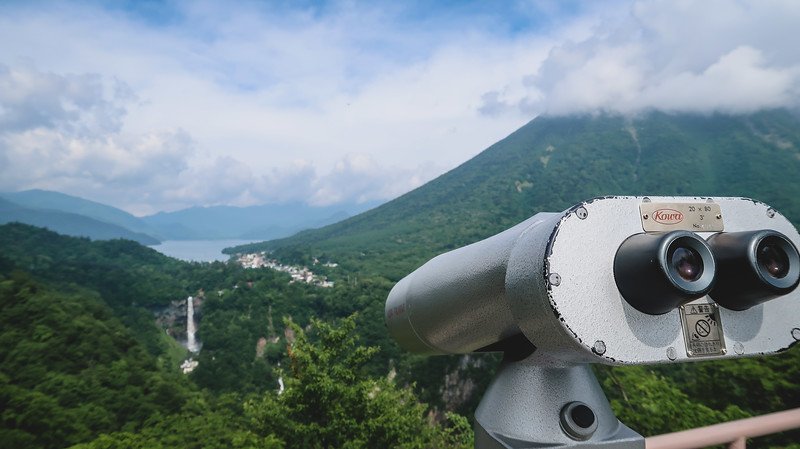
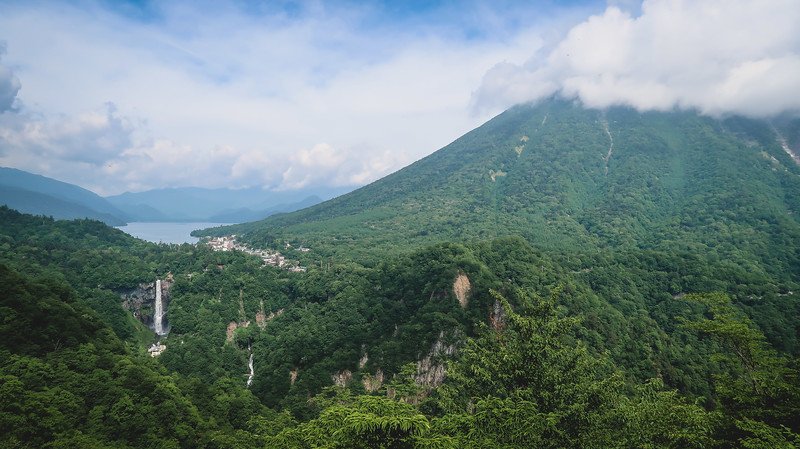
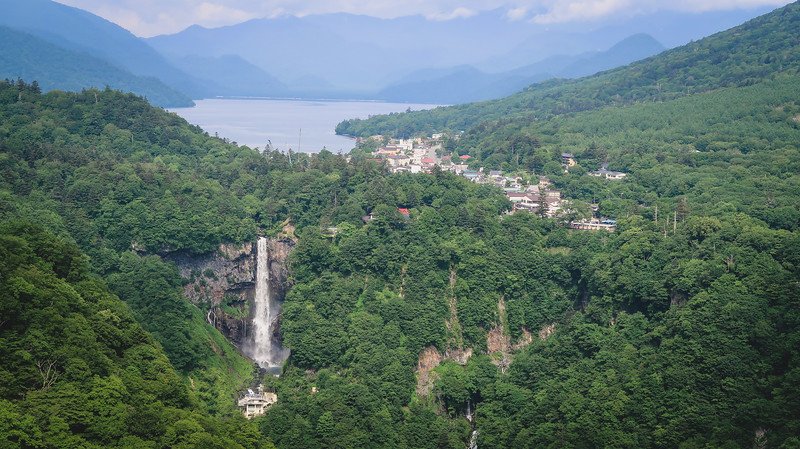
The Akechidaira Ropeway is a short ride – it’s only 3-minutes to the observation platform, but the views are well worth it.
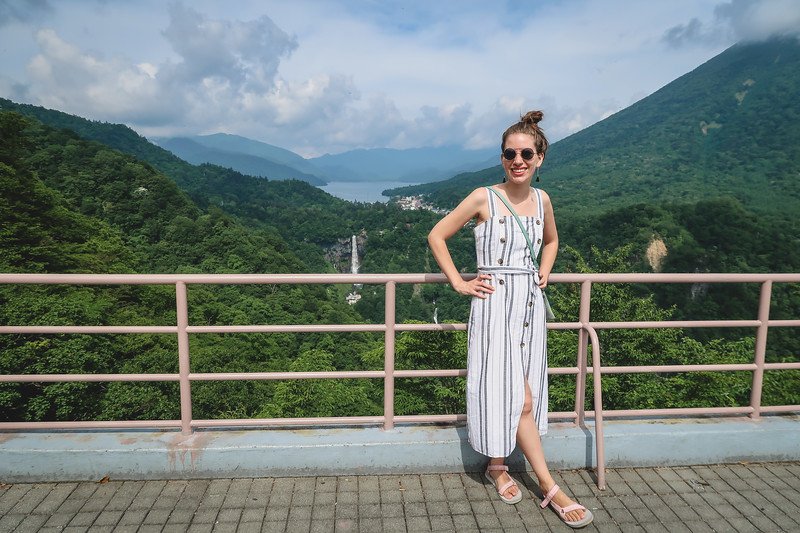
Once we reached the top, we were treated to panoramic vistas of Lake Chuzenji, Kegon Waterfall, and lush green mountains all around.
If you want to properly earn these views, there’s a 2-hour hiking trail that starts at the lake and brings you to this very same spot. Your pick!
5) Visit the Kegon Falls
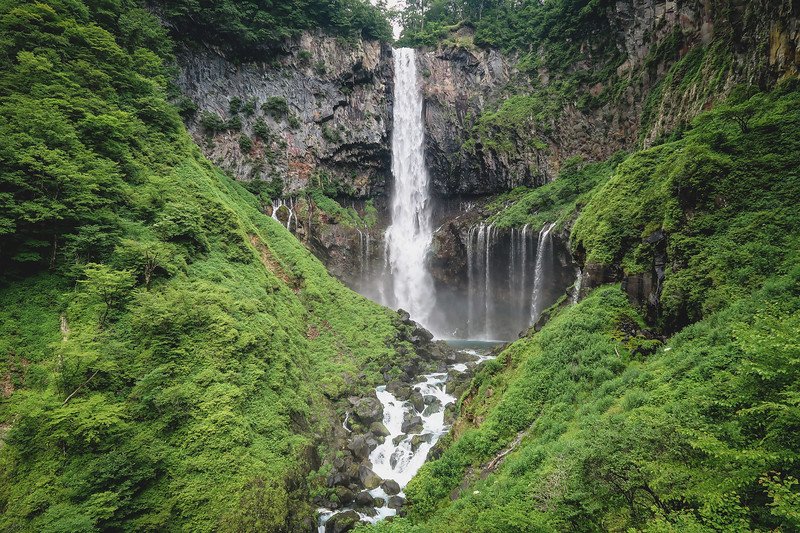
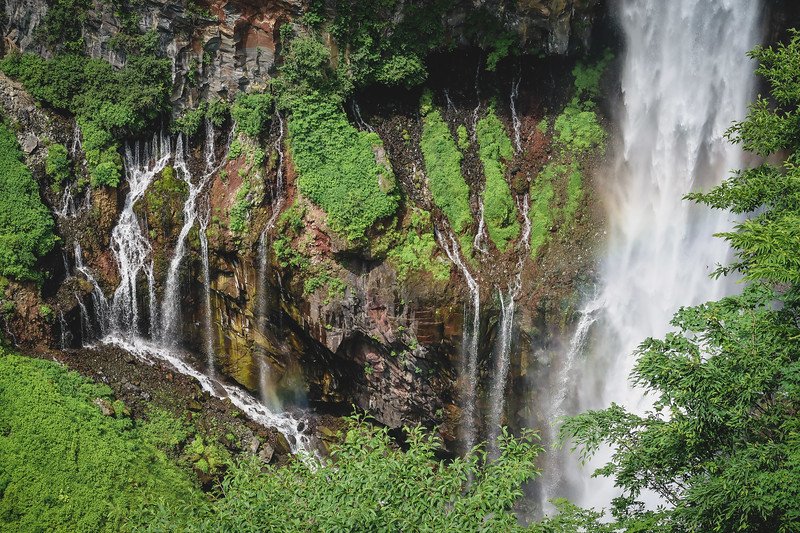
After riding the ropeway, we got back on the bus and continued to Kegon Falls, which is one of the top attractions in Nikko.
The Kegon waterfall stands almost 100 meters tall and the water that feeds it comes directly from Lake Chuzenji.
These falls were formed when the Daiya River was rerouted by lava flows and they are truly majestic.
In fact, they are considered to be one of the most beautiful waterfalls in Japan.
There are two viewing decks: a free one and a paid one at the base of the waterfall, which is accessed by an elevator that brings you down 100 meters. We did both.
Admission: Free or ¥550 for the elevator
6) Sample local dishes made with Yuba
As you can imagine, we were feeling pretty hungry after all that sightseeing, so we decided to find a restaurant serving up the local specialty: yuba!
Yuba is a food product made from soybeans. During the boiling of soy milk, a skin forms on the surface, which is then scooped out and dried into sheets known as tofu skin.
Yuba is eaten all over Nikko and makes appearances in both sweet and savoury dishes, so we wanted to try it.
We found a restaurant called 観光食堂 that we really enjoyed (it didn’t have an English name, but this will get you to the right place if you paste it on GoogleMaps).
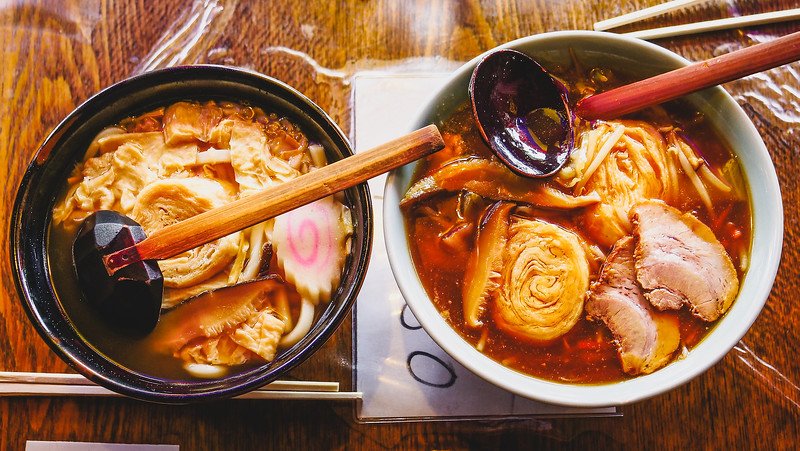
The restaurant was run by an older husband and wife duo, who worked their magic in the kitchen and presented us with some of the tastiest noodle bowls we enjoyed during all of our travels in Japan.
I ordered the ramen with yuba and Sam got the udon with yuba. The tofu skin was fluffy and absorbed all the flavours of the miso. It was delicious!
Cost: ¥900-1100
7) Go on a boat tour of Lake Chuzenji
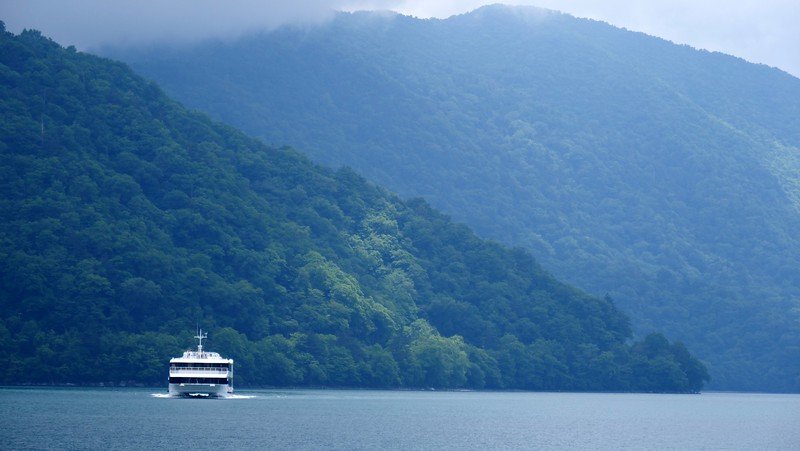
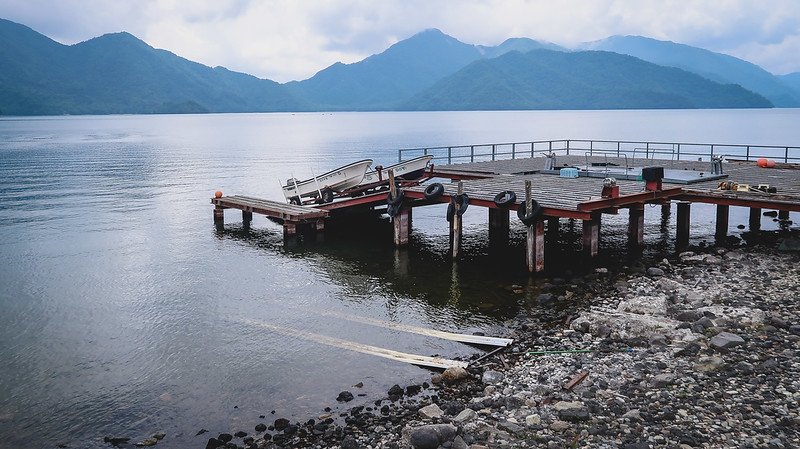
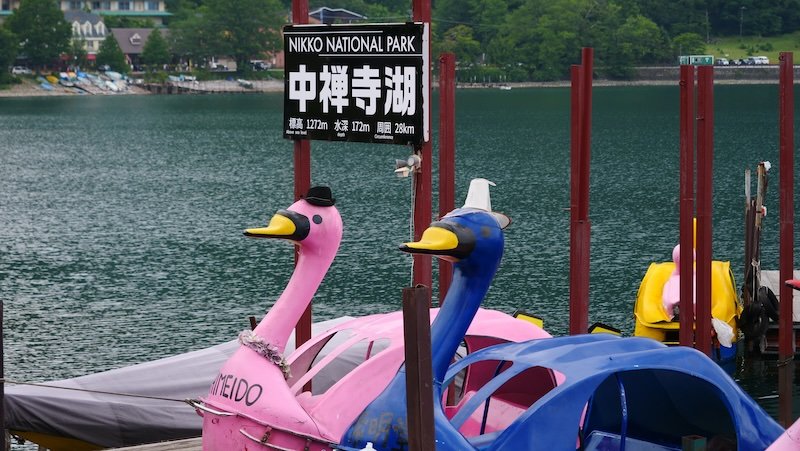
After lunch, we walked down the shores of Lake Chuzenji. This lake is located at the foot of Mount Nantai, a sacred volcano that up until 1872 it was off-limits to cows, horses, and even women!
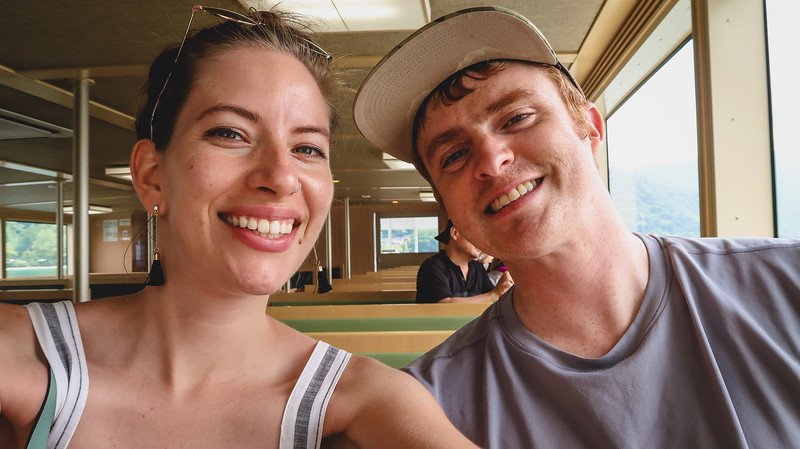
The boat tour was one of the activities that were included in our Nikko Pass, so we decided to do it. It was a very enjoyable trip aboard a double-decker boat, and we got some beautiful views of the surrounding hills and forest.
Since the boat makes a couple of stops along the way, we decided to get off at Shobugahama, where we were able to hop on a bus again and continue onwards to Yumoto Onsen.
Cost: Free or ¥1250 without the Nikko pass
8) Try the foot bath in Yumoto Onsen
Our next destination was Yumoto Onsen, a small hot springs town located in part of Nikko National Park.
Yumoto means ‘origin of hot water’ and it sits next to Lake Yunoko which means ‘hot water lake’. Names are quite literal around these parts!
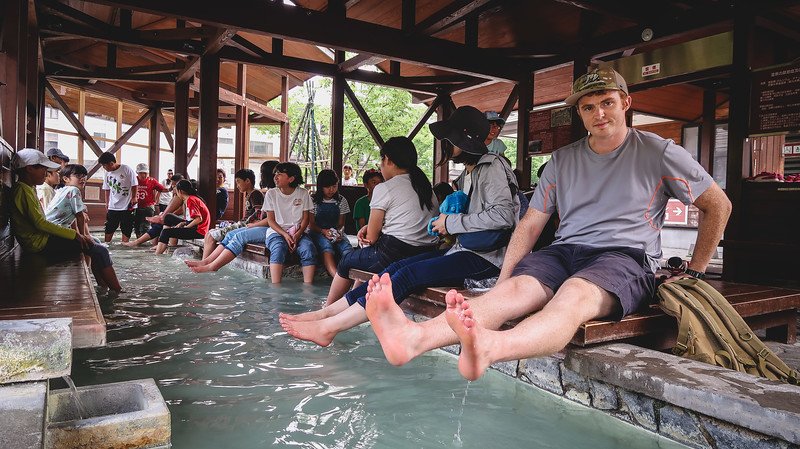
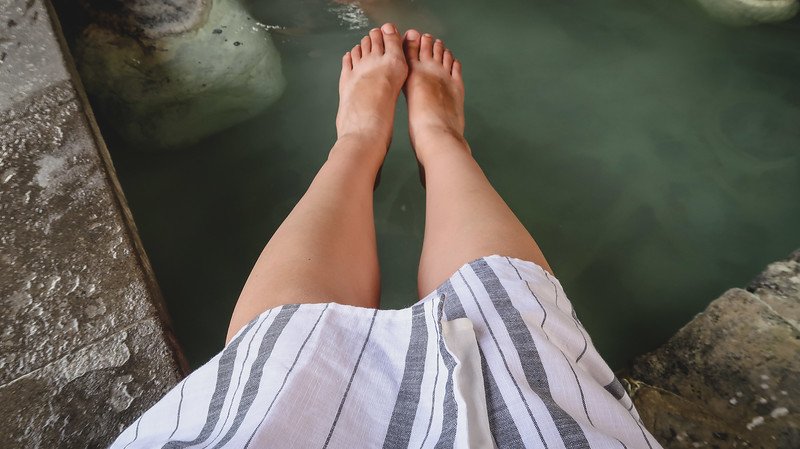
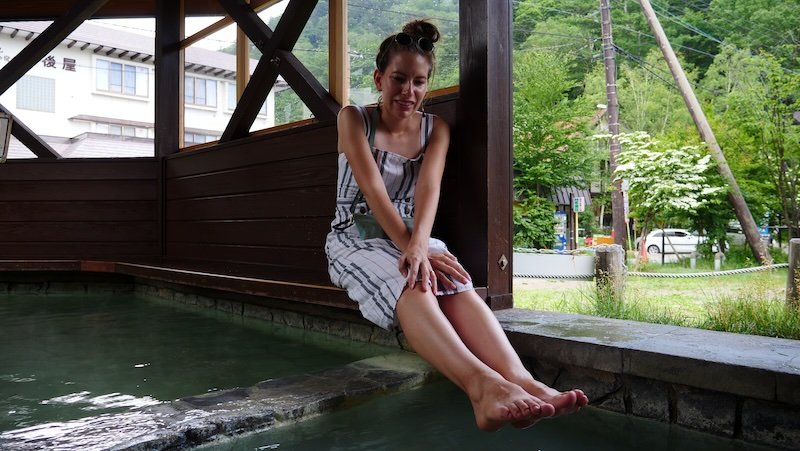
Since the hot springs are the main draw to this town, we decided to check out the foot bath, which is free. We asked for directions at the information office and then made our way on foot.
Well, whoa-ho-hoooo, get ready for your toes to cook!
It was piping hot in there. I could only dip my feet in the water for a few seconds at a time and even that had me sweating.
Is it any surprise that I decided I needed ice cream to cool down after that?
Admission: Free
9) Ice Cream at Sanbonmatsu
We hopped on the bus again, this time ready to start making our way back to Nikko, but made a quick pit stop at Sanbonmatsu.
This is essentially a parking lot, but it has restaurants, souvenir shops, access to the marshland hiking trails, and most importantly, ice cream!
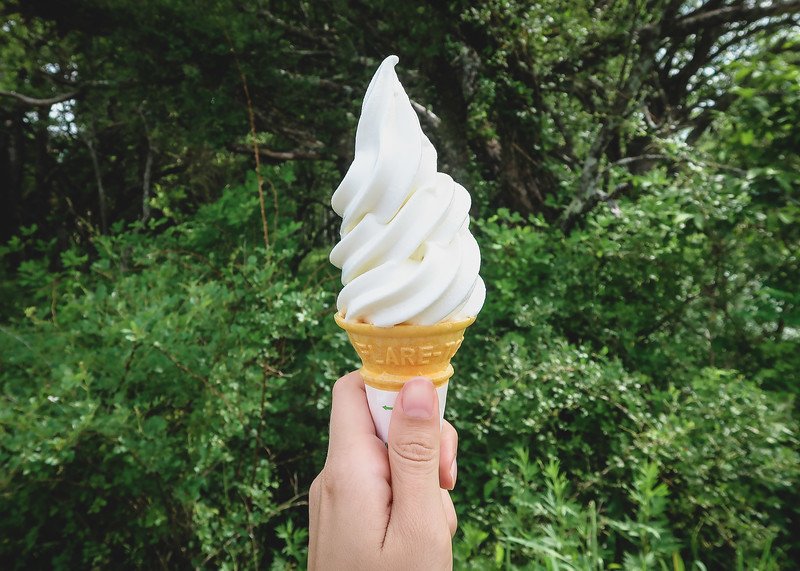
The ice creams at this stop were made with fresh milk from Swiss cows that live at a nearby farm (this farm is a place we drove past but didn’t have enough time to visit). Even though it was soft-serve ice cream, it had a creamier quality and it was exactly what I needed.
10) Walk along Senjogahara Moor
Now for the final activity on this Nikko travel itinerary!
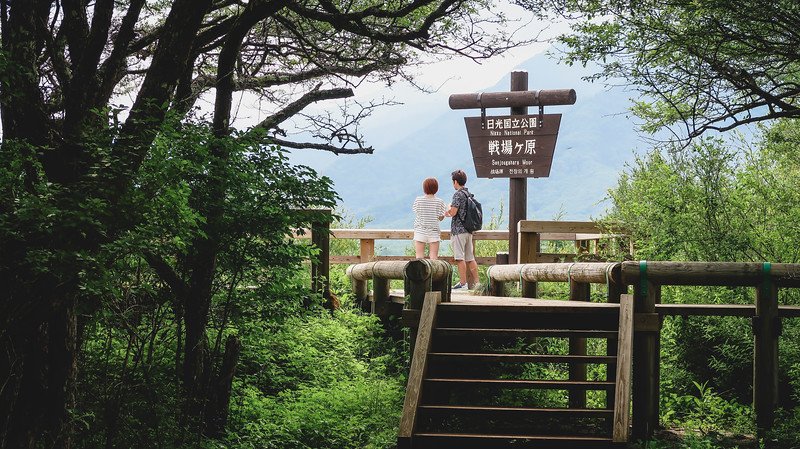
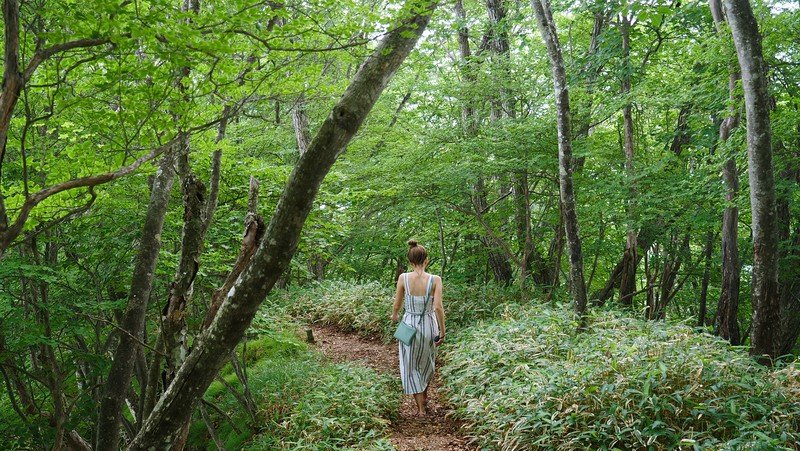
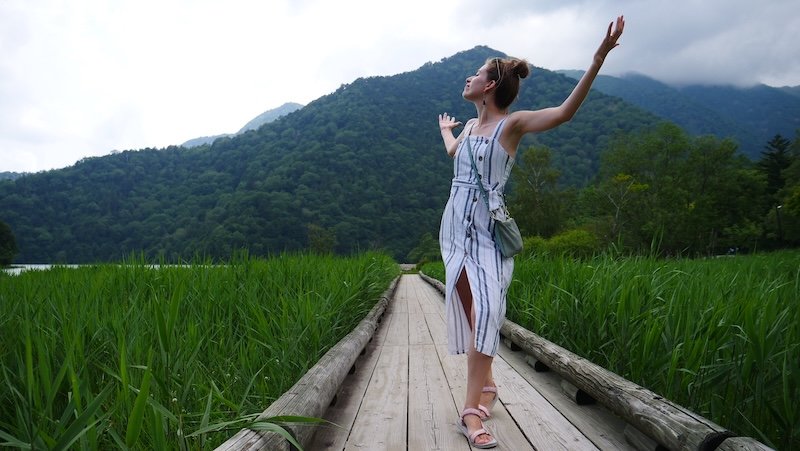
Simply being out in nature was one of our favourite things to do in Nikko, and we especially enjoyed Senjogahara Moor.
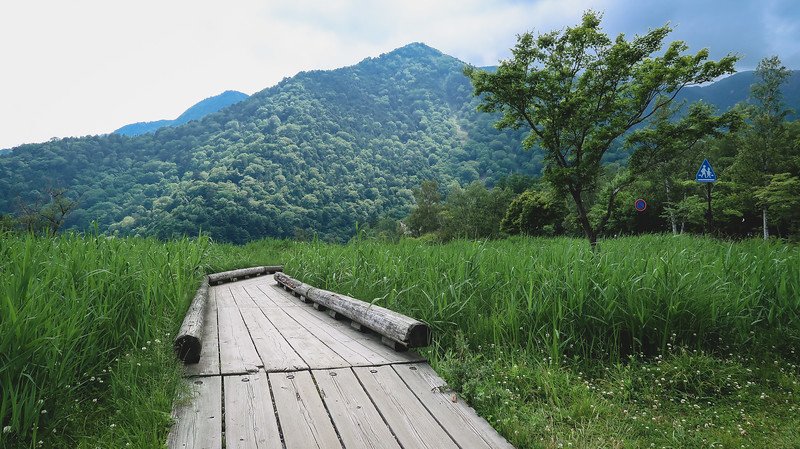
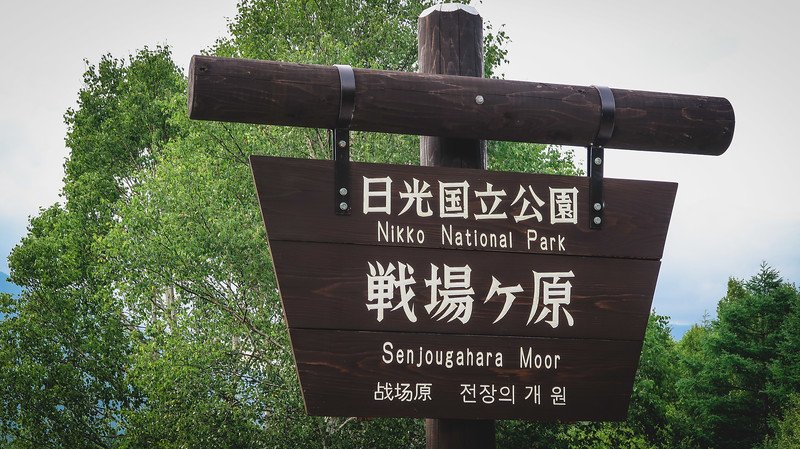
The Senjogahara Marshland covers the area between Lake Chuzenji and Yumoto Onsen and it offers some great hiking opportunities within Nikko National Park.
We only covered a small portion of it, but the Senjogahara Plateau Nature Trail which follows the Yukawa River can be completed in two-and-a-half to three hours.
Where to stay in Nikko
When it comes to choosing accommodations in Nikko, most visitors generally stay in a ryokan. This is a traditional type of accommodation in Japan that features rooms with tatami floors, communal baths, and public areas where you can wear yukatas.
A ryokan generally provides breakfast and dinner, with a focus on traditional Japanese cuisine showcasing seasonal ingredients and regional specialties.
They are also typically located in scenic areas close to nature, so it’s easy to see why Nikko has plenty of these.
Most of Nikko’s ryokans are a few kilometres outside of the town and require some form of transportation (either a rental car or a hotel pick-up), however, there is a small selection of centrally located ryokans which I’ve listed below.
Just be sure to look these up on a map, to make sure you’re happy with their location:
- Nikko Senhime Monogatari – property overlooking the Daiya River and onsen with great views (see reviews)
- Okunoin Hotel Tokugawa – secluded property on the banks of the Tamozawa River with lush scenery and an open-air spa room (see reviews)
- Nikko Hoshino Yado – centrally located ryokan close to the Shinkyo Bridge and the shrines and temples of Nikko (see reviews)
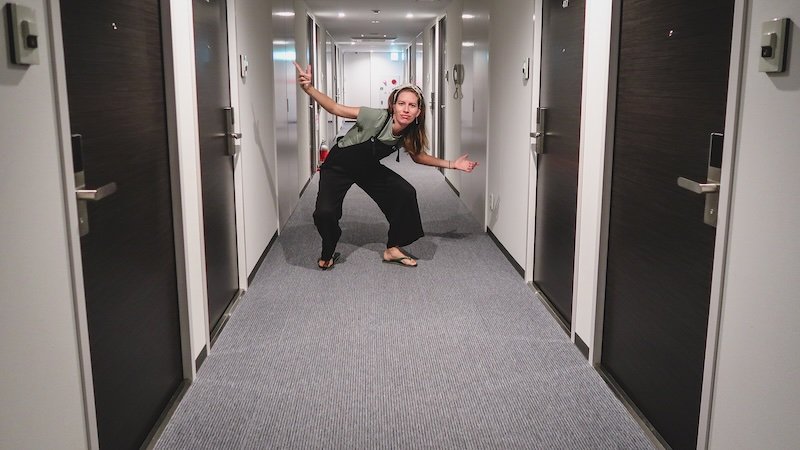
Since we were in Nikko for a few nights, we personally opted for something a bit more budget-friendly and booked a hotel instead of a ryokan. We stayed at Nikko Station Hotel II, which to be honest, suited us perfectly! You can read their reviews here.
For starters, the hotel was located just across the Tobu-Nikko Train Station, which is also where the bus terminal is located. This meant that we just had to walk down the street, and we could hop on a bus right away and go sightseeing.
Like in most of Japan, the rooms were compact, but they were bright, offered mountain-facing views, and served up a free breakfast.
Final thoughts on our trip to Nikko
Four days in Nikko was the perfect weekend escape from Tokyo, but I definitely felt like we barely scratched the surface.
If I lived in Tokyo, I could easily see myself coming up to Nikko for follow-up visits to enjoy the landscapes during the different seasons. We travelled in summer, but autumn in Nikko is meant to be beautiful!
While we made the most of our 4 days in town, here are some ideas of other things to do in Nikko if you have more time:
- Explore the other temples and shrines
- Enjoy a scenic walk along Lake Yunoko
- Visit Yutaki Falls
- Hike the Senjogahara Moor Trail
- Go up to the Kirifuri Highlands and Kisugedaira Plateau
- Tour the Ozasa Farm
- Enjoy the different onsen available throughout the valley
If you need any more sightseeing ideas for Nikko, just pick up one of the brochures from the train station or walk into the tourist information centre – they are super helpful in there and speak English fluently.
Read more about Japan:
- Things to do in Yuzawa, Niigata Prefecture
- Visiting the Kiyotsu Gorge Tunnel Of Light
- Noboribetsu: Visiting Hokkaido’s Onsen Town
- Taking the Alpine Route Across the Roof of Japan
- Top Things to Do in Takayama on Your Visit
- Shirakawa-go: The Most Beautiful Village In Japan
- Visiting Kamakura on a Day Trip
- Nara: 1-Day Travel Itinerary Highlights
Nikko Trip Planner: Seasonal Guide, Itineraries and Practical Tips
Everything you need to plan well — from the best time of year to visit and suggested itineraries to transport passes, budget, food and what to pack.
When to Visit Nikko
Nikko is a four-season destination, but the mood shifts considerably. Pick your vibe:
Spring (March–May)
- Cherry blossoms arrive later than Tokyo thanks to the elevation — think mid to late April in town and early May higher up around Lake Chuzenji.
- Rivers run lively from snowmelt and the forest smells like new growth.
- Layers are essential: a light puffer in the morning, a tee by lunch, scarf again after sunset.
Summer (June–August)
- Forest trails are lush and cool, even when Tokyo is melting — this is when we visited and it was perfect.
- Expect brief showers (bring a pocket rain shell) and mosquitoes on marsh walks — repellent helps.
- Water activities shine: Lake Chuzenji boat trips, the Akechidaira Ropeway and that very hot foot bath at Yumoto Onsen.
Autumn (September–November)
- Welcome to koyo (autumn leaves) paradise — crimson maples at the temples, golden larches on the moors.
- Peak foliage shifts each year but generally:
- Highlands (Senjogahara/Yumoto): mid to late October
- Town and World Heritage area: late October to early November
- Book accommodation early — this is Nikko’s busiest season.
Winter (December–February)
- Quiet shrines, powder-dusted cedar avenues and piping hot onsen.
- Some attractions operate shorter hours; roads to higher viewpoints can be slick or closed after snow.
- Pack real winter gear: insulated boots, gloves and a beanie.
Suggested Nikko Itineraries
One Full Day (World Heritage Focus)
- Morning: Shinkyo Bridge photo stop → Toshogu Shrine (take your time with the carvings) → Rinno-ji and Futarasan Shrine stroll.
- Lunch: Yuba ramen or udon near the shrine approach.
- Afternoon: Bus to Kegon Falls (free upper deck and elevator deck).
- Golden hour: Akechidaira Ropeway for the Lake Chuzenji and Falls panorama.
- Evening: Back to town for yuba manju and your train to Tokyo.
Two Days (Nature and Culture)
- Day 1: World Heritage complex at an easy pace → street-food crawl → sunset at Shinkyo Bridge.
- Day 2: Bus up Irohazaka → Akechidaira Ropeway → Kegon Falls → Lake Chuzenji boat to Shobugahama → bus to Yumoto Onsen foot bath → stroll by Lake Yunoko → ice cream at Sanbonmatsu → back to town.
Three to Four Days (Slow Nikko)
- Day 1: Temples and shrines plus Mizunomi-zaka slope walk under cedars.
- Day 2: Akechidaira → Kegon → Lake Chuzenji circuit → lakeside lunch.
- Day 3: Senjogahara Moor boardwalk (2.5–3 hours) → Yutaki Falls → day-use onsen soak.
- Day 4: Choose your own: Kirifuri Highlands viewpoint, Kanaya Hotel History House or a lazy brunch before souvenir shopping.
Getting Around Nikko: Passes and Transport
Here’s how the popular passes stack up against pay-as-you-go:
| Feature | Nikko All Area Pass (4 days) | Nikko World Heritage Pass (2 days) | Pay As You Go |
|---|---|---|---|
| Round-trip from Tokyo (Asakusa → Nikko via Tobu) | ✅ Included (local/express). Limited Express requires a small upgrade fee | ✅ Included (local/express). Limited Express upgrade available | You buy individual tickets |
| Local buses | ✅ Unlimited on wider network (incl. Lake Chuzenji/Yumoto area) | ✅ Unlimited in World Heritage zone | Tap IC card/cash each ride |
| Extra perks | Discounts on select sites/shops | Discounts near World Heritage sites | None |
| Best for | 3–4 days with lakes/onsen/ropeway | 1–2 days focusing on shrines/temples | Ultra-flexible, very short stays |
Budget Guide
- Transport: Pass amortised ~¥1,500–2,500/day depending on choice and days used
- Sightseeing: ¥0–1,500 (Kegon elevator, ropeway, occasional museum)
- Meals: ¥1,000–3,000 (street snacks and ramen to a sit-down set)
- Coffee, ice cream and treats: ¥400–800
- Onsen/day bath: ¥600–1,200
A comfortable daily range: ¥4,500–7,500, not counting accommodation.
More to Eat in Nikko
We adored yuba, but there’s more worth seeking out:
- Yuba don and teishoku: Tofu skin over rice with seasonal sides — gentle, cosy and very Nikko.
- Soba and udon: Buckwheat noodles in mountain broth hit differently after a forest walk.
- Yuba croquettes: Crispy outside, creamy tofu-skin within.
- Manju and momiji sweets: Red bean–filled buns and maple-leaf-shaped cakes for tea time.
- Soft-serve at Sanbonmatsu: Fresh-milk ice cream from the Swiss cow farm nearby — creamy and not too sweet.
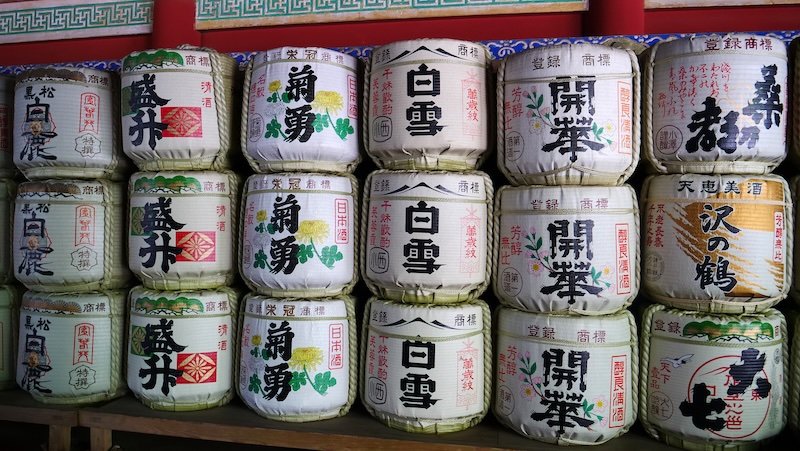
- Local drinks: Try a craft beer or sake sampler with dinner — a well-earned post-hike reward.
Onsen Etiquette
- Rinse first: Full body wash at the shower station; hair tied up if long.
- No swimsuits: Birthday suit is the rule. Small towel stays out of the water.
- Quiet comfort: Voices low; phones away.
- Rinse after? Optional. If you love the minerals, just towel off.
- Tattoos: Still mixed. Many day-baths are relaxed, but check signs; a small cover is often accepted if requested.
Where to Sleep in Nikko
| Stay Type | What It’s Like | Pros | Considerations | Who Will Love It |
|---|---|---|---|---|
| Ryokan (traditional inn) | Tatami rooms, yukata robes, multi-course dinners, onsen | Cultural immersion, scenic settings | Often outside town; set mealtimes | Couples, culture seekers, special occasions |
| Hotel (town centre) | Compact Western rooms, buffet breakfast, steps from bus/train | Convenience, value, mountain views | Smaller rooms, simpler vibe | DIY explorers, short stays |
| Guesthouse/Hostel | Social lounges, kitchens, shared baths | Budget-friendly, traveller tips | Less privacy, limited amenities | Solo travellers, long stays, backpackers |
Location tip: If you have a full itinerary, staying near Tobu-Nikko Station is gold — you’ll never miss a bus.
Where to Stay: Three Picks
The core article covers ryokan options in detail. Here are three specific properties with context on why each one suits a different kind of stay:
- Nikko Kanaya Hotel — the most historically significant property in Nikko; a Western-style hotel opened in 1873 and situated directly adjacent to Shinkyo Bridge. This is where foreign dignitaries and early Meiji-era travellers stayed, and it retains that atmosphere. Not a ryokan — think elegant wooden rooms, Western dining and forest gardens rather than tatami and multi-course kaiseki. Worth knowing about if you want historic character without the ryokan format.
- Nikko Senhime Monogatari — a centrally located ryokan overlooking the Daiya River with onsen facilities and traditional Japanese service. A good pick if you want the full ryokan experience without needing a car or taxi to get there.
- Okunoin Hotel Tokugawa — a secluded ryokan on the banks of the Tamozawa River with lush scenery and an open-air spa room. The more remote option for anyone who wants total forest immersion and doesn’t mind the short transfer from town.
Tours Worth Booking Through Stay22
Nikko is easy to explore independently with the right pass, but a few experiences benefit from a guide. All bookable through Stay22:
- Toshogu Shrine and UNESCO complex guided walk — a local guide who can explain the significance of each gate, pagoda and panel dramatically changes how you experience Toshogu. The Three Wise Monkeys carving alone has a surprising amount of context most visitors walk past entirely.
- Kegon Falls and Lake Chuzenji guided tour — combines the ropeway, falls and lake circuit with transport and a guide who knows the geological history of the lake (formed by a volcanic lava flow) and the best vantage points for photos.
- Nikko yuba cooking class — a hands-on session learning to prepare tofu skin in traditional Nikko-style dishes. A good half-day addition if you’re staying two or more nights and want something beyond sightseeing.
- Full-day Nikko culture and nature tour from Tokyo — for day-trippers who want the shrines, the falls and a nature walk without managing buses independently. Guided return from Tokyo with a curated route; worth it specifically on busy autumn weekends when buses fill and timing matters.
What to Pack
Always:
- Comfortable walking shoes with tread
- Light rain shell
- Reusable water bottle
- Small daypack
- Portable charger
- Sunscreen, hat and bug repellent (for marshlands in warm months)
Spring and Autumn add-ons:
- Warm midlayer (fleece or down)
- Scarf and hat for chilly mornings
- Compact umbrella (showers are frequent but brief)
Summer add-ons:
- Breathable layers
- Quick-dry socks
- Compact towel for foot baths
Winter add-ons:
- Insulated boots with grip
- Thermal layers
- Gloves and beanie
- Heat packs (konbini sells them!)
Photo Spots We Loved
- Shinkyo Bridge: Early morning means mirror-calm river and no crowds.
- Toshogu Shrine carvings: Zoom in on the details — the famous “see-no-evil” monkeys repay close attention.
- Akechidaira Ropeway deck: Lake, waterfall and mountain layers in one frame.
- Kegon Falls lower deck: A misty power shot — protect your lens.
- Senjogahara boardwalk: Golden hour across the moor is cinematic.
- Lake Yunoko shore: Gentle ripples, mountain reflections, pine silhouettes.
Day Trips and Add-Ons
- Kinugawa Onsen: River-hugging hot-spring town with day-use baths and ryokans.
- Edo Wonderland: Historical theme park with ninja and samurai performances — family favourite.
- Kirifuri Highlands and Kisuge Plateau: Big-sky views and summer lilies.
- Kanaya Hotel History House: A peek into early international travel in Nikko.
Accessibility and Family Notes
- Strollers: Manageable around the World Heritage precinct (stone paths), trickier inside temple grounds with stairs — consider a carrier for small children.
- Ropeway and elevators: Akechidaira and the Kegon Falls elevator both make epic views more accessible.
- Buses: Clearly marked and frequent in high season; staff are helpful if you ask which stop you need.
- Kids: Nikko is a wonderful classroom — waterfalls, boats, ropeways and easy boardwalks all hit well with children.
Respectful Travel in Nikko
- At shrines and temples: Step to the side if you’re not praying; photos are fine outdoors but ask before shooting interiors.
- Nature: Boardwalks exist for a reason — stay on them to protect the moorland.
- Waste: Carry a small trash bag; bins are rare on trails. Pack it out.
- Noise: Early mornings and evenings are serene — let the forest soundtrack do the talking.
Nikko FAQ
How many days do I really need in Nikko?
Two days gives you shrines and a taste of nature without rushing; three to four lets you walk Senjogahara, ride the lake and linger over long lunches. Day-tripping is possible but you’ll be choosing between culture or nature, not both.
Is the Nikko Pass worth it if I only want shrines and Kegon Falls?
Yes — if you’ll bus up to Kegon Falls, the World Heritage Pass can work for a focused visit, but most travellers find the All Area Pass better value once you add ropeway and lake detours. Either way, upgrade to Limited Express for the fastest Tokyo run.
Can I visit Nikko as a day trip with kids?
You can — keep it simple: World Heritage sites in the morning, Kegon Falls after lunch, back to town for treats and the train home. Add a second day if you want the lake cruise or marsh boardwalk without a rushed finish.
Are the shrines and temples walkable from the station?
Yes, with a gentle uphill. It’s about 20–30 minutes to Shinkyo Bridge and then into the temple forest. If you want to save energy for stairs and carvings, hop the bus to the World Heritage stop instead.
What’s the easiest way to see both Kegon Falls and Lake Chuzenji?
Ride the bus up Irohazaka, hop off at Akechidaira Ropeway for the grand panorama, continue to Kegon Falls (free upper deck plus paid elevator deck), then stroll to the boat pier for a lake cruise. The All Area Pass makes this seamless.

Is there vegetarian food in Nikko?
Absolutely. Yuba is the local star and appears in ramen, udon, set meals and croquettes. You’ll also find soba, tempura vegetables and plenty of snack sweets. Vegan options exist but are easiest at lunch — carry a backup snack just in case.
Do I need cash?
Carry some yen coins and small notes for bus top-ups, lockers, small shrines and snacks. Most hotels and larger restaurants accept cards, but rural kiosks and sweet shops may not.
Will my luggage be a problem on buses?
If you’re travelling heavy, use the station coin lockers or leave big bags at your hotel and day-trip light. Buses get busy in peak foliage season — a small daypack is the right call.
Is the Akechidaira Ropeway scary if I’m afraid of heights?
It’s a short, smooth three-minute ride and the observation deck is wide and fenced. If you prefer, you can enjoy Kegon Falls from the upper free deck and skip the ropeway entirely.
Can I bathe with tattoos in Nikko’s onsen?
Policies vary. Many day-use baths are relaxed, but some ryokans still post restrictions. If unsure, ask at reception — a small cover (tattoo patch) usually resolves it at stricter spots.
What should I wear to visit shrines and temples?
Comfortable, modest clothing is ideal — shoulders covered and no beachwear. You’ll do stairs and stone paths so wear grippy shoes. Hats off inside inner halls and follow the flow of worshippers.
What happens if it rains all day?
You’ll still have a great time — temple forests look enchanting in the mist. Pack a compact umbrella or rain shell, swap long hikes for Toshogu and Kanaya House and save the ropeway and lake for a clearer window.
I did not think so far to visit Nikko in Japan. You pictured beautiful what you did. You always have good information!
So awesome, Nikko looks so awesome! I watched your video and it look like a great destination to travel to. If you ever get to the southeast US you should visit Alabama. I write about the cool things to do here in Alabama! Thanks so much for sharing video and blog!
I Have Heard About Nikko, But After Reading This Blog I Came to Know All Things, and Watched Your Videos Thanks.
I’m planning to visit Nikko! Thank you for sharing valuable information and experience with us