
Today, we’re going on a day trip to Shirakawa-go, a charming village situated in the heart of the Japanese Alps, which may very well be the most beautiful village in all of Japan!
The Historic Villages of Shirakawa-gō and Gokayama are one of Japan’s UNESCO World Heritage Sites.
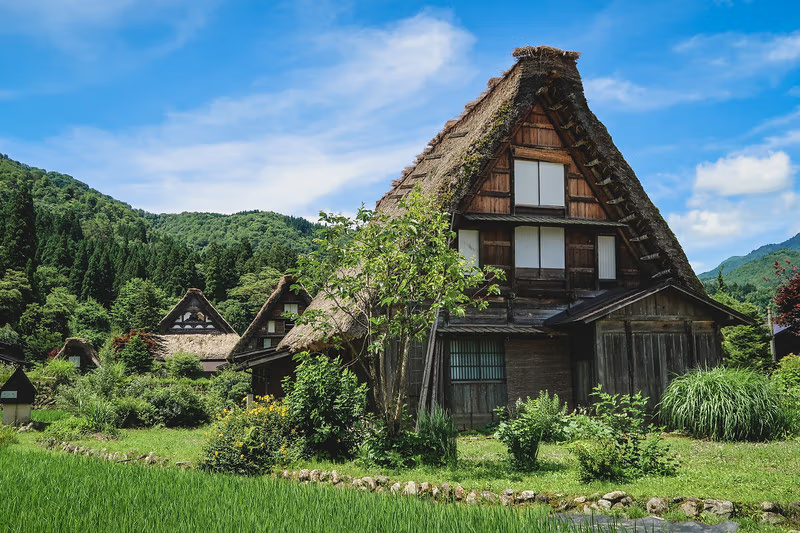
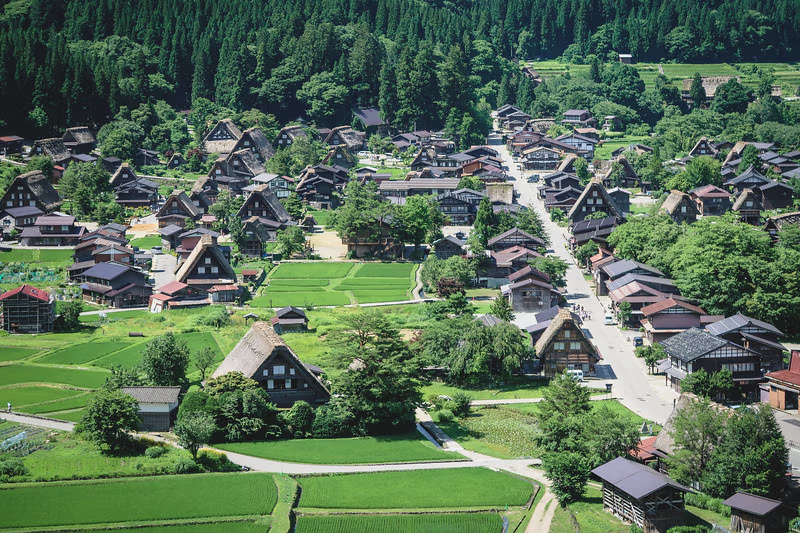
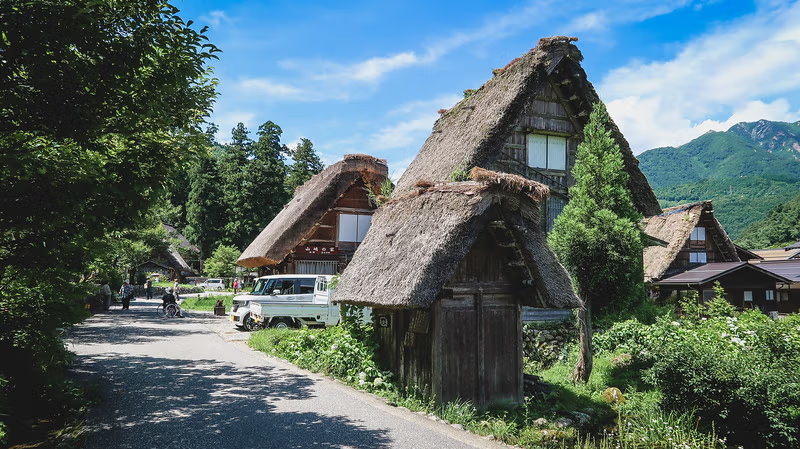
The main draw to Shirakawa-go is a type of construction characterized by its steep thatched roof said to resemble two hands clasped together in prayer. This is known as gassho-zukuri and Shirakawa-go in particular has the largest number of farmhouses in this unique building style, many of which were relocated here from surrounding villages in order to better preserve them.
Visiting Shirakawa-go is kind of like travelling back in time and also setting foot in a magical world where everything is just so…perfect.
This was hands down one of my favourite day trips in Japan and well worth the effort to visit, so read on if you’re in need of a little travel inspiration.
Want to visit Shirakawa-go on a day trip? You can book this tour from Takayama or this tour from Kanazawa. As a bonus, you also get to visit Gokayama – 2 historic towns on 1 trip!
How to get to Shirakawa-go
The only way to get to Shirakawa-go is by car or by bus.
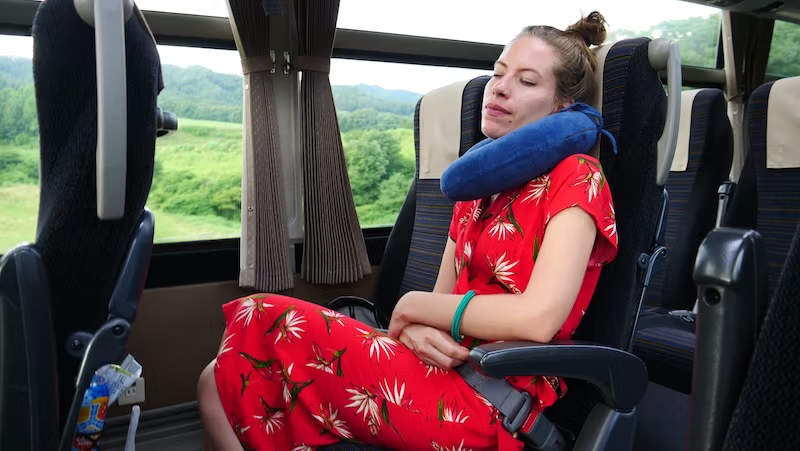
We were staying at a ryokan in nearby Takayama, so we took the Nohi Bus from Takayama Nohi Bus Terminal and it was a 50-minute ride. The bus has frequent departures – you can view their timetable here.
There are also bus links from Nagoya, Kanazawa, Toyama, Gokayama and Shin-Takaoka.
If you’re coming from Tokyo, Kyoto or Osaka, you’ll have to travel by train to either Nagoya or Kanazawa and switch over to a bus line from there. This transportation guide does a pretty good job of explaining how to get to Shirakawa-go. It takes a little bit of effort, but trust me, it’s worth it!
Once you reach the Shirakawa-go Bus Terminal you’ll find the Visitor Information Centre in the same building, so you can grab some map or brochures as needed.
Shirakawa Village Travel Guide: Things to Do, See, Eat, Drink & Experience in Shirakawa-go, Japan
There are quite a few things to do in Shirakawa-go, even if you only visit on a day trip, and because the village is quite small, it’s easy to cover a lot of ground over the course of one day.
Here’s a taste of what we got up to:
Enjoy the views from the Tenshukaku Observatory
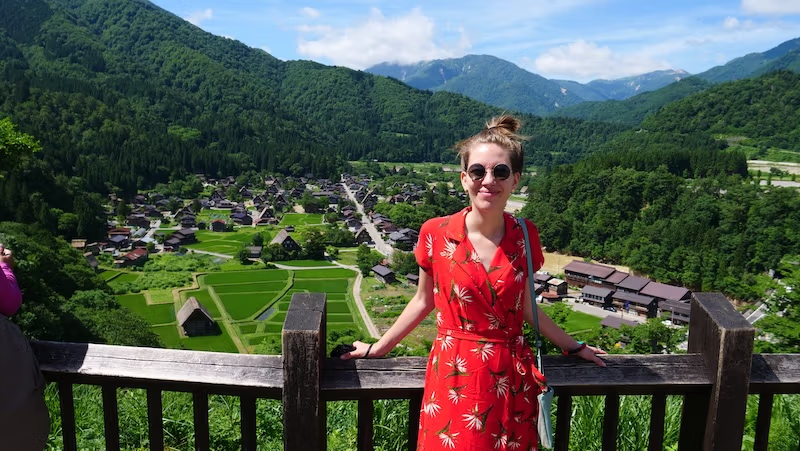
If there’s one thing you have to do in Shirakawa-go, it’s go up to the Tenshukaku Observatory and see the village from above. This vantage point is where you get those postcard-perfect views of the town.
The Tenshukaku Observatory is located on the ruins of Ogimachi Castle, where the main keep or tenshu of the castle once stood. Ogimachi Castle was a typical medieval mountain fortress erected on the high ground to the northwest.
From this perch, you can admire the tiny thatched roofs of the village nestled in the mountain range, surrounded by rice fields and forest as far as the eye can see.
It’s every bit as magical as what you’ve seen in brochures in guidebooks.
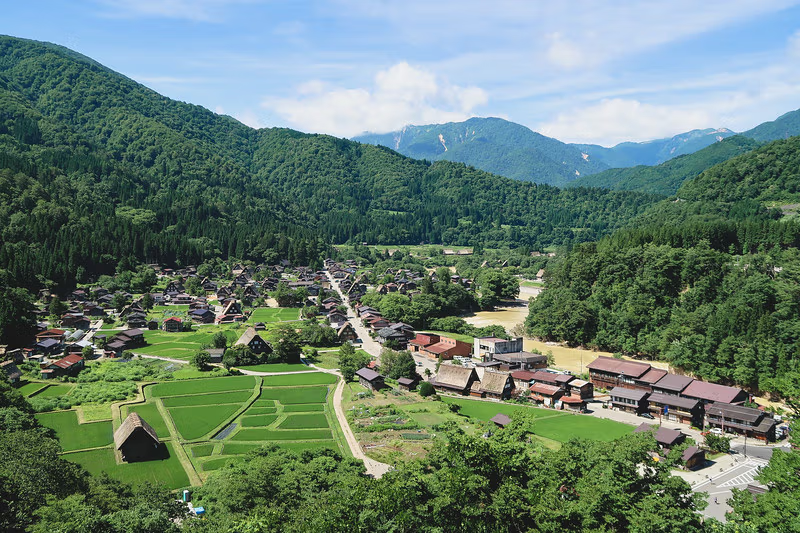
It’s a 20-minute walk up the viewpoint, or you can hop on a bus for ¥200. The bus stop is just down the street from the main bus terminal.
We took the bus up and then walked down, and we’re glad we did because there are a few cool lookouts as you come down, so we stopped to snap photos.
Wander down the village’s back streets
The beauty of Shirakawa-go is that you can just wander around without much of a plan and you’ll still end up stumbling upon beautiful places.
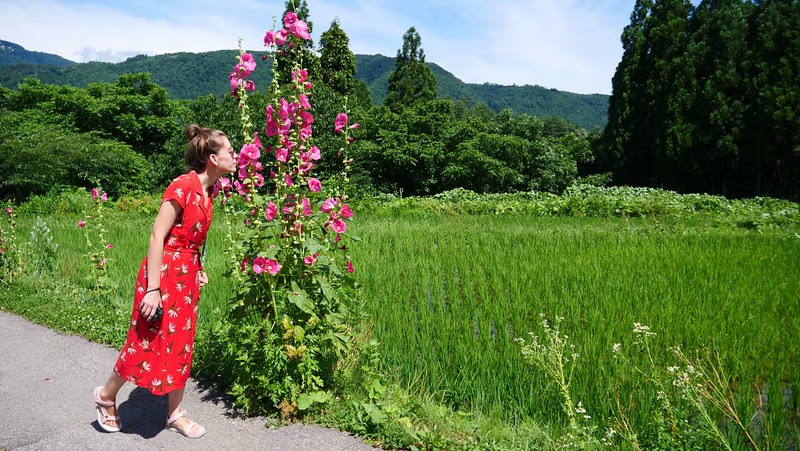
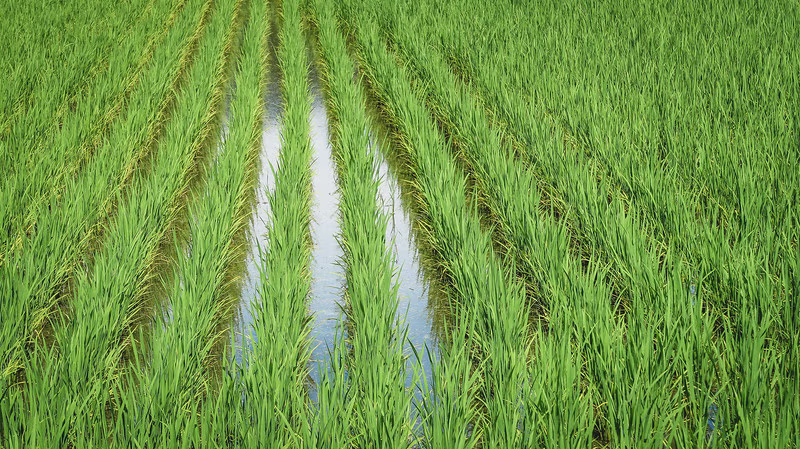
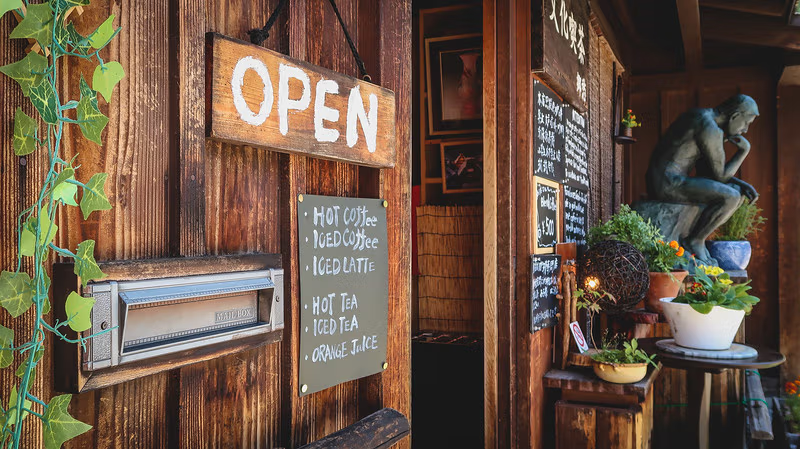
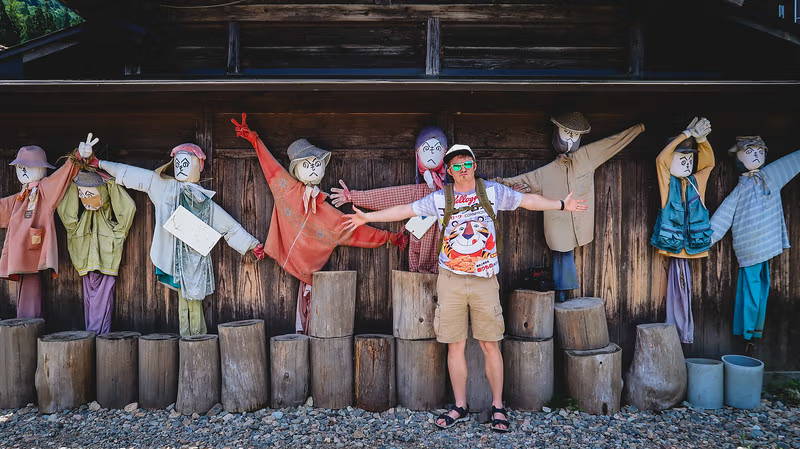
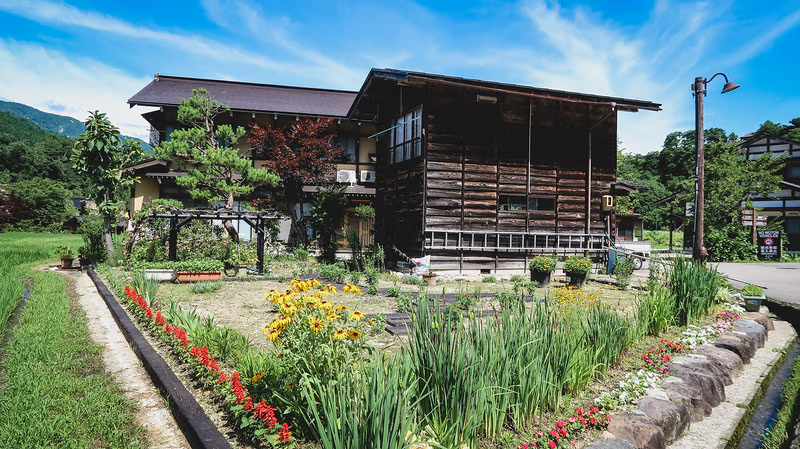
I really enjoyed walking down the side lanes and back streets where we came across rice fields, gardens in bloom, and canals filled with coy fish.
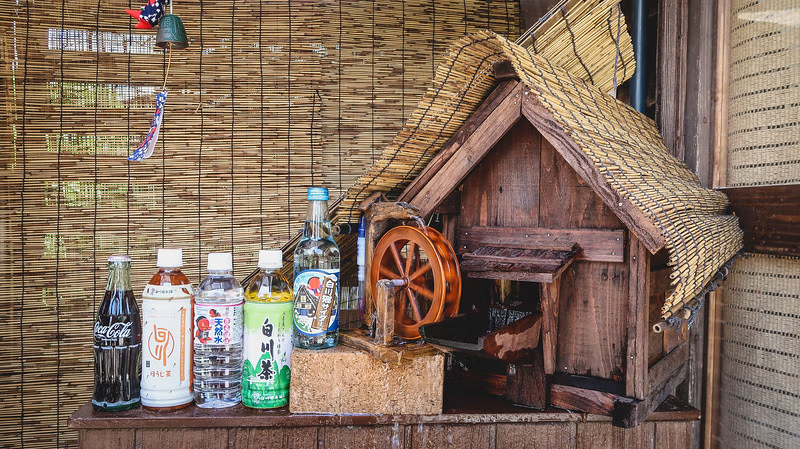
I also couldn’t help marvelling at the natural refrigeration system in use at many of the shops. They have a waterwheel and use the cool water that comes down the mountain to refrigerate the beverages they have for sale.
Tour Wada House and Kanda House
Two of the most famous houses you can visit in Shirakawa-go are Wada House and Kanda House.
The Wada House is the largest traditional gassho-style farmhouse in the area. It was built in the late Edo period (1603–1867) and it belonged to the Wada family, who were the largest landowners in the village of Ogimachi.
The economy of Shirakawa-go during the Edo period, including the Wada family’s activities, revolved around silk production and gunpowder ingredient trading, which were important income sources for the region. These activities are something that can be seen in the Wada House’s construction.
For example, the lower floors were used for living, while the upper floors were dedicated to silkworm cultivation. Another interesting aspect of the house’s design is the space under the floor, which was used for the secret production of gunpowder. The business of selling gunpowder to feudal clans was a significant source of income for the family.
Then you have the Kanda House, which was built around 1850 by the Kanda family, who were known for brewing sake.
This house is quite large with four floors, including an attic which was originally used for silkworm farming. The ground floor, which remains in its original state, includes a living space and an irori fireplace, a traditional Japanese sunken hearth. It’s a really cool place to explore and they also serve homemade tea to visitors!
These are two iconic gassho zukuri house in Shirakawa-go you won’t want to miss!
Visit Myozenji Temple & Shirakawa Hachiman Shrine
While walking around Shirakawa-go, we came across the Myozenji Temple.
This happens to be the biggest gassho-zukuri style building in town and it dates back to 1748. The monks’ residence, known as kuri, is a five-story construction built two hundred years ago. It was built without nails or screws but remains sturdy, with its cypress and zelkova pillars.
The temple is open to visitors and there is a small on-site museum exhibiting everyday items from the past. Admission is ¥300.
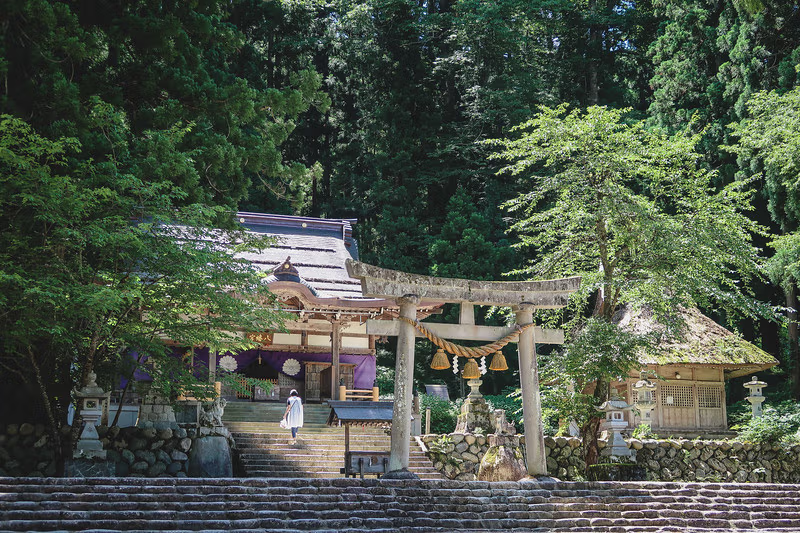
Just a few steps further, you have the Shirakawa Hachiman Shrine, an ancient shinto shrine founded between 708 and 715 making it one of the oldest shrines in the region.
Sake brewing, using fresh water from melting snow, has been long associated with this shrine. Each year the shrine produces a special type of sake that is served at the Doboroku Festival, known for its stronger and more warming qualities than regular sake.
The Doboroku Matsuri Festival Museum, located right next to the shrine, exhibits items related to the annual festival held on October 14 and 15. The festival features lion dancers and flag parades to announce the arrival of the gods, culminating in the serving of Doboroku sake at the shrine.
Cool down with matcha ice cream
We visited Shirakawa-go in the middle of summer, so ice cream breaks were a must! Thankfully, we didn’t have to wander too far before we spotted an ice cream shop.
If you travel to Japan in the summertime, be prepared for extreme heat and humidity. But if you can help it, I’d opt for the shoulder season.
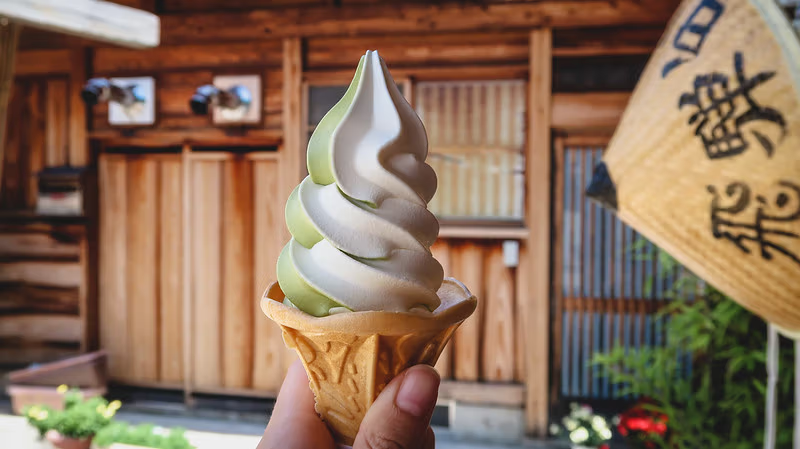
Sam indulged in some matcha ice cream, and I went for the matcha-vanilla blend, which suited me perfectly.
Ice creams were ¥350 each.
Walk across the suspension bridge
The Deai Bridge crosses the Sho River and is considered the gateway into Shirakawa-go.
Since vehicles aren’t allowed in the village, tour operators drop off day visitors on the other side of the river and then people make their way into town on foot.
This bridge is a very scenic spot in town where you can enjoy a beautiful panorama of the mountains, the pebbly shores, and lots of greenery.
Enjoy some cold noodles for lunch
Then it was time for lunch!
We ate at Syokudo and Teishoku Restaurant, which is both a souvenir shop and a small restaurant.
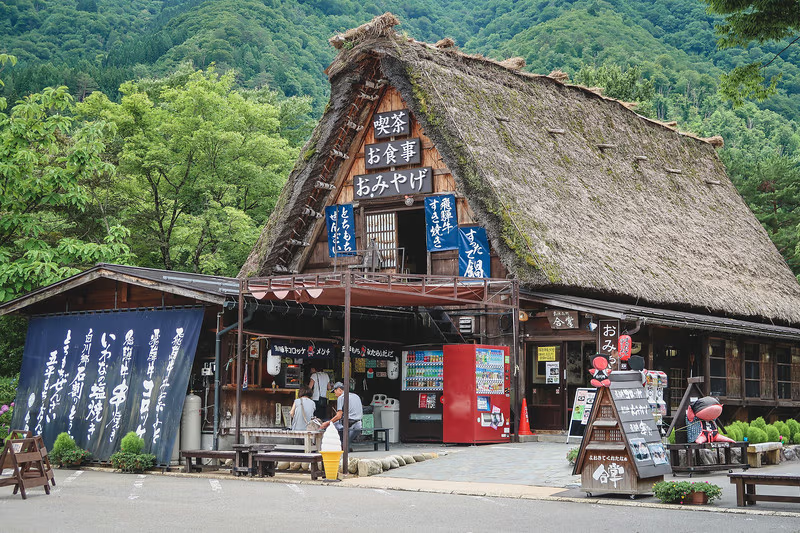
It’s in the small complex just before you reach the entrance to the farmhouse museum.
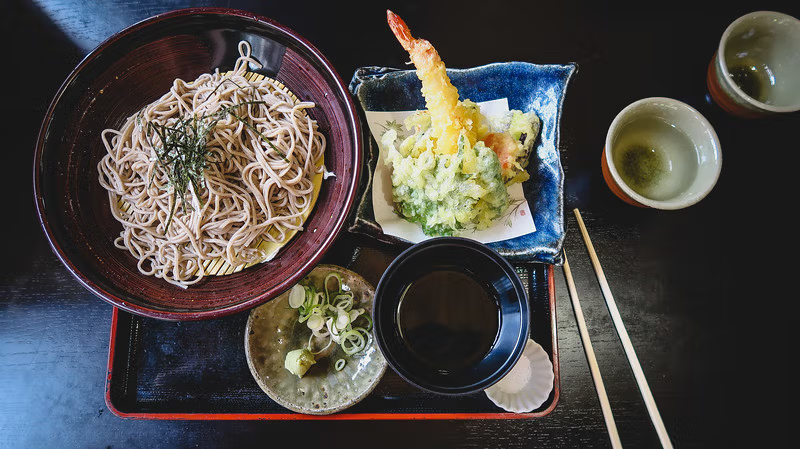
I got the cold soba noodles with dried seaweed and a mixed tempura platter featuring pumpkin, tofu, eggplant, green pepper, and carrot. The lunch set also came with wasabi, chives, soy sauce, and a cup of green tea.
It’s the perfect type of Japanese cuisine for the hot summer!
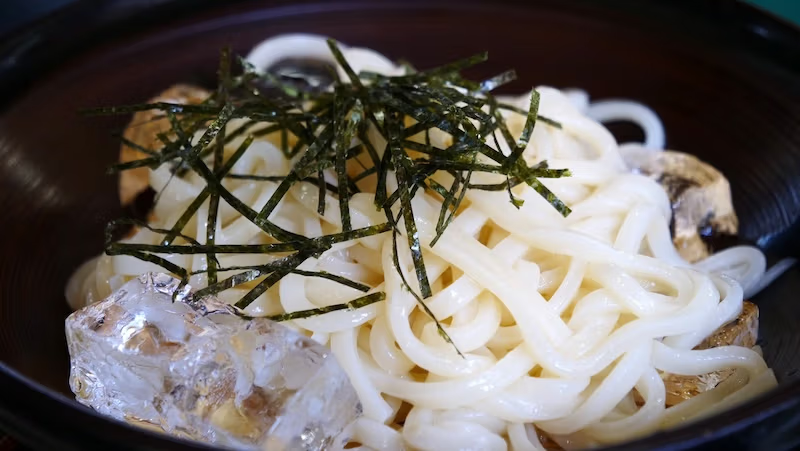
Sam ordered the other lunch set on the menu, which came with cold udon noodles (his had ice cubes!), and a tempura platter just like mine.
We both really enjoyed the meal and it was the perfect place to rest and cool down a bit before continuing our sightseeing around Shirakawa-go.
Tour the Gassho-zukuri village
As I mentioned earlier, many of the farmhouses you see in Shirakawa-go were relocated here in order to better preserve them, and that is the case with many of the structures found in Gassho-zukuri Minkaen.
This open air museum has a total of 26 buildings to visit and each one is unique. When you pay the admission fee to the open air museum, you also get this map with the layout of the place, which highlights each building’s original use.
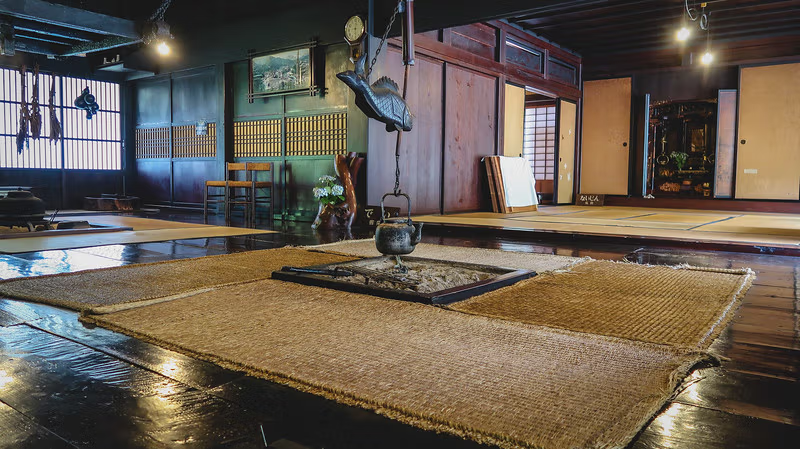
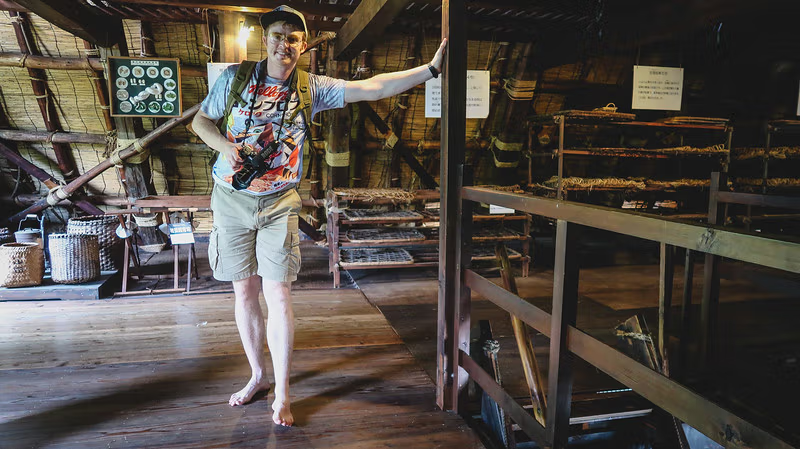
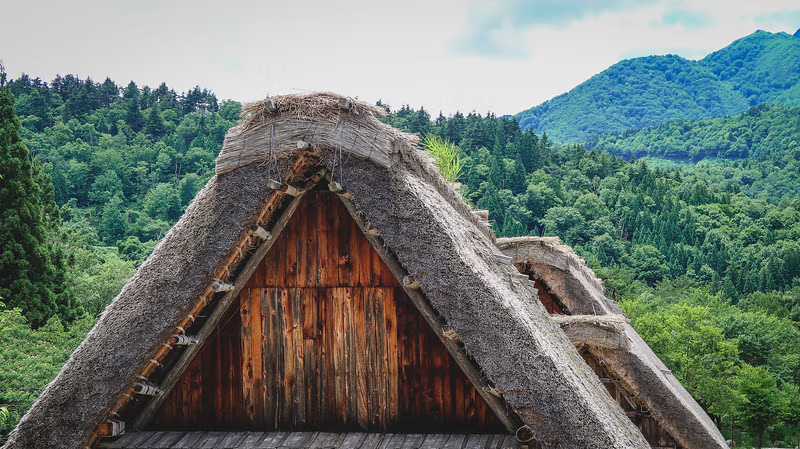
It was nice being able to explore the interior of these farmhouses, but prepare to climb lots of ladders!
Admission to the open air museum is ¥600.
That pretty much sums up our day trip to Shirakawa-go. Pretty magical, right? Here’s a video of our visit if you want to get a closer look at the place.
Will a day trip to Shirakawa-go be enough time?
If you’ve read this far then you have a pretty good idea of how much we managed to do on our day trip to Shirakawa-go, and we were only there for about 5 hours!
As I’ve mentioned earlier, the town is quite small and it’s very easy to cover on foot. We felt like we had quite a leisurely day visiting the places that interested us most, and we didn’t feel rushed to cover it all.
If you want to spend a full day in town, you can always catch an earlier bus in the morning and leave a bit later in the evening.
Alternatively, you also have the option of staying overnight – more info on that below.
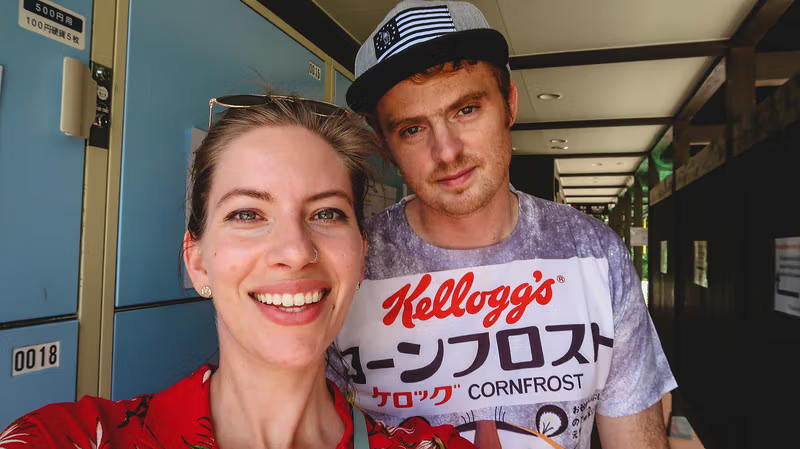
Staying overnight in Shirakawa-go
The charm of an overnight visit to Shirakawa-go is that you can stay in the farmhouses. These stays are known as minshuku and they are family-operated, Japanese-style bed and breakfasts, which typically include a home-cooked dinner and breakfast.
The website Japanese Guest Houses has a list of farmhouses in Shirakawa-go for visitors to choose from.
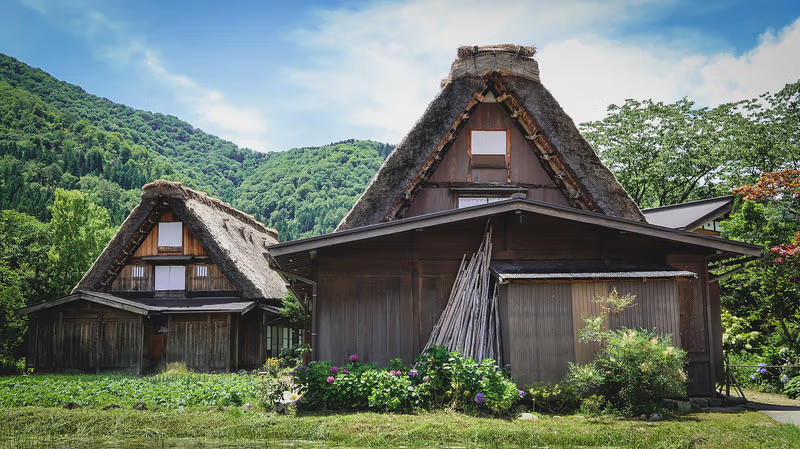
The thing to keep in mind is that because the farmhouse stays are so popular and in high demand, they only allow a 1-night stay. That means that if you decided to stay for a second night, you’ll need to stay in a different farmhouse.
A few other things to note:
- Check-in is before 5:00 pm as the host family will prepare dinner for guests.
- Payment is cash only and in Japanese Yen.
- Large suitcases are not allowed since space is limited and there are ladders involved.
If Shirakawa-go is fully booked for overnight stays during your visit to Japan, another destination to consider is Ainokura. This is another village with traditional thatched-roof farmhouses, though a bit smaller in size, and it’s located high in the mountains of western Toyama Prefecture.
So now you have options! And whether you come for the day or spend the night, Shirakawa-go should really be added to your Japan itinerary.
Planning Your Shirakawa-go Day Trip: Tips, Traditions, and Making the Most of Your Visit
When to Visit Shirakawa-go: Seasons & Festivals
One question comes up more than any other: when’s the best time to visit Shirakawa-go? Honestly, there’s no bad answer.
Spring (March–May):
Cherry blossom season here is short but sweet. You’ll see delicate pink blooms set against the backdrop of snow-capped mountains and traditional farmhouses. It’s less crowded than summer or winter and the rice fields start to come alive with new shoots.
Summer (June–August):
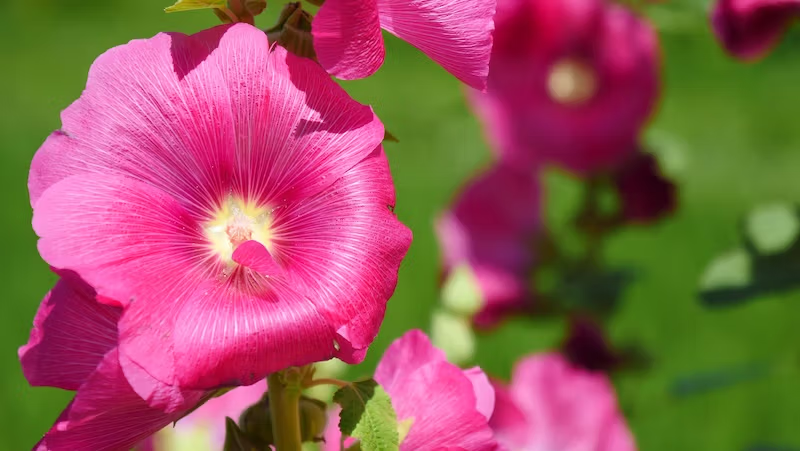
Think lush greenery, flower-filled gardens, and rice paddies glowing a vibrant emerald. The heat and humidity can be intense (hello, matcha ice cream breaks!), but you’ll have long daylight hours to explore every corner of the village.
Autumn (September–November):
Autumn is often cited as the most photogenic season in Shirakawa-go. The mountains turn shades of red, orange, and gold, and the crisp air makes for comfortable wandering along the back lanes — a strong pick if you’re traveling with a camera.
Winter (December–February):
Shirakawa-go under a blanket of snow is pure magic. The steep gassho-zukuri roofs were designed to withstand heavy snow, and the village hosts special illumination events on select weekends, lighting up the farmhouses for a scene straight out of a snow globe. Just be prepared for cold weather and bring sturdy shoes—ice and snow can make walking tricky!
Four Seasons, Four Completely Different Villages
| Season | What You’ll See | Unmissable Experience | Crowd Level |
|---|---|---|---|
| Winter (Dec – Feb) | 2–3 m of powdery snow frosting every thatch, icicles glinting off rice barn eaves. | Illumination Nights (select weekends Jan–Feb) – huts glow golden while snow muffles all sound. | High on illumination evenings; otherwise blissfully quiet. |
| Spring (Apr – May) | Plum & cherry blossoms against still-snowy ridgelines; paddies just flooded. | Rent a yukata in Takayama and do a pastel-on-pastel photo walk. | Moderate – avoid Golden Week. |
| Summer (Jun – Aug) | Emerald rice, riotous cottage gardens, thunderous afternoon showers. | Cool down with yuzu-flavoured soft cream and watch fireflies after dusk. | School-holiday day-trippers, but evenings mellow. |
| Autumn (Oct – Nov) | Maple & ginkgo set the slopes ablaze; crisp 10–15 °C hiking weather. | Sunrise trek to Tenshukaku before breakfast – ruby leaves + chimney smoke rising. | Mid; foliage weekends busy, weekdays easygoing. |
Essential Tips for Visiting Shirakawa-go
A little planning goes a long way here. A few things are worth knowing before you go:
1. Book Transport Early (Especially in Peak Seasons!)
- Buses fill up fast during weekends, holidays, and especially in winter or cherry blossom season. Reserve your ticket online in advance (especially if coming from Takayama or Kanazawa).
- If you’re visiting as a day trip, check return bus times and allow at least 4–5 hours in the village to explore at a relaxed pace.
- If you’d rather not plan the logistics yourself, a small-group walking tour from Takayama pairs a local guide with the visit, or the Nohi Bus combined Shirakawago and Gokayama tour covers both UNESCO villages in one day, with the Tenshukaku shuttle and Minkaen entry included.
2. Pack Light and Dress for the Weather
- Shirakawa-go’s charm is its rural simplicity, but this also means you’ll be walking a lot—so comfortable shoes are a must.
- Winters are freezing and snowy, while summers are humid and hot. Dress in layers, bring sun protection, and don’t forget rain gear in the shoulder seasons.
- Overnight? Leave your big suitcase in Takayama or Kanazawa. Farmhouse stays (minshuku) have limited space and lots of stairs.
3. Bring Cash
- Most shops, restaurants, and guesthouses in Shirakawa-go are cash only. There are limited ATMs, so get yen before you arrive.
- Small bills (¥1,000, ¥2,000, ¥5,000) are especially handy for snacks, entry fees, and souvenirs.
4. Respect the Traditions
- Many of the farmhouses are still family homes. Be mindful of private property—look for signs that say “No Entry” or “Private.”
- Remove your shoes before entering any home, temple, or some shops. Look for slippers by the door and don’t be shy about using them!
- Keep voices low and avoid blocking narrow lanes—life here moves at a peaceful, unhurried pace.
Why the Houses Are Never For Sale
The private-property signs dotted around the village trace back to a specific decision made in 1971. Facing the same population decline that hollowed out other rural Japanese villages, Ogimachi residents drew up a charter built on three rules: don’t sell, don’t rent, and don’t destroy the gassho-zukuri houses. The Association for Protecting the Natural Environment of Ogimachi Village still oversees it today, and every resident is effectively a member. It’s the reason the village looks lived-in rather than staged — these are still private homes, not relocated museum pieces, and the families inside them are the ones enforcing the rules that keep the skyline intact.
The same preservation effort extends to fire safety. Thatched, timber-framed houses burn fast, so the village has installed dozens of water cannons and fire hydrants fed by a gravity-pressurized reservoir on the hillside above town. If you’re visiting in late autumn, you may catch a village-wide fire drill where every cannon fires at once, sending arcs of water over the rooftops — a striking sight, and a reminder of how much coordinated effort keeps this place standing.
Cultural Aspect: What Makes Shirakawa-go Unique?
- Gassho-zukuri Architecture: The name literally means “hands in prayer,” referencing the steep, thatched roofs built to withstand heavy mountain snow. Inside, you’ll find wooden beams blackened by centuries of hearth fires, attics where silkworms were raised, and ingenious ventilation systems.
- Living Museums: Many farmhouses double as museums, sharing tools, kimono, old photographs, and stories of mountain life. Don’t miss the hands-on displays in Wada House and the Gassho-zukuri Minkaen Open Air Museum.
- Agricultural Heritage: Even today, villagers grow rice, vegetables, and mulberry trees (for silkworms!), and some still make traditional crafts like straw sandals or indigo-dyed textiles.
The Communal Art of Rethatching a Roof
A gassho-zukuri roof doesn’t last forever — the thatch wears down and needs full replacement roughly once every 30 years. What makes this remarkable isn’t the engineering, it’s who does the work. Under a centuries-old mutual-aid system called yui, up to 200 villagers gather to rethatch a single roof in one day, working from dawn with older residents supervising and younger ones hauling bundles of grass up to the thatchers. Each household’s contribution — labor, materials, even the sake poured at the closing feast — used to be logged in a ledger called a yui-cho, the oldest surviving example dating to 1792, so that debts of labor could be repaid fairly over the following decades.
The practical result is a village where nobody pays a roofing contractor, and where taking part in a neighbor’s rethatching is simply understood as an investment in your own roof, thirty years down the line. It’s a small logistical detail, but it says more about how the village has stayed intact than any single building does.
Photo Spots & Must-Capture Moments
If you love photography, there’s plenty to work with here.
- Tenshukaku Observatory: The classic view of the village with the mountains behind—try to visit at different times of day for changing light.
- Deai Bridge: The view back towards the village, especially in autumn when the trees are glowing gold and red.
- Rice Paddies & Waterways: Look for reflections of the farmhouses in the water, or for vibrant flowers and koi fish in the canals.
- Side Streets: Get low for a unique perspective on the gassho-zukuri rooftops, or capture details like old wooden doors, thatched eaves, and flower-filled gardens.
What Else to Eat in Shirakawa-go: Local Flavours & Treats
- Gohei Mochi: Grilled rice cakes brushed with a sweet, savoury miso-walnut sauce. Vendors grill them fresh, and they’re a good snack between sightseeing stops.
- Hida Beef: If you’re a meat lover, don’t miss the chance to try local Hida beef, which is melt-in-your-mouth tender. Some cafes offer it as sushi or grilled skewers.
- Doburoku Sake: A cloudy, unfiltered rice wine brewed specially for the Doboroku Festival — strong, warming, and not something you’ll find outside the village.
- Seasonal Soft Serve: Beyond matcha, look for seasonal flavours like black sesame or even sakura (cherry blossom) in spring!
- Warabi Mochi: A bracken-starch jelly dusted in kinako (roasted soybean flour), found at several village cafés — light and refreshing in the summer heat.

How to Have an Overnight Shirakawa-go Experience
Still on the fence about staying the night? Here’s why you should possibly consider it:
- See the Village After Hours: Once the day-trippers leave, the village quiets down and you get a true sense of mountain peace. You can stroll empty streets under the stars or wake early to see the sun rise over the thatched rooftops.
- Farmhouse Hospitality: Staying in a minshuku is a chance to experience real Japanese hospitality—think home-cooked meals, futons on tatami floors, and chatting with your host family over tea.
- Winter Illumination: In January and February, overnight guests have the rare chance to see the illuminated farmhouses without the crowds (just make sure to book well in advance!).

Spending the Night: Picking Your Perfect Minshuku
Shirakawa-go doesn’t have conventional hotels — accommodation here means staying in a family-run minshuku, usually inside a real gassho-zukuri farmhouse. Most of these are booked by phone or through the local Tourist Association or Japanese Guest Houses rather than standard booking sites, so build in a little extra lead time if you’re set on a specific one.
| You Value | Suggested House | Quirk |
|---|---|---|
| Best dinner spread | Koemon | Guests consistently single out the home-cooked dinner and breakfast; a short walk from the entrance bridge, handy for luggage drop-off before a hike up to the observatory. |
| Family-run, close to the entrance | Kidoya | Run by three generations of women; being near the village entrance means less walking with bags on arrival and departure. |
| Quiet corner | Yokichi | About a 10-minute walk from the bridge, with rooms overlooking a garden and the sound of the river close by. |
| English-speaking host | Minshuku Hisamatsu | A century-old farmhouse with an English-speaking proprietor; dinner is served fireside around the irori hearth. |
| Easiest to book online | Minshuku Kanjiya | The one gassho-style minshuku in the village that’s bookable directly through Booking.com; rooms come with air-conditioning and a private cypress bath. |
Shirakawa-go Day Trip: Frequently Asked Questions
Is a day trip enough time for Shirakawa-go?
Yes. With ~4–6 hours you can ride up to Tenshukaku Observatory, wander the lanes, pop into Wada or Kanda House, cross Deai Bridge, and tour the Gassho-zukuri Minkaen open-air museum. Start early to keep it relaxed and leave room for lunch and a café stop.
How do I get there—bus, car, or train?
There’s no train to the village. Most visitors bus in from Takayama (Nohi Bus ~50 min) or Kanazawa (Hokutetsu/Nohi ~75–85 min). You can also connect from Nagoya, Toyama, or Shin-Takaoka by rail to those hubs, then bus. Driving is fine in fair weather; winter roads can be snowy/icy.
Do I need to reserve bus tickets in advance?
Highly recommended for weekends, holidays, winter illuminations, and blossom/fall-color seasons. Outbound morning seats and late-afternoon returns sell out. Grab round-trip times when you book so you don’t get stuck.
When’s the best season—and what about winter illuminations?
There’s no bad season:
- Spring: blossoms + lingering snow on peaks, lighter crowds.
- Summer: emerald paddies and gardens (humid—pace yourself).
- Autumn: peak foliage and crisp air—photographers’ favorite.
- Winter: snow-globe magic; limited illumination nights (select Jan–Feb evenings) draw big crowds and require advance logistics.
How do I reach the Tenshukaku Observatory?
Walk ~20 minutes uphill from the village (scenic, with mini lookouts on the way down), or take the short shuttle from the main street area (small cash fare). The classic “postcard” view is from here—try morning and late afternoon for different light.
Can I stay overnight in a farmhouse (minshuku)?
Yes—highly recommended for quiet evenings/mornings. Notes: 1-night caps are common, cash only, check-in is typically before ~5 pm for dinner, big suitcases aren’t accepted (use a small bag), and reservations fill months ahead for winter/fall weekends. Most houses are booked by phone or through the Tourist Association rather than standard hotel-booking sites.
Is Shirakawa-go cash-only? Are there ATMs?
Plan on cash (yen) for house admissions, snacks, and small eateries. Card acceptance exists but isn’t universal. ATMs are limited—withdraw in Takayama/Kanazawa before arrival and carry small bills for entrances and buses.
What should I eat while I’m there?
Local comfort hits: gohei-mochi (grilled rice cake with miso-walnut sauce), Hida beef (as sushi or skewers), seasonal soba/udon—great cold in summer—plus doburoku (cloudy festival sake) and soft-serve (matcha, sesame, seasonal flavors).
Which houses and museums shouldn’t I miss?
Wada House (largest gassho, late Edo; silk-raising attic, historic trade), Kanda House (four floors with irori hearth, often tea for visitors), Myozenji Temple (impressive gassho complex), and the Gassho-zukuri Minkaen open-air museum (26 buildings you can enter; expect ladders/steep steps).
Any etiquette tips—especially for photos and drones?
Many homes are lived-in—respect private property signs, keep voices low, and remove shoes where indicated. Ask before photographing people. Drones are restricted or prohibited—check local rules and skip them near crowds, shrines, and homes.
What should I wear/pack for the day?
Comfortable walking shoes, layers for mountain weather, sun/rain gear as needed, and cash. In winter: grippy footwear, warm hat/gloves, and caution on icy paths. In summer: water, electrolytes, and shade breaks (hello, matcha ice cream).
Is it family- and accessibility-friendly?
Village lanes are easy strolling; Deai Bridge can be breezy. Some interiors and museum attics require ladders/steep stairs (not stroller- or wheelchair-friendly). Consider a baby carrier instead of a stroller and enjoy plenty of outdoor viewpoints if stairs aren’t your thing.
Read more about Japan:
Travel Guide to Takayama, Japan
Staying at a Ryokan in Takayama
Top Things to Do in Hakodate, Japan
This sounds like an awesome trip – so much to do and see!
I always admire the countryside of Japan, a simple life with a beautiful and relaxing views.
This looks like a place out if a story book. Especially loved the look of that match vanilla ice cream. Thanks so much for the guide as well as the great photography. The countryside looks absolutely picturesque.