
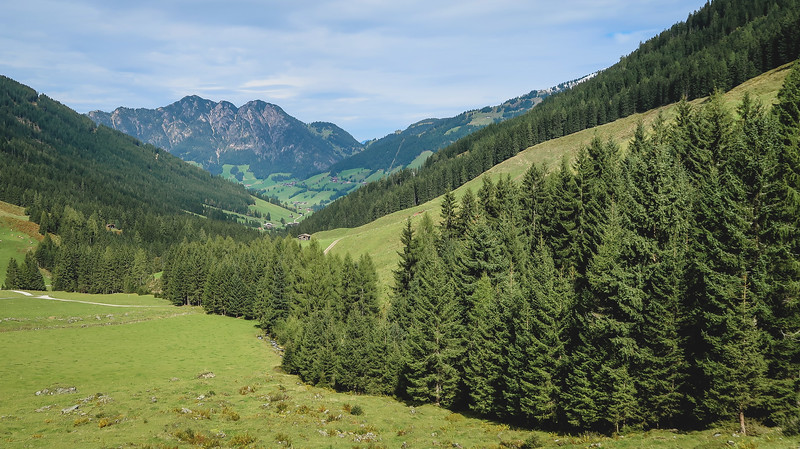
As a first-time visitor to Austria, I don’t think I could have chosen a better place to travel to than the Alpbachtal Valley in Tyrol.
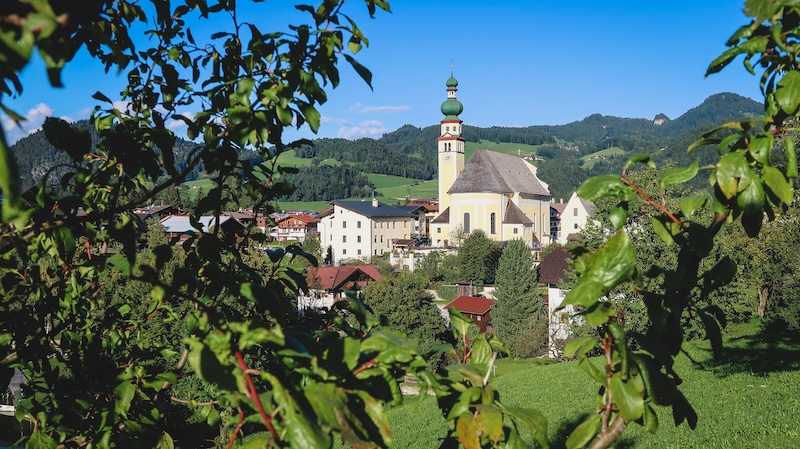
This proved to be the quintessential image of Austria I had dreamed up in my head complete with green valleys that gave way to snowy peaks, cute villages where every single balcony was overflowing with the brightest blooms, and the sound of cowbells ringing through the fields. How’s that for idyllic?
In total, I spent three days in the Alpbachtal Valley, staying in the town of Reith im Alpbachtal and taking a few side trips to Brandenberg, Alpbach, and Kramsach.
Over the course of my stay, I got to sample Tyrolean cuisine, hike down trails once frequented by Emperor Franz Josef, tackle some peaks with gondolas and e-bikes, stay in a traditional farmhouse, and even watch a parade celebrating the cows’ end-of-summer return from the Alps.
It was a wonderful mountain escape and the perfect introduction to Austria, so if any of this sounds like your idea of fun in Tyrol, read on for my itinerary.
Things to Do, See, Eat, Drink & Experience in Alpbachtal, Tyrol, Austria
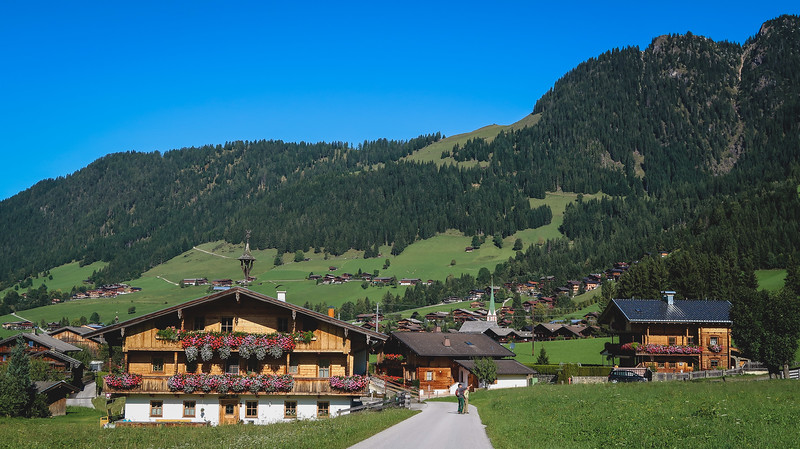
Stay in a traditional Tyrolean farmhouse
The first thing we did after arriving in Reith im Alpbachtal was check into our guesthouse; and this wasn’t your average guesthouse, no!
We stayed at Ferienhaus Weberhof, a renovated farmhouse with cows for neighbours – quite literally!
Halfway through our stay, our host dropped by to say hello and when she opened the door just off the kitchen, we all poked our heads in to discover a barn with cows – we had been sharing the roof with cows and didn’t even know it!
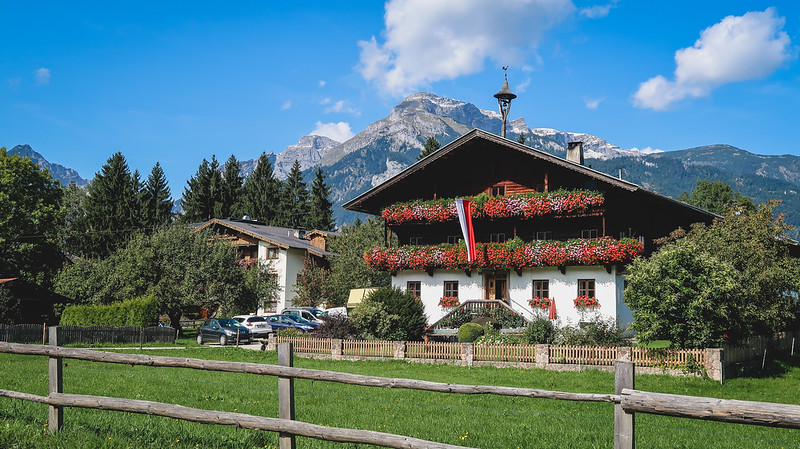
This is where I admit that I was a little too preoccupied trying to befriend the cows that were roaming out in the “backyard” (a massive field that ran down into the valley), that I didn’t take any photos of my farmhouse, but it looked quite similar to these other ones I saw during my stay.
The one up top was down the street from us so that’ll give you a taste of the place. It was quintessential Tyrol and I loved coming back to this place after a long day of sightseeing!
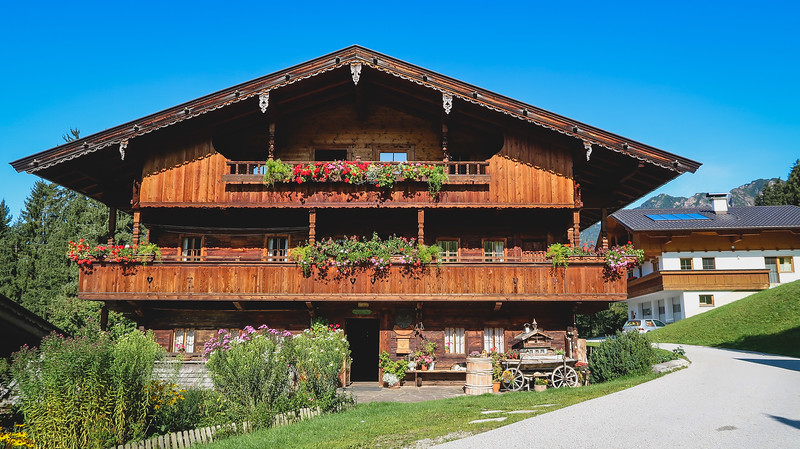
Learn how Prügeltorte is made
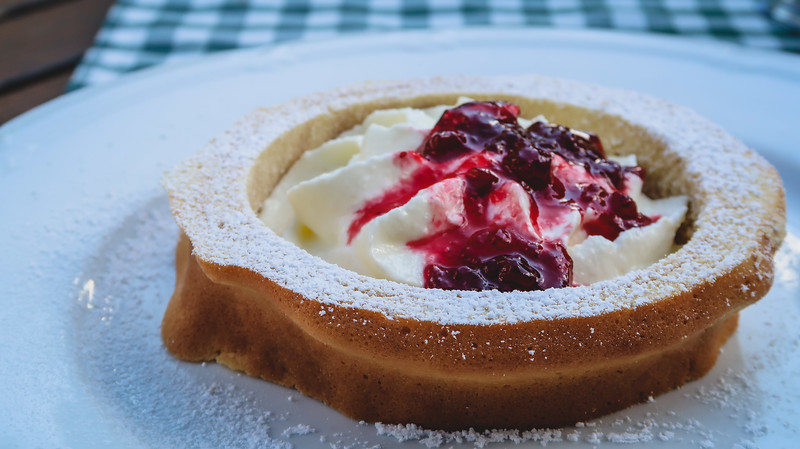
Our first stop that day was Kaiserhaus Gasthof, a guesthouse where we had lunch and also attended a Prügeltorte demonstration. This cake is a local specialty and what makes it unique is that it’s not even cooked in an oven.
The batter is made with eggs, butter, sugar, flour, a pinch of salt and lemon zest, which gives it its distinct flavour. Once the batter is ready, it’s then spread on a spinning cylinder which slowly cooks the cake over a fire.
Layers are added one at a time and these slowly build up to about 1.5-2 centimetres in thickness.
Once ready, they slide the cake off the cylinder and then fill the rings with cream and a berry sauce.
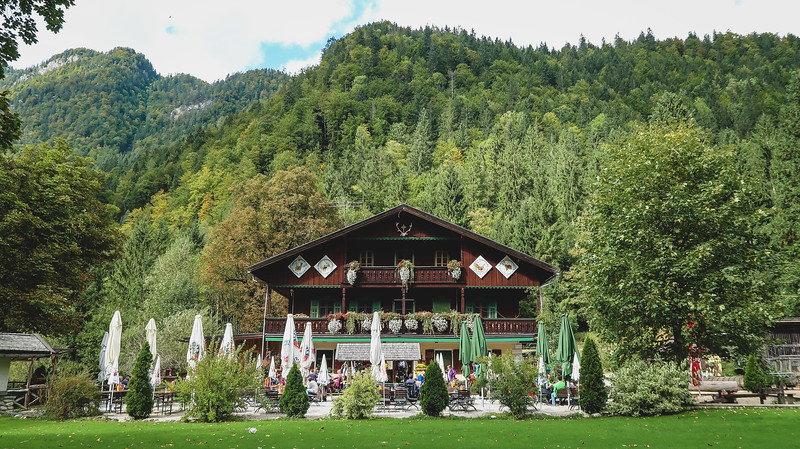
But that’s not the only reason to visit Kaiserhaus Gasthof. It turns out this was a favourite vacation spot for Emperor Franz Josef and his wife the famed Empress Sissi. They stayed at this farmhouse on their Tyrolean escapes and you can even visit the bedroom where they slept.
Spoiler alert: it was surprisingly modest for an Emperor and Empress, especially having later visited the palaces in Vienna.
Go hiking along the Kaiserklamm
After all that Pruegeltorte, we needed a bit of exercise so we went hiking along the nearby gorge, Kaiserklamm, named after the very same Emperor.
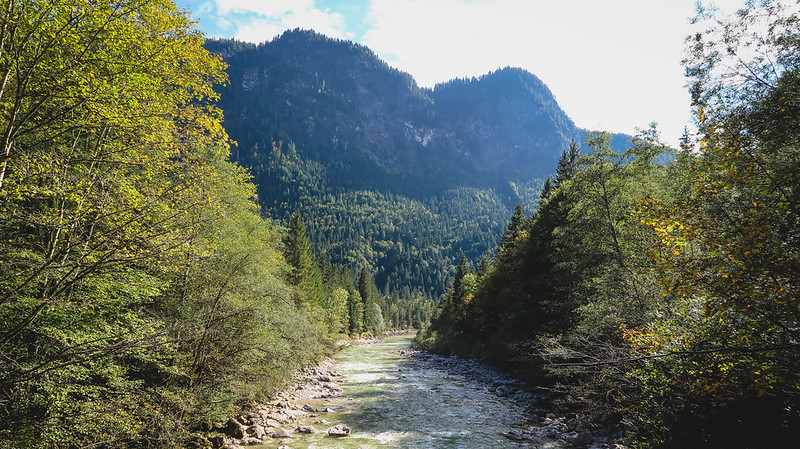
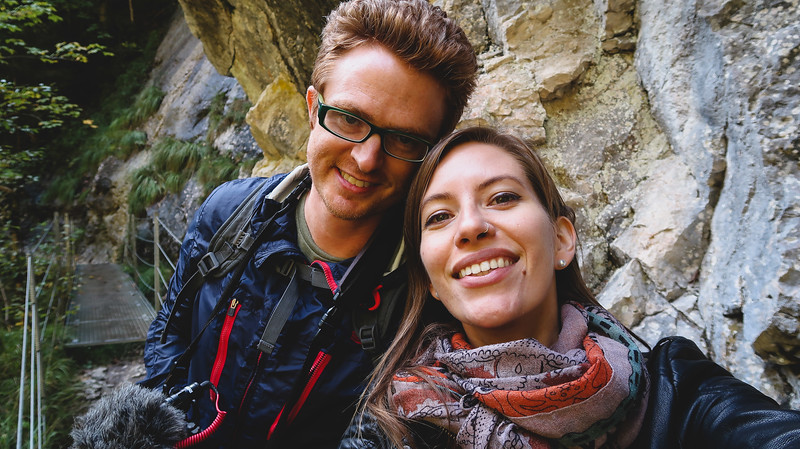
There was a beautiful trail that ran along the canyon, taking you over bridges and through tunnels, while the waters of the Brandenberger Ache River flowed directly below the trail.
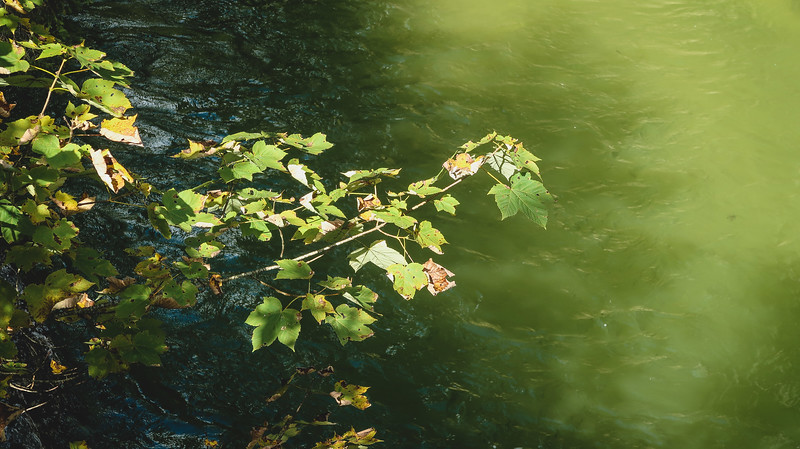
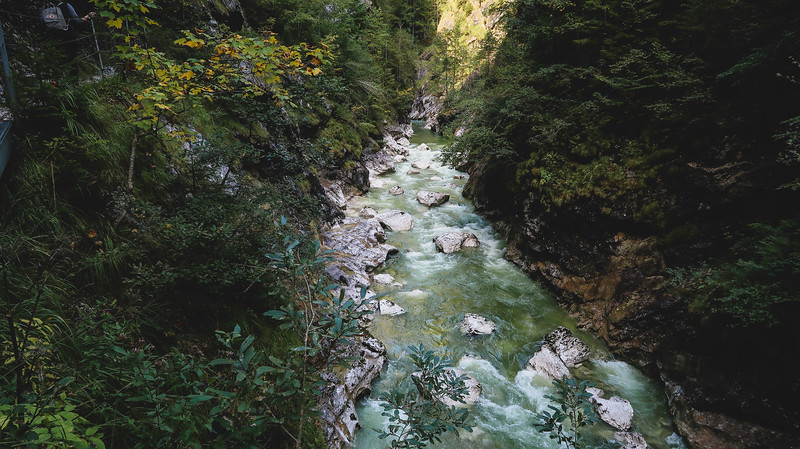
We were there in late September so it wasn’t peak foliage quite yet, but the leaves were starting to turn.
My only piece of advice for this one: wear sturdy hiking shoes! It can be a little slippery and wet along the way, so you’ll want something that offers good grip.
Another thing to keep in mind is that this alpine hiking trail is only open from Easter to late autumn.
Tackle the Alps by e-bike
Moving on to the next day, no trip to Tyrol would be complete without spending a bit of time in the mountains, and in order to tackle these steep slopes, we signed up for an e-bike tour.
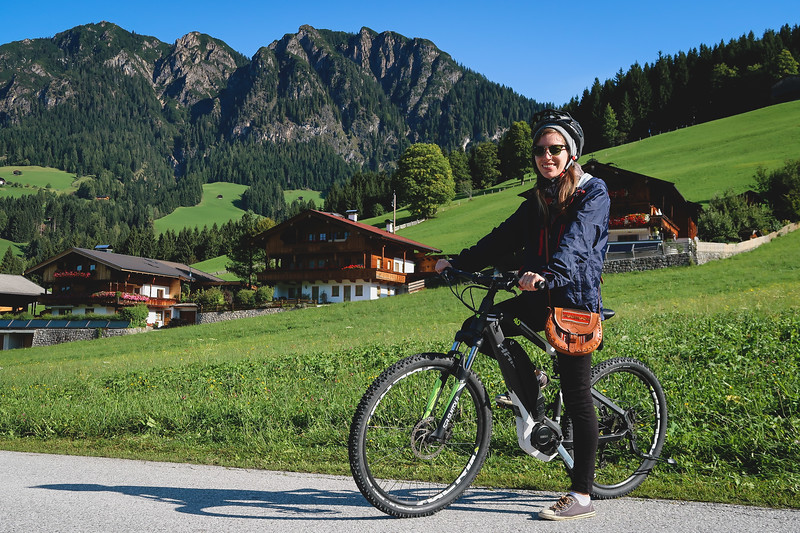
I had never ridden an e-bike before so I have to admit I was a bit apprehensive, but it turned out to be a dream. It basically works the same way as a regular bicycle, except it has a motor that kicks in once you start to pedal, giving you that extra push when you’re on an incline.
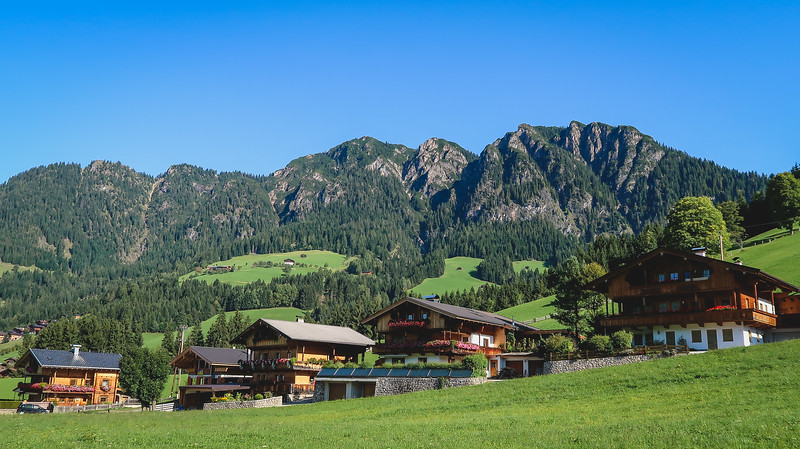
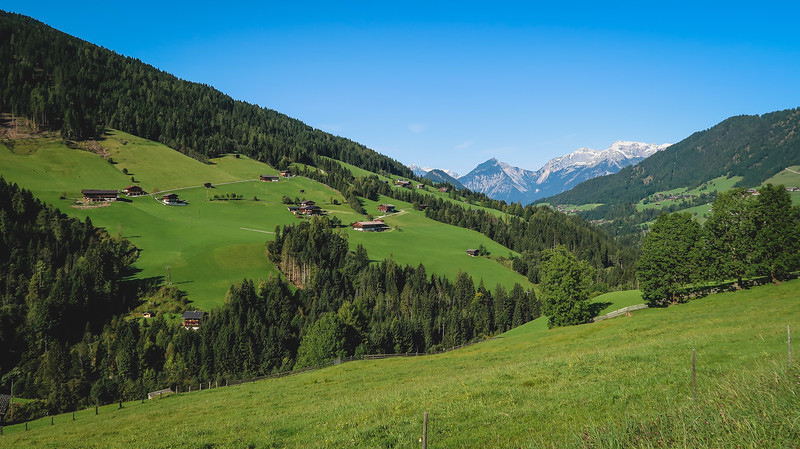
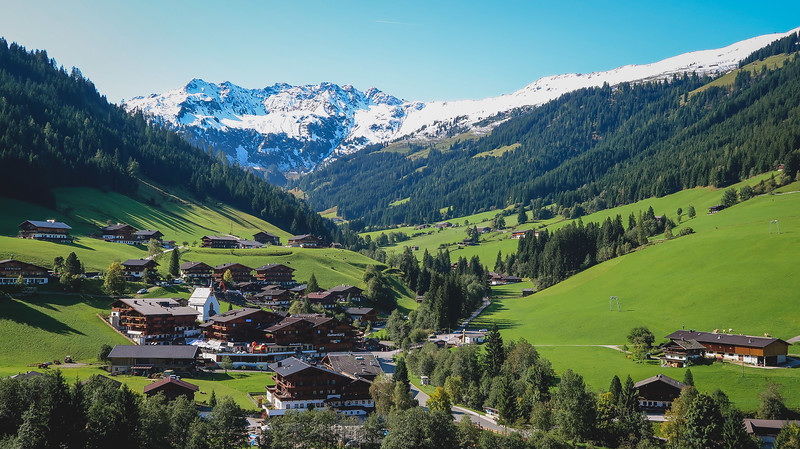
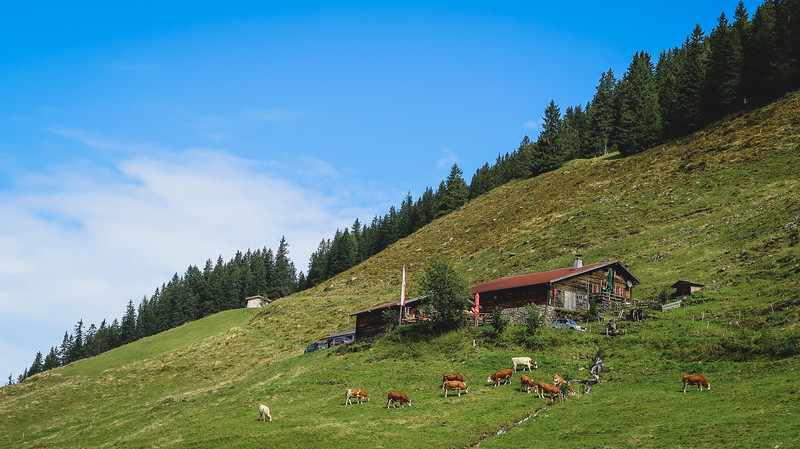
We did a 22-kilometre loop that started in the town of Alpbach, and then had us riding through the forest and up the mountains until we reached Farmkehr Alm, a mountain-top restaurant which was a most welcomed sight after a morning of biking.
Even with the e-bike helping us conquer steep slopes, we were starting to feel a little bit tired and hungry, so this place came at just the right time. I still can’t believe some people hiked all the way to this restaurant!
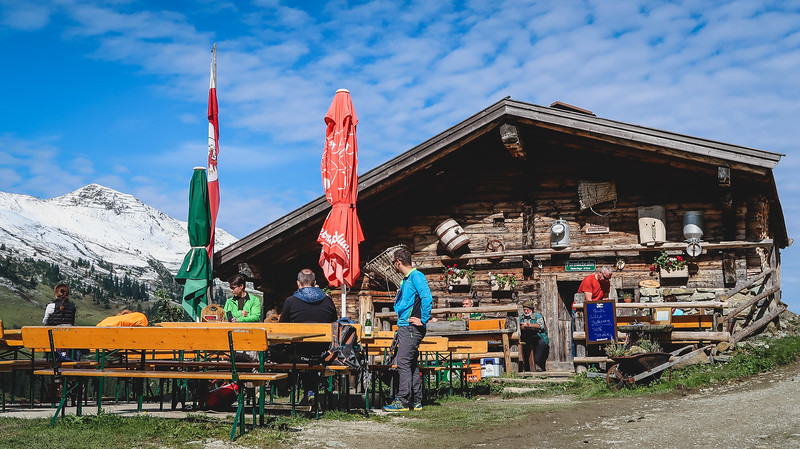
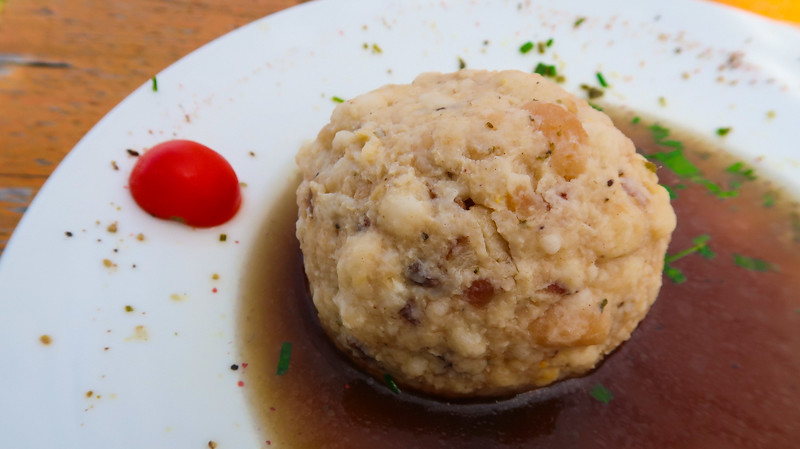
Of course, when in Tyrol, we had to order some local specialties! I went for the Tiroler Speckknödel, which is a boiled bread and bacon dumpling served in a light broth, and Sam went for a sausage that was the size of his forearm!
Needless to say, we devoured every last bite.
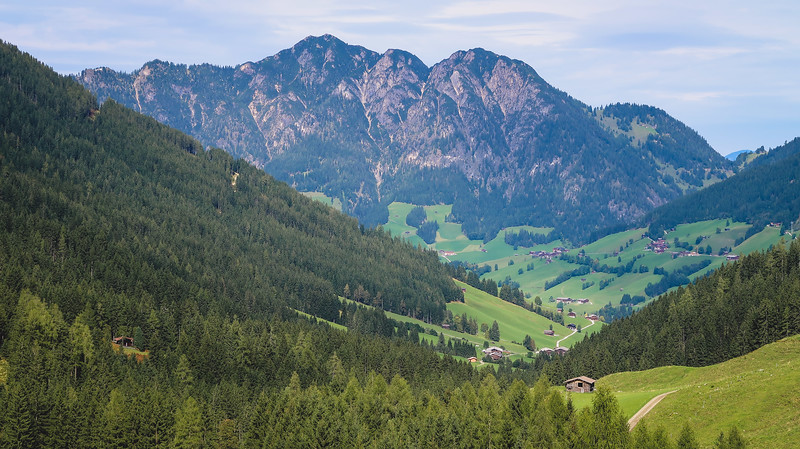
But the journey wasn’t over after lunch; at that point, we had only biked to the halfway mark and we still needed to get back to town.
With bellies full, I took my sweet time riding down the face of the mountain, and then once we were back in the valley, we took an alternate route back to Alpbach stopping at a few scenic lookout points along the way.
Learn the history of Tyrolean Farmhouses
That afternoon, the adventure continued over at the Museum of Tyrolean Farmhouses, which I personally found fascinating.
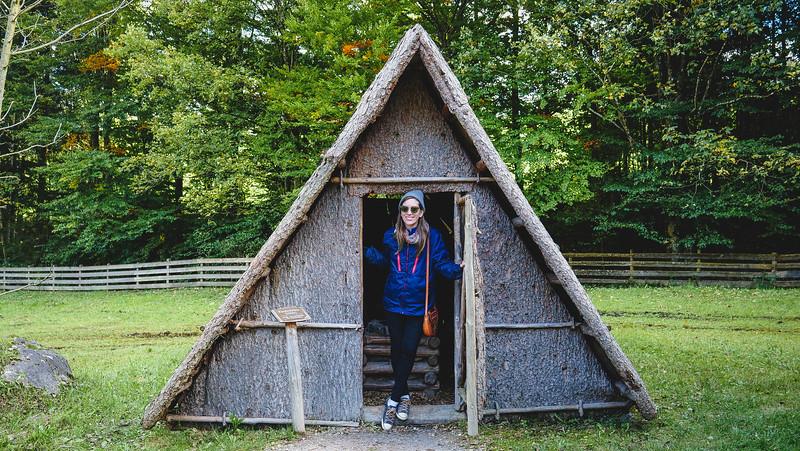
The place is set up like an open-air museum, where former farmhouses have been relocated and rebuilt to showcase the architectural diversity found in Tyrol.
Also, considering we were staying in a real farmhouse, I found it interesting to see how people would have lived centuries past. Today it’s easy to look at these traditional Tyrolean buildings and think “oh, that’s a cute holiday cottage”, but these structures were barns first.
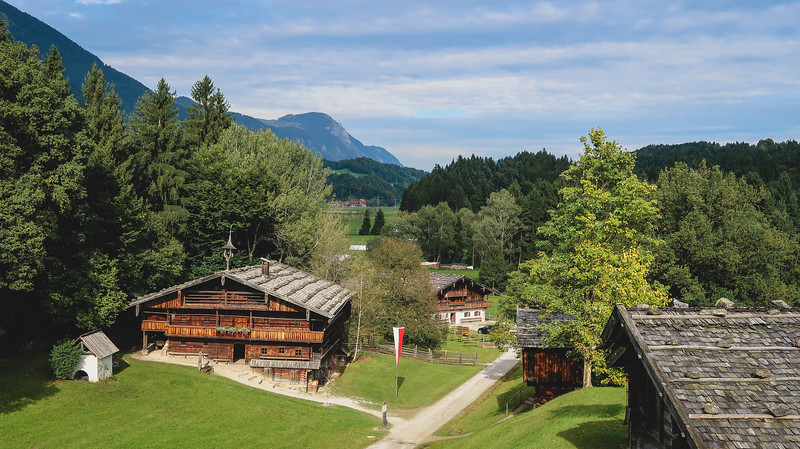
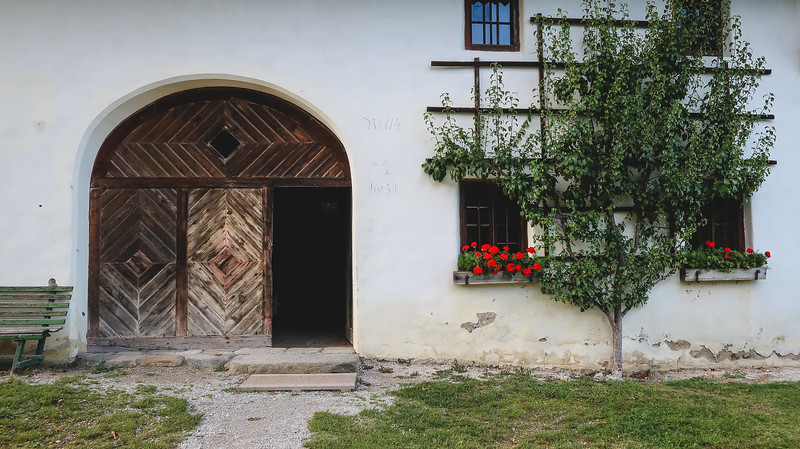
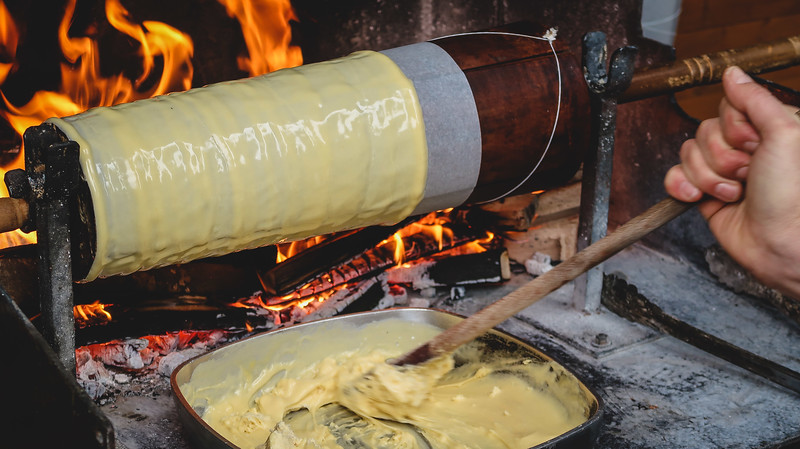
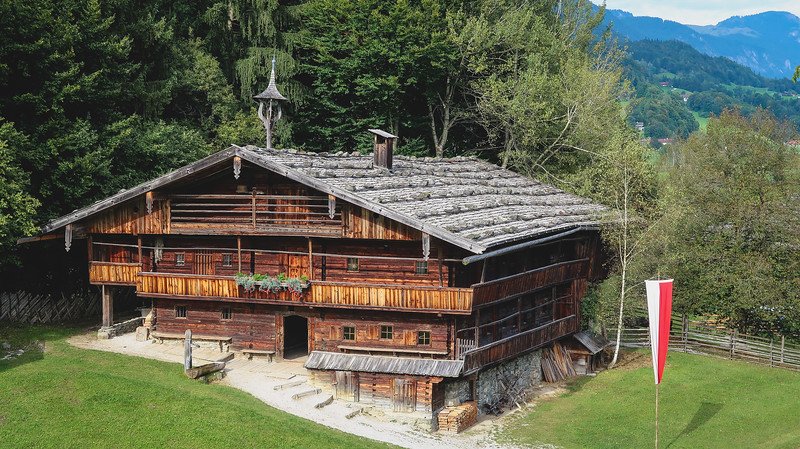
The museum showcased different types of construction from around the region; some farmhouses were made entirely out of wood, others entirely out of stone, and others combined the two elements. But my favourite farmhouse in the whole museum was the wooden one from Alpbach dating back to 1675 pictured below.
Sample Tyrolean desserts with schnapps
I don’t know if desserts and schnapps are a thing, but we sure made it one!
Just across the street from the Museum of Tyrolean Farmhouses, we found a cute restaurant called Rohrerhof and we couldn’t resist an afternoon pick-me-up! We ordered cappuccinos first, that was followed by dessert, and then I mentioned I had never tried schnapps before, and before I knew it, all of this arrived at the table. Yeah, that’s for one person!
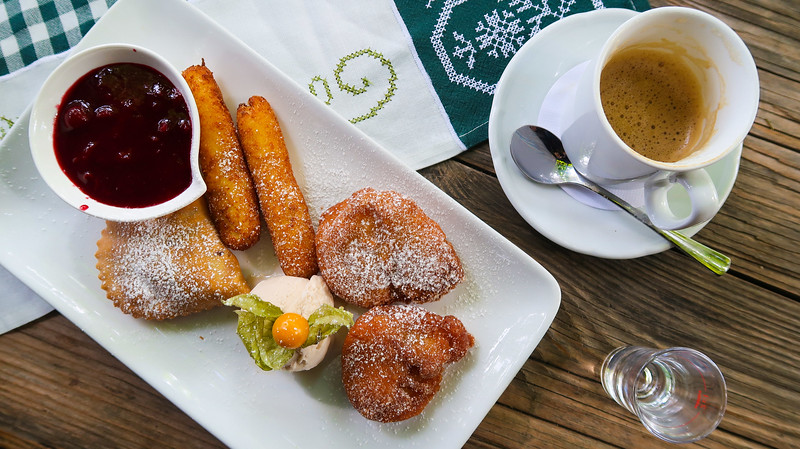
This platter of sugary goodness is called the “Dessertteller Rohrerhof” and it featured Apfelradl, an apple fritter; Grießstrietzln, fried semolina sticks; Krapfen, poppy seed doughnuts; and Zimteis, cinnamon ice cream. And yes, I was able to finish all of this on my own – if that’s not impressive, I don’t know what is!
Ride the gondola to Wiedersbergerhorn
After a really active e-biking tour the previous day, our legs were begging for a bit of a break, so instead of tackling a big hike, we opted to ride the gondola to Wiedersbergerhorn.
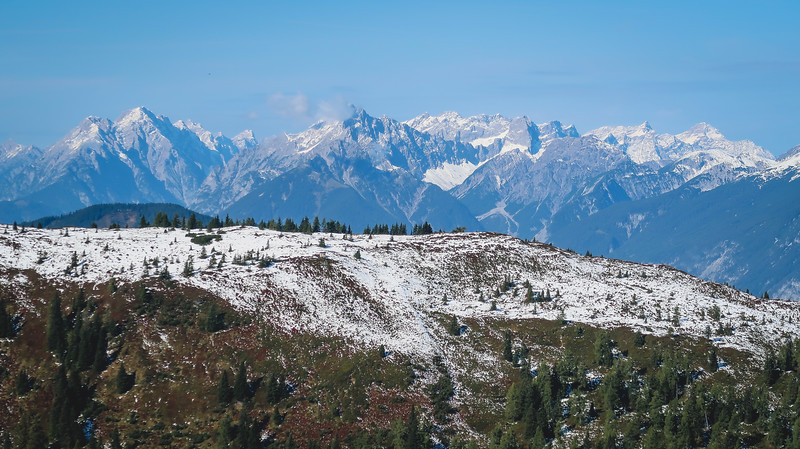
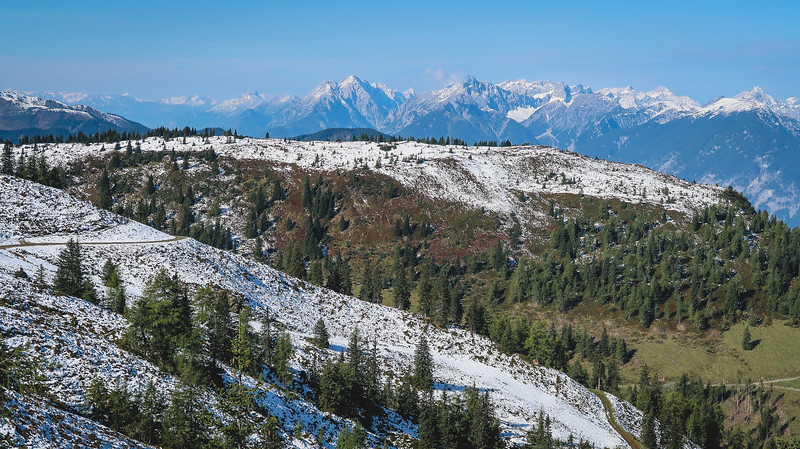
This is a mountain in the Alpbachtal Valley with a height of 2,127 meters. The gondola starts in the town of Alpbach and it drops you off at 1,811 meters, so it’s a fairly easy walk to the summit and you’re rewarded with some pretty amazing views of the valleys below and the surrounding peaks off in the horizon.
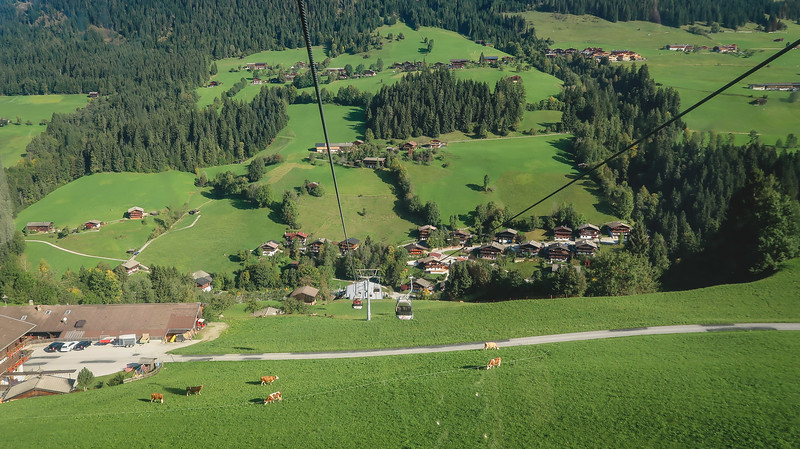
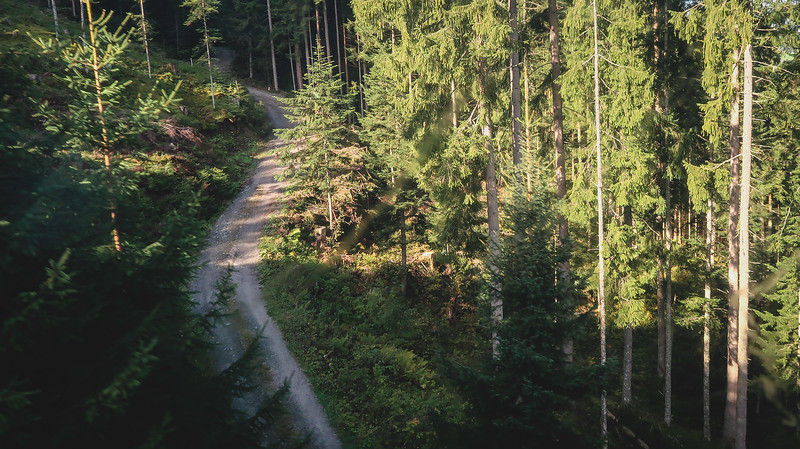
It was kind of strange starting off in a green valley where things still looked fairly summery and then finding snow on the ground once we reached the top, but those are the Alps for you!
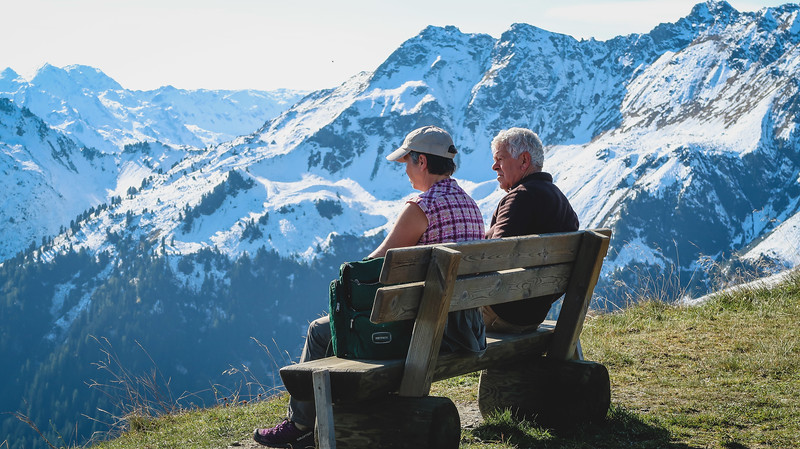
My favourite part was the log cabin restaurants they had atop the mountain. We ate at Dauerstoa Alm, which had a nice outdoor terrace perfect for coffee or drinks al fresco.
They also had lots of lounge chairs with sheepskins, and the views from the terrace were breathtaking.
We lucked out with clear blue skies, so even though there was snow all around us in September, we were hanging out in our t-shirts. It eventually got too hot for the windbreaker I had on in the photo below!
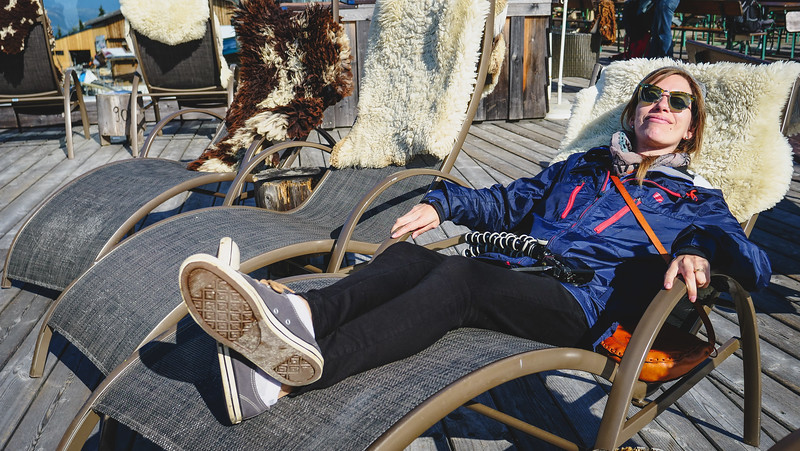
On the way down the mountain, we noticed a luxurious gondola go by complete with curtains and a table with a breakfast spread fit for a king. We then learned that you can ride a special breakfast gondola called the Genussgondel.
Breakfast is €32,50 per person, and the best part is that there’s no rush to get off your gondola once you reach the peak; you can keep going up and down until you finish your breakfast. How cool is that?
Feast on hearty Tyrolean cuisine
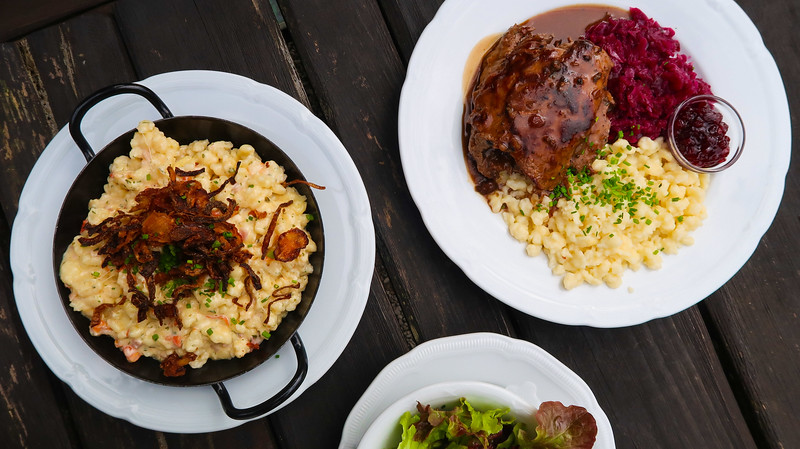
And speaking of food, another must-do in Tyrol is to sample the local Austrian cuisine. I purposely tried to order a new dish at every meal so I could get a taste of the region. These were some of my favourite dishes:
Kasspatzln – This dish is cheesy goodness! The name translates to “little cheese sparrows” but this is a bit of a misnomer. Kasspatzln actually consists of noodles that have been mixed with ooey-gooey melted cheese and then topped off with crispy onions. You may have heard of something by the name of Käsespätzle if you’ve travelled in Germany, which is basically the same dish with a different spelling.
Speckknödel – I briefly mentioned this one earlier since it’s what I ate on my e-bike tour, and it was another favourite. The star of the dish was the big, round, boiled, bread and bacon dumpling. It can be served in a light broth or on a bed of sauerkraut, and it may not look like the most appetizing thing on a plate, but I found it delicious!
Tiroler Gröstl – This next one is a fry-up that’s meant to use the previous day’s leftovers, and it’s yet another hearty Tyrolean dish you’ve got to try. It typically includes potatoes, onions, bacon (or some other form of meat), and it can also have a fried egg on top. I was served a giant pan of it, which was enough for two!
Those are just a few of the Austrian dishes to enjoy.
Watch the cows come home
And now for a bonus activity that you can only catch if you visit at the right time: the Almabtrieb!
Every year, when summer comes to an end and the temperatures begin to drop, farmers bring their cattle down from the Alps and back to town.
This calls for a big parade celebrating the “cows coming home”, and yes, the cows are dolled up with flower crowns and bells for the occasion.
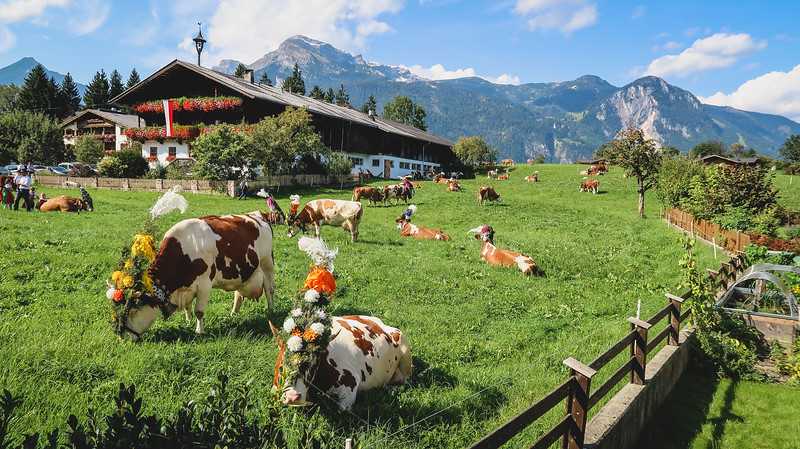
The dates for the cow parade vary from town to town across Tyrol, so you’ll want to double-check those before your visit, but if you’re going to be travelling in the region between mid-September to early-October, you might just be in luck!
And that concludes my 3-day escape to the Alpbachtal Valley. The verdict? Three days was not enough, and boy, did I not want to leave! I’m a mountain girl at heart, so I fell head over heels for this slice of Austria and I can’t wait to return one day.
Tips for visiting Alpbachtal
- If you’re flying in, the closest airport is Innsbruck. Otherwise, there are train connections throughout Austria.
- The best way to explore the Alpbachtal Valley is by car, however, you can also make use of the bus network that connects the towns around the valley.
- As an overnight guest, you are entitled to an Alpbachtal Seenland Card, which is issued by your accommodations upon arrival. This gives you free access to the regional bus service, plus a few museums and activities.
- There are numerous towns to stay in across Alpbachtal. I stayed in Reith im Alpbachtal, but the most popular of them all is Alpbach (this was actually named the most beautiful village in Austria).
- For more info on the region, you can visit: www.alpbachtal.at/en
Going Deeper: Experiencing the Best of Alpbachtal, Tyrol
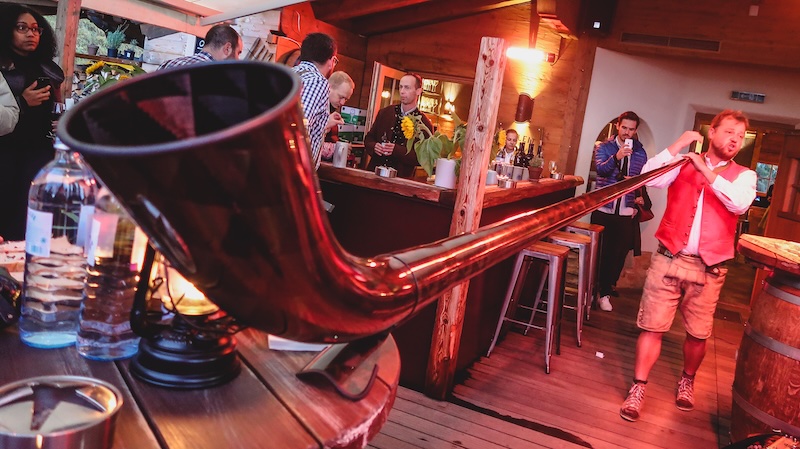
Living Like a Local: Embrace the Mountain Rhythm
If there’s one thing that makes the Alpbachtal Valley special, it’s the connection between land, people, and tradition. To get the most out of your visit, take a cue from the locals and embrace a slower, more intentional pace:
- Early Morning Magic: Set your alarm and go for a dawn stroll. Watch the mist lift from the valleys, the mountains turn gold, and the village come to life with the sound of cowbells.
- Village Markets: Check if your visit coincides with a farmer’s market or craft fair. Sample local cheeses, honey, and herbal teas, or pick up a hand-carved wooden keepsake straight from the artisan.
- Coffee Culture: Austrian coffeehouse culture is alive and well in Tyrol — linger over a Melange (similar to a cappuccino) and watch the world go by.
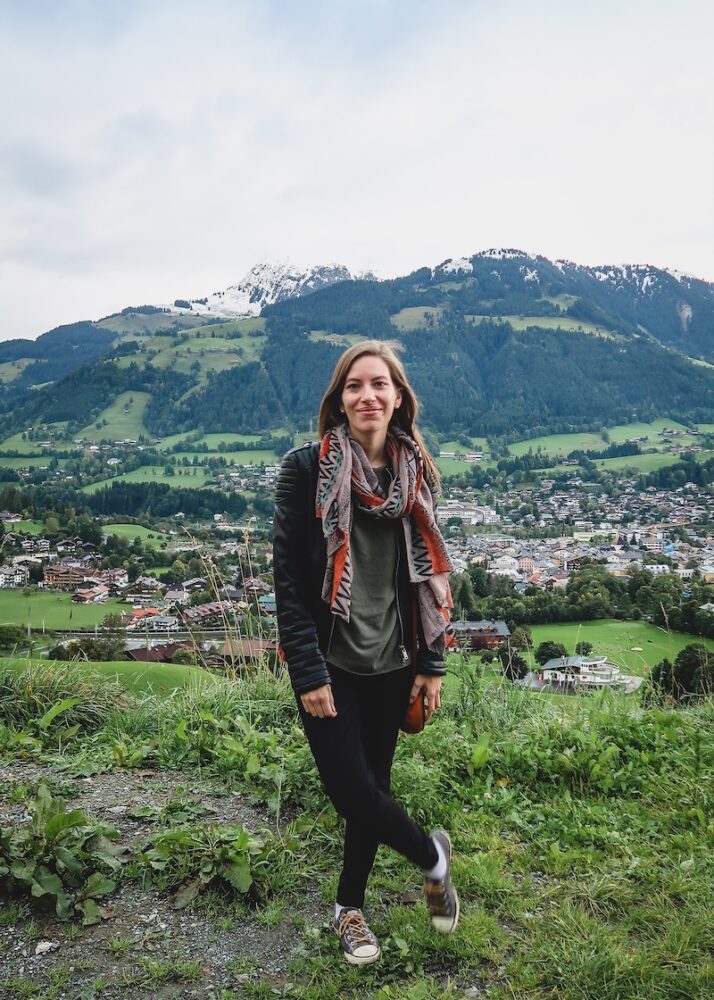
Outdoor Adventures for Every Season
The beauty of Alpbachtal is that it’s a true four-season destination — there’s something to do no matter when you visit:
Spring: Alpine Awakening
- Wildflower walks: The meadows burst into bloom, turning hillsides into a rainbow carpet.
- Spring festivals: Look out for local music or Easter traditions — Tyrolean communities love to celebrate the change of season.
Summer: The Green Alps
- Hiking & biking: Trails are at their best, and you can reach hidden lakes for a swim.
- Paragliding: Take to the skies above Alpbach for aerial views of the valley.
- Mountain hut stays: Book a night at an “Alm” for a rustic night in the high pastures.
Autumn: Golden Valleys & Harvest
- Almabtrieb: Don’t just watch the cow parade — ask about farm visits to get hands-on with cheese-making or apple pressing.
- Foraging: Join a local guide for mushroom picking or wild herb walks. Many guesthouses offer seasonal cooking classes using what you find.
- Photography: The fall foliage in the Alps is striking — fiery reds, golds, and coppers set against snow-dusted peaks.
Winter: Snowy Wonderland
- Skiing & snowboarding: The Ski Juwel Alpbachtal Wildschönau area spans around 113 kilometres of piste across 45 lifts — one of the larger ski regions in Tyrol.
- Snowshoeing: Slow travel at its best — crunch through silent forests and discover winter wildlife tracks.
- Christmas markets: Visit in December for candlelit squares, mulled wine, and crafts — Alpbach and Rattenberg are especially atmospheric.
The Story Behind Ski Juwel: How Two Valleys Became One
The Alpbachtal and neighbouring Wildschönau valley used to run as two separate, smaller ski areas. That changed in 2012, when a connecting cable car was built over the Schatzberg, linking the Alpbachtal lift network to Wildschönau’s and creating the joint area now marketed as Ski Juwel Alpbachtal Wildschönau. The merger is why a single lift pass now covers seven villages — Alpbach, Reith im Alpbachtal, Inneralpbach, Kramsach, Auffach, Niederau, and Oberau — across roughly 113 kilometres of piste and 45 lifts.
It’s worth knowing this if you’re weighing where to base yourself for a winter trip: staying in any of the seven linked villages puts the whole combined ski area within reach on one pass, not just the slopes closest to your hotel. The Schatzberg connector lift is also the fastest way to hop between the Alpbachtal and Wildschönau sides for lunch at a hut on the other valley’s slopes.
Unique Experiences You’ll Only Find Here
To really make your visit special, seek out a few off-the-beaten-path activities:
- “Heumilch” Dairy Farms: Ask your host about touring a hay-milk farm — these cows are raised on fresh mountain grass and wildflowers, resulting in cheese and butter with a distinct Alpine flavour.
- Folk Music Nights: Look for taverns hosting “Musikantenstammtisch” — casual evenings where locals bring fiddles, accordions, and yodel their hearts out. Tourists are welcomed.
- Traditional Sauna (Stubensauna): After a day on the trails, unwind in a pinewood sauna and plunge into a cold mountain stream or snowbank — the Tyrolean way to reset.
Inside the Museum of Tyrolean Farms: A Living Timeline
The open-air museum Audrey visited in Kramsach has its own history worth knowing before you go. It was founded in 1974 by local resident Heinz Mantl, with support from the Kramsach mayor and the Tyrolean provincial cultural office, after the pair became concerned that traditional Tyrolean farmhouses were disappearing as the region modernised. The project took its cue from Scandinavian open-air museums, especially Stockholm’s Skansen. The very first building moved to the site — a farmhouse called the “Schrofenaste” from the Zillertal valley — went up in 1975, and the museum has since grown to display dozens of relocated farmhouses, mills, a blacksmith’s forge, and a one-room schoolhouse, each reconstructed piece by piece from its original village.
One exhibit tells a specifically local story: the Brandenberg timber drift, a centuries-old method of floating logs down the Brandenberger Ache — the same river Audrey hiked alongside at Kaiserklamm — to supply timber and firewood to mining and smelting works downstream. The practice continued into the 20th century, with the last recorded log drift on the river taking place in 1966. If you visit the museum after hiking Kaiserklamm, it’s a neat way to close the loop on what that river was actually used for.
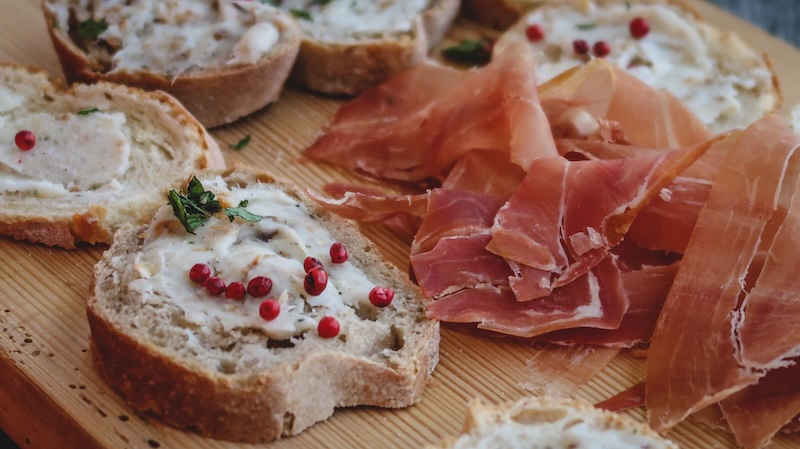
Seasonal Food & Drink – Beyond the Classics
You’ve tasted knödel and käsespätzle, but don’t stop there — Tyrolean cuisine changes with the season:
- Spring/Summer: Wild garlic soup, “Schlutzkrapfen” (Tyrolean dumplings), fresh mountain trout.
- Autumn: Game meats, pumpkin dishes, chestnut desserts, and “Sturm” (young wine).
- Winter: Hearty stews, roast goose, “Kiachl” (Tyrolean doughnuts), and spiced apple punch.
Ask your host or waiter what’s in season — there’s often a house specialty you won’t find on a standard menu.
Planning Tips & Tricks
- Weather watch: Mountain weather can change quickly. Pack layers, a rain jacket, and sturdy shoes no matter the season.
- Cash vs. card: Many mountain huts and small shops still operate cash-only. ATMs are available in the larger villages.
- Book ahead: For the best accommodation, especially during Almabtrieb or ski season, reserve well in advance.
- Language: German is the local tongue, but English is widely spoken. A cheerful “Grüß Gott!” (hello) and “Danke!” (thank you) go a long way.
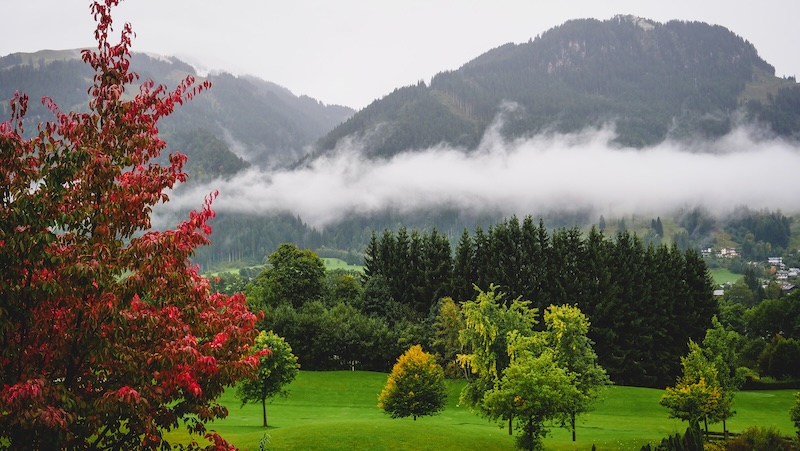
When to Go: A Season-by-Season Breakdown
| Season | Temperature | Landscape & Vibe | Star Experiences |
|---|---|---|---|
| Spring (late Apr–May) | 7–18 °C | Snowline retreats, meadows burst into pastel wildflowers. | Easy valley cycling, waterfall walks, first cattle of the year turned out to pasture. |
| Summer (Jun–Aug) | 15–28 °C | Warm lakes, forest shade, evening folk concerts. | Hut-to-hut hiking, lake swims, mountain-restaurant lunches on e-bike loops. |
| Golden Autumn (Sept–Oct) | 5–20 °C | Fiery larch forests and crisp mornings. | Almabtrieb parades, farmhouse museum visits, harvest cooking. |
| Winter (Dec–Mar) | ‑10–5 °C | Powdered peaks, frozen gorges, Advent markets. | Ski Juwel’s 113 km of piste, torch-lit snowshoe hikes, wood-smoke sauna sessions. |
Tip: If you’re torn, late September delivers a “two-for-one”: mild hiking days and Almabtrieb festivities, typically at lower accommodation rates than midsummer.
Arriving & Getting Around Without a Car
From Innsbruck Airport
- Train to Brixlegg, then a short local bus to Reith or Alpbach.
- The connection runs regularly throughout the day; check current timetables before you travel, as frequency shifts by season.
The Guest Card: The moment you check in anywhere in the valley you receive the Alpbachtal (Seenland) Card — issued free by your accommodation. It typically covers regional buses, a once-per-day summer gondola ride, and discounts on museums and other attractions. Carry it; drivers and lift staff will ask to see it.
Bike Rental vs. Car
E-bikes are widely available to rent in the villages, helmet included. Because most trailheads, bakeries, and swimming spots have a lock-up rack, you’ll only really miss a car for bigger day trips outside the valley, like Salzburg or South Tyrol.
Selecting Your Base Village
| Village | Best For | Where to Stay |
|---|---|---|
| Alpbach (“Austria’s prettiest”) | Couples, photographers, quickest gondola access. | Alpbach Lodge Superior — a luxury chalet-style property in the village, geared toward couples wanting privacy and valley views. |
| Reith im Alpbachtal | Families, self-catering, walkable dining. | Chalet Alpenglück — a well-reviewed family apartment in central Reith with a garden, terrace, and full kitchen; a short walk from the lake and restaurants. |
| Brandenberg | Quiet base for Kaiserklamm, budget-conscious travelers. | Gasthof Ascherwirt — a family-run 3-star guesthouse close to the open-air farmhouse museum and Berglsteiner See lake. |
| Kramsach | Culture, lake access, train-hub convenience. | Landgasthof Gappen — a family-run 3-star hotel with a spa area (sauna, steam bath), a short walk from the Museum of Tyrolean Farms. |
Rates vary significantly by season — expect the highest prices around ski season and late-summer weekends. Check current availability and rates directly before booking, particularly if you’re travelling during Almabtrieb or peak winter.
Booking tip: Some self-catered chalets require a Saturday-to-Saturday booking block in July and August. If you need flexible dates, target shoulder season or ask directly about last-minute gaps.
Sample 4-Day Budget (Moderate Traveller)
The figures below are a rough planning guide, not a quote — accommodation, food, and activity costs in Alpbachtal shift with season and exchange rates, so confirm current pricing before you budget your trip around them.
| Expense | Ballpark Range (per person) |
|---|---|
| 3 nights, self-catered chalet or guesthouse (shared) | Budget–mid-range |
| Groceries + a couple of restaurant meals | Moderate |
| Gondola ride + e-bike rental | Moderate |
| Museum entry + sauna session | Low |
| Local buses (free with Alpbachtal Card) | €0 |
Shoestring hack: cook at your accommodation, hike instead of taking the gondola, and use a hotel-provided bike where available to cut costs meaningfully.
Packing Essentials Checklist
- Layer-ready wardrobe (merino, fleece, wind-breaker)
- Reusable water bottle — public fountains run with cold mountain water.
- European adapter (Type F). Rural guesthouses may have limited outlets.
- Thin travel towel for impromptu lake dips.
- Trekking poles if your knees protest on steep descents.
- Zip-lock bag for cheese — your backpack will thank you.
Book Ahead: Museum of Tyrolean Farms Ticket
If you’d rather skip the ticket counter, a skip-the-line entry ticket for the Museum Tiroler Bauernhöfe in Kramsach can be booked online in advance — handy on a busy travel day or during peak summer visiting hours. Note that the Alpbachtal Card already includes free entry if you’re staying overnight in the valley, so this is mainly worth it for day-trippers coming from outside the region.
Alpbachtal Weekend FAQ: Best Time, Gondolas, E-Bikes, Almabtrieb & Cozy Farmstays in Tyrol
How many days do I need for Alpbachtal?
A long weekend (3–4 days) is perfect for a first visit: base in Reith or Alpbach, ride a gondola to Wiedersbergerhorn, e-bike a loop to a mountain hut for lunch, stroll an open-air farmhouse museum, and add a half-day hike through Kaiserklamm.
What’s the best time of year to visit?
June–September brings green meadows and open huts; late September–early October layers in golden foliage and the cow-parade (Almabtrieb). Winter (Dec–Mar) swaps bikes for Ski Juwel’s slopes, snowshoeing, and sauna sessions.
Where should I stay—Reith, Alpbach, Brandenberg, or Kramsach?
- Reith im Alpbachtal: family-friendly, lake swims, easy dining.
- Alpbach: “Austria’s prettiest village,” chalet vibes, quickest gondola access.
- Brandenberg: quiet base for Kaiserklamm.
- Kramsach: best for trains/lakes and culture. Traditional farmhouses (like the Weberhof, where Audrey stayed) deliver peak Tyrolean charm.
Do I need a car?
Not necessarily. From Innsbruck Airport it’s train to Brixlegg plus a short bus to Reith/Alpbach. With the local guest card you’ll ride regional buses free and even get a daily gondola ride in summer. A car helps only for wider day trips.
What is the Alpbachtal (Seenland) Card and how do I use it?
It’s issued by your accommodation at check-in and typically includes free regional buses, a once-per-day gondola ride in summer, plus select museums and discounts. Always carry it — drivers and lift staff will ask to see it.
What are the must-do activities on a weekend?
E-bike a scenic loop to a mountain hut (Farmkehr Alm), ride the Wiedersbergerhornbahn and stroll to the summit, sample Prügeltorte at Kaiserhaus, wander the Museum of Tyrolean Farmhouses, and hike the bridges and tunnels of Kaiserklamm.
Can beginners handle e-biking the Alps?
Yes. E-bikes add smooth assist on climbs; you still pedal but arrive smiling. Rent in town (helmet included), start with a marked loop, and plan a hut lunch. Descents require basic braking confidence — take it slow and stop for photos.
What’s Almabtrieb and when does it happen?
It’s the festive cows-coming-home parade when herds return from high pastures, adorned with bells and flower crowns. Dates vary by village, usually mid-September to early October — check local listings the week before you arrive.
Any easy hikes if I’m short on time?
Yes: the short summit path from the top of Wiedersbergerhorn gondola; lake strolls near Reith; and an out-and-back section of Kaiserklamm (watch for wet stones, wear grippy shoes).
What local dishes and treats should I try?
Kasspatzln (cheesy noodles with crispy onions), Speckknödel (bacon-bread dumpling in broth), Tiroler Gröstl (potato-pan with egg), and desserts like Prügeltorte or Kiachl. Pair with a Tyrolean schnapps post-hike.
Cash or card—what’s accepted?
Cards work in most hotels/shops, but mountain huts, small museums, and farm stands may be cash-only. Carry some euros for gondola cafés, schnapps tastings, and donation boxes.
What should I pack for a shoulder-season weekend?
Layer up: breathable base, fleece, wind/rain shell; sturdy shoes with tread; light gloves/hat for summits; sunglasses/SPF; reusable bottle. A small daypack and power bank keep cameras charged.
Read More about Austria:
- 10 Delectable Vienna Food Tours
- 7 Wine Day Trips from Vienna
- 50 Things to Do in Vienna
- Sachertorte at Vienna’s Cafe Sacher
- Visiting Werfen Castle
- Day Trip to Gaisberg
Have you been to Alpbachtal?
What’s your favourite place in Tyrol?
I visited Tyrol as part of a project managed by iambassador in partnership with the Tirol Tourist Board and Alpbachtal Seenland. As always, I maintain full editorial control of the content published here.
For me Austria is one of the beautiful places and you just proved it with your breathtaking photos.