
Are you looking for some things to do in Pokhara other than trekking?
Most travellers who come to Pokhara have one thing in mind: trekking the Annapurna Circuit. This is a famous trek that runs through the Annapurna Mountain Range in Nepal and can take anywhere between 8-25 days to complete.
But that’s not what brought me to Pokhara; I had neither the gear nor the time (nor the stamina, to be perfectly honest!) to tackle that trek. Instead, I came to Pokhara to relax and it turns out this is a pretty good place to do so!
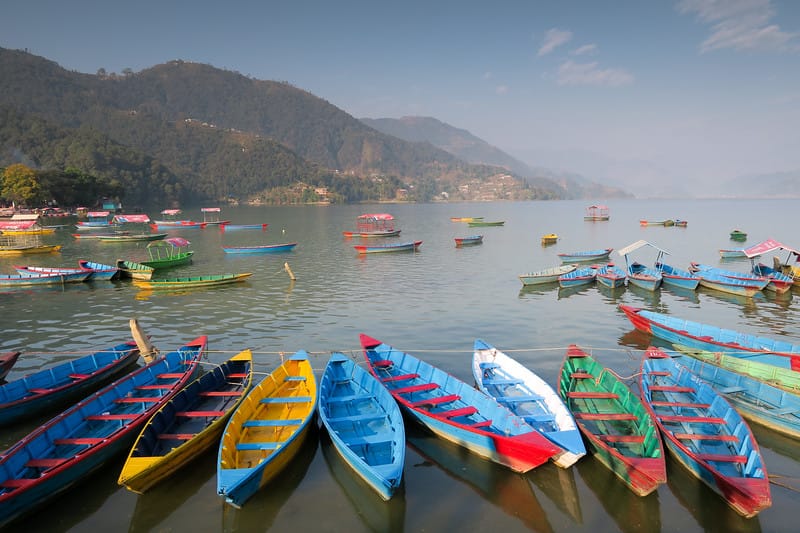
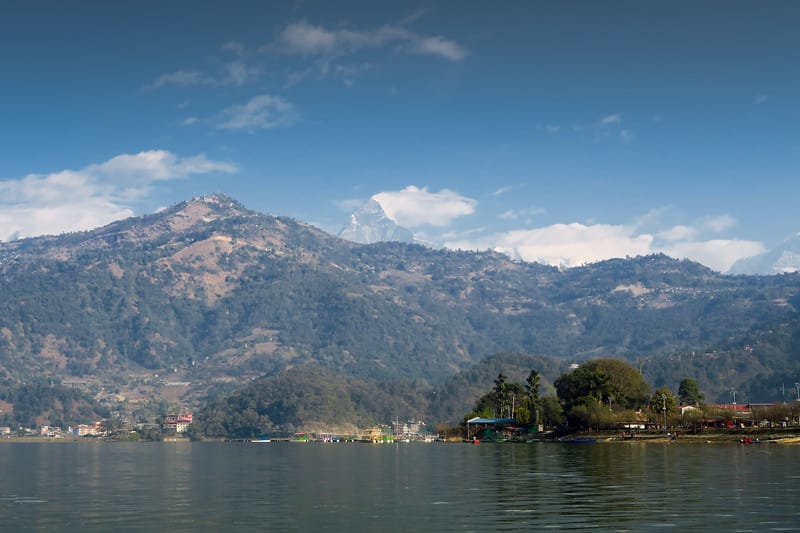
The Annapurna Mountains may get all the fame, but Pokhara offers a beautiful lakeside setting where you can unwind, soak in the natural beauty of the place, and spend a few days not doing much at all.
After a few busy days in Kathmandu, that was exactly what Sam and I were craving, so we booked bus tickets and endured a very long and bumpy journey to get there (they’ll tell you it’s 6 hours, but it really takes 8+ hours to get there with traffic and the road conditions).
The following is the non-hiker’s guide to Pokhara with a bit of sightseeing, tasty food stops, and plenty of lakeside chilling:
Things to Do, See, Eat, Drink & Experience in Pokhara, Nepal (other than trekking!)
Tour the lake by boat
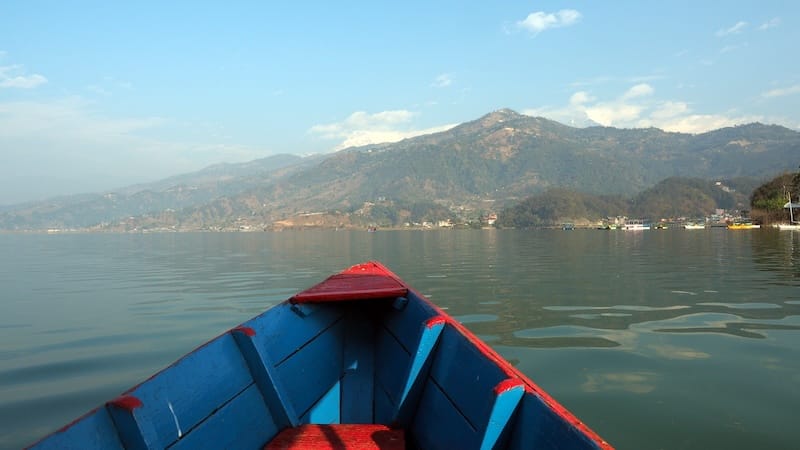
Phewa Lake is the town’s main attraction and one of the best ways to enjoy it is by hiring a colourful row boat to go out on the water.
There’s a little rental shop at the end of the boardwalk so you don’t even have to worry about bargaining. All the prices are listed according to what you want to do. Hire a rower or row yourself? A 30-minute tour or a 1-hour tour? A regular rowboat or a roofed one to shield you from the sun?
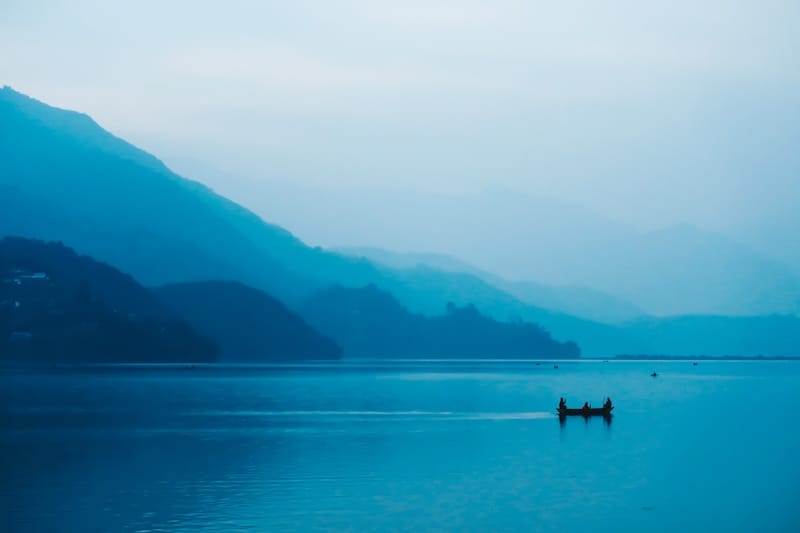
We hired a rower for 2-hours and he took us on a big counterclockwise loop around the lake. It was really cool when we reached the west side of the lake where it’s mostly wetlands because there’s a lot of wildlife – we saw quite a few eagles!
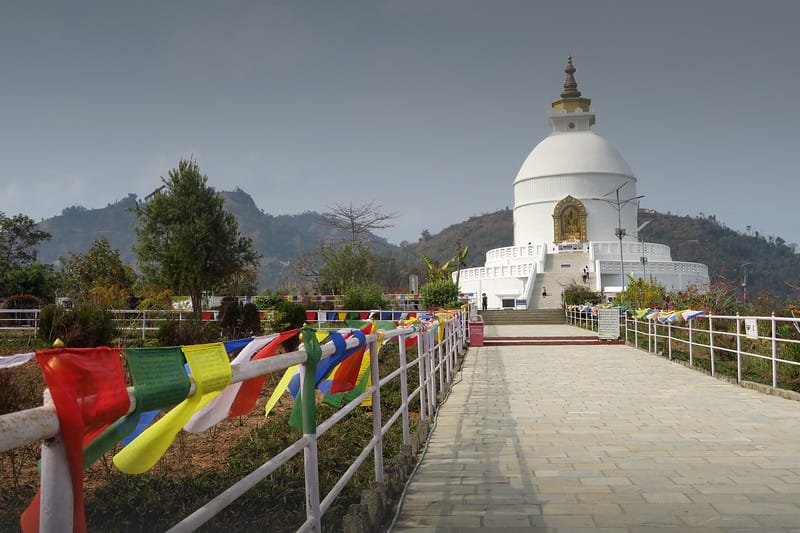
Visit the World Peace Pagoda
Rather than returning to back to the harbour, once our tour was done we asked to get dropped off at the start of the trail that leads up to the World Peace Pagoda. It was about a 30-minute hike to the top, and yes, this was the extent of our hiking in Pokhara!
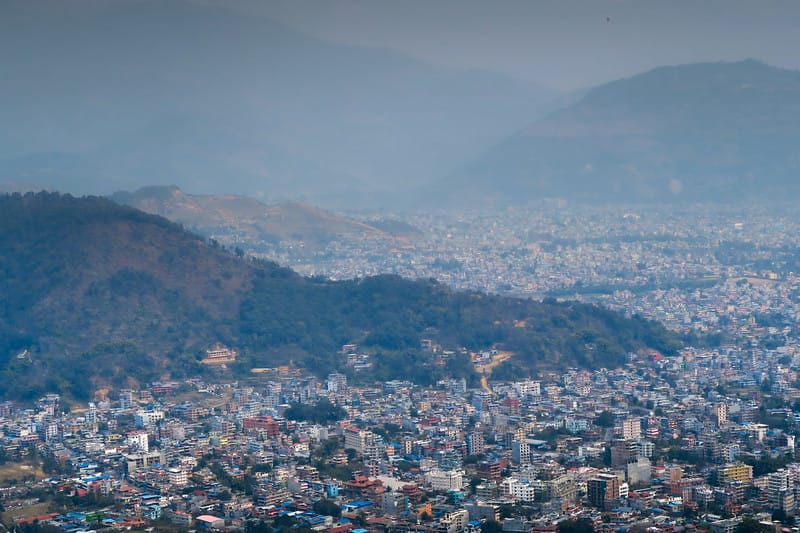
Also known as the Shanti Stupa, this pagoda sits atop a hill overlooking the city, which means once you reach the top all sweaty and out of breath, you get some pretty cool views.
There are also a handful of restaurants just outside of the pagoda, so we stopped for a cup of tea (lemon, honey, ginger – a Nepali classic!) and a vegetarian thali set.
Once you’re done sightseeing there, you can hire a taxi to bring you back into town.
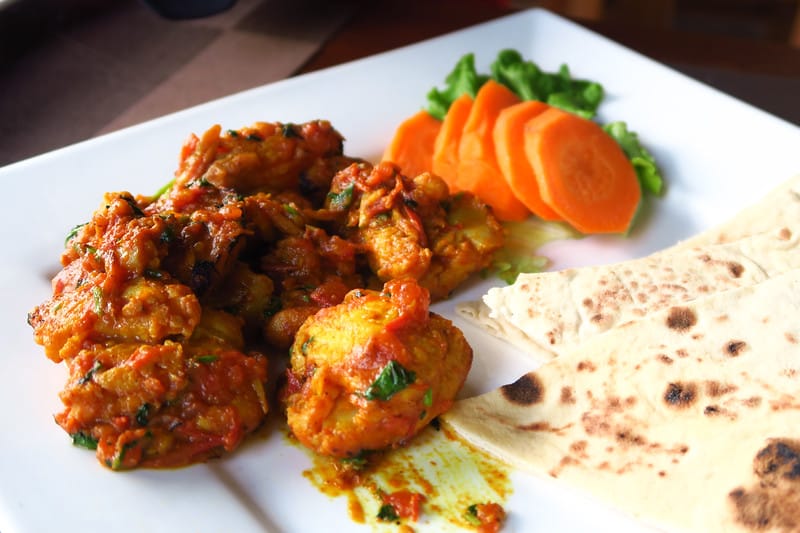
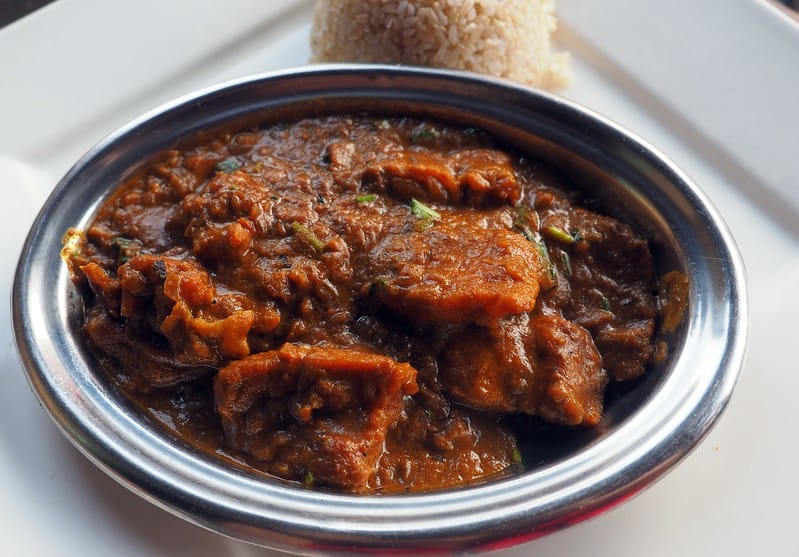
Eat the local dishes
One of our favourite restaurants in town was the Olive Cafe. They call themselves a European cafe with Nepali flavour, and we had some of our best meals there. There are two dishes in particular that I would recommend trying:
The first is Fish Choila (sometimes also written as Chhwela). This is a Newari dish that’s typically prepared with marinated buffalo meat, but the buffalo is swapped for fish in Pokhara since the city is right by a lake. It’s similar to a hot and spicy curry and it comes packed with flavour.
The second dish I would recommend trying there is the Pokhara Curry. Again, this dish is prepared with fish from the local lake and it is delicious! I wish I could tell you what they put in it, but the menu only said ‘a secret mix of spices’, so I don’t think they’re going to be divulging their secrets any time soon. We ordered this with a side of brown rice.
For dessert, they serve up a decadent Machhapuchhare Kiss. This is an ice cream cake named after one of the peaks in the Annapurna Mountains. The cake has a bottom cookie and chocolate layer, vanilla ice cream, and lots of chocolate sauce drizzled all over.
Lastly, if you haven’t had your fill of momos while travelling in Nepal, you’ll find that there is no shortage of restaurants serving up steamed dumplings.
Shop for Nepali souvenirs
Pokhara also turned out to be a great place to stock up on souvenirs and we ended up doing the bulk of our shopping here.
I picked up some breezy linen shirts and pants since we were travelling to India next, plus lots of little knick-knacks for our future home. You can find prayer bowls, prayer wheels, beaded jewellery, puppets, embroidered pillow covers, leather handbags, carved masks, pashminas, wooden sculptures, felt products, and so much more!
You’ll find that souvenir shops pretty much line Lakeside Road and also spill into the side streets, so have a good browse before you buy.
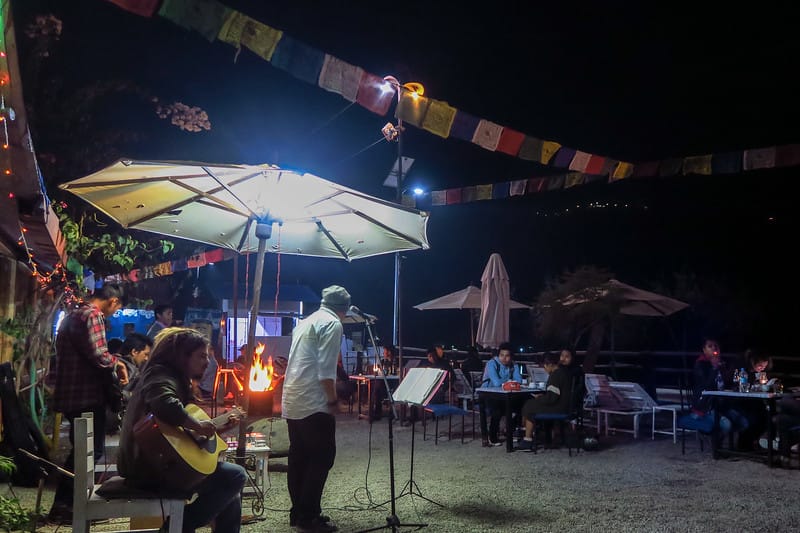
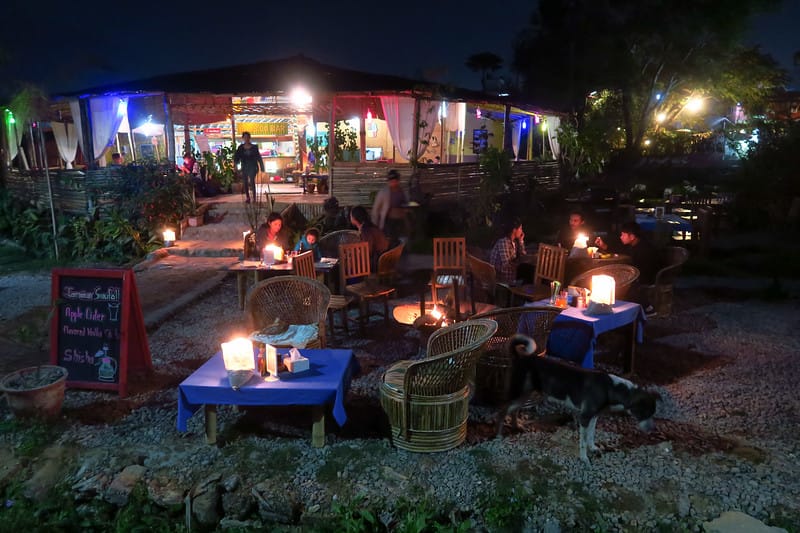
Chill out at the lakeside bars
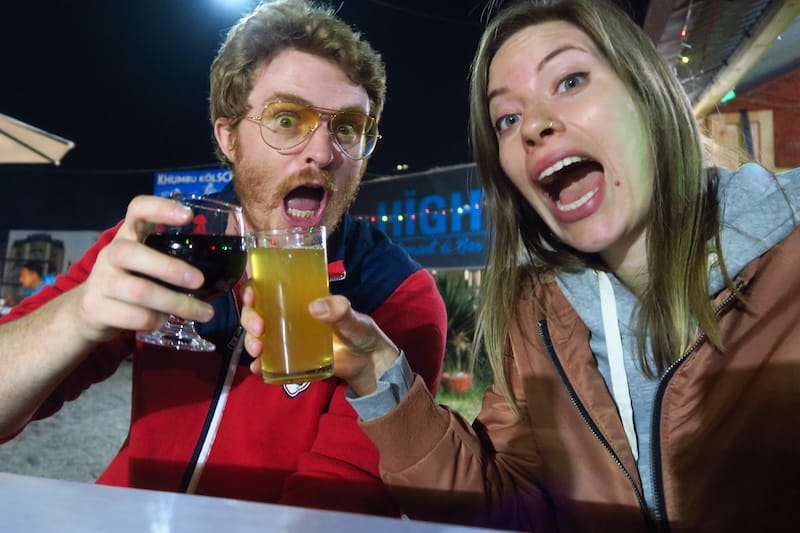
The thing to do in Pokhara right around sunset is to go down to the waterfront. Here you’ll find a string of bars where you can listen to live music and grab a beer or a glass or wine (but usually a cup of tea for me since it was quite chilly out).
Some of our favourite spots along the waterfront were: Bamboo Bar, Purple Planet and Hightide. They were all great spots with their own vibe, but I particularly enjoyed Hightide because they brought in local musicians who sang a mix of Nepali songs and English cover songs.
Dabble in adventure sports
Right off the bat, I’m going to tell you that I didn’t do any of this, but if adventure sports are your thing, you’ve got plenty of options in Pokhara.
Just to give you an idea, you can go paragliding, whitewater rafting, kayaking, bungee jumping, motorbiking, or even flying on a microlight. There are lots of tour operators scattered across town, so this is really easy to arrange.
Paragliding is by far the most popular of these activities and every morning we could see a slew of paragliders swirling just off of Sarangkot, which also happens to be the place to catch sunrise.
Where to stay in Pokhara
While in Pokhara, we stayed at Hotel Middle Path and Spa. The hotel is located in Lakeside, which is where you want to be as a traveller. Not only is this a scenic area, but you also have plenty of restaurants, cafes, souvenir shops, tour operators, and everything you could possibly need for your stay.
Our hotel was located on Middle Path Street, which is a quiet side street off the main strip. The property felt like a mini oasis; they had a courtyard surrounded by vegetation, and I really enjoyed lounging on the day beds to the sound of a trickling waterfall. Also, if you end up staying there, don’t forget to go up to the rooftop for sunrise. The mountain peaks look like they are glowing when the first morning light hits them!
Hiking the Annapurna Circuit
Like I mentioned, I didn’t come to Pokhara to hike, but if you’re looking to tackle the Annapurna Circuit, here are some helpful articles written by fellow travel bloggers:
Annapurna Circuit: A Beginner’s Survival Guide by Nomadasaurus
The Annapurna Circuit: 11 Days on the Trail by Just a Pack
The Annapurna Circuit: Too Beautiful to Miss by Be My Travel Muse
26 Tips for trekking the Annapurna Circuit by The Yoga Nomads
Beyond the Circuit: 9 More Ways to Love Pokhara When You’re Not in Hiking Boots
1 | Cycle the Lake Loop & Hidden Waterfalls
If you still want a dash of cardio minus the 4,000-metre passes, rent a mountain bike on Lakeside Rd. Head south along the dusty track that skirts the reed beds, cross the dam at the lake’s tail, then pedal up to Davi’s Falls, where the Pardi Khola river plunges into a limestone sinkhole (entry around 30 NPR for foreign visitors). Five more minutes brings you to Gupteshwor Mahadev Cave (entry around 100 NPR); stash the bike outside and duck through dripping chambers to a subterranean view of the falls. The full loop back through farmland takes about three hours at photo-stop pace.
Tip: ask for a bike with front suspension — potholes are common on the dustier stretches.
2 | Sit in on a Monastery Puja
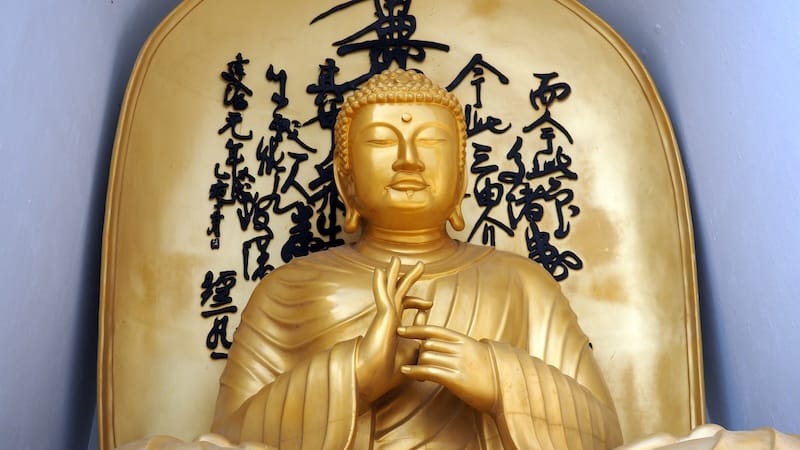
Several Tibetan Buddhist monasteries sit in the hills around Pokhara and welcome day visitors. The easiest to reach is Jangchub Choeling Monastery in Hemja, a working monastery and community hub for Pokhara’s Tibetan refugee settlement, roughly 9–12 km north of Lakeside by taxi or local bus. Try to time your visit for the afternoon puja, usually held around 3 to 3:30 p.m., when deep-throated horns, cymbals and chanting fill the prayer hall. There’s no entrance fee, though donations are welcomed and support the monastery and its community programs. A few Tibetan handicraft stalls line the path in, so bring some cash if you want a souvenir.
3 | Spa and Steam: A Local-Style Reboot
Those long bus rides earn you a treatment. A standout is Seeing Hands on Middle Path Street, a social enterprise offering massages from professionally trained visually impaired therapists — expect to pay roughly 1,800–3,000 NPR depending on duration, and book ahead since it’s popular with trekkers coming off the trail. For something more local, ask your hotel about arranging a Jauku steambath: a small pine hut packed with eucalyptus leaves where herbal steam rises from heated stones while you sit on a slab bench.
4 | Paddleboard at Sunset
Stand-up paddle boards are steadier than they look, even for the balance-challenged. Paddle Nepal, a long-running local outfitter based near north Lakeside, rents boards and runs guided sessions on Phewa Lake, including sunset paddles that glide past Tal Barahi Temple as the light turns copper and paragliders spiral overhead. No trekking legs required.
5 | Dive into Gurkha History
A short taxi ride east lies the Gurkha Memorial Museum near Mahendra Pul. Three floors trace the history of Nepal’s Gurkha soldiers, from 19th-century campaigns through both World Wars to modern peacekeeping duty, using uniforms, medals, photographs and multimedia displays, including a section on Gurkha Victoria Cross recipients. Entry is around 200 NPR for foreign visitors (100 NPR for SAARC nationals); it’s open daily from 8:00 a.m. to 4:30 p.m. Plan on an hour.
6 | Day-Hike Lite: Sarangkot Sunrise & Naudanda Ridge
If sunrise appeals more than a 20-km trail day, catch an early taxi (best shared with fellow guest-house travellers to split the cost) to Sarangkot View Tower. It’s the classic vantage point for watching Machhapuchhare and the Annapurna range catch the first light. If you’d rather not arrange transport yourself, the Sarangkot Sunrise Tour from Pokhara on Viator handles hotel pickup and drop-off. From the tower, it’s an easy amble west along a rhododendron-lined ridge to Naudanda village — about 8 km, mostly flat to downhill — before flagging a bus back to Pokhara. For travellers who’d rather add the adrenaline of flying down instead of walking, the Paragliding at Sarangkot from Pokhara tour on Viator launches tandem flights from the same viewpoint, typically 20–30 minutes in the air with hotel transfers included.
7 | Take a Cooking Class
Sign up for Rekha’s Cooking Class, a home-based cooking session outside Pokhara run by Rekha and her husband, who also operate a foster home for local children. You’ll learn to cook dal bhat and momos using ingredients largely grown in their own garden, with hotel pickup typically included. It’s a genuinely local alternative to a restaurant-based class, and the class fee supports the family’s foster foundation.
8 | Browse the Creative Co-ops
Pokhara’s artisans have moved beyond souvenir trinkets. A few worth seeking out along Lakeside and its side streets:
| Shop / Collective | What to Look For |
|---|---|
| Women’s Skills Development Organization | Hand-loomed cotton bags and table runners |
| Sabah Nepal | Naturally dyed cashmere-blend shawls |
| Mila Handicrafts | Up-cycled bicycle-tube wallets and rice-sack totes |
Prices at these cooperatives tend to be fixed, with proceeds supporting local artisans directly.
9 | Catch an Evening Screening
When the lakeside bars crank up cover bands and you’d rather have something quieter, Pokhara has open-air cinema venues tucked into the hillside above Lakeside, with cushion seating and simple food menus. Screening schedules change, so check locally or via Instagram listings once you’re in town. Bring a shawl — the mountain air gets cold once the sun’s down.
Where to Stay: More Options by Traveller Type
Beyond Hotel Middle Path & Spa, Pokhara’s Lakeside has plenty of range depending on your travel style and budget:
Forest Lake Backpacker Hostel — a longtime favourite with solo travellers and backpackers, this hostel uses wooden bunk frames rather than the shakier metal ones common elsewhere in Nepal, and has built a reputation as a social base for people arriving straight off treks.
Temple Bell Boutique Hotel & Spa — a solid pick for families, with an outdoor pool, free private parking, and a quiet setting a short walk from Lakeside’s main strip.
Temple Tree Resort & Spa — for a splurge or honeymoon stay, this hillside property overlooks the lake with an infinity pool and mountain views, a step up in comfort from the Lakeside guesthouses if you want a quieter, more private base.
Logistics & Little Things
- Cash vs. card — ATMs are common along the main strip but can run dry, especially after local payday. Keep enough cash on hand for taxis and small eateries, as card readers aren’t always reliable.
- Wi-Fi reality — Lakeside cafés advertise fibre internet, but storms knock out power fairly often. If you need to work remotely, an Ncell SIM with decent 4G coverage is a reasonable backup.
- Transport out — Tourist buses to Kathmandu or Chitwan usually depart around 7 a.m. from the lakeside bus park. GreenLine buses offer a more comfortable ride with a lunch stop included, or you can fly to Kathmandu with Buddha Air in about 25 minutes.
- Altitude — Pokhara sits at around 800 metres, making it a comfortable place to acclimatise before any higher-altitude trekking, or simply to enjoy easier breathing after Kathmandu.
- Responsible travel — Litter cleanup initiatives around Phewa Lake run periodically; ask at your hotel or a local café about joining one during your stay.
A Two-Day Chill Itinerary (No Trekking Shoes Required)
Day One
08:30 — Breakfast at Little Windows (try the shakshuka).
10:00 — Rowboat hire; drift out to the western wetlands and look for kingfishers.
11:30 — Walk up to the World Peace Pagoda for photos and tea.
14:30 — Taxi back for lunch at Olive Café.
16:00 — Massage at Seeing Hands.
18:00 — Sunset beer at Bamboo Bar.
20:00 — Momos and live Nepali folk music at a lakeside restaurant.
Day Two
05:00 — Taxi to Sarangkot for sunrise.
08:30 — Ridge walk to Naudanda, then bus back.
12:30 — Cooking class with Rekha (includes a lake area visit).
17:00 — Browse the artisan co-ops.
19:30 — Evening film screening, if one’s on.
22:00 — A last stroll along the lakeside.
Two days, minimal elevation gain, and still plenty of Pokhara’s charm.
Pokhara Travel FAQ: Things to Do Without Trekking the Annapurna Circuit
What makes Pokhara worth visiting even if you’re not trekking?
Pokhara is a relaxed lakeside city at the foot of the Annapurna range. Even without lacing up hiking boots, you can row on Phewa Lake, visit monasteries, try local fish curries, shop for handicrafts, catch live music by the water, or just take in the mountain views from a café chair.
How do you get to Pokhara from Kathmandu?
Most travellers take the tourist bus, which is advertised as a 6-hour trip but usually runs closer to 8 due to road conditions and traffic. GreenLine buses offer more comfortable seating and a lunch stop. Buddha Air also flies the route in about 25 minutes.
What’s the best area to stay in Pokhara?
Lakeside is the main traveller hub — scenic, walkable, and close to restaurants, cafés, shops, and tour operators. Quieter side streets like Middle Path still put you within easy reach of everything.
Is Pokhara good for a short, relaxing trip?
Yes. Two to three days is enough for a low-key mix of lakeside breakfasts, a rowboat outing, the pagoda hike, sunset drinks, and an evening screening or two — no trekking gear needed.
What are the best things to do on Phewa Lake?
Rent a colourful rowboat with or without a rower, paddle out to the wetlands to spot birdlife, visit the island temple, or try a stand-up paddleboard session with Paddle Nepal at sunset.
Is there any light hiking or viewpoint access without a full trek?
Yes — the World Peace Pagoda hike is a manageable 30-minute uphill walk with panoramic views. Or take a taxi to Sarangkot for sunrise, followed by an easy ridge walk to Naudanda village.
What local dishes should I try in Pokhara?
Try Fish Choila, a spicy Newari-style curry using lake fish; Pokhara Curry, a house specialty at Olive Café; and the Machhapuchhare Kiss ice cream cake for dessert. Momos are everywhere and worth trying at more than one spot.
Are there cultural or wellness experiences besides sightseeing?
Yes — sit in on a monastery puja at Jangchub Choeling, take a home cooking class with Rekha, or book a massage at Seeing Hands.
What are some easier adventure activities for non-trekkers?
Pokhara is a hub for tandem paragliding and stand-up paddleboarding, plus light cycling around the lake and out to Davi’s Falls. These deliver the scenery and a bit of adrenaline without the commitment of a multi-day trek.
Where can I shop for authentic Nepali handicrafts?
Head to Lakeside Road and its side streets. Look for cooperatives like the Women’s Skills Development Organization, Sabah Nepal, and Mila Handicrafts — prices are typically fixed and support local artisans directly.
What’s the nightlife like in Pokhara?
Evenings are mellow and lakeside-focused — sunset drinks at bars like Bamboo Bar or Purple Planet, live music at Hightide, or a quieter open-air film screening if the timing works out.
When is the best time of year to visit Pokhara?
Spring and autumn typically bring clearer skies and milder temperatures, which suit lake activities and light hikes well. Winter offers crisp mountain views, while summer is greener but wetter.
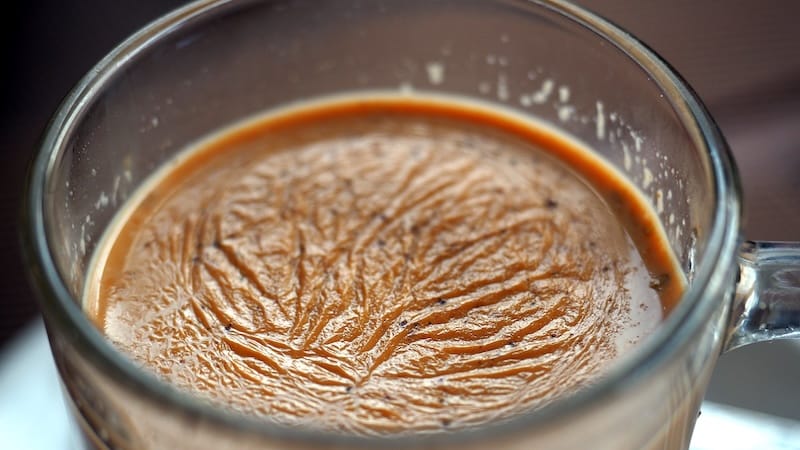
Final Sip of Masala Tea
The Annapurna Circuit is a genuinely epic trek. But Pokhara doesn’t require blistered heels to be worth the trip — there’s plenty to enjoy at lake level, at your own pace.
Have you been to Pokhara?
How did you spend your time there?
I so wish this post had been around when I visited Pokhara in 2012! I was finishing up an intense project with Room to Read’s Nepal office, and I took off to Pokhara for 5 days of relaxation and quiet. It remains one of my favorite places and one of my favorite holidays, and while I found ways to occupy myself I would have loved a non-Annapurna guide to the town. This is great, and I will definitely use it as a resource if and when I find myself back in Pokhara. Lovely photos, and thanks for sharing!
Thanks, Veena! It sounds like you still managed to have a nice relaxing holiday there. 🙂
I applaud you doing something different than everyone else. I too, would never be able to do any circuit for anything. Knees are crap. So this was so nice! I was able to learn about Pokhara without the post being about a trail I’d never be able to do. Thank you for showing the culture a bit more. I’ll have to remember the food you recommended. Don’t know when I’ll get to Nepal, but hopefully soon.
I’m glad you enjoyed the blog post, Shelby. Pokhara was really relaxing, so I’m glad I chose to take it easy and just enjoy the town and the scenery.
Hey Audrey. I went to Pokhara after my 12-days Annapurna Circuit trek and stayed there for a week. Glad to see you enjoyed it as much as I did. Exploring the city with rented motorcycle is the best way to explore everything there in my opinion. Chilling out in Busy Bee Bar at night puts a perfect ending for an adventurous day. And yeah, Annapurna Circuit trek is no joke. 😀
Hi Audrey,
Just stumbled upon tour post ” Guide to Pokhara For Non Hikers”. I most say you have covered all the ground through experiencing the famous activities and attractions in Pokhara. There is always a next time to trek to Annapurna. You may rent the trekking gears from the Thamel area of Kathmandu, which will be rather cheaper in my opinion.
I must say you have covered almost everything on Pokhara. Great work!!
Keep on the great work.
Cheers:)
Just stumbled upon tour post ” Guide to Pokhara For Non Hikers”. I most say you have covered all the ground through experiencing the famous activities and attractions in Pokhara. There is always a next time to trek to Annapurna. You may rent the trekking gears from the Thamel area of Kathmandu, which will be rather cheaper in my opinion.