
This past summer I spent 2 months travelling around Europe with a Eurail pass, where I took a total of 12 trains through 8 cities and 7 different countries. Over the course of the trip I rode a mix of high-speed trains and regional trains, I sat in crowded trains and empty trains, and I even missed a few tight connections.
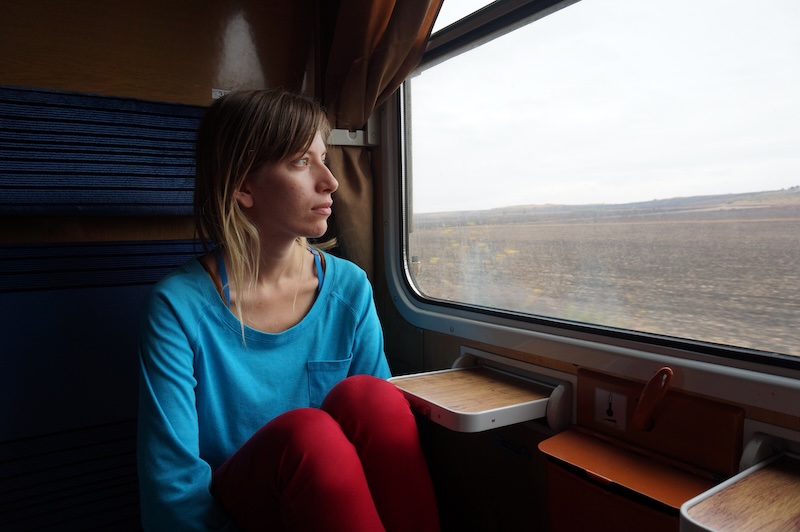
Travelling by train proved to be a really fun way to see Europe, however, I also picked up a few tips and tricks after having a couple of train mishaps along the way. For anyone thinking of seeing Europe with a Eurail pass, here are a few things to keep in mind:
The Rail Planner app is your best friend
What I loved about this app is that it downloads all the train schedules on to your phone so that you can access them offline. It’s perfect for planning your travels on the go and making alternate plans to catch a later train if you missed a tight connection. Also, the app allows you to filter your rail options based on: direct connections only, trains without a compulsory reservation, and trains with a bicycle carriage. Super handy!

Don’t forget to validate your Eurail pass
Your Eurail pass needs to be validated at a train station before you can start using it, and you want to give yourself plenty of time to do so. Don’t try validating your pass on a Sunday morning in small-town Germany when they run on restricted schedules…your train may leave before the office even opens!
Take extra care filling out your pass
It’s also really important that you fill out your pass every time you start a leg of your journey. Because the Eurail pass gives you a specific number of travel days within a certain time frame, if one of the train officials catches you with an incomplete pass, they’ll think you’re trying to squeeze some free travel days. Same goes if you make a mistake filling out your pass; if you try to change your mistake, this will look like tampering. You must fill out your pass in ink, and you want to be really careful since any errors could result in a lost travel day.

Be aware that some trains require reservations
Yes, even with your Eurail pass, some of the high speed trains and overnight trains require that you make a reservation ahead of time. You can check this on the Rail Planner app when you plot your route – trains requiring a reservation will be market with an ‘R’. Additional reservation fees and surcharges apply to these trains on top of the cost of your pass.
Consider taking the regional trains to save money
If you don’t want to pay additional fees to travel on certain high speed trains, and if you have time to spare, you can always opt for the regional trains that travel at a slower speed and make more frequent stops along the way. It may take you twice or thrice as long to reach your destination, but it’s a good opportunity to enjoy the scenery or read a book.
When I was travelling from Luxembourg to Paris, I had the option of taking the regional trains which would get me to Paris in 6 hours, or taking a direct high speed train that would have me there in 2 hours. Since the later required paying an additional fee, I opted to take the slower train and catch up on some work instead.
Know when to bite the bullet and pay out of pocket
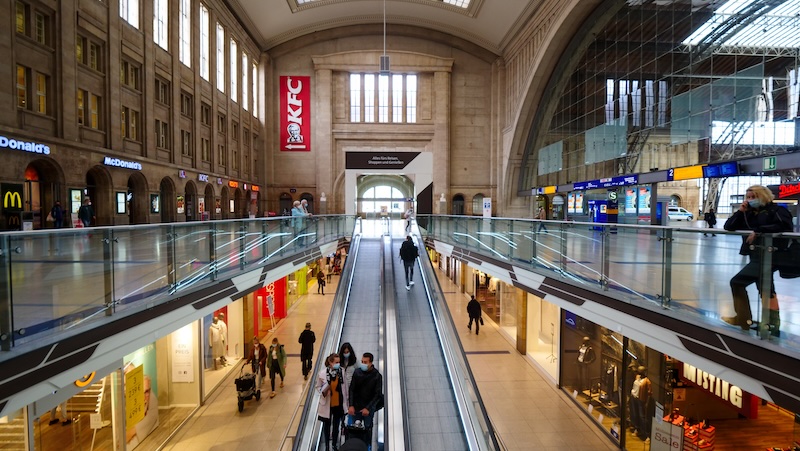
Travelling on the regional trains may save you money, but if you need to cover a lengthy distance and you don’t want to spend 2 days stuck on a train, you’ll have to pay out of pocket to upgrade to the faster trains.
As an example, I needed to get from Paris to Madrid in a day. When I filtered the routes avoiding trains requiring a reservation, I found that the journey would take anywhere between 44-55 hours – I couldn’t do that. However, if I was willing to upgrade to trains requiring a reservation, I could cut my travel time down to 10 hours. Sometimes it’s worth paying out of pocket.

Need reservations? Make them well in advance
Train travel is a popular way to see Europe, and during the summer months certain routes can fill up. You don’t want to show up at the station a few hours before catching an overnight train from say Prague to Amsterdam, only to discover that there are no seats available. If you’re planning to travel on a route that requires a reservation, book it as soon as you have concrete travel plans.
source: Samuel and Audrey on YouTube
Sometimes it’s worth missing a tight connection
If there’s one thing that stressed me out about train travel, it was the tight connections. I travelled on routes that gave me as little as 12 minutes to haul all my luggage off one train, check the timetable for my next connection, run halfway across the station to find the next platform, weave my way through a mass of people, and then haul my luggage onto the next train. That’s enough to make you break out into a mild panic!
That’s why I decided that sometimes it’s best to just miss that tight connection and catch the one leaving after that. If it’s a popular route, the next train may leave within the hour or sooner, which gives you plenty of time to grab a snack, go to the washroom, and find your way without feeling rushed.
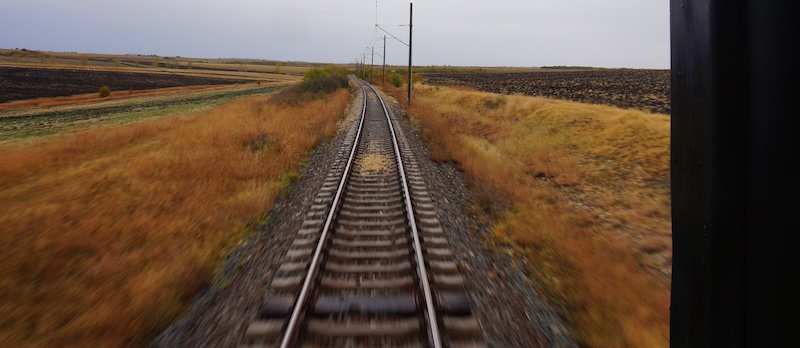
Choose your pass carefully
I had a Global Pass that gave me 15 days of travel within a 2 month window, and it also gave me the freedom to travel through 28 countries. However, looking back, I hardly made use of all those available travel days! Before you get a pass, think about where you want to go, and then decide if you really need the Global Pass or if a One Country Pass or a Select Pass (that covers 2-4 neighbouring countries) would be more efficient and wallet-friendly.
Lastly, bring snacks on board!
I don’t know about you, but I like to snack all day long (it’s what keeps ‘hanger’ at bay). However, what I found was that not all trains sell food onboard. This is especially true of regional trains, so if you have a long travel day ahead of you, it’s best you bring a few snacks on board.
Beyond the Basics: How to Get the Most Out of Your Eurail Pass Adventure
Mastering the Art of Packing for Train Travel
Let’s start with the luggage. Train travel skips airport lines, but it comes with its own packing logic:
- Opt for soft-sided luggage or backpacks: these squeeze into overhead racks or under seats far more easily than a hard-shell case, especially on crowded trains.
- Pack light, pack smart: you’ll thank yourself when you have to haul your bags up a flight of stairs at a tiny countryside station — not every station has elevators or escalators.
- Essentials to keep handy: passport, Eurail pass, reservation slips, a refillable water bottle, snacks, hand sanitizer, phone charger or power bank, and a scarf or light sweater (trains can be chilly even in summer).
- A small lock: for peace of mind when you’re napping, especially on overnight trains.
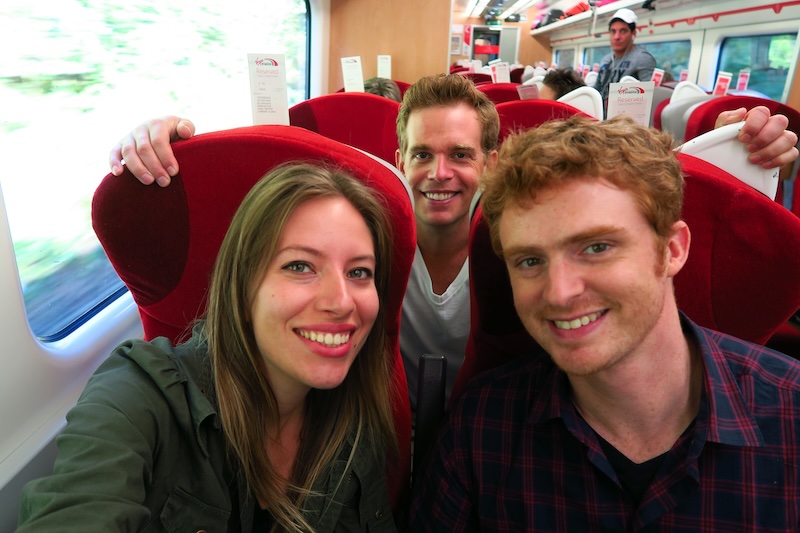
How to Make the Most of Your Time Onboard
Train travel is part of the experience, not just a way to get from A to B.
Window Seat Wonders
Always try to snag a window seat. European train routes often pass through spectacular scenery: rolling vineyards in France, the snow-capped Alps between Switzerland and Italy, or the craggy coastlines of Portugal.
Connect and Disconnect
- Use longer journeys to journal, read, or sketch — trains have a way of making space for that kind of thing.
- On the flip side, striking up a conversation with a local or a fellow traveler can turn up some of the best on-the-ground tips you’ll get anywhere.
Download Podcasts, Music, and Maps Offline
Wi-Fi isn’t guaranteed, and cell service can be spotty, especially in tunnels or remote areas. Download entertainment and offline maps for your destination before you board.
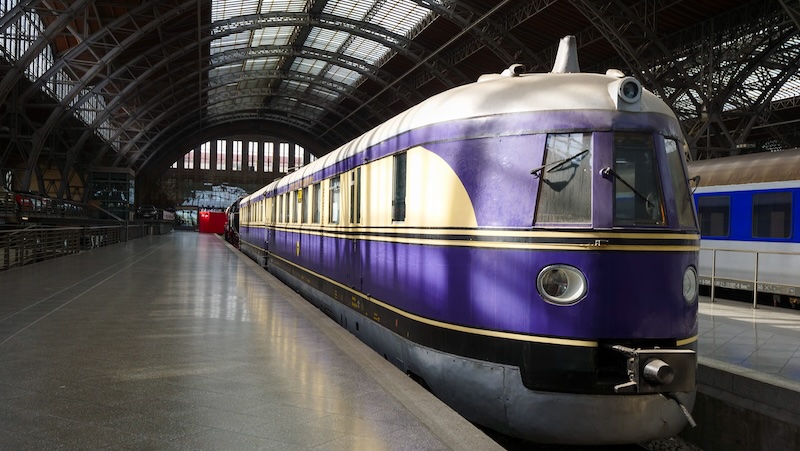
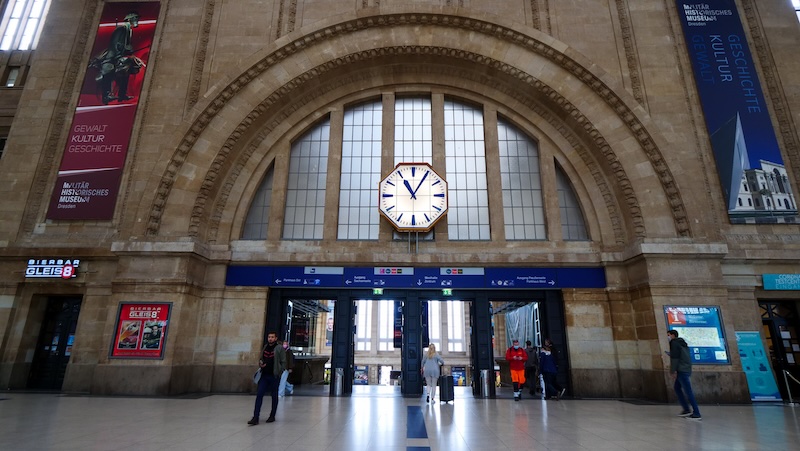
Navigating Train Stations Like a Pro
Europe’s grand train stations are a treat — some are practically palaces (hello, Antwerp Central) — but they can also be daunting. Here’s how to get through them smoothly:
- Arrive early: especially at major hubs, allow extra time to navigate sprawling terminals, find your platform, and maybe grab a snack.
- Always check the departure boards: platforms can change at the last minute, so keep an eye on live updates (“Gleis” is platform in German, “Voie” in French, “Binario” in Italian).
- Restroom situation: many stations charge a small fee for toilets — keep some coins handy.
- Left luggage lockers: if you have a long layover or want to explore a city for a few hours, most big stations offer luggage storage.
Overnight Trains: A True Eurail Adventure
Night trains are a classic European experience, and a great way to maximize your travel time and budget — accommodation and transport in one.
- Book as early as possible: popular routes and private cabins fill up fast.
- Cabin options: from basic seats to couchettes (shared bunks) to sleeper cabins with full beds and private bathrooms. Choose based on comfort and budget.
- Pack the essentials: eye mask, earplugs, toothbrush, and maybe a pair of flip-flops.
- Security: use the lock on your compartment door, and keep valuables within reach.
- Wake-up call: conductors will usually wake you for your stop if you’re in a sleeper, but set an alarm too, especially if your destination isn’t the final stop.
Eating Well on the Rails
Some long-distance trains have restaurant or café cars, but many don’t — especially regional routes.
- Stock up at local markets or bakeries before you board: European train stations often have great food options — French baguette sandwiches, Italian paninis, German pretzels.
- Picnic on the go: fruit, cheese, cold cuts, and something sweet make a good train picnic as the scenery goes by.
- Don’t forget water: especially on hot days — trains can get warm and you’ll be glad you brought a bottle.
Flexibility: Your Secret Weapon
One of the joys of Eurail is spontaneity. It’s wise to have a rough itinerary, but don’t be afraid to change plans on a whim — maybe someone raves about a town you’ve never heard of, or you spot a festival poster at the station.
- Build in buffer days: if a place steals your heart, you can stay longer without stress.
- Research as you go: the Rail Planner app is invaluable, but supplement it with regional tourism sites for festivals, events, or hidden gems.
Making the Most of Stopovers and Layovers
Got a few hours between trains? Don’t spend it in the waiting hall.
- See the sights: many stations sit in the heart of the city (Zurich, Prague, or Budapest, for example), making it easy to dash out and explore for a few hours.
- Find a café: sip a coffee and people-watch.
- Day-use hotels: if you’re between overnight trains, some hotels offer “day rooms” for a shower and a nap.
Managing Reservations and Tickets
Eurail passes are wonderfully flexible, but sometimes a reservation is a must.
- Use official Eurail sites or national railways for reservations: if you’re stuck, visit the ticket office at any station — staff can usually help you book onward travel, even across borders.
- Paperwork: keep a folder (digital or paper) with your reservations, pass, and any required documents.
- Last-minute changes: if you need to swap a reservation, act quickly — spaces can disappear fast in high season.
- One thing to watch for: Eurail and Interrail passes aren’t valid on Ouigo, France’s budget high-speed service — for TGV travel with your pass, you’ll be booking the regular TGV InOui service instead.
Budgeting & Money-Saving Hacks
- Travel off-peak: avoid major holidays or summer weekends if you can — trains and cities are less crowded and accommodations are cheaper.
- Picnic lunches: picking up supplies at supermarkets saves a bundle over dining cars or restaurants.
- Pass perks: check for Eurail partner discounts — sometimes your pass gets you reduced admission to museums, ferries, or city cards.
- New option to watch: Eurail has been piloting a “Plus Pass,” which bundles seat reservation credits for high-demand trains like the Eurostar or TGV into the cost of the pass — currently limited to select short Global Passes plus Italy and Germany, so check availability for your route before assuming it applies.
Embrace the Adventure: Mishaps Happen
Miss a connection? Platform change at the last minute? Trains running late? It’s all part of the story.
- Stay calm and flexible: most of the time, there’s another train coming soon.
- Travel with a sense of humor: the funny “oops” moments tend to stick with you longer than the perfectly planned days.
- Journal your journey: jot down the quirks and surprises — these are the details that make a Europe-by-train trip worth remembering.
Know Your TGV Fare Options Before the Conductor Does
France’s TGV InOui trains run two main classes, each with a few fare tiers worth knowing about. Second class covers the standard Prems (cheapest, booked early) and Second fares. First class includes the standard First fare and OPTIMUM, a premium fare with a quiet dedicated area, flexible exchanges, and onboard catering at your seat. Note that Ouigo, SNCF’s budget high-speed service, is a separate product — Eurail and Interrail passes aren’t valid on it, so pass holders travel on TGV InOui instead.
Fares and available tiers vary by route and season, so check the Rail Planner app or SNCF Connect for live pricing.
Coffee, Wi-Fi & Power: What to Expect Country by Country
| Country | Wi-Fi on Trains | Power Sockets | Café-Bar |
|---|---|---|---|
| Germany (ICE) | Generally fast | At most seats | Pretzels, coffee, snacks |
| France (TGV InOui) | Available, can be patchy | Standard in most cars | Bar car with hot food and drinks |
| Italy (Frecciarossa) | Generally reliable | USB and standard plugs | Bar car with espresso |
| Balkans regionals | Rarely available | Rarely available | None — buy food before boarding or from platform vendors |
These vary by specific train and operator, so treat this as a general expectation rather than a guarantee for every departure.
Eurail Pass FAQ: Routes, Reservations, and Real-World Tips
What’s the single most useful tool for Eurail trips?
The Rail Planner app. It works offline, shows timetables, lets you filter for no-reservation routes, direct trains, and bike-friendly services, and helps you re-plan if you miss a connection.
How do I validate and fill my Eurail Pass correctly?
Validate before first use at a station, or follow the digital-pass activation steps if you have a mobile pass. For paper passes: ink only, and fill in each travel day and leg before boarding. Don’t overwrite errors — officials can treat that as tampering and dock a travel day.
Do all trains accept Eurail without extras?
No. Many high-speed and night trains require paid seat reservations (marked “R” in the app). Book early in peak season — fees vary by country and class.
How do I avoid or minimize reservation fees?
Choose regional or intercity trains, which usually don’t need a reservation. They’re slower with more stops, but cheaper and often more scenic — good for short hops or when your schedule is flexible.
When is it worth paying for a reservation?
Long distances or tight schedules — Paris to Madrid in a day, for example — often justify a high-speed reservation. You’ll save hours compared to chaining regional trains together.
How early should I reserve high-demand routes?
As soon as your dates are firm, especially for summer, weekends, and night trains. Popular sleepers and scenic-route seats can sell out weeks in advance.
Should I risk tight connections?
Give yourself margin where you can. A 10–15 minute platform dash is possible, but deliberately catching the next departure can be the saner call — it buys time for snacks, restrooms, and finding your platform without rushing.
Which pass type fits best: Global or One-Country?
Match the pass to your actual plan. If you’ll stay in one country or a small cluster, a One-Country Pass can beat a Global Pass on value. If you’re covering several countries, the Global Pass makes more sense. Eurail also now offers a limited “Plus Pass” (beta) that bundles in seat reservation credits for select high-demand trains — worth a look if it’s available for your route, but check current coverage since it’s still a pilot program.
What should I pack and keep handy on board?
Passport or ID, pass and reservations, a power bank, water, snacks, a light layer (temperatures vary by train), a small lock for your bags, and offline maps and tickets. Soft-sided luggage fits overhead racks more easily than hard-shell cases.
Any station-navigation tips for big hubs?
Arrive early, watch the live departure boards since platforms can change, learn the local word for platform (Gleis, Voie, Binario), keep coins for paid toilets, and use left-luggage lockers if you want to explore during a layover.
Are night trains a good idea with Eurail?
Yes — transport and a place to sleep, in one. Choose couchettes or sleepers for comfort, lock your compartment, bring an eye mask and earplugs, and set a backup alarm if your stop isn’t the final one.
Easy money-savers that add up?
Travel off-peak, picnic from markets, use pass-holder perks and discounts, and favor regional trains where your timing allows it.
Got your own Eurail tips or memorable train moments? Drop them in the comments below.
This is super helpful guide- Thanks Audrey!! I’m looking forward to heading back to Europe soon, so this will be a great resource!
‘Great tips Audrey!
I am a huge fan of travelling by train in Europe but I haven’t used the Eurail pass yet due to what you said in “choose your pass carefully” tip and because I tend to travel to one country at a time or in some cases, I’m travelling with our son which means it makes better financial sense to book with the train company directly because his fare is either completely and utterly free (Deutsche Bahn until the ages of 15!) or ridiculously reduced (Hungarian, Czech & Polish trains).
Always make a seat reservation during peak or evening travel as you don’t want to find yourself standing for hours at a time!
Charge all your necessary electrical stuff before you get on the train as many compartments don’t have plugholes.
Opt for compartments if you’re travelling inter-country as you can get to know your companions, you can actually see your luggage overhead, and there’s more space to stretch out!
Opt for seats with tables if you need to work.
If your train is delayed or late, ask the conductor for a confirmation / complaint sheet which yo can fill in and thus claim your fare back!
Enjoy the ride. 🙂
Thanks for the tip on claiming fare back for delayed trains. I didn’t realize that was possible.
This is really great information! I’ve only traveled on regional trains in France and the cost was included in my Paris City Pass. If only Latvia were connected to the European rail system! Oh the places I would go.
Ah this brought back memories of my Eurail pass trip through Sweden, Denmark and Germany.
Partly reservations and also some of the flexible ones. I love how you don’t have to arrive over 90mkn like before a flight check in.
My one train went onto a ferry – very cool! And another train was stopped due to a bomb scare in a station en route on the 10year anniversary of 9-11, but I had some awesome people in my carriage so we made up for the inconvenience. Train stations are also better located in city centers than airports so sometimes a 5 hour train is less ‘travel time’ than a 2hr flight!
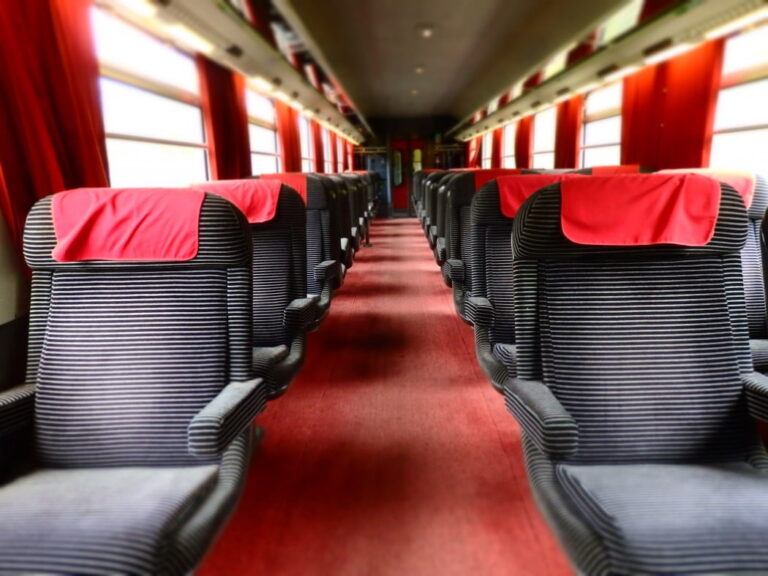
The first Train Interior looks amazing, can you remember what Train it was?
Couldn’t agree more, especially with booking the ticket/pass in advance. I can’t stress this one enough… The biggest advantage with booking in advance IMO is the price. I saved almost 50% of the ticket price by booking a few months in advance… It’s a common pitfall to treat ground transportation differently than flights… the truth of the matter is you can save an impressive amount of money by booking train (and bus) tickets in advance.