
I’ve only seen a fraction of what Argentina has to offer, but from all the places I have travelled to so far, I believe that the province of Salta (and the surrounding area) is home to some of the most beautiful landscapes in the whole country. This part of Argentina looks as though it was painted by a mad artist looking to break any preconceived notions about the use of colour. I’m talking about hues so rich and so bold that you’ll question whether your eyes are playing tricks on you. If you’re looking to have your mind blown by the colours that can be found in nature, I suggest adding these 3 day trips from Salta to your South America itinerary:
Best Salta Day Trips: Northern Argentina Travel Options
Cachi: Cacti + Lonely Deserts
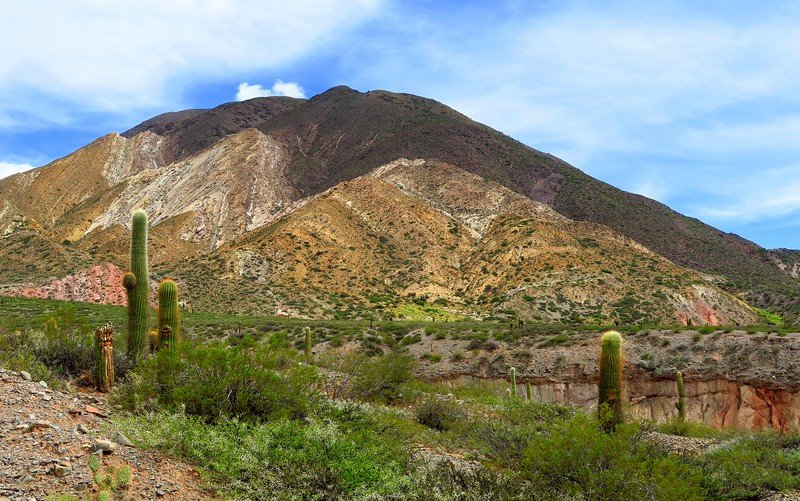
Cachi is a small city located in the province of Salta and it sits on the northern edge of the Calchaquí Valleys. The place itself feels more like a sleepy town than a city, and it doesn’t boast too much in terms of attractions, however, the beauty of this tour is the journey there.
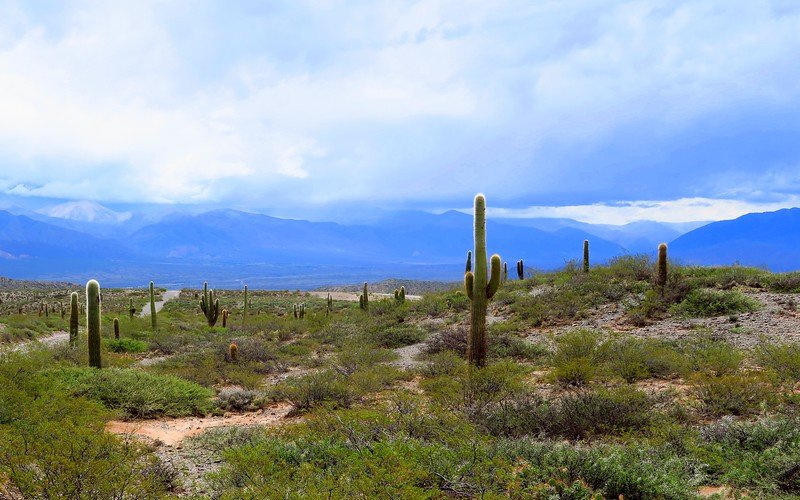
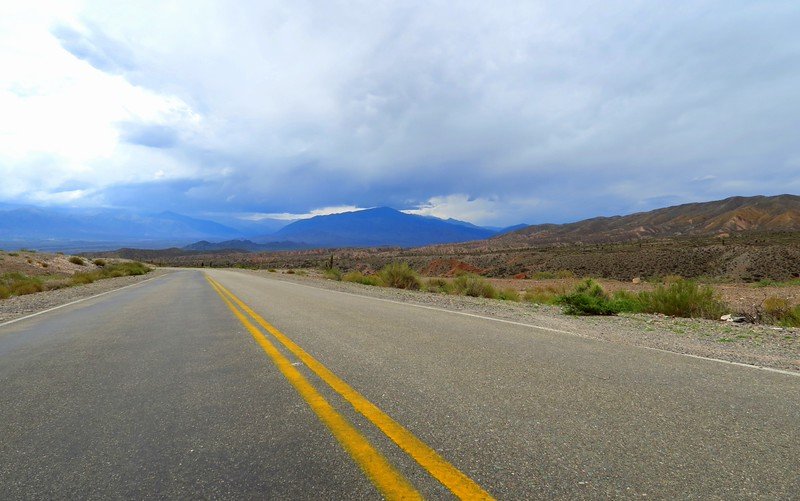
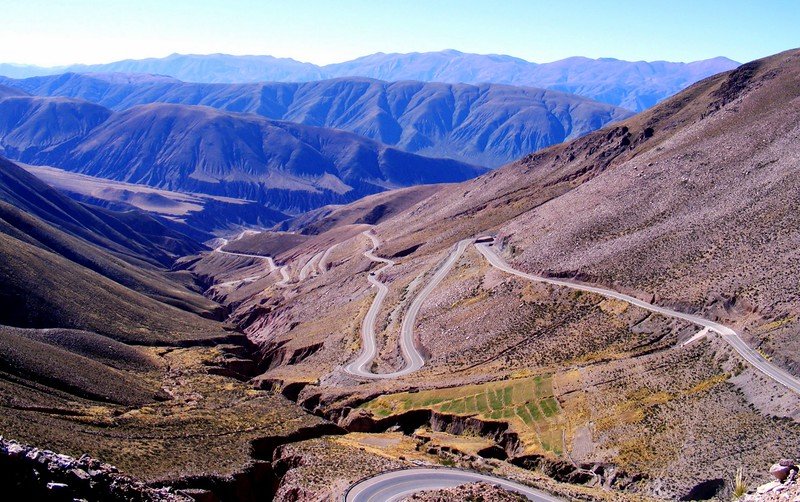
Reaching Cachi involves zigzagging up La Cuesta del Obispo, whose peak stands at 3,348 meters; driving through Parque Nacional Los Cardones, a national park dotted with giant cacti; and then continuing along La Recta de Tin Tin, a straight stretch of road that looks as though it’s pulling you into the horizon.
The entire trip crosses through various microclimates, which means at the start of the journey you’ll be feeling the humidity as you zip through areas of lush vegetation, but then as you continue your ascent the climate will become drier and the landscape will turn into an arid desert.
Cafayate: Vineyards + Shades of Red
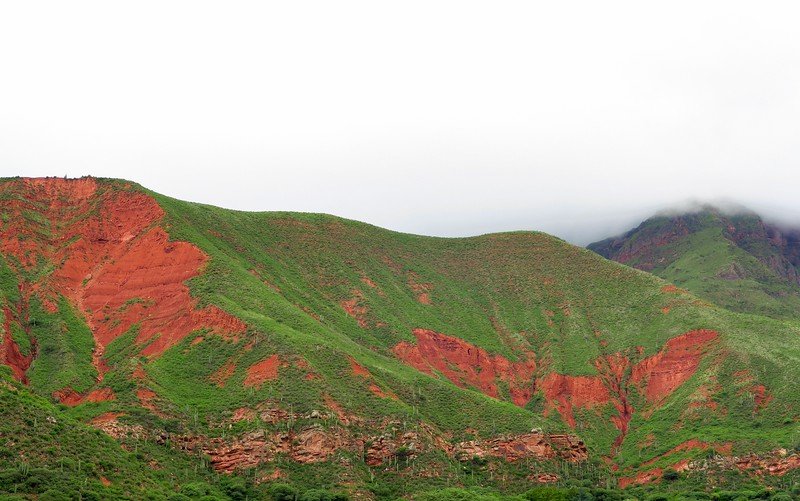
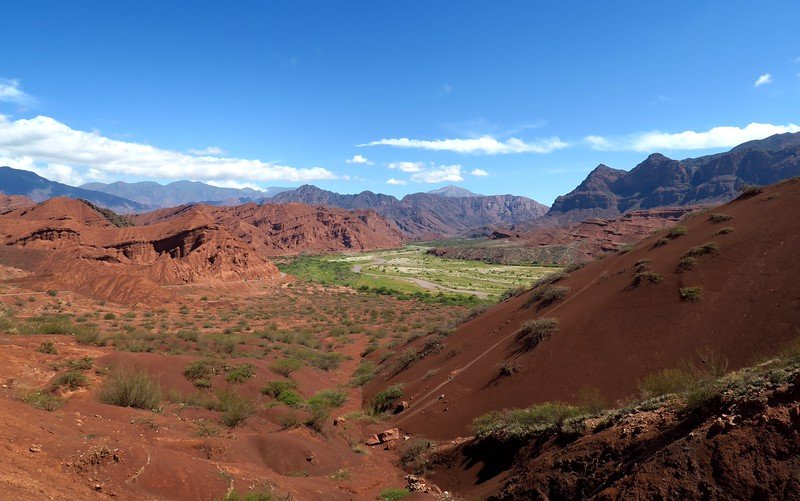
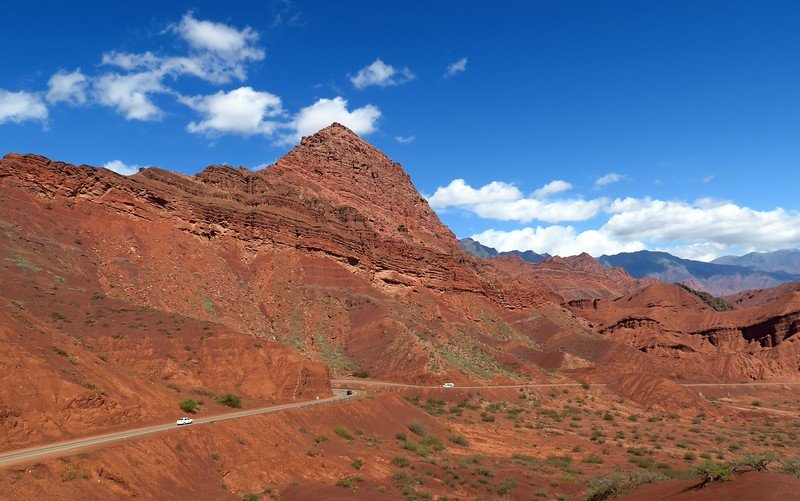
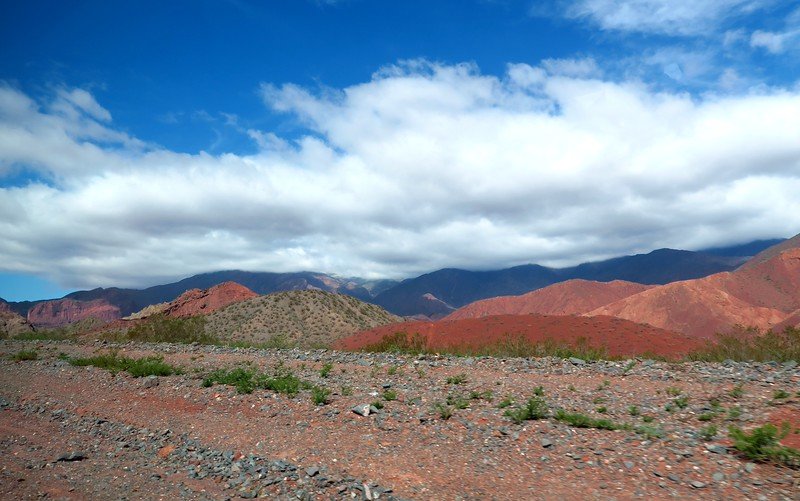
Yes, those colours are real! The tour to Cafayate is one that I have now done twice, and I enjoyed it just as much the second time around.
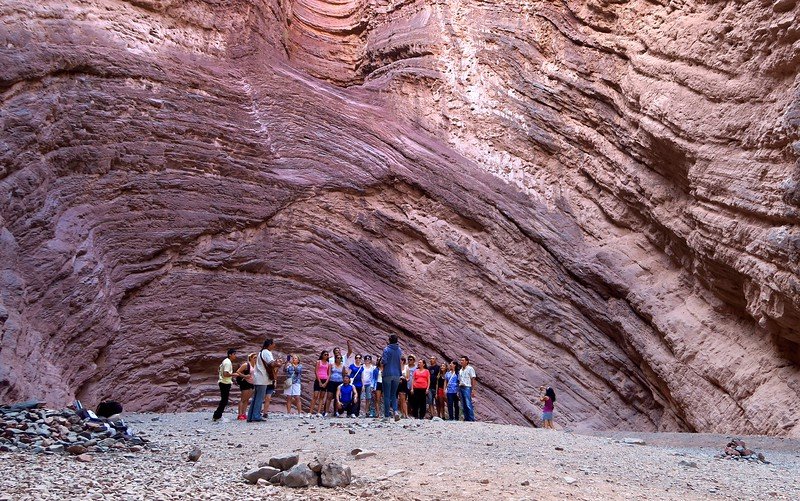
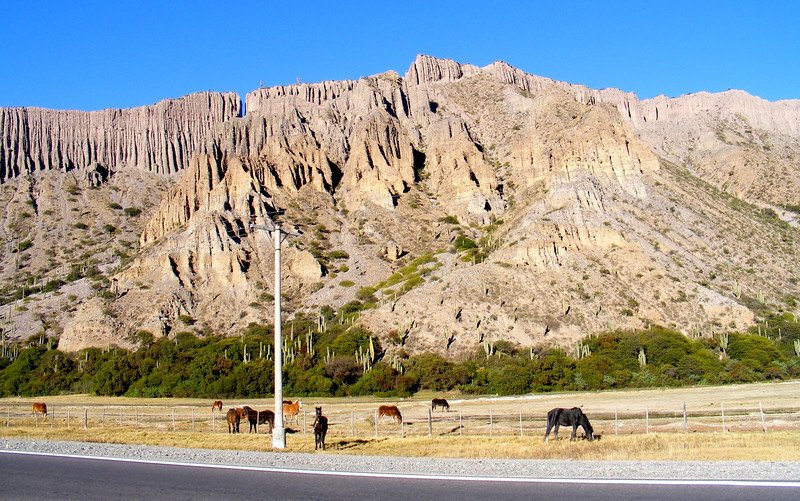
The road to Cafayate runs through Quebrada de las Conchas, which is a national reserve where the earth is a deep rust colour and where the mountains and rocks take on really distinct shapes. On the drive there you’ll spot The Amphitheatre, The Devil’s Throat, The Priest, Titanic, and many other sites that get their odd names because of their unusual shapes!
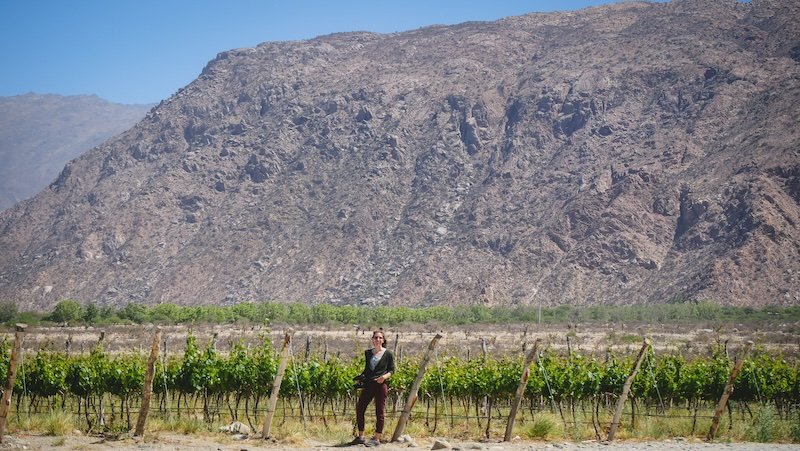
Cafayate is also known for its wine, so most tours involve a stop at a winery to sample the famed fruity Torrontés. If that’s not enough, once you reach the town, there’s a little ice cream shop next to the main square where you can sample wine gelato!
Jujuy: Painted Hills + Salt Flats
Jujuy is one of the longest day trips you can take from Salta, Argentina as it involves crossing over into another province, but the views alone are worth the long day.
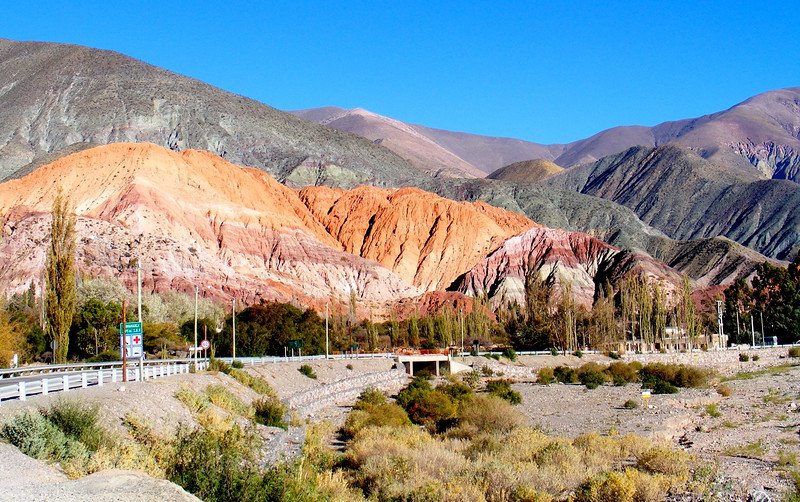
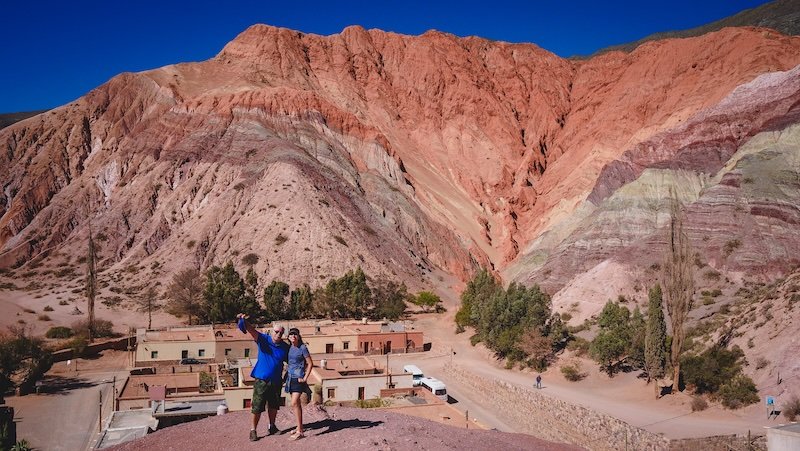
The journey to Jujuy will take you along El Paseo de los Colorados, which is a 3 kilometre stretch of road that follows the Purmamarca River and brings you to the town by the same name. Purmamarca is known for its handicrafts, but most importantly, for its colourful hill, which bears the name El Cerro de Siete Colores (The Hill of Seven Colours). The hill gets its colours from marine sediments and each layer corresponds to a different time period. You’ll see shades of pink, white, brown, purple, orange, green, and mustard – a true painter’s palette found in nature.
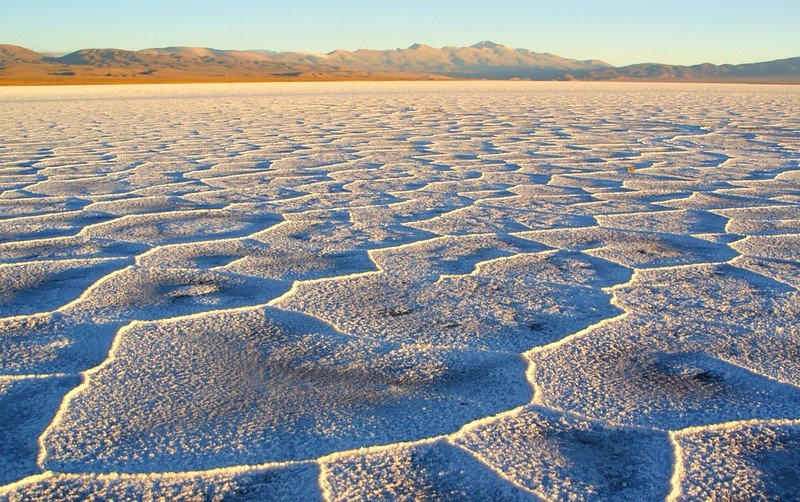
From there you’ll slowly climb up to Altos de Morado, which is the highest point of the trip at 4,170 meters. Once you’ve completed the ascent you are well on your way to Salinas Grandes, a salt flat that is shared by the provinces of Salta and Jujuy. The salt flat extends for 215 square kilometres and sits at 3,400 metres above sea level. If you missed out on the Uyuni Salt Flats in Bolivia, this place is a close second.
Planning Your Salta Day Trips
Samuel and I have now done these trips two very different ways: on guided tours during our first visit, and in a rental car with my dad when we went back. Both work, but they’re not quite the same trip, so here’s what I’d want to know before choosing.
This article contains affiliate links. If you book through one of these links, I may earn a commission at no extra cost to you.
The Three Trips at a Glance
| Trip | Distance from Salta (one way) | Highest point | Best for |
|---|---|---|---|
| Cafayate | About 190 km, 3 to 4 hours without stops | About 1,700 m | Wine, red rock and the easiest drive |
| Cachi | About 155 km | 3,348 m at Piedra del Molino | Giant cacti, mountain switchbacks and a quiet town |
| Purmamarca + Salinas Grandes | About 156 km to Purmamarca, then 66 km more to the salt | 4,170 m | Painted hills, salt flats and the longest day |
“Without stops” is doing a lot of work in that table. On all three routes, you’ll pull over far more often than you expect.
Tour or Drive Yourself?
On our first visit, Samuel and I did these trips as tours, and they’re the easy option. Most full-day tours run 12 to 13 hours with hotel pickup in central Salta, and someone else handles the hairpin bends while you stare out the window.
When we went back with my dad, we rented a car, and it changed the way we travelled. We could stop wherever the light was good, linger in tiny towns and skip the bits we weren’t fussed about. It also came with a few lessons:
- Manual is the norm. Automatics exist, but they’re scarcer and often cost double or more. We paid dearly for ours because none of us had driven stick in years, and Salta’s traffic isn’t the place to practise.
- The car on the right goes first. At intersections without signs, Argentine traffic law gives priority to the vehicle coming from your right. Not every driver waits for you to work that out, so drive defensively.
- Check your insurance. Coverage bought outside Argentina often doesn’t apply here, and rental cars generally can’t cross into neighbouring countries.
- Leave the car parked in the city. Downtown Salta is easy on foot. We only used ours to get out onto the highway.
If you’re comfortable with all that, renting a car in Salta gives you far more freedom on these routes. If not, the tours are good value and take the stress out of it completely.
Cafayate: Worth an Overnight
Cafayate is the easiest drive of the three: paved the whole way and three to four hours without stops, although nobody manages it without stops once the red rocks start. The catch is the wine. Argentina has a zero-alcohol limit for drivers, so if you’re driving there and back in a day, someone isn’t tasting. A Cafayate day tour from Salta solves that neatly. My first two trips to Cafayate were on tours, and the one Samuel and I took was relaxed enough that we caught a night bus to Córdoba that same evening.
When we went back, we stayed in town and spent two days visiting wineries, which I’d recommend to anyone who loves wine. Cafayate is small, so some bodegas are walkable from the plaza. El Porvenir is just a couple of blocks away, and El Esteco, on the edge of town, was an easy walk for us. We had lunch at its restaurant and then climbed the old bell tower for views over the vineyards. The same estate, which dates back to 1892, is home to Patios de Cafayate, so you can sleep right next to the vines.
Piattelli, a few kilometres outside town, is worth the short drive or taxi. We turned up on a Sunday without a lunch booking and ended up eating empanadas at a barrel table while we waited for the afternoon tasting, which was no hardship at all. If you want a proper meal there, book ahead, and check visit and tasting times before you go because they do change.
Staying the night in Cafayate turns a 12-hour round trip into an unhurried afternoon at the wineries, with nobody watching the clock.
Cachi and an Easier Day in Chicoana
Cachi is where having your own car pays off, if you’re comfortable on a steep, winding mountain road that is sometimes wrapped in cloud. You can pull over at the national park’s roadside trail along the Recta de Tin Tin, where signs explain that the straight is believed to follow an old Inca road. Cachi tours from Salta usually give you about two hours in Cachi itself.
Don’t underestimate the altitude on this route. The Cuesta del Obispo climbs to 3,348 metres, and I got sick outside the tour van on the way up. Our tour also turned into the extra-long version when the bus broke down on the way back, leaving us waiting among the cacti for a rescue bus. Not quite how we’d planned to spend Valentine’s Day!
When we went back, one of us had a rough night and Cachi felt like too much, so we drove to Chicoana instead. It’s only about 47 km from Salta, at the start of the same road: a sleepy colonial town with adobe houses, tobacco farms and a reputation as Argentina’s tamale capital. We wandered the plaza, had a simple lunch and then drove a little way towards the Quebrada de Escoipe for the views. It turned out to be a lovely, easy day, and it’s a good choice if you want a taste of the Cachi road without the full climb.
Purmamarca and Salinas Grandes
Purmamarca is the first stop on the Jujuy day, and it rewards an early start because the Hill of Seven Colours looks its best in the morning sun. For the classic view, climb the short stairway up Cerro El Porito, a little over two blocks from the plaza; there’s a small fee to go up. Then browse the market on the square, where we picked up warm layers for the pass and a bag of coca-leaf candies for the climb (mostly sugar, to be honest).
From there the road snakes up the Cuesta de Lipán to 4,170 metres. We spotted guanacos grazing by the roadside, and at the top we could all feel the altitude: a pressure in the head and a heavy, sluggish feeling that only eased once we started down the other side. The salt flat first appears like a lake on the horizon, a mirage that only turns into salt as you get closer.
What to Expect at Salinas Grandes
Local Indigenous communities run the visitor stop at the edge of the salt flat, with toilets, food and handicrafts. Entry is a small cash fee paid on site and usually isn’t included in the tour price, so keep some pesos handy. Visits follow marked circuits with local guides, many of whom double as photographers for those fun perspective shots, and visitors are asked to stay within the marked areas. The sun bouncing off the white crust is fierce, so wear sunscreen, sunglasses and a hat even when the air feels cool.
In summer, rain can turn the surface into a giant mirror, but the same storms can damage the road over the Cuesta de Lipán, and community protests have occasionally blocked the route too. Check with your tour operator or hotel that morning, and leave a spare day if you can.
Full-day Salinas Grandes and Purmamarca tours from Salta run 12 to 13 hours, but much of the free time is spent in Purmamarca, leaving roughly 40 minutes to an hour on the salt. If Salinas Grandes is the part you’re most excited about, a rental car or a night in Purmamarca gives you more time out there.
Day Trip or Base Yourself in Jujuy?
This is the biggest decision on this page. From Salta, the Jujuy day means roughly three hours on the road each way before you’ve even reached the salt. When we went back, we based ourselves in Tilcara for four nights instead, and it made a huge difference. Tilcara is about 175 km from Salta but only around 25 km from Purmamarca, so the hill, the market and the salt flat become a relaxed outing rather than a marathon.
Tilcara is also a lovely place to slow down, with an adobe centre, a hilltop pre-Inca fortress and plenty of colourful valleys within a short drive. Places to stay in Tilcara range from simple guesthouses to boutique hotels with views across the valley.
Two more things we learned up north. First, the midday sun at this altitude is brutal, even outside summer, so explore in the morning and late afternoon and plan a long lunch or a rest in between. Second, keep a spare day. A stomach bug, which we first mistook for altitude sickness, cut our stay in the north a night short.
Whichever way you do it, save Jujuy for last. The road tops out at 4,170 metres, which is easier on your body after a few days in Salta and the lower trips. April to November is the drier, more reliable time to go; summer storms can close the mountain roads to Cachi and the salt flats with little warning.
Making Salta Your Base
Whether you tour or drive, Salta is where most trips start and finish, and it deserves a day or two of its own. The colonial centre is easy to explore on foot, with the Cabildo, the pink-and-cream cathedral and the striking church of San Francisco all close together. For the view over the city, take the cable car up Cerro San Bernardo, catch a taxi up the road or, if you’re feeling fit, climb the stairway of more than a thousand steps. We took a taxi, and our driver kindly waited at the top to bring us back down.
Hotels in central Salta keep you within walking distance of the plaza and the usual tour pickup points. If you’re catching an early flight out, a hotel near Salta airport saves you a drive through the city. That’s what we did on our last night after coming down from Jujuy, and skipping the downtown traffic was a relief.
Pick one, two or all three, and leave room in the schedule for unplanned photo stops. There will be a lot of them!
Have you travelled in Northern Argentina?
What were some of the highlights?
Wowser! What stunning scenery! The colours are so vivid!! Amazing shots Audrey!!
Stunning landscapes! The places mentioned above look gorgeous. Actually, Cachi looks a bit like Arizona with all the cacti.
I loved the day trips around the province of Salta. I got there after 2 months of traveling all over Argentina, and it felt different and unique right away!…It was really fun and beautiful.
You had me at wine gelato! Definitely adding these spots to my South America wishlist – such otherworldly landscapes!