
For many, Karakol is the gateway to the mountains. This is where many a hike and horse trek begins, but for me, Karakol was all about the food!
This town is a melting pot for cultures – Kyrgyz, Dungan, Tatar, Uyghur and Russian – which means you get quite a bit of variety when it comes to the food. From refreshing soups to bowls of spicy noodles, and from sweet treats to fermented mare’s milk, Karakol has plenty of experiences to keep your taste buds interested.
So whether you’re a foodie looking to tuck into the local cuisine, or you’re a hungry hiker in search of a delicious post-trek feast, here are some fun food experiences to check out in Karakol.
I hope you’re hungry!
Have a bowl of Ashlyan-Fu
Ashlyan-fu is one of my favourite dishes, so much so, that while in Karakol, I was having a bowl every day!
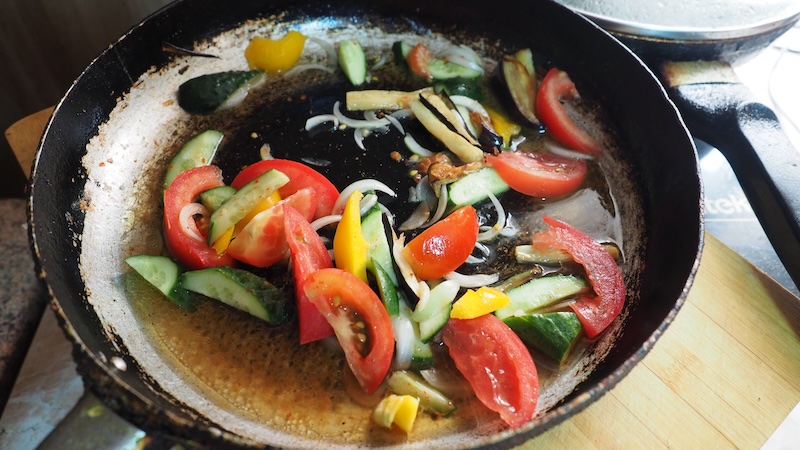
This is a cold soup that has two different types of noodles made from wheat and starch. The wheat noodles look a lot like spaghetti and the starch noodles have a jelly-like consistency. It has a vinegar-based broth with a mixture of tomatoes, bell peppers, and garlic.
The whole thing is topped off with a spicy red chilli paste that you can mix into the broth, and a little bit of chopped cilantro.
It’s delicious and such a refreshing dish on a hot summer’s day.
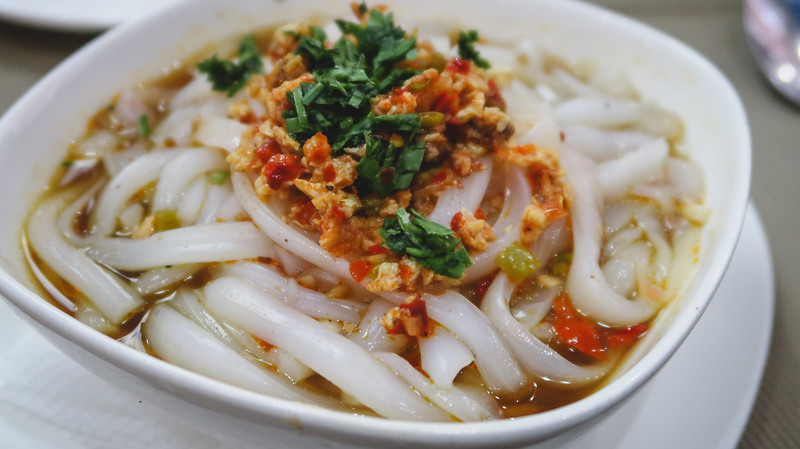
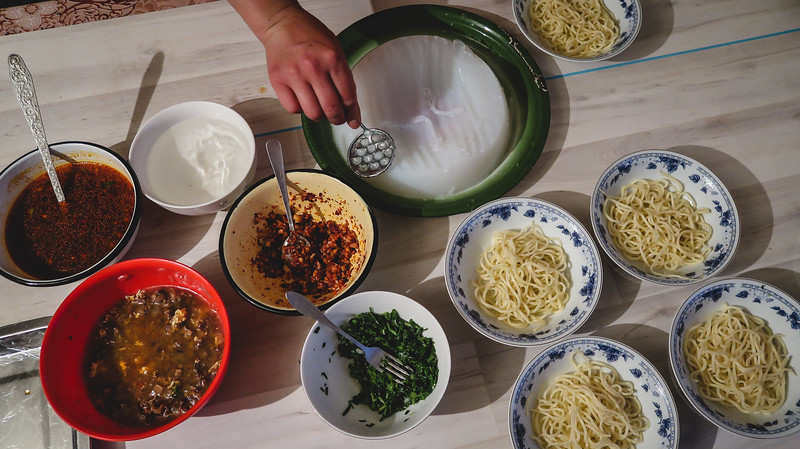
This dish is very easy to find; you can order it at just about any restaurant, but for a truly local experience you can go down to the market and eat at a bowl in Ashlayn-fu Alley where there are lots of little food stands packed together, all serving this one dish.
Once you’re inside the market, just ask a local to point you in the right direction, because this alley can be a little tricky to find!
Here are a few other Kyrgyz dishes to keep in mind during your visit.
Address: Ashlyan-fu Alley inside the Karakol Small Bazaar
Enjoy a meal with a Dungan Family
For a feast to end all feasts, you need to eat with a Dungan family.
The Dungans are an ethnically Chinese group who are also Muslim, and they have their own distinct cuisine.
Since the Dungans are primarily farmers, this means that a lot of their dishes consists of vegetables.
We had an assortment of rice bowls, noodle dishes, stir-fried vegetables, steamed bread, fried dumplings, and plates with fresh fruit.
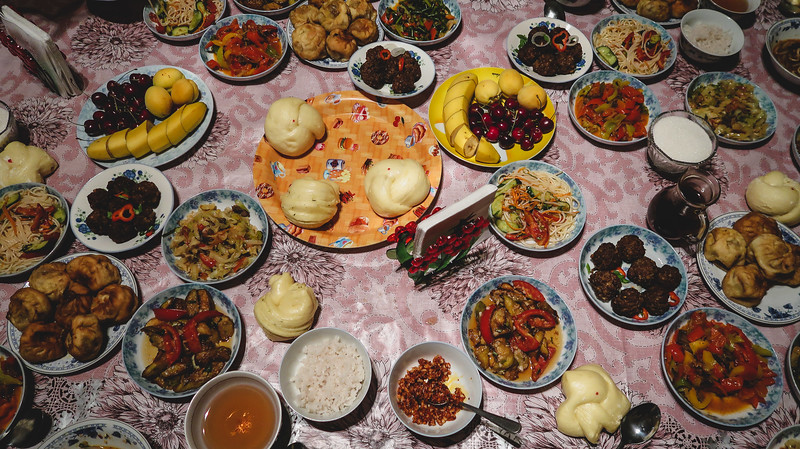
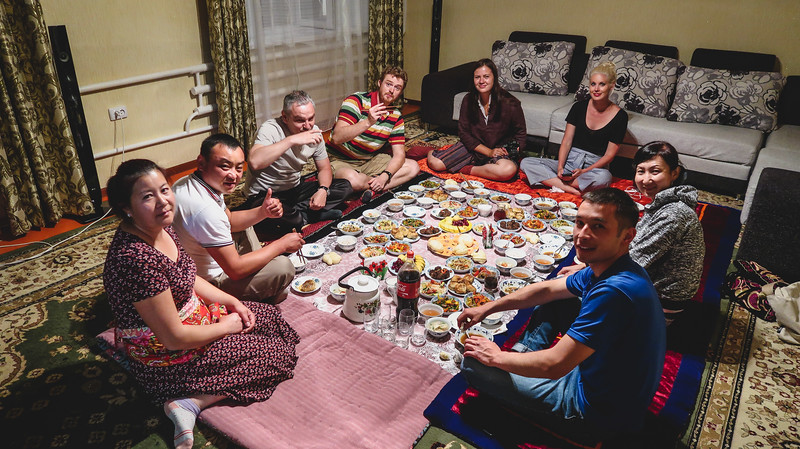
Once the meal was laid out in front of us (there must’ve been at least 50 plates!) we learned that a Dungan meal must consist of a minimum of 8 dishes, but often more!
This was a very casual meal where we all ate together and had the freedom to ask our host family questions about Dungan culture.
Just make sure you have a light breakfast or skip breakfast altogether because you’re going to be stuffed!
You can book this Dungan Village Family Dinner here, or you can visit the Destination Karakol offices once you arrive in Karakol at 22 Gagarin Street.
Learn to make lagman from scratch
Lagman is a popular Uyghur dish that you’re going to encounter time and time again as you travel through Kyrgyzstan.
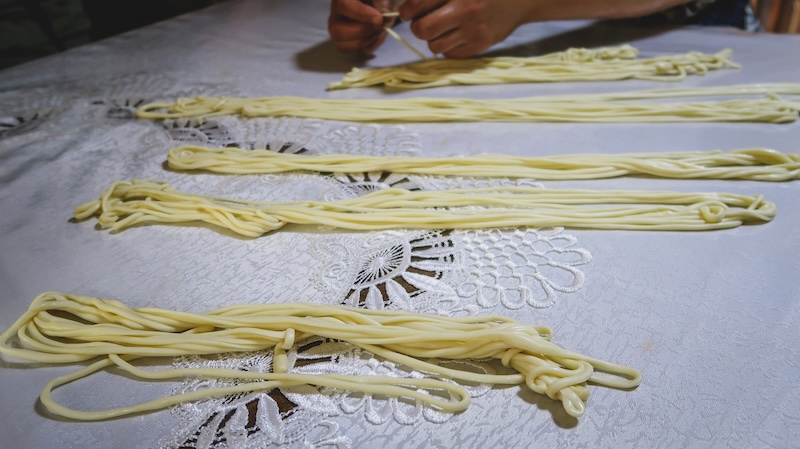
This is a hand-pulled noodle dish with Chinese origins. The noodles are generally served with meat and vegetables, but they can be prepared 3 different ways: fried, soupy, or something in between.
We had been eating this dish all along our travels in Kyrgyzstan, so it was time to finally learn how to make it ourselves.
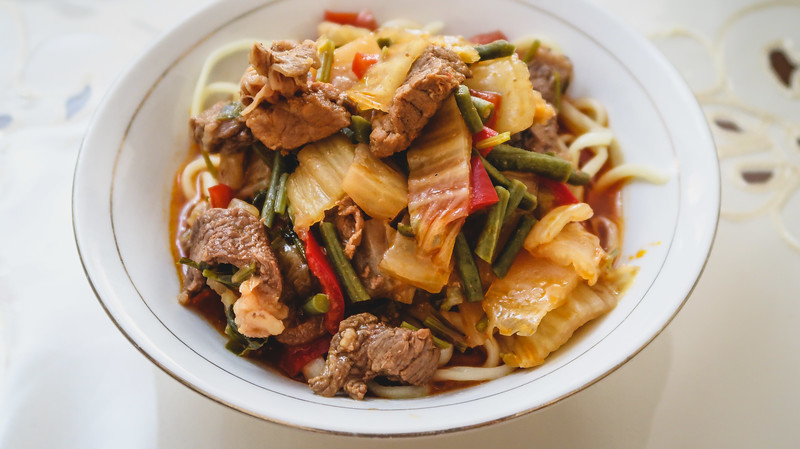
We took a cooking class through Destination Karakol and met Gulya, our Uyghur master chef for the day.
She taught us the art of stretching out the noodle, which is surprisingly tricky (we broke a few noodles short in the process), and then once that task was completed, we all crowded around her kitchen to see how the sauce was made.
It was a fun way to spend the morning and we were all ready for lunch by the time the food was ready.
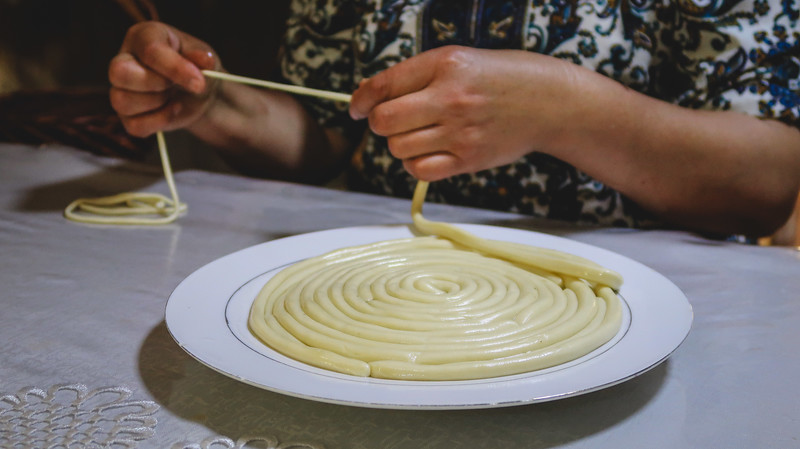
Note: This cooking class can also be arranged directly through Destination Karakol, or you can visit their offices in Karakol at 22 Gagarin Street.
Indulge your sweet tooth at Fat Cat
If you’re craving some good coffee and home-baked goods, then you need to make a beeline for the Fat Cat Cafe.
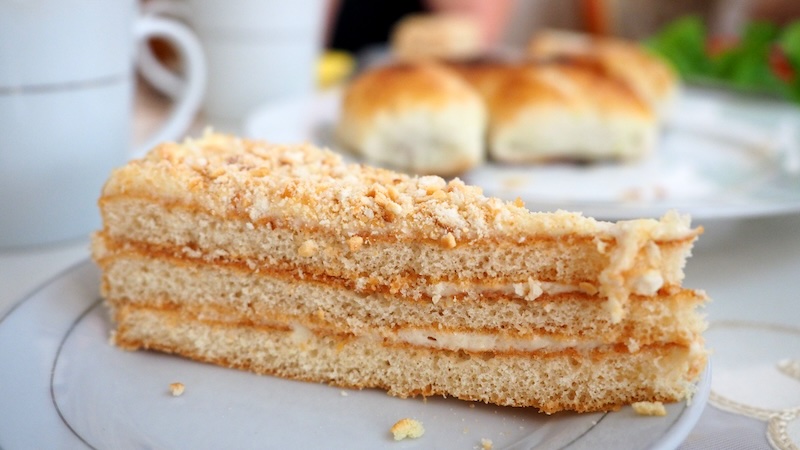
They serve up cheesecakes with raspberry jam, brownies with vanilla ice cream and caramel, layered honey-cream cakes, and other sweet treats.
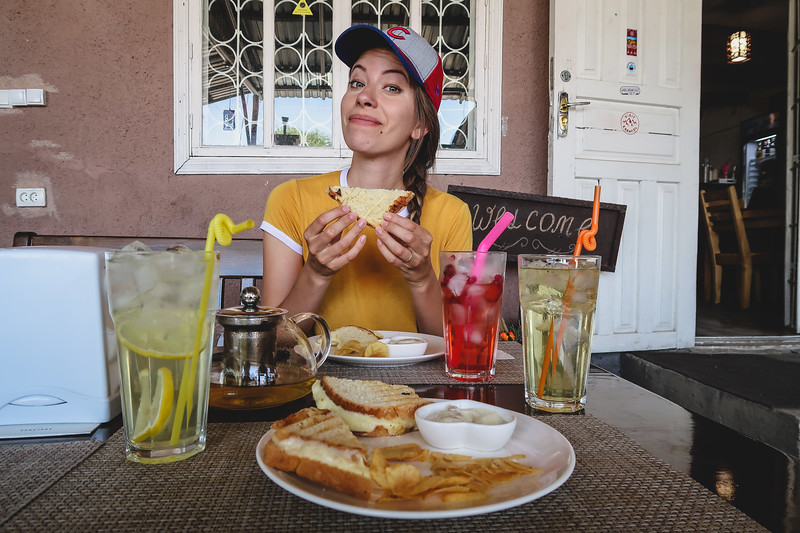
One of the reasons I love this spot is because the owner Zhamila is using her cafe to do good in the community.
The cafe is involved in numerous projects, ranging from providing students with school supplies for the year to teaching women baking skills so they can start businesses back in their communities.
It’s a great cause plus the food is great, so we paid a few visits over the course of our stay.
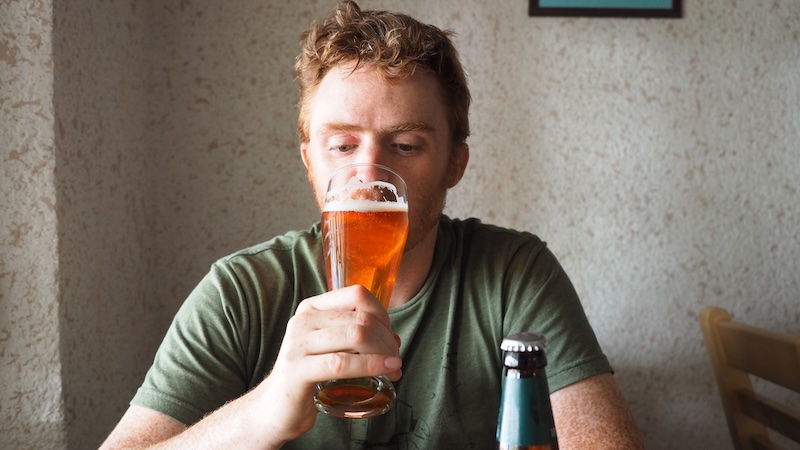
Also, in the evenings, this place transforms into a cool hangout spot with lots of travellers, so it’s a nice place to drop by for a craft beer with a grilled sandwich or pizza.
Address: Corner of Gagarin and Alybakova (right next to Destination Karakol offices).
Drink a glass of mare’s milk
Oh, Kumis!
It seems that wherever you travel in Kyrgyzstan, someone is always trying to offer you a bowl of fermented mare’s milk.
Yes, we’re talking about horse milk. I think they do it to get a funny reaction out of foreigners, but hey, when in Kyrgyzstan!
I’ve had it a few times and while I can’t say it’s my favourite (it’s a bit too salty and sour for my liking!) it seems to be a rite of passage, so why not try it at least once.
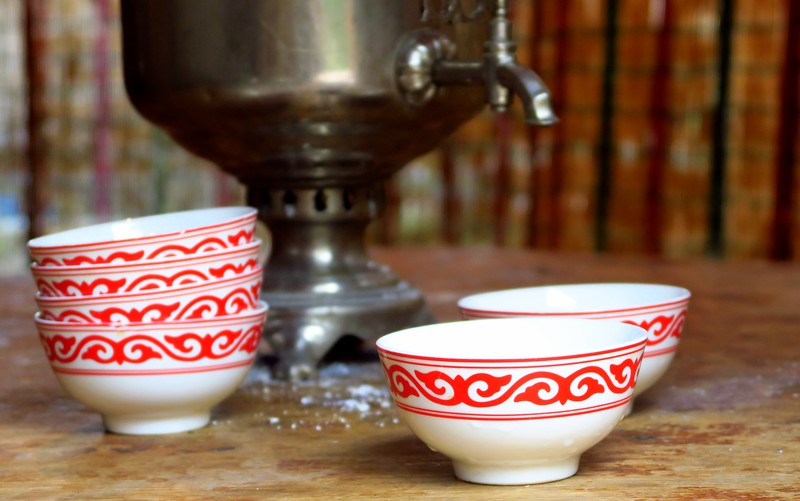
Again, this is very easy to find in Karakol. You can order it at most restaurants, or you can look for buildings that have a ‘кымыз’ sign out front.
At one of the hotels we stayed in, we even found a bottle of kumis in the fridge right next to the water and sodas, so you know it’s a popular drink!
Address: Pretty much every restaurant!
Karakol’s Food Scene: More Flavours, Tips & Advice
Start Your Day the Kyrgyz Way: Local Breakfast Rituals
Don’t skip breakfast in Karakol!
A typical local breakfast might feature homemade bread, fresh eggs, preserves, tangy Kyrgyz yogurt, and kaymak (a creamy, lightly salted spread you’ll dream about long after your trip).
- Bazaar Bakeries: Head to the central market in the morning for fresh lepeshka (round bread) straight from the tandoor ovens. Buy it hot, tear it with your hands, and eat it with honey or kaymak.
- Tea Houses: Many small tea houses (chaykhana) open early for locals. Order a strong black tea (served in a bowl, not a cup!), and enjoy it with local pastries or simple omelettes.
Where Karakol’s Multicultural Table Comes From
Karakol’s food scene didn’t come together by accident. The Dungan presence that shapes so much of the city’s cooking traces back to a specific, brutal winter: 1877–78, when Hui Muslim communities in northwestern China fled west across the Tian Shan mountains after a failed uprising against Qing forces. Several distinct groups made the crossing, and one of them, led by a man remembered as Ma Yusuf, settled in a village just outside Karakol called Yrdyk. That group arrived a little over a thousand strong; the settlers who survived the journey became the foundation of the Dungan community that still lives there today, and it’s this same village that hosts the family dinners mentioned above.
What makes Karakol’s food scene distinct is how thoroughly that history has blended with everyone else’s. Dungan farmers brought rice cultivation, vegetable-forward cooking, and a taste for vinegar that still defines the region. Kyrgyz herding traditions brought the meat and dairy. Uyghur, Tatar, and Russian communities layered in their own techniques on top. None of these cuisines stayed separate for long, which is why a single market stall in Karakol can sell a dish with Chinese roots, Central Asian spicing, and a name that’s part Kyrgyz, part Mandarin.
Dive Into Karakol’s Bustling Markets
One of the absolute highlights for foodies is a wander through Karakol’s markets. The main Karakol Bazaar is the hub of local life, and it’s where you’ll see Kyrgyz grandmothers haggling over cheese, Dungan vendors piling up heaps of herbs, and Uyghur ladies rolling out dough for dumplings.
What to look for at the market:
- Kurts: Little hard balls of dried fermented milk, salty and tangy. Locals eat these as a snack or dissolve them into soups.
- Local Cheese: Ask for “ayran” or “byshlak.” Try before you buy, as flavors range from mild and milky to punchy and sour.
- Dried Fruits & Nuts: Apricots, walnuts, almonds, and plump raisins—ideal trail snacks.
- Fresh Herbs: Dill, cilantro, mint, and chives—no meal is complete without a mountain of herbs.
Market food stalls to try:
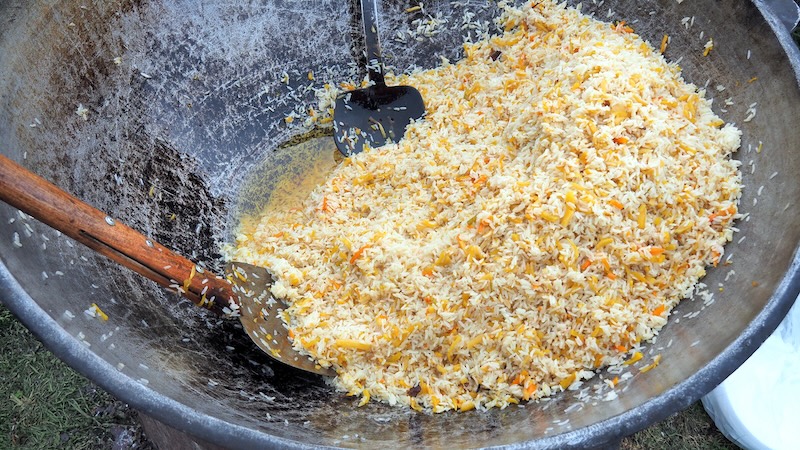
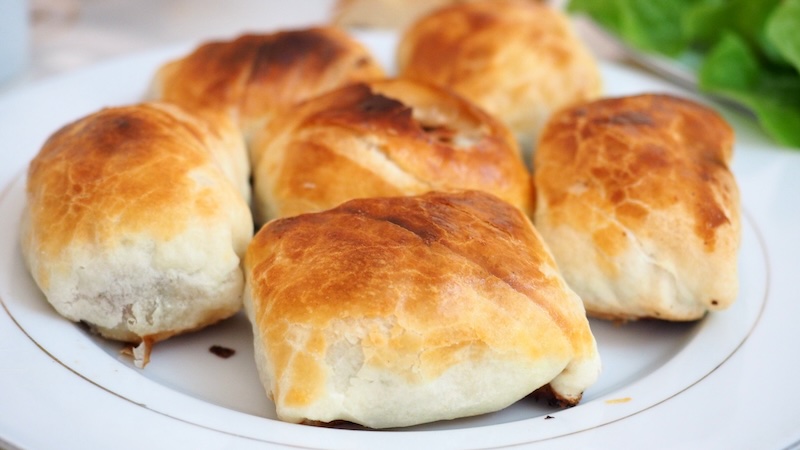
You’ll spot vendors frying belyashi (deep-fried meat pies), selling warm samsa (flaky pastries stuffed with lamb or pumpkin), and serving up plov (Central Asian rice pilaf).
Where to Stay for Karakol’s Food Scene
Karakol is small enough to base yourself almost anywhere and still be a short walk from the bazaar, but where you sleep can shape how well you eat. A few options worth booking ahead, across different budgets:
- Duet Hostel & Hotel — the backpacker standby, with dorm beds, private rooms, and yurt-style options tucked into a former Soviet market building. Its in-house restaurant and cafe do a solid cooked-to-order breakfast, and Sunday evenings bring a free traditional Kyrgyz music night. Good for solo travelers and anyone hunting for trekking partners over pancakes.
- Hillside Karakol B&B — a quiet, wood-finished guesthouse with a genuinely well-reviewed breakfast and an on-site Russian sauna, a short drive from Pushkin Park. Suits couples or solo travelers who want a calmer base than the backpacker hubs.
- Karagat Hotel — a family-friendly mid-range option with an indoor pool, on-site restaurant and bar, and a kitchen that accommodates halal, vegan, and gluten-free requests. Table tennis and a shared lounge help keep kids entertained between meals.
- Kapriz Karakol — the splurge pick, set right at the Karakol ski base with an indoor pool, three saunas, a spa, and a restaurant serving both local and European dishes. Best for travelers combining a food-focused trip with skiing or snowboarding on the mountain.
Learn by Doing: Cooking Classes in Karakol
If you really want to take a piece of Karakol home, book a local cooking class. Making lagman noodles is a highlight, but you might also get to learn how to make:
- Manti: Steamed dumplings stuffed with meat and onion, sometimes pumpkin.
- Borsok: Small fried dough balls—addictive and perfect with tea.
- Chuchuk: A Kyrgyz-style sausage, often made during festivals.
Why Ashlyan-Fu Carries a Half-Chinese Name
The dish’s name is a clue to its history. “Ash” is the Kyrgyz word for food, while “fu” traces back to liangfen, a cold Chinese starch-noodle dish the Dungan settlers brought with them in the 1870s. In its earliest form here, the dish was reportedly just starch, vinegar, and a spicy sauce, with no wheat noodles at all. Over time, cooks in Karakol added the hand-pulled wheat noodles that now share the bowl with the jelly-like starch strands, and the combined dish picked up the name that’s stuck ever since.
Who actually invented it is still debated locally. Both Dungan and Uyghur communities in Karakol claim the dish as their own, and given how closely the two cuisines developed side by side after settling in the same corner of Kyrgyzstan, there’s no clean way to settle it. What’s not in dispute is where to find the best version today: Karakol is considered the dish’s spiritual home across the whole country, which is exactly why an entire alley in the bazaar is devoted to nothing else.
Eat Like a Local: More Dishes & Drinks to Try
Karakol’s multicultural blend means a world of options beyond the classics. Some favorites:
- Shashlik: Marinated meat skewers grilled over open coals. Lamb is traditional, but chicken and beef are also common.
- Pelmeni: Russian-style dumplings, served in broth with sour cream and dill.
- Ganfan: A hearty rice dish topped with a stir-fried mix of meat and vegetables, Uyghur in origin.
- Chalap: A salty, yogurt-based drink. Refreshing but definitely an acquired taste.
- Compote: Sweet homemade fruit punch—great for those avoiding alcohol or just needing a sugar hit.
Sweets to seek out:
- Halva: Dense, nutty, and often homemade.
- Pakhlava: Layers of flaky pastry, honey, and nuts—a Central Asian take on baklava.
- Local ice cream: Especially good in the warmer months!
Seasonal Specialties & Food Festivals
Depending on when you visit, you might stumble into a local festival or seasonal treat:
- Nowruz (Spring Equinox): Look for sumalak (a sweet wheat pudding) and communal plov feasts.
- Autumn Harvest: Markets are bursting with fresh apples, pears, melons, and walnuts.
- Summer Bazaars: Open-air food stalls, picnic-style gatherings, and sometimes even outdoor barbecues in the parks.
Tours to Work Up an Appetite
Since so much of Karakol’s food culture is a reward after a day on the trail, pairing a hike with your eating itinerary makes sense. Two options worth booking ahead:
- Karakol: Ala-Kul Lake & Tian Shan Mountains 4×4 Tour — a roughly 3-hour trip by 4×4 into the Karakol Valley, ending at the turquoise waters of Ala-Kul Lake. A good half-day option if you’d rather save your legs for the market crawl afterward.
- Karakol: Jeti-Oguz Gorge 4×4 Transfer with Free Time — a full-day (around 10-hour) transfer out to the red-rock Jeti-Oguz Gorge with free time built in to explore, including the Maiden’s Tears waterfall. Good for travelers who want a full day of scenery before an evening feast back in town.
Sample 48-Hour Food-Forward Itinerary
Day 1
- Morning: Wander Ashlyan-fu Alley; compare two vendors.
- Noon: Boorsok workshop; dip golden squares into homemade jam.
- Afternoon: Fat Cat iced latte + journaling; museum of Regional History across street (30 som).
- Evening: Dungan family dinner in Yrdyk village—count the plates!
Day 2
- Sunrise: Fresh samsa from roadside tandoor by Karasaev Street (they sell out by 07:30).
- Mid-morning: Tread the Sunday Animal Market with a guide—try warm shorpo ladled straight from a cauldron.
- Lunch: Picnic at Przhevalsky Park lakeshore (smoked trout from market + bread).
- Late afternoon: Uyghur lagman class, chopstick practice, belly laughs.
- Night: Craft-beer crawl—Issyk Kul Brewery taproom then Fat Cat open-mic; end with street-kymyz dare!
Karakol for Foodies: Frequently Asked Questions (Where to Eat & What to Eat in Kyrgyzstan)
What makes Karakol such a great foodie destination?
Karakol’s kitchen draws on five cultures at once: Kyrgyz, Dungan, Uyghur, Tatar, and Russian. That means spicy noodles for lunch, flaky pastries at tea time, and a communal feast by night, all within a town small enough to cross on foot. Markets, cafés, and trailhead-adjacent eateries sit close together, so you’re never far from your next stop.
What dishes should I prioritize if I only have a couple of days?
Start with ashlyan-fu (icy, tangy noodle soup), lagman (hand-pulled noodles—fried, soupy, or in-between), and manti (steamed dumplings). Add plov, shashlik, pelmeni, and ganfan. Snack on boorsok (fried dough), sip compote (fruit punch) or chalap (salty yogurt drink), and leave room for pakhlava and halva.
Where can I find the most authentic ashlyan-fu?
Head to Ashlyan-fu Alley inside the Karakol Small Bazaar. It’s a warren of tiny stalls serving this single specialty—cold wheat and starch noodles in a vinegary, garlicky tomato broth with a dollop of fiery chili paste and a sprinkle of cilantro. If you get turned around, ask any vendor to point the way.
What is a Dungan family dinner—and how do I join one?
It’s a communal feast hosted by a local Dungan family—think 8+ dishes (often many more!) spanning rice bowls, noodles, stir-fried veg, steamed bread, dumplings, and fruit. It’s casual, interactive, and a great window into Dungan culture. You can arrange it via Destination Karakol (visit their office at 22 Gagarin Street) or book in advance through them.
Can I take a class to learn hand-pulled lagman from scratch?
Yes! Destination Karakol can set up Uyghur lagman classes—you’ll practice stretching dough (it’s trickier than it looks!) and cook a saucy meat-and-veg topping. It’s a fun morning activity and you’ll sit down to your own handiwork for lunch. Ask at 22 Gagarin Street to schedule.
Where should I go for coffee, cakes, and a cozy vibe?
Fat Cat Café (corner of Gagarin & Alybakova, right by Destination Karakol) serves cheesecakes, brownies à la mode, layered honey cakes, good coffee, and easy comfort food. It’s also a community-minded spot supporting local initiatives; evenings often turn social with travelers, craft beer, and the occasional open mic.
What’s kumis—and where can I try it?
Kumis is fermented mare’s milk—salty, tangy, lightly effervescent, and a Kyrgyz rite of passage. You’ll see it on restaurant menus and in shops marked “кымыз.” It’s not everyone’s favorite, but it’s worth a sip for the cultural experience.
Which markets should I explore and what should I buy?
The Karakol Bazaar is foodie heaven. Look for lepeshka (round tandoor bread), kurts (salty dried yogurt balls), local cheeses (ayran, byshlak), piles of fresh herbs, dried fruit, and nuts for trail snacks. Hot counters dish out samsa, belyashi, and ladles of plov—perfect for a roaming lunch.
What does a typical Kyrgyz breakfast look like in Karakol?
Mornings are simple and satisfying: homemade bread, eggs, preserves, tangy yogurt, and kaymak (a dreamy, lightly salted clotted cream). Try a chaykhana (teahouse) for strong black tea served in bowls, or swing by the bazaar bakeries to catch lepeshka fresh from the tandoor.
Is Karakol doable for vegetarians?
Yes—especially at markets and Dungan or Uyghur eateries where veggie stir-fries, ganfan without meat, manti with pumpkin, salads, breads, and dairy are common. Just specify “no meat” clearly, and you’ll still eat very well.
Are there seasonal specialties or food festivals I should know about?
Absolutely. Around Nowruz (spring equinox) look for sumalak (sweet wheat pudding) and festive plov. Autumn brings a bounty of apples, pears, walnuts, and melons. Summer is picnic season with open-air stalls and impromptu BBQs in parks and by the lakeshore.
Can you suggest a 48-hour food-forward game plan?
Day 1: Ashlyan-fu Alley taste-off → quick boorsok workshop → coffee & cake at Fat Cat → Dungan family dinner in Yrdyk (count the plates!).
Day 2: Sunrise samsa run → Sunday Animal Market with steaming shorpo → lakeside picnic (smoked trout + bread) → lagman class → craft-beer crawl (Issyk Kul Brewery tap + Fat Cat), and a daring nightcap of kymyz.
If you enjoyed this post, check out our 10 Kyrgyzstan Travel Tips For Adventurous Travelers.
Have you ever tried Kyrgyz or Central Asian food?
What was your favourite dish?
This trip was made possible in partnership with Discover Kyrgyzstan and Destination Karakol. As always, all opinions expressed here are my own.
So many delicious flavors and things to eat! Central Asia is such a great place for eating.
I’ve found that it’s very rare to find Central Asian restaurants outside of Central Asia, so it’s always a bit of a treat getting to indulge in some favourites in Kyrgyzstan – especially the Ashlyan-fu! 😉