
Germany may not be the first country that comes to mind when you think of a seaside holiday destination, but that’s exactly what I discovered during my recent visit to Ruegen Island. Located in the state of Mecklenburg-Western Pomerania, Ruegen Island is Germany‘s largest island and it draws holidayers for a lot more than just its beaches. During my visit, I got to hike along chalky cliffs, watch live outdoor theatre, ride in some unique modes of transportation, and drive the island’s “tree tunnels” – beautiful stretches of road covered in a thick foliage of trees. Here’s a little recap of what that looked like:
Ruegen Island Travel Guide: Top Things to Do, See, Eat, Drink & Experience on Ruegen Island, Germany!
Hiking the white chalk cliffs of Jasmund National Park
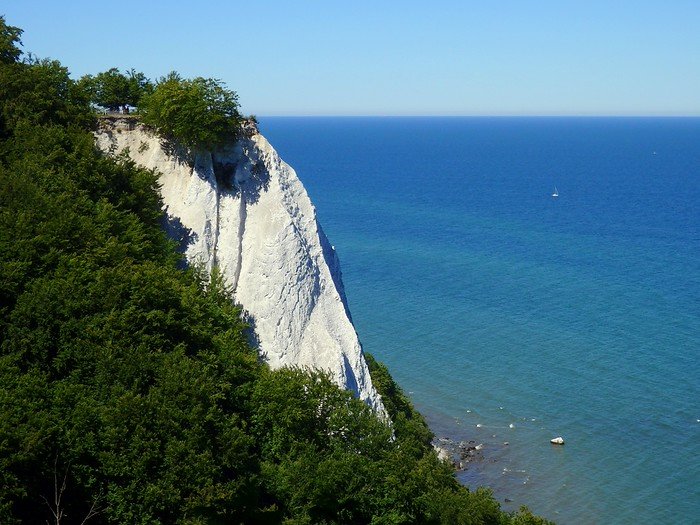
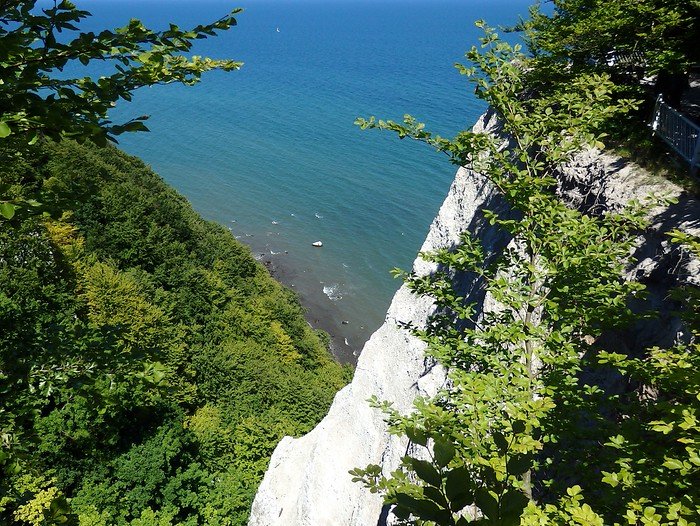
When it comes to natural wonders, Ruegen Island does not disappoint. Located on the northeastern tip of the island, you’ll find Jasmund National Park, a place where the white chalk coastline tries to play tricks with your eyes. Can it be? Is it real?
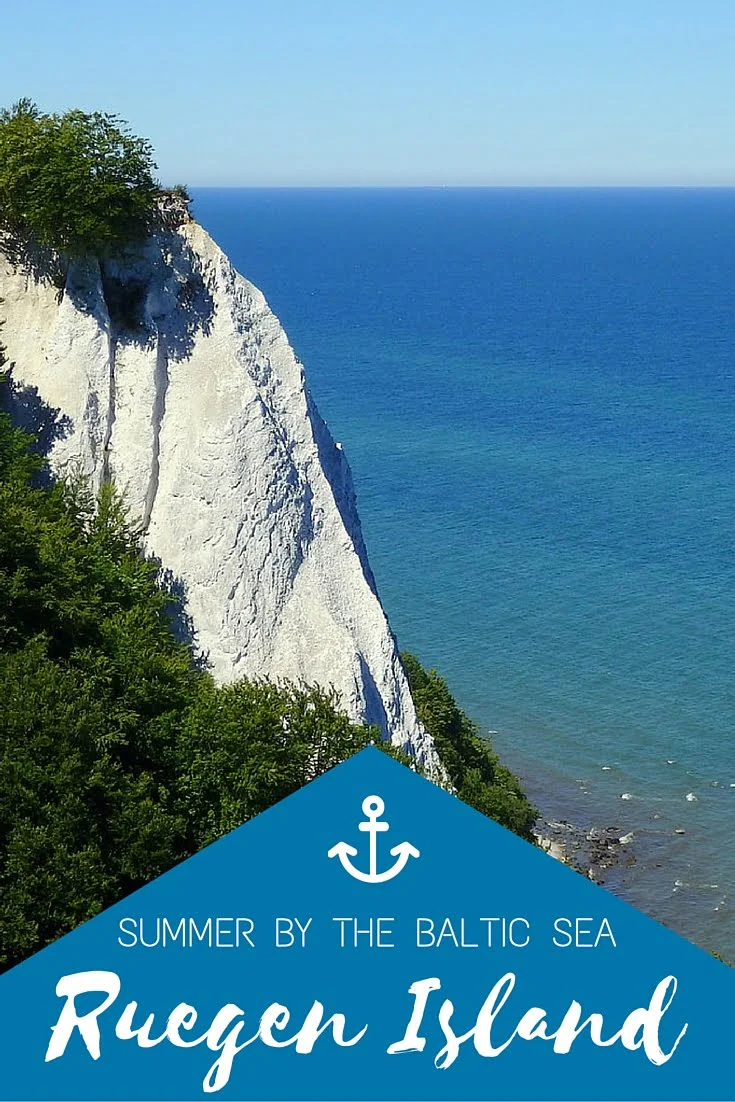
If you’ve ever visited the Cliffs of Dover in England, or Møns Klint in Denmark, then you’ll know exactly what I’m talking about. These white chalk cliffs rise up along the coastline and make for one of the most beautiful sights you’ll ever witness. As it turns out, England and Denmark aren’t the only places where you can see this marvel – Germany’s Ruegen Island has just as spectacular a coastline.
The two main lookout points in Jasmund National Park are Koenigsstuhl, which translates to King’s Chair, and Victoria-Sicht, which means Victoria’s View. The walk to Victoria’s View makes for a nice stroll through the forest, and then there’s also a turnoff where you can walk down to the pebbly beach below so you can enjoy the cliffs from a different vantage point.
Watching a medieval play at the Stoertebeker Festspiele
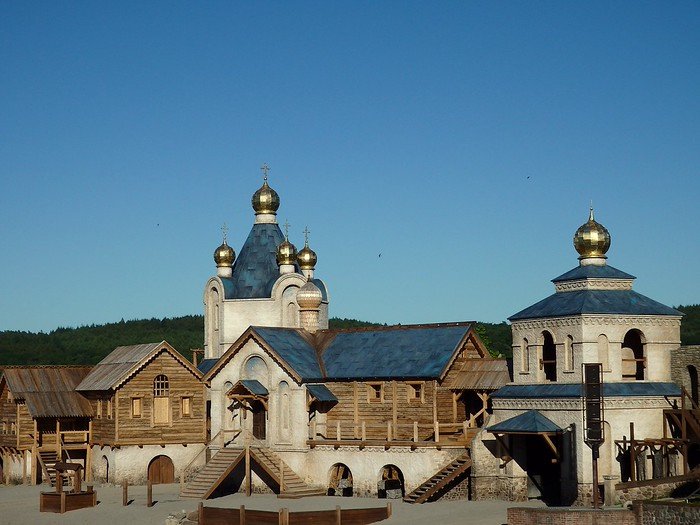
If you ever visit Ruegen Island in the summertime, you won’t be able to drive more than a few hundred meters without seeing posters of a handsome young man, dressed in medieval clothes, with blond locks flowing down to his shoulders. These posters advertise the Stoertebeker Festspiele, which is an open air theatre that takes places on a massive outdoor stage right by the water.
The play is set in the medieval period and it includes something for all ages – love, betrayal, sword fights, and even a few explosions. The story and the characters change every summer, and that’s one of the reasons people keep coming back for more. And that’s the other thing, people flock to this event by the thousands! I was shocked when I saw the number of seats (over 8000!) available and I wondered if they’d be able to fill them considering the size of the towns and villages on the island, however, the Stoertebeker Festspiele is such a well-known event that visitors make the drive not just from around the island, but also from the surrounding mainland.
The play was in German so we didn’t quite follow the whole storyline, but the sword fights and the pub brawl kept us entertained.
Also, as a tip, if you ever find yourself in Ruegen and plan to attend this festival, bring a blanket and hoodie to keep warm. The summer nights can get quite chilly and I kept wishing I’d worn something warmer the whole performance.
Riding in a Trabi from the former GDR
Having minored in German Studies when I was in university, I spent several weeks studying Ostalgie, a unit that covered the nostalgia for East Germany that developed years after the wall came down.
To give you a quick background on the topic (I am a teacher after all!), after WW2, Germany was divided into 4 occupation zones, and eventually into West Germany and East Germany. Two very distinct cultures developed as a result of this division. East Germany was influenced by the Soviets, while West Germany was completely open and influenced by the rest of the Western world.
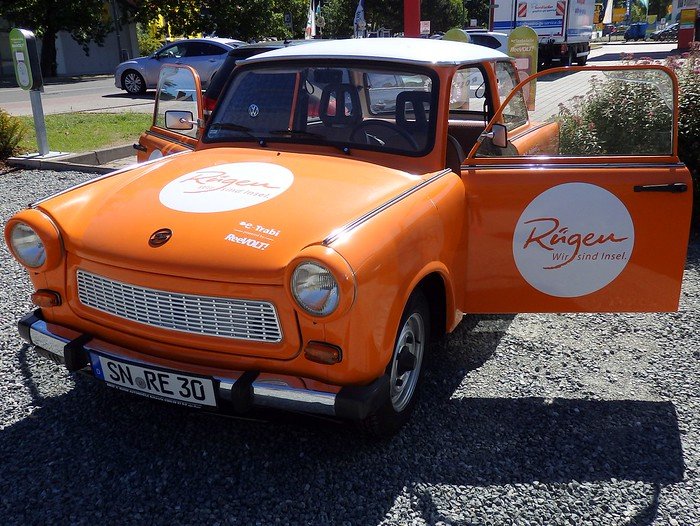
One of the unique aspects of East German culture was the cars they drove, or I should say ‘car’ because almost everyone had a Trabant. This was a car that you had to wait about 15 years to receive and it was also known to be one of the least reliable cars out there. They were constantly breaking down and people were always having to find creative ways to repair them.
Once the wall came down and East Germany and West Germany were once again reunified, most East Germans sought to upgrade their vehicles. The Trabant was considered a thing of the past, that is until Ostalgie kicked in. It wasn’t too long before some East Germans started longing for the things of the past, items that were only available in the former German Democratic Republic, which was now quickly becoming more and more Westernized. The Trabant, affectionately known as the Trabi, suddenly saw a resurgence in popularity. It became a car that people wanted to drive and you can still see in on the streets today 25 years after reunification.
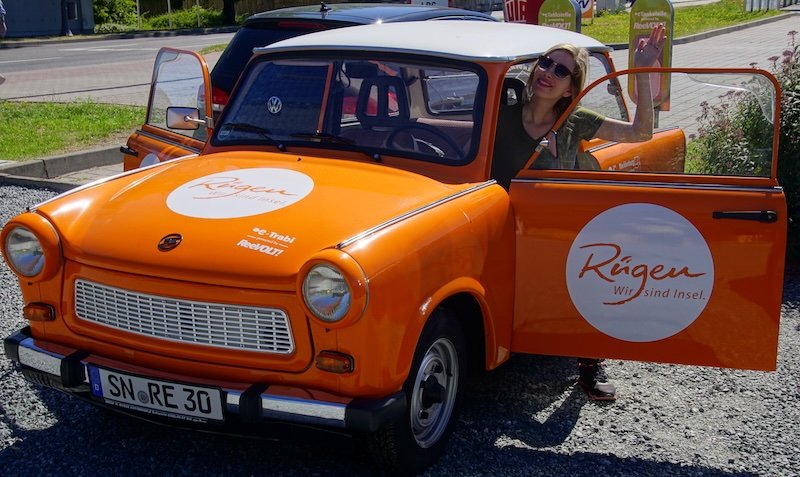
And that’s why I was so excited to get to ride in a bright orange Trabi while I was in Ruegen Island! This old Trabi had been converted into an eTrabi with an electric engine, and even though I wasn’t the driver, it was still a lot of fun riding in one simply because of all the history behind the car.
Travelling aboard the Rasender Roland
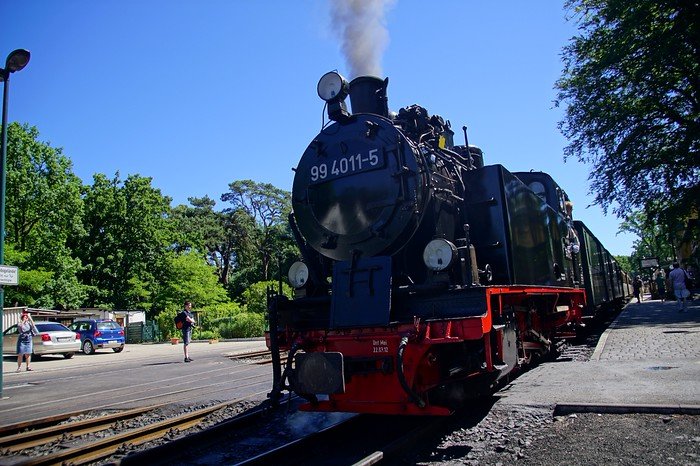
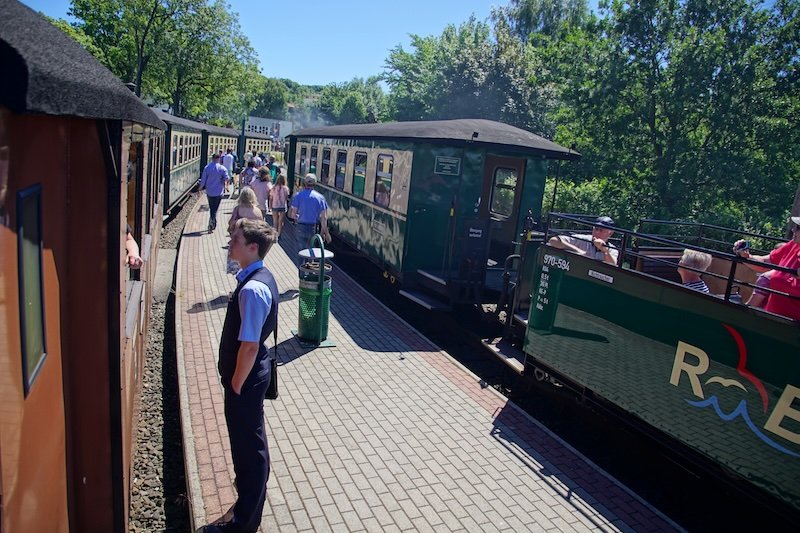
I know I’m sounding like a total transportation enthusiast here, but indulge me a little, will you? Now I’m going to tell you about a really cool train because if you ever find yourself in Ruegen Island you won’t want to miss riding the Rasender Roland. This is an old fashioned steam engine train that runs between Putbus and Goehren.
For many locals this was once a commuter train to travel between the towns along the southern part of the island, these days, however, the route has gained a lot of popularity with vacationing tourists who want to ride along this scenic route. The tracks run past farms and wooded areas, and it’s a slow and easy ride for all ages.
An alternative if you prefer something a bit more active is to hike the path through the woods that runs along the train tracks. That way you still get to enjoy nature and see the steam engine train in action.
A local was later telling me that sometimes there are special music events put on where you ride the train to the forest, people bring their picnic baskets, and then when you arrive, musicians are already playing live music. Could there by anything more idyllic than that?
The beaches in Goehren
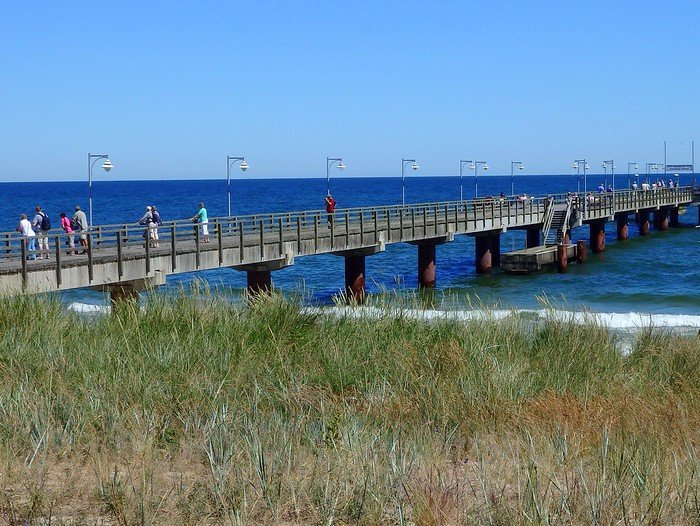
Ruegen Island wouldn’t be considered a summer destination if it didn’t have beaches, and the seaside town of Goehren offers precisely that. I only had half a day in the town, so I can’t give you the full scoop on all the sights, but I can tell you that it has a nice seaside promenade with some lovely stretches of sand. (The place reminded me of some of the Baltic seaside towns that I visited in Finland last summer!)
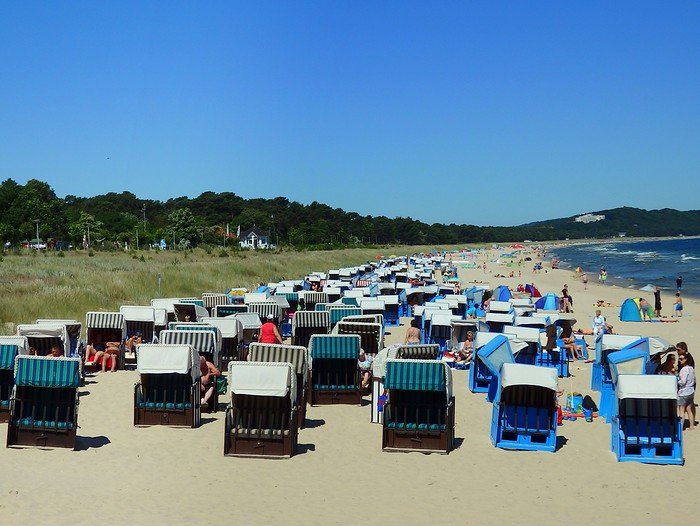
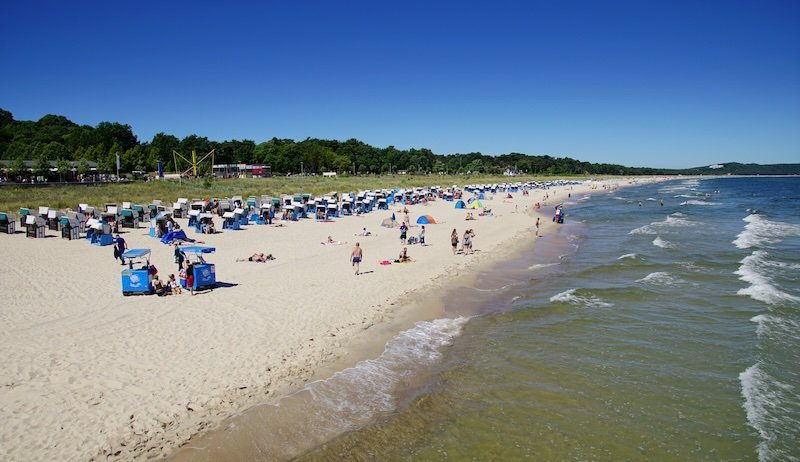
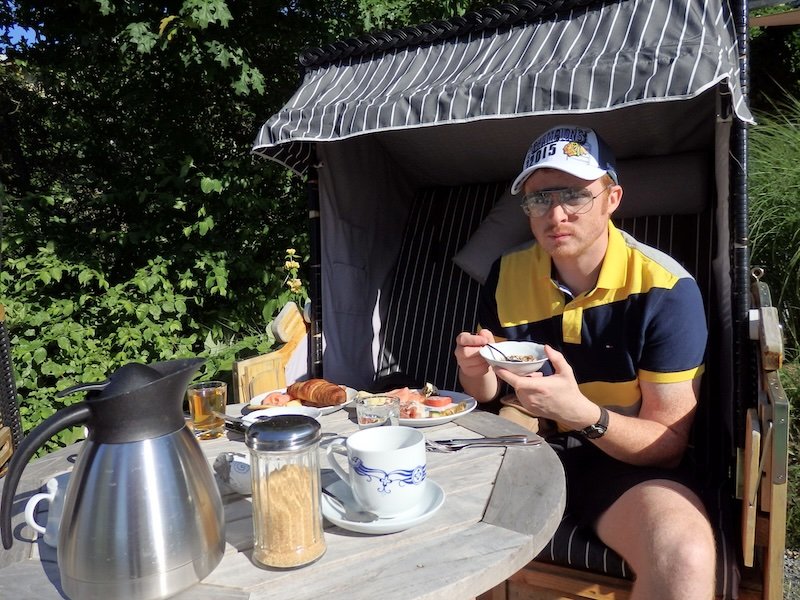
One of the things I found most interesting about the beaches was seeing the Strandkorben (double beach chairs that offer a little cover from the wind). Prior to visiting the northern parts of Germany, my mom who used to live in Hamburg, had told me about windy summers by the Baltic Sea – summers that involved sitting in a Strandkorb, bringing a book down to the beach, and perhaps even draping a blanket over your legs while you stared out at the sea.
Well, I happened to be visiting during an unusual heat wave so blankets were not necessary, but it was still cool seeing the Strandkorben all lined up on the sand.
Where to stay in Ruegen Island
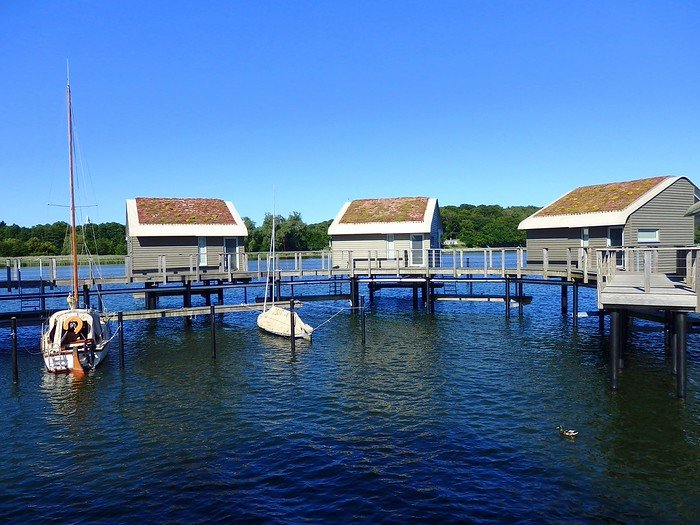
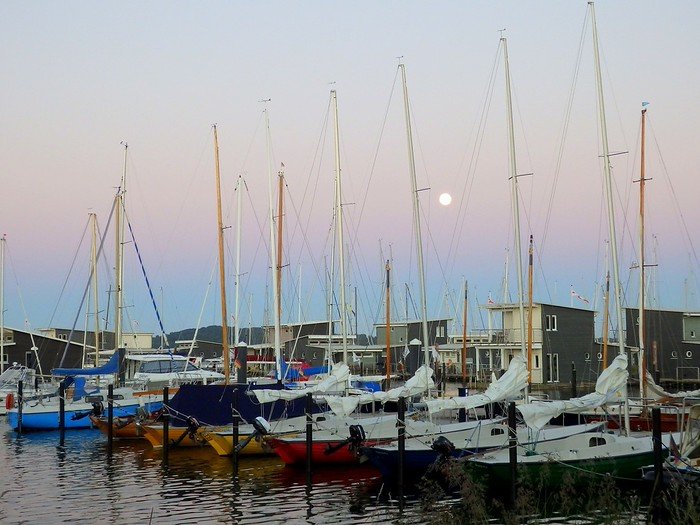
While in Ruegen Island I stayed at , which offers really unique accommodations in the form of apartments built on stilts over the water. It was pretty cool falling asleep with the moonlight streaming in through the windows, and simultaneously hearing the sound of the water lapping against the pier and the sailboats in the harbour.
This trip was planned in partnership with the German National Tourism Board as part of their #JoinGermanTradition campaign which seeks to highlight unique customs and traditions across Germany.
Rügen Island Travel Guide: Planning Your Visit
Here’s the practical side — where to base yourself, how to get around, what to eat and what to pack for a Baltic island summer.
Where to Base Yourself on Rügen
Choosing a home base on Rügen is half the battle. Each area has its own character — Belle-Époque promenades, fisherman-village harbours, chalk-cliff gateways. Here’s a quick comparison:
| Base Area | Best For | Vibe | Don’t Miss | Pros | Cons |
|---|---|---|---|---|---|
| Binz | First-timers, classic seaside promenades | Belle-Époque resort town, long sandy beach | Kurhaus, Schmachter See sunset, Strandpromenade | Many dining options, central for day trips | Busy in peak summer |
| Sellin | Iconic pier lovers | Pretty villas and the famous Seebrücke Sellin | Pier sunrise, South and North beaches | Postcard views, easy hop to Baabe and Göhren | More steps and gradients to reach the beach |
| Göhren | Beach time and Mönchgut peninsula walks | Relaxed, family-friendly | North and South Beach, Mönchgut hikes | Great for Strandkörbe days, Rasender Roland stop | Slightly farther to Jasmund |
| Sassnitz | Chalk-cliff access and Jasmund National Park | Fisherman-port charm | Königsstuhl Visitor Center, Victoria-Sicht | Closest to white-cliff trails | Pebbly shoreline (not sandy) |
| Putbus / Lauterbach | Quiet base and quirky stays over the water | Noble squares, marina life | Putbus castle park, marina boardwalks | Easy Rasender Roland access, boat trips | No big beach right in town |
| Kap Arkona / Putgarten | Lighthouse and coastal scenery | Windy headland and village charm | Twin lighthouses, Vitt hamlet | Dramatic cliffs and Baltic panoramas | Exposed to weather, can be blustery |
| Hiddensee (car-free isle) | Slow travel and bikes | Dune landscapes, thatched cottages | Dornbusch lighthouse, sandy sweeps | Peaceful, no cars | Access via ferry; day-trippers surge in summer |
My take: If your heart is set on chalk cliffs, Sassnitz is the most practical base. If you want the classic German seaside look — café-lined promenades and long sandy beach — go Binz or Sellin. For space to breathe, Göhren on the Mönchgut peninsula is a lovely middle ground. All options are searchable on Booking.com, including some genuinely characterful marina and waterfront stays.
Getting Around Rügen
Rügen’s logistics are wonderfully old-meets-new. Pick the mix that fits your style:
By Car
- Why it’s handy: Maximum freedom — and those tree tunnels (Alleenstraßen) are dreamy to drive.
- Watch for: Narrow lanes, cyclists, beach traffic in July and August, and paid parking near piers and parks.
- Good to know: A smaller car makes coastal village parking considerably easier.
By Rail and Bus
- Mainline trains reach Stralsund and Bergen auf Rügen; from there, regional trains and buses fan out across the island.
- Rasender Roland (Putbus–Binz–Sellin–Göhren): the scenic heritage line works equally well for sightseeing and practical transport. It’s slow, charming, and perfect for mixing a beach day with a nostalgic steam engine ride between towns.
By Bike
- Rügen is crisscrossed with coastal and forest cycle paths. Many seaside promenades have parallel bike routes.
- Rental tip: Ask for a lock and lights; coastal fog can roll in earlier than expected.
Boats and Ferries
- Summer boats link Lauterbach, Sellin, Binz, Göhren and out to Hiddensee. Bring a light layer for the breeze, even when the sun is out.
The Beaches: Where to Go and How to Rent a Strandkorb
You’ll notice the Strandkörbe — those hooded wicker beach chairs — lined up in rows. They’re perfect for windier Baltic days (which is many days), and a very “when in Germany” experience to add to your trip.
- Binz Beach: Long, golden and perfect for a promenade stroll followed by a lazy Strandkorb afternoon.
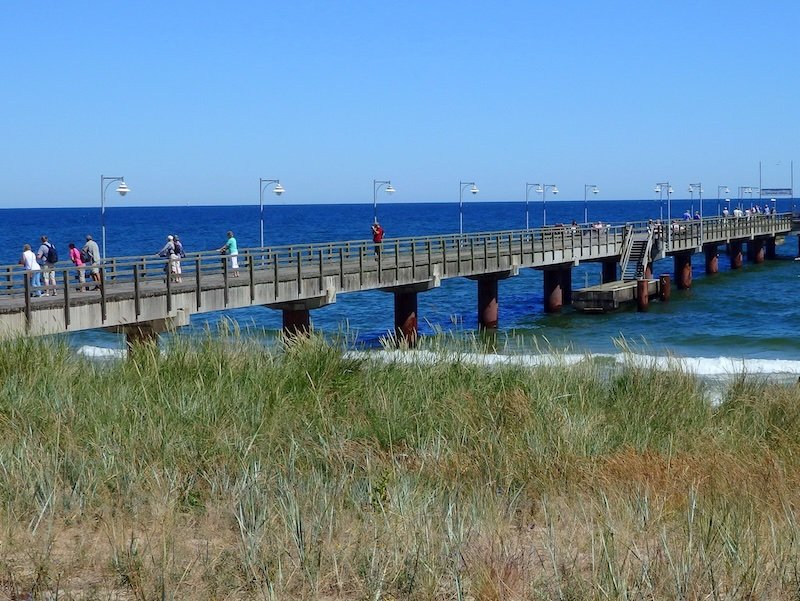
- Sellin North and South Beaches: The pier steals the show — come early for sunrise when the water is glassy and the light is soft pink.
- Göhren: North Beach is great for families; South Beach feels wilder and pairs nicely with Mönchgut hikes.
- Prora: A dramatically long sweep of sand — ideal for extended beach walks.
Swimming note: The Baltic here is shallow and typically calm, but it can be fresh. A quick dip followed by a Strandkorb cocoon is a winning combination.
Nature Days: Hikes and Viewpoints
Jasmund National Park (Sassnitz)
- Musts: Victoria-Sicht (gentle forest stroll with a big reveal) and the Königsstuhl overlook with its visitor centre.
- Trail tip: Drop down to the pebble beach (check conditions) for the full white-cliff-meets-turquoise-water moment. Wear grippy footwear — chalk dust and pebbles are slippery.
Mönchgut Peninsula (Sellin–Baabe–Göhren)
- Low, rolling landscapes, reed beds and sea-meets-meadow views. Bring a picnic and meander — you’ll stumble on perfectly quiet coves.
Granitz Beech Forest
- Hunting Lodge Granitz (Jagdschloss): climb the cast-iron staircase for a 360-degree view over beaches, lagoons and villages. It’s a leg-burner with a real prize at the top.
Kap Arkona and Vitt
- Twin lighthouses, steep coast and that windswept “edge of the map” feeling. Walk down to Vitt — a tiny thatched-roof hamlet that feels like it’s in its own time warp.

What to Eat and Drink on Rügen
You’re on an island — lean into the fischbrötchen life.
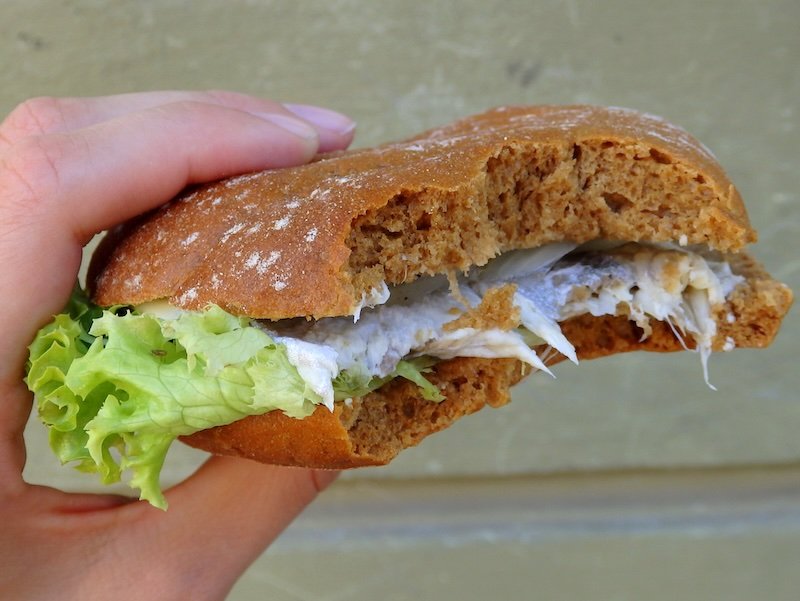
- Fischbrötchen (fish rolls): Herring (Bismarck or Matjes), smoked mackerel or salmon with pickles and onions. Perfect pier food.
- Räucherfisch (smoked fish): Smokehouses near harbours — follow your nose.
- Sanddorn (sea buckthorn): Tangy citrus in teas, juices and cakes. A Baltic speciality worth seeking out.
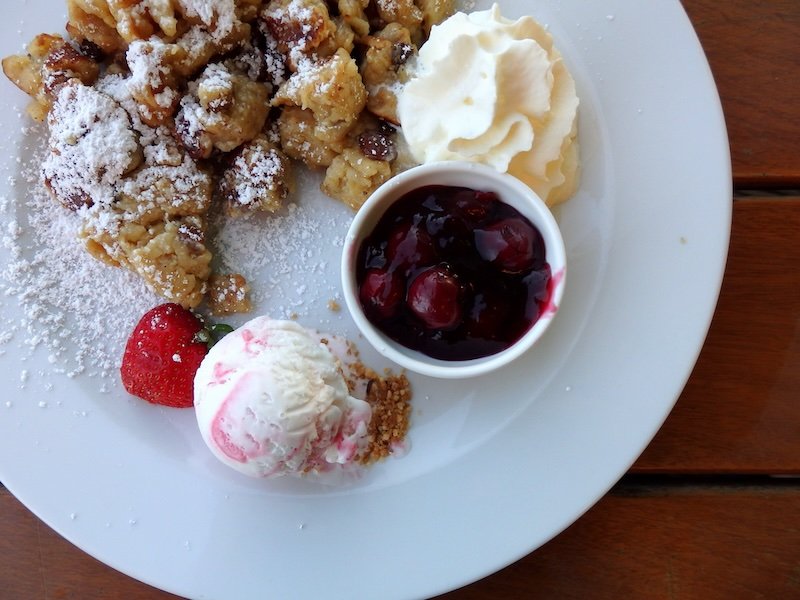
- Kuchenpause: Afternoon coffee and cake is practically mandatory. Try a Sanddorn cheesecake or a seasonal fruit tart with a sea view.
Budget tip: Beach kiosks and harbour shacks keep lunches very reasonable. Save a proper splurge for a waterfront dinner in Binz or Sassnitz.
Sample Itineraries
3 Days on Rügen
Day 1 — Binz and Sellin
- Morning: Coffee on the Binz promenade, beach walk.
- Midday: Granitz Lodge — climb for the views.
- Late afternoon: Sellin Pier for photos, blue hour and dinner with a pier view.
Day 2 — Jasmund and Sassnitz
- Morning: Victoria-Sicht and forest walk (pack snacks).
- Midday: Königsstuhl visitor centre; optional descent to the pebble beach (check trail status).
- Evening: Harborside dinner in Sassnitz — smoked fish and Sanddorn dessert.
Day 3 — Göhren and the Rasender Roland
- Morning: Strandkorb time in Göhren (North Beach).
- Afternoon: Ride the Rasender Roland to Sellin or Binz; hop off for ice cream and a promenade stroll.
- Sunset: Back to Göhren for a mellow beach sunset.
5 Days on Rügen
Day 1: Binz arrival, beach walk and Granitz Lodge
Day 2: Full Jasmund loop (Victoria-Sicht, Königsstuhl, Sassnitz harbour)
Day 3: Kap Arkona lighthouses, Vitt village and Putgarten wander
Day 4: Göhren base, Mönchgut peninsula hike and a Strandkorb reading afternoon
Day 5: Störtebeker Festspiele night — daytime at the beach or Sellin; evening: blanket, hoodie and your best seafarer spirit
When to Visit
- June–August: Warmest temperatures, buzzing seaside towns and the longest days. Expect crowds in July and August — book early.
- May and September: Shoulder-season sweet spot — mild weather, easier reservations and still genuinely beachable with a sweater.
- Evenings: Chillier than you’d expect from the daytime (Baltic breeze). A light fleece or puffer earns its suitcase space.
- Sea temperature: Refreshing rather than warm. If you run cold, pack a quick-dry towel and warm layers for post-swim.
What to Pack
Beach and Daywear
- Swimsuit (two if you’re a beach-all-day person)
- Quick-dry towel or Turkish towel
- Light cottons and linens for town and promenades
- Sun hat and sunglasses
- Packable rain jacket or windbreaker (the Baltic breeze is very real)
Footwear
- Comfortable walking shoes for forest trails and piers
- Sandals you can kick on and off for Strandkorb days
- Light hikers if you plan to descend to the pebbly beaches
Nice-to-Haves
- Reusable water bottle
- Picnic kit (foldable knife, napkin, tote bag)
- Power bank for long days out
- Binoculars (useful for cliffs, lighthouses and that ship on the horizon)
For Störtebeker Festspiele Night
- Blanket or travel throw
- Hoodie or fleece — even on warm-day evenings you’ll be glad you brought it
- Quiet snacks (chocolate, nuts, fruit)
Responsible Travel on Rügen
- Stay off cliff edges and heed closures — chalk coasts are fragile and erosion happens.
- Use official paths down to beaches; don’t scramble across dune grasses.
- Carry it in, carry it out: Beaches and forests here are pristine — let’s keep them that way.
- Give wildlife space, especially on quieter Mönchgut stretches.
- Support local: Smokehouses, bakeries, family-run Strandkorb rentals — your euros make a direct difference.
Budget Guide
- Strandkorb rental: around €10–€20 per day (varies with location and season)
- Fischbrötchen lunch: €3–€7
- Café and cake: €6–€10
- Casual dinner mains: €14–€24
- Rasender Roland ride: modest fare; return tickets often offer savings
- Königsstuhl visitor centre: paid entry; check combo options if you’re visiting multiple sites
Rainy Day Plan
- Museums and visitor centres: Königsstuhl (Jasmund), local history in Binz, or maritime exhibits near the harbours.
- Café-hop: Baltic cake research is a genuinely rewarding activity.
- Spa day: Many seaside hotels offer day passes — sauna with a stormy sea view is peak cosy.
- Train ride: The Rasender Roland is extra atmospheric in mist and drizzle.
Rügen Island FAQ
When is the best time to visit Rügen for beaches and hiking?
Late June through early September offers the warmest weather and longest days — perfect for beach time and forest walks. May and September are lovely shoulder months with milder temperatures, fewer crowds and lower prices, but evenings can be cool so bring layers.
Which base is best for seeing the white chalk cliffs?
Sassnitz is the most practical base for Jasmund National Park, with short drives or bus links to Victoria-Sicht and the Königsstuhl visitor centre. If you prefer a sandy beach and don’t mind a slightly longer commute, Binz or Sellin work well too.
Can I swim almost anywhere along the coast?
Designated swimming zones run along the main resort beaches — Binz, Sellin, Göhren and Prora. The Baltic is generally calm and shallow, but cooler than the Mediterranean. The pebbly stretches below the chalk cliffs are scenic but not ideal for swimming; stick to signed beach areas with lifeguards in summer.
How do I rent a Strandkorb and do I need to book ahead?
On busy beaches there’s usually a kiosk or attendant by the numbered Strandkörbe — pick a free one and pay by the hour or day. On sunny weekends in peak season, arrive earlier in the morning to secure a front-row spot, especially in Binz and Sellin.
Is the Rasender Roland steam train worth riding if I’m short on time?
Yes — do a short hop between Binz and Sellin, or Sellin and Göhren. It’s slow, nostalgic and scenic, and doubles as actual transport. Pair the ride with a pier stroll or ice cream stop to make it a complete mini-outing.
How do I get tickets for the Störtebeker Festspiele and what should I bring?
Tickets can be purchased online in advance or at box offices on the island. Seats go fast in July and August. Bring a blanket, a warm layer and a thermos or snacks — it’s an outdoor evening performance right by the water and temperatures dip more than you’d expect.
Are there easy hikes suitable for families with children?
Yes — Jasmund’s forest paths to Victoria-Sicht are gentle and well-marked, Granitz beech forest has wide trails, and Mönchgut offers rolling, lowland paths by the sea. Always keep children on designated trails near cliffs and follow local safety signs.
Do I really need a jacket in summer?
Yes — pack summer clothing for daytime, but absolutely bring a windbreaker or light fleece for evenings. The Baltic breeze is cool, especially at sunset, on ferries and at outdoor theatre. A scarf and light beanie never go unused on Rügen.
Can I visit Hiddensee as a day trip from Rügen?
Yes — summer ferries connect Rügen (from Schaprode or Lauterbach) to car-free Hiddensee. Rent a bike on arrival, ride to Dornbusch lighthouse and enjoy the dunes and long beaches. It’s a slower pace and a lovely change of scene.
Are there any safety considerations around the chalk cliffs?
Chalk cliffs erode and can be unstable. Heed all trail closures and safety signage, stay behind fences and keep back from edges. Use official access points for pebble beaches and avoid walking under overhangs when conditions are wet or windy.
Is Rügen easy to explore without a car?
You can see a lot using regional trains, buses, the Rasender Roland and summer boats — especially if you base yourself in Binz, Sellin, Sassnitz or Göhren. A car is convenient for reaching more remote viewpoints quickly, but not essential if you’re happy with slower, scenic travel.
What local foods should I try on Rügen?
Start with fischbrötchen (fish rolls) from a harbour stand, Räucherfisch (smoked fish) from a harbour smokehouse, and anything made with Sanddorn (sea buckthorn) — teas, juices and cakes. Save room for afternoon Kaffee und Kuchen; a seaside slice with a Baltic view is one of Rügen’s simplest and best pleasures.
Have you visited the Baltic Sea in the summertime?
Any favourite destinations to share?
Such a beautiful place. Thanks for sharing 🙂
http://www.vonnydu.com
So neat — never heard of Germany’s beaches, but these look pretty neat 🙂 Also, ostalgie sounds fascinating — I am originally from Russia, where there is quite a bit of nostalgia for all things Soviet, except for cars…maybe because Soviet brands have now become RUssian and are still made today, and still aren’t terribly reliable 🙂
You’re right! When I think of Germany, I certainly don’t think of beaches. It looks lovely though!
Loving your Germany posts, as I’ve never heard of any of these places before. And I especially love the little history lessons — I am a former teacher and a lifelong history nerd, so those little snippets always appeal to me 🙂 Looking forward to reading more, and I am filing all of this away for a potential Germany and Austria trip next spring!
xx
I love your new website! So lovely 🙂
And I am glad you made it to South Africa!
That’s my ‘hood..:D
It is truly beautiful
Wow! Ruegen Island looks really gorgeous. Love all the photos, especially the one with blue rooftops and the last one – moon and the harbor.
Audrey, that’s a fantasic post!! I am from Mecklenburg-Western Pomerania, just live 100km away from Rügen Island but also at the coast, and it’s great to see your pictures and to read about our history. It is/was exactly as described. Did you also take a swim in the Baltic Sea or was it still too cold? 🙂 As I heard from my family and friends it was pretty hot over there when you were there. Lucky you! Again, thanks for sharing your Rügen experiences with us! Safe travels!
Such an awesome place. I had no idea! It’s on my list now, thank you!
The white calc cliffs are really nice and on their bottom you can look for special formed stones etc. 🙂