
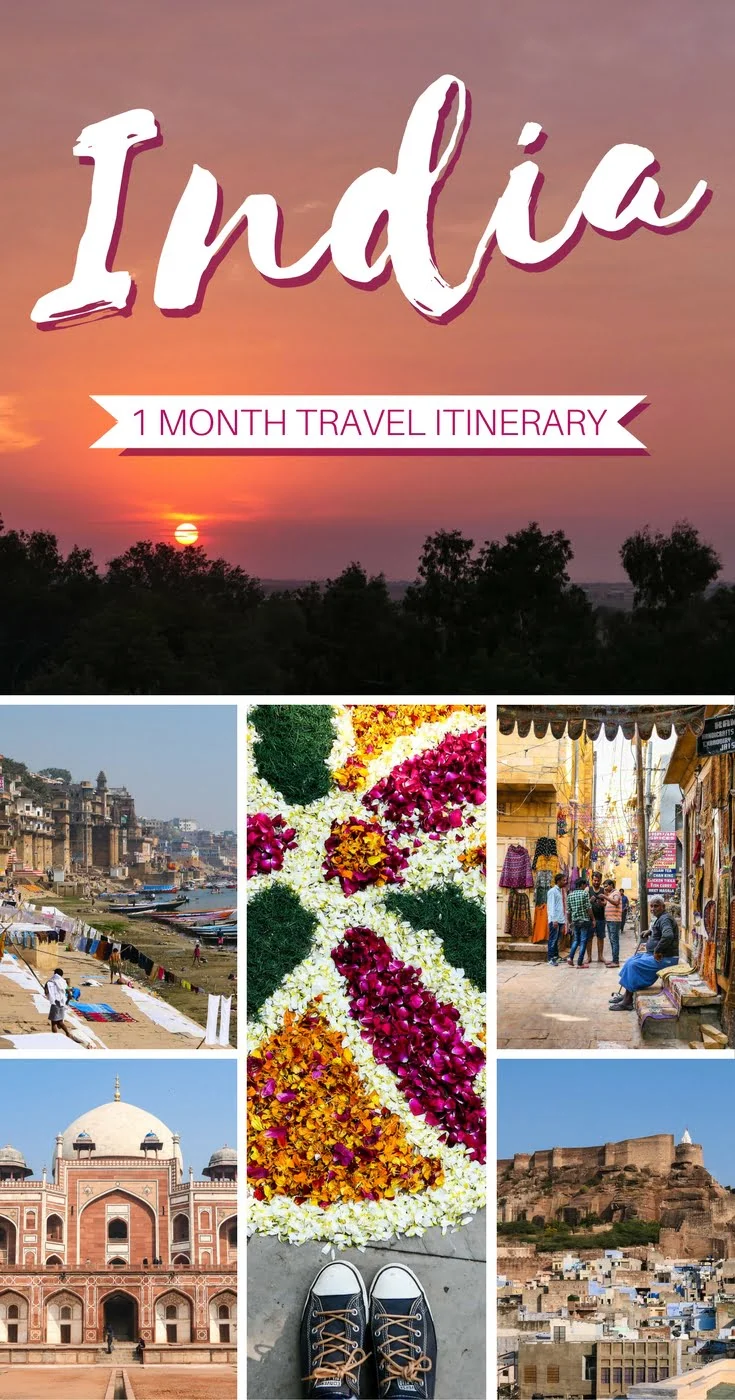
Today I’m sharing my India travel itinerary with you all. One month in India may sound like a long time, but when you’re planning to travel in such a big country, one month can feel like a huge time constraint. Where should you go and what should you do?!
Sam and I ended up in India as part of our annual winter escape with his parents. So far we’ve done Southeast Asia and South America together, and this year they wanted to travel in India.
The two big items on their travel bucket list were the Taj Mahal in Agra and the Ganges in Varanasi; aside from that we were free to plan the whole itinerary.
Sam and I then started talking about Rajasthan, the trip started expanding, and next thing you knew, we were travelling the full width of the country by train from Jaisalmer to Kolkata!
I’ve already shared a few little snippets of our time in India in previous posts, but today I’m going to outline our 1-month India travel itinerary for anyone considering a similar trip.
1-Month India Travel Itinerary: India Travel Guide For Train Travellers
Delhi (4 Days)
Our first stop was Delhi and what an introduction to India! It was chaotic, it was colourful, and it was a whirlwind.
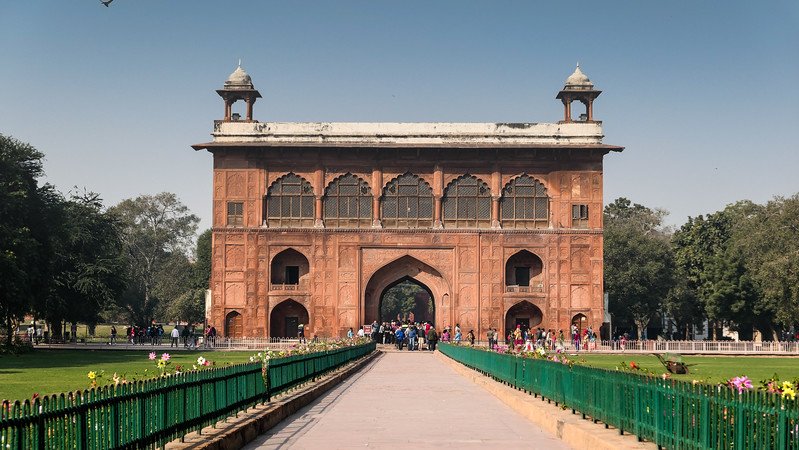
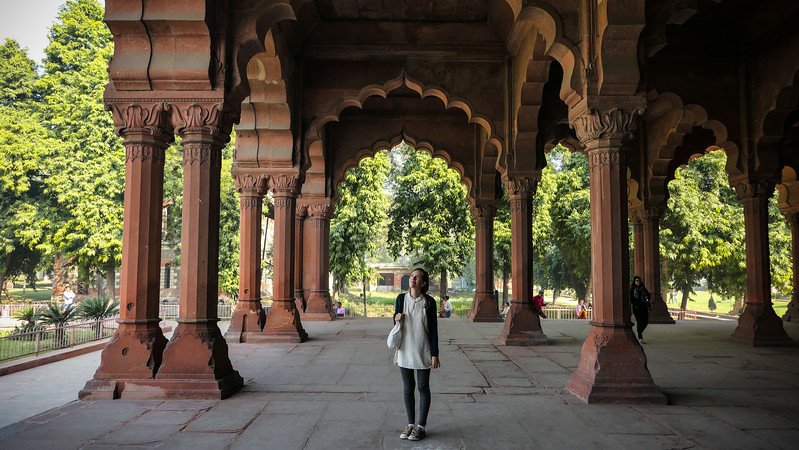
We spent our first day touring the Red Fort, which was once the main residence of the Mughal emperors. It may be called a fort, but this place is more like a walled city and you could easily spend half a day here visiting the bazaar, hammam, gardens, courtyards and palaces.
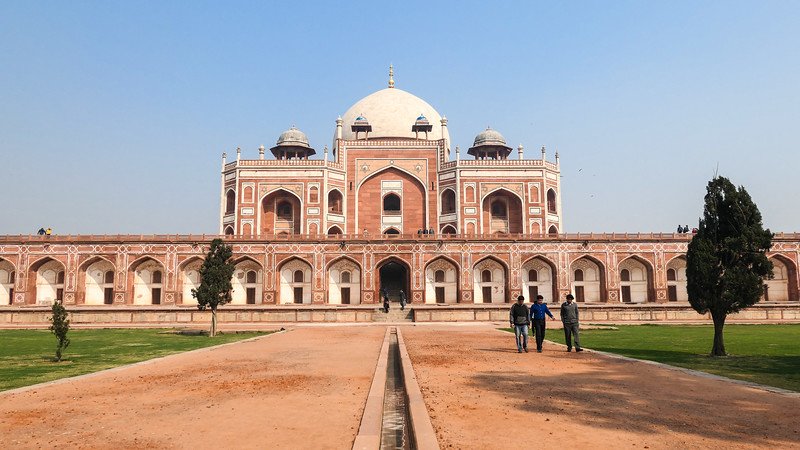
On our second day we toured Humayun’s Tomb which was commissioned by the Emperor’s wife after his death. It’s a majestic sight with beautiful surrounding grounds.
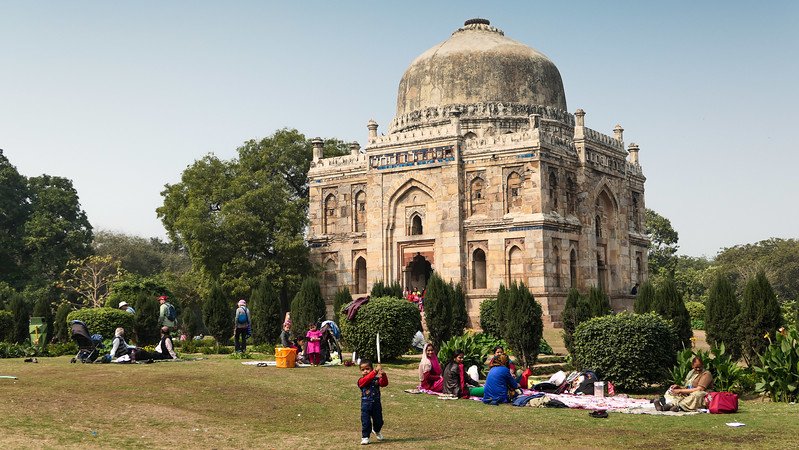
From there we took a pedal rickshaw to the Lodhi Gardens which house beautiful tombs and they are a popular spot with families on weekends – we saw birthday parties, picnics, and plenty of cricket games taking place.
Just outside the gardens you also have Lodi – The Garden Restaurant, which is a bit of a splurge but offers al fresco dining surrounded by nature.
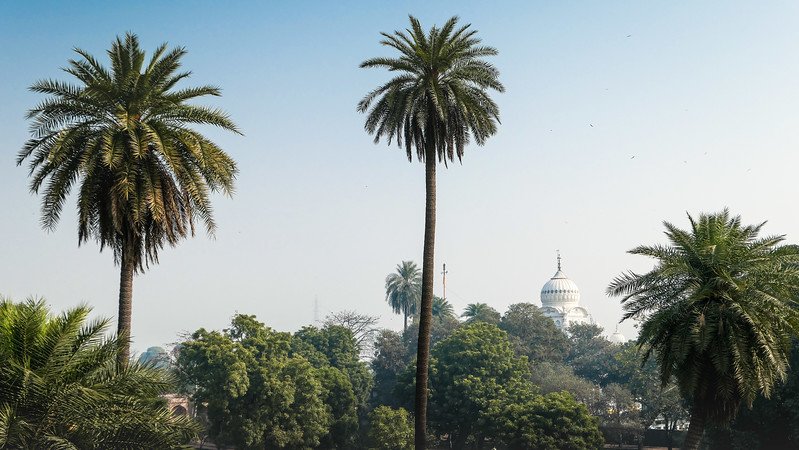
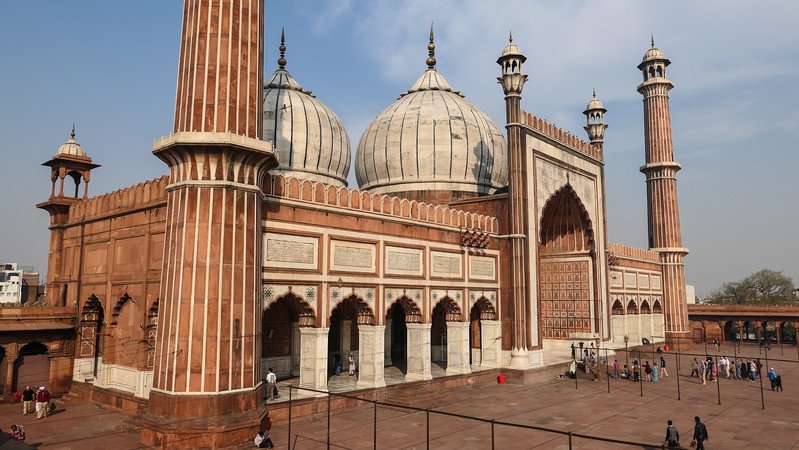
Our third day in Delhi was reserved for visiting Jama Masjid in the morning. This is the largest mosque (by size) in all of India, so we couldn’t leave without a glimpse of the interior.
Keep in mind that the mosque is not open to visitors during prayer times, so you’ll want to plan your visit accordingly.
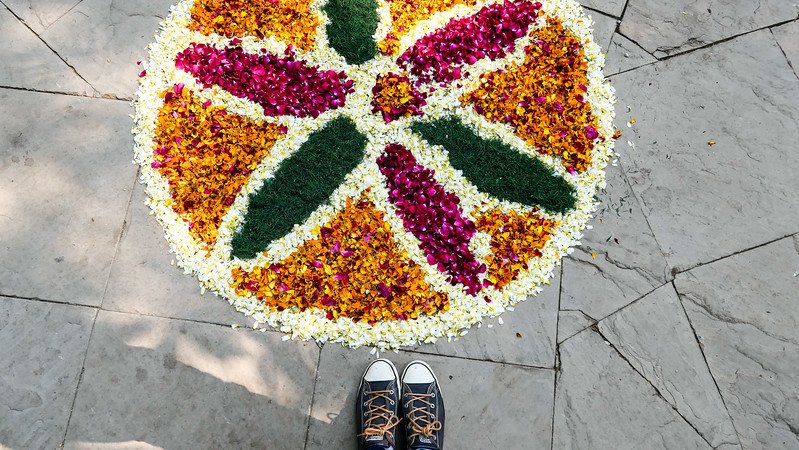
Many people will tell you to get in and out of Delhi as quickly as possible, but even after three full days there I felt I could have used more time to see the rest of the sights.
If you have a bit more time you can consider visiting: India Gate, Safdarjung’s Tomb, the Lotus Temple, Akshardham Temple, Jantar Mantar, plus lots of markets.
If you ask me, you need at least a week in Delhi to see it all! You can have a quick look of my Delhi highlights here.
Where I stayed:
Tara Palace Hotel
We booked this hotel because it was a modern property located in a quiet area, yet still within walking distance of the Red Fort. The rooms were spacious and clean, the staff was beyond helpful and friendly, and while there weren’t many restaurants on our street, the hotel served up great meals at their in-house restaurant.
Read reviews for Tara Palace Hotel.
Jaisalmer (3 Days)
Jaisalmer was my favourite stop in Rajasthan. Yes, it was a long train ride to get there, but it was worth it in the end!
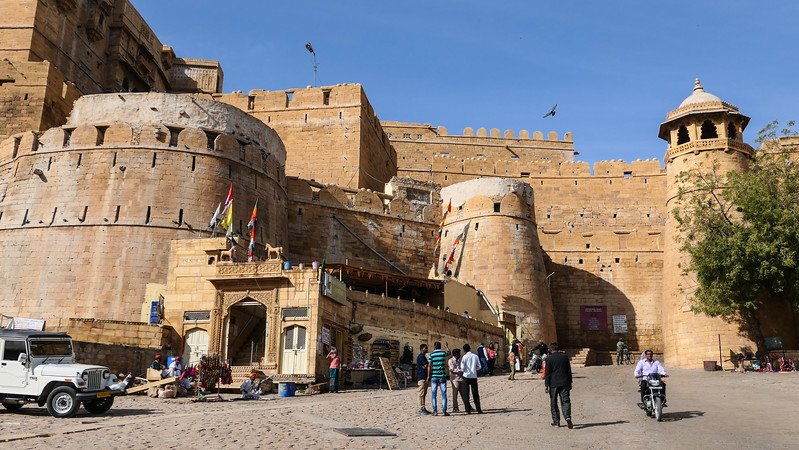
Jaisalmer, also known as the Golden City, is one of those places that seemingly rises out of the desert like a mirage.
The yellow sandstone buildings blend in with the colours of the sand, and the city has a bit of a magical feel to it.
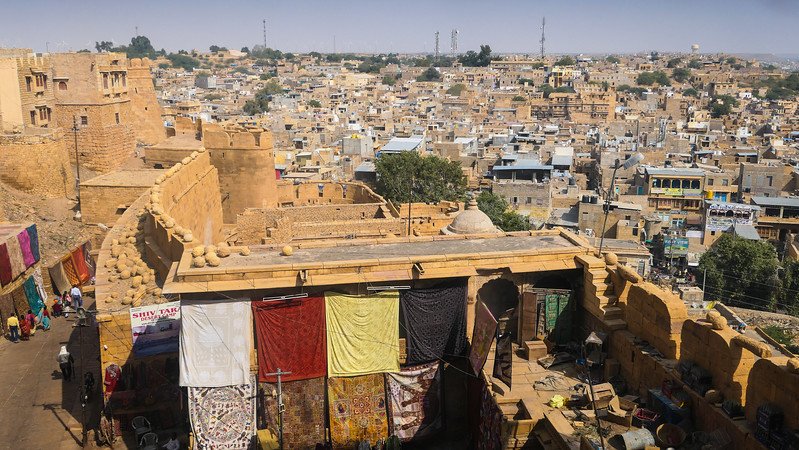
The main attraction in town is the Jaisalmer Fort, but it’s such a massive place and there is so much to see and do that you could easily revisit again and again over the course of your stay.
Inside the fort, you can tour the Raj Mahal, the palace where royal members resided, and the Jain Temples, which are renowned for their intricate craftsmanship.
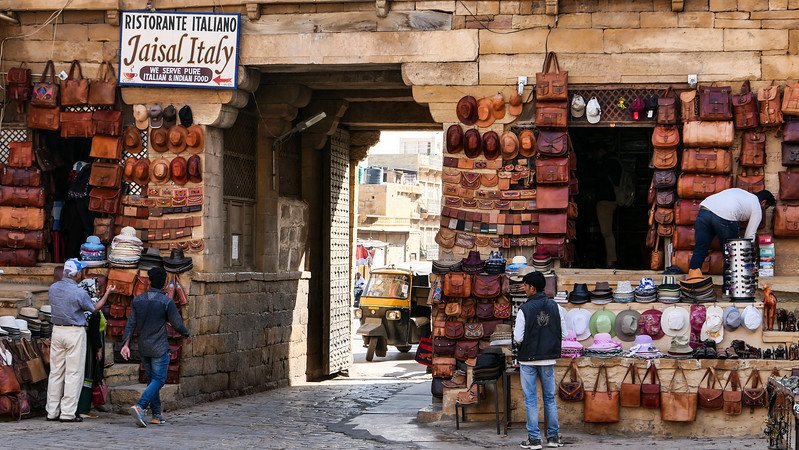
As for souvenir shopping, there is no shortage of shops and stalls selling tapestries, hand-painted postcards, leather goods, metalware, and all sorts of art and crafts.
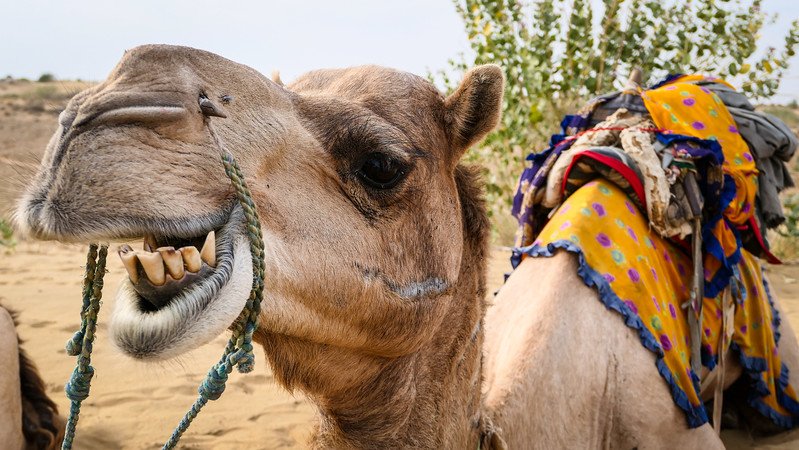
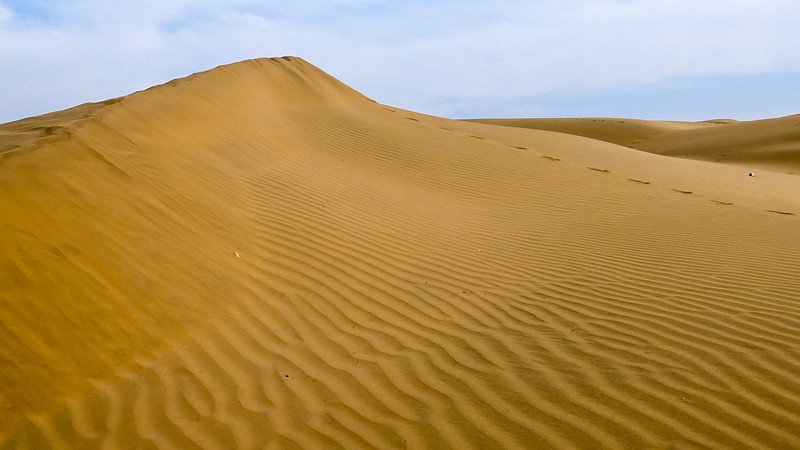
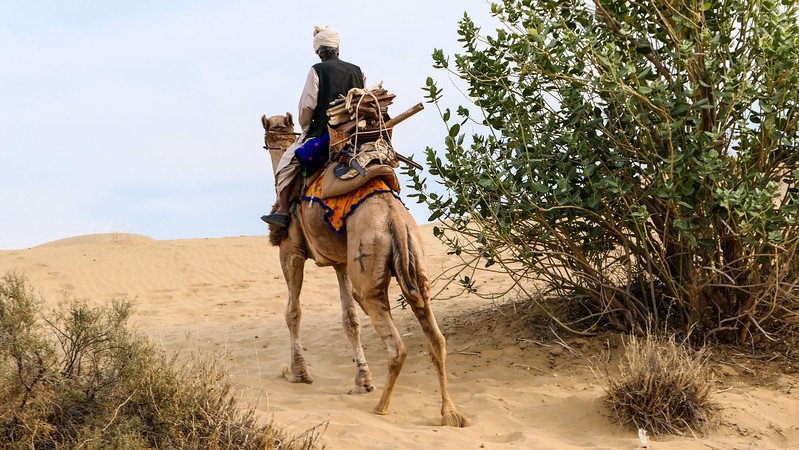
Jaisalmer’s location also makes it a popular jump off point for camel treks in the Thar Desert.
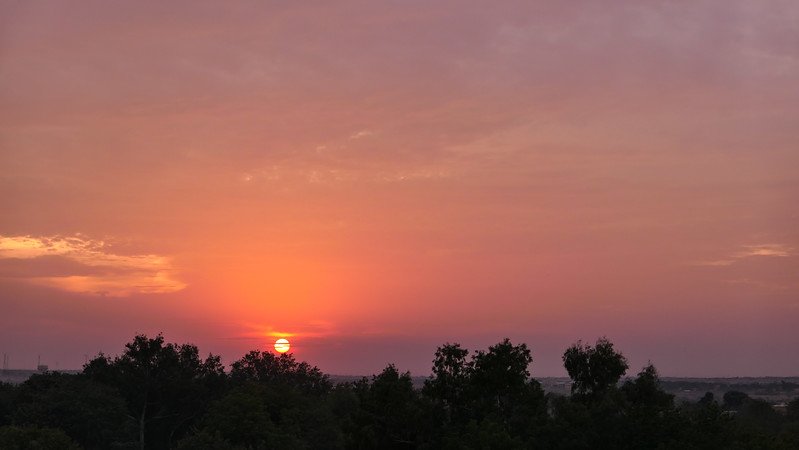
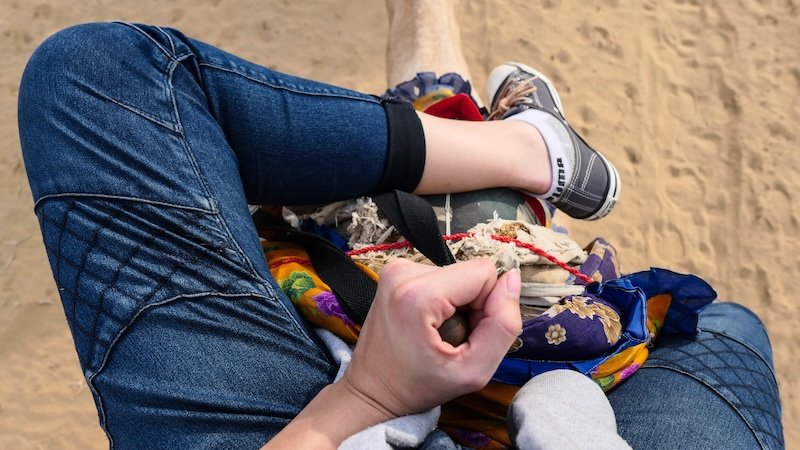
We did an afternoon trek where we rode camels, climbed dunes to watch the sunset, had dinner, waited for the stars to appear (sadly, it was an overcast night!), and then returned back to the city.
If you’re feeling a bit more adventurous you can camp out for the night or organize a longer tour.
Sam did a 4-day camel trek through the Thar Desert many years back and he’s got some good stories from that trip – including surviving a flash flood that involved climbing trees and then seeking refuge in a small village! – but an afternoon excursion was enough for me.
If you have a bit more time in Jaisalmer you can also consider visiting Bada Bagh, a garden complex about 6 kilometres outside the city, which houses royal cenotaphs (empty tombs).
You can find my full Jaisalmer itinerary here.
Where I stayed:
Tokyo Palace Hotel
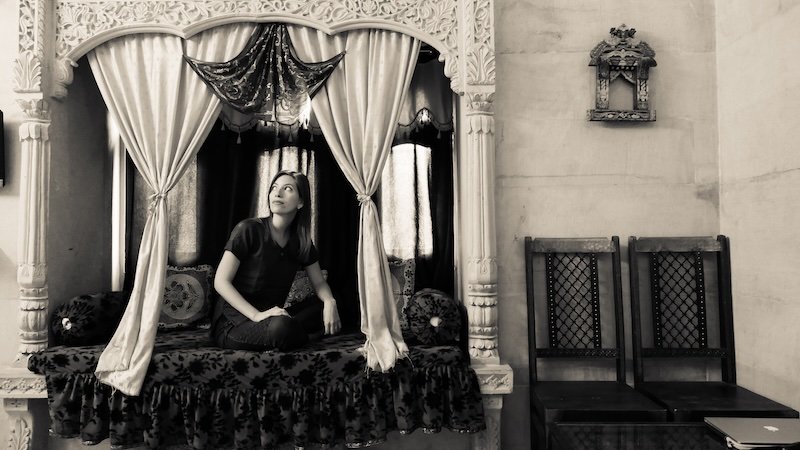
This hotel was amazing and the rooms were full of character – exposed yellow sandstone, window day bed with silk pillows, traditional dark wood furniture, and colourful glass lanterns. They also had a great rooftop restaurant that had the best views of Jaisalmer Fort, plus a second rooftop where you could watch the sunrise. The staff were also very kind and helpful, and they offered a free pick-up and drop-off service at the train station.
Read reviews for Tokyo Palace Hotel.
Jodhpur (3 Days)
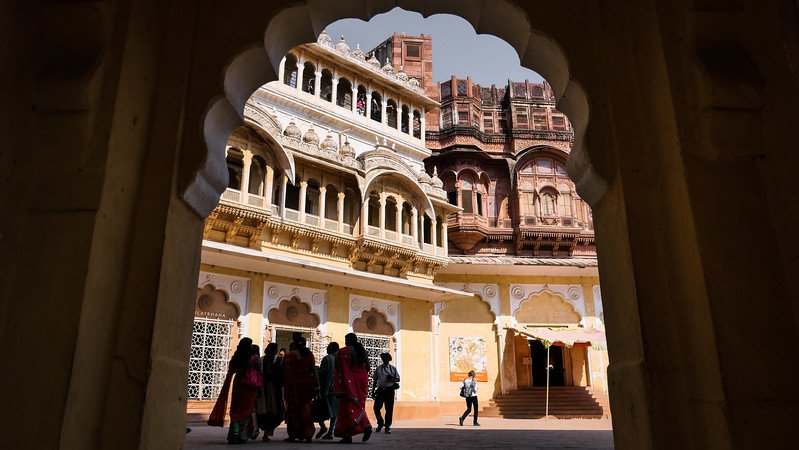
Next up, we visited Jodhpur, the famed Blue City of Rajasthan. I was expecting it to be similar to Jaisalmer in size, but Jodhpur is a full-blown city that can be a little tricky to navigate.
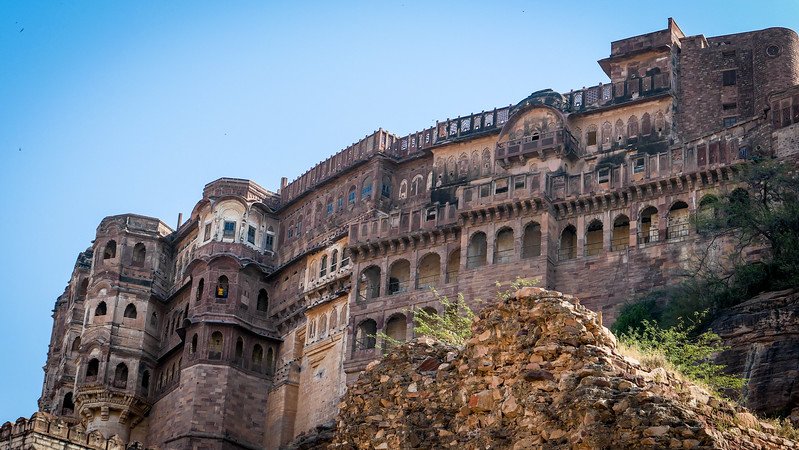
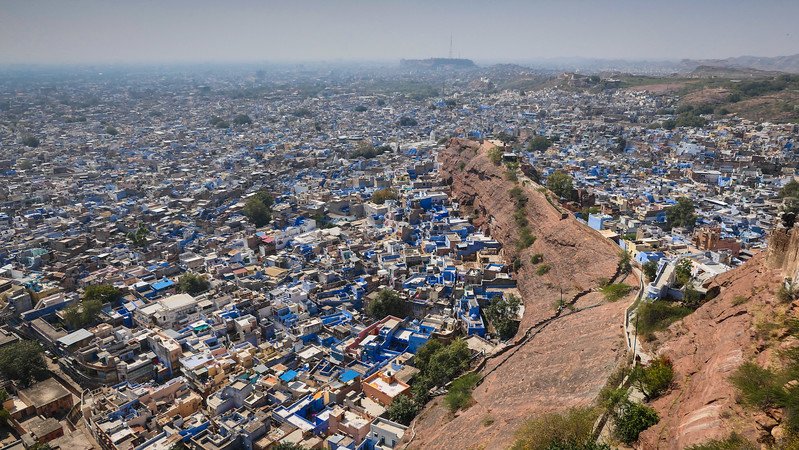
The main attraction in Jodhpur is Mehrangarh Fort, a place that looks like the setting of a fairy tale with elements of science fiction.
Mehrangarh Fort houses an impressive museum where you can see paintings, costumes, armour, and furnishings that would have been used by the rulers.
Inside the fort, there’s also a nice cafe called Café Mehran which serves up some of the best samosas I had in India.
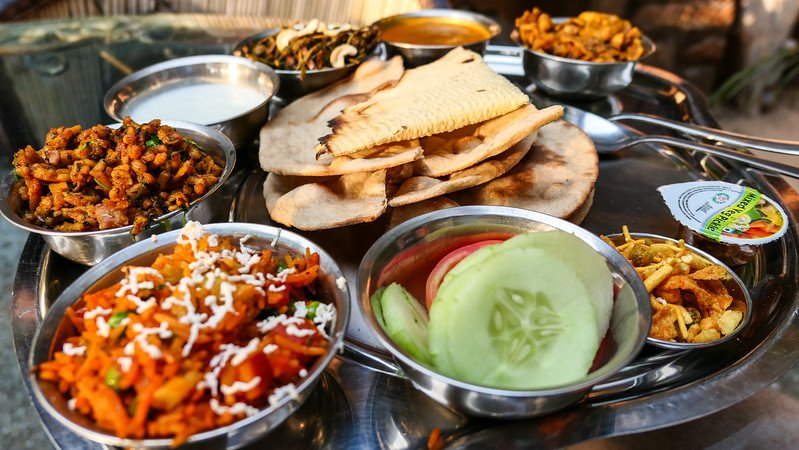
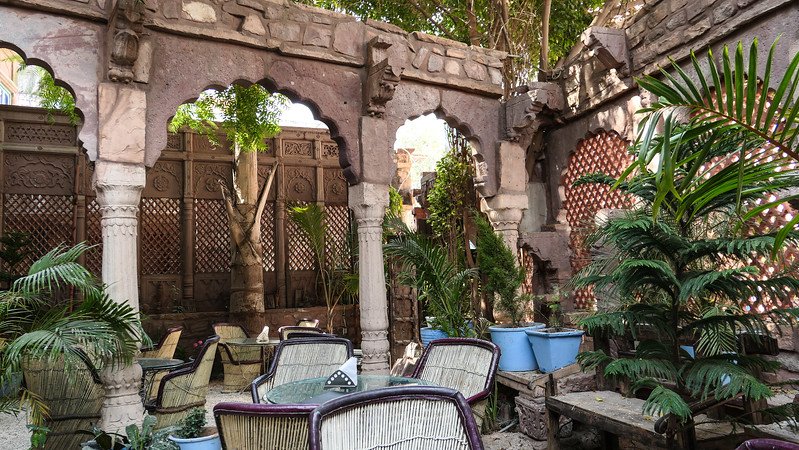
We also visited the Sardar Market which encircles the Clock Tower. It was not my favourite area, but that does put you in close proximity to two really good restaurants that we coincidentally discovered.
The first is Indique, which is a rooftop restaurant that’s popular for sunset drinks; and the second is Jhankar, which is set in a lush courtyard and serves up a delicious Rajisthani thali – this was my favourite restaurant in town!
When we weren’t eating in Jodhpur (and it seems that we visited more restaurants than we did attractions!), we were wandering the blue maze that is this city.
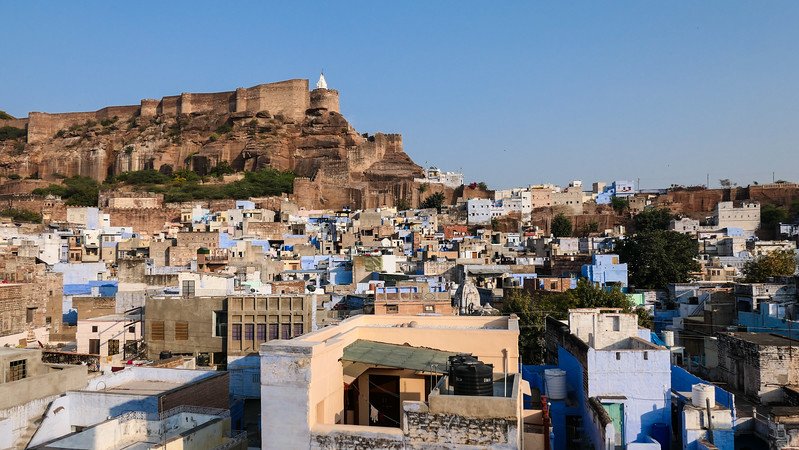
Where I stayed:
Jewel Palace Haweli
We got the Deluxe Room with Castle View and like the name suggests, we had amazing views of the fort and the blue city. Yes, that picture you see right above was taken from our hotel! While I loved staying in a traditional haveli, we did find the staff quite forgetful – we had to repeatedly ask for things like bedsheets, towels and toilet paper. So although I would recommend staying at a haveli as it’s such a unique type of accommodation, I would also suggest finding a property with better ratings. You can browse havelis in Jodhpur here.
Read reviews for Jewel Palace Haveli.
Jaipur (3 Days)
We then travelled to Jaipur, which is nicknamed the Pink City.
The attractions in Jaipur were beautiful, but we also signed up for a day tour that turned into a bit of a nightmare.
I would not recommend the day tour operated by RTDC (Rajasthan Tourism Development Commission); we raced from attraction to attraction with an unhappy guide who lost half the people in his group, scheduled several commission-based shopping stops, and had a very negative attitude, but that’s a story for another day.
If I were to redo my time in Jaipur, I would try to cover less attractions and visit these on my own, perhaps only hiring a driver to get me to some of the further sites.
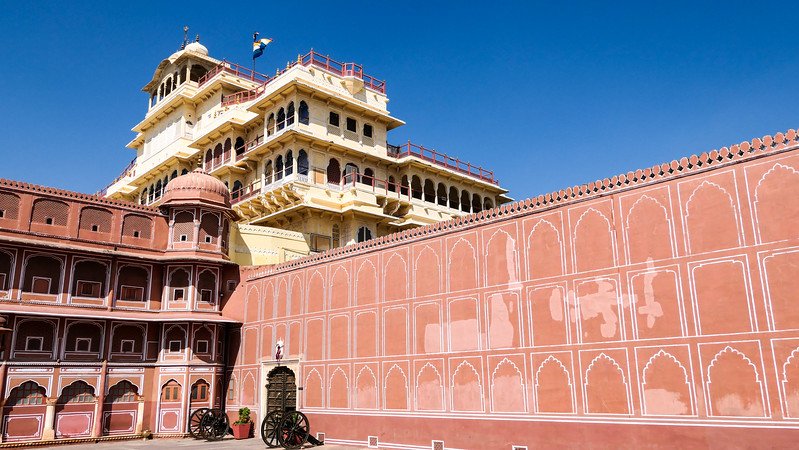
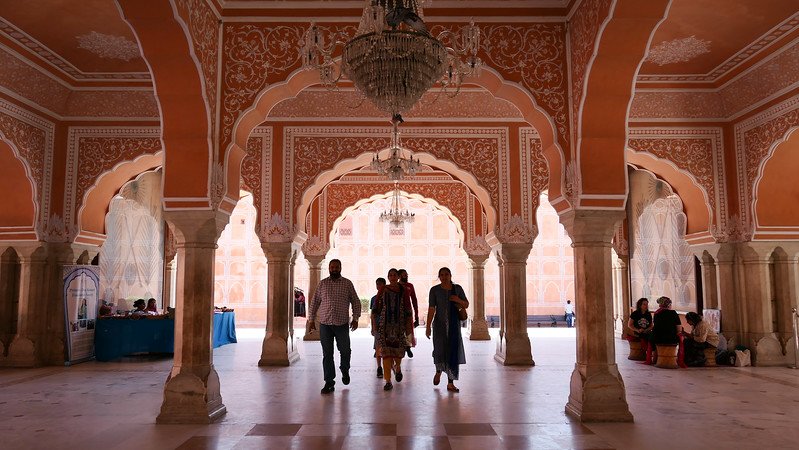
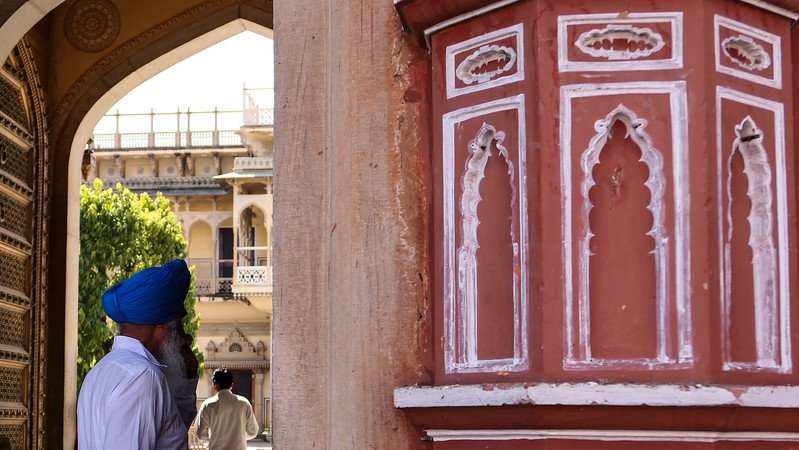
Our longest stop of the day was at the City Palace and I’m glad we had the time to visit this place thoroughly.
The City Palace is a complex housing several buildings within it and you could easily spend half a day wandering around.
You have Mubarak Mahal, housing a textile museum; Chandra Mahal, the residence of the descendants of the former rulers of Jaipur; Diwan-i-Khas, the Hall of Private Audience; Diwan-i-Am, the Hall of Public Audience; and plenty more.
Just a short walk from the City Palace, you also have Jantar Mantar, which is a collection of architectural astronomical instruments that were built in the 18th century.
There are a total of 19 instruments that would have been used to study the planets and the stars, and it kind of made me wish they did night tours so we could actually see these instruments put in action.
Alas, the site closes at 4:30 in the afternoon!
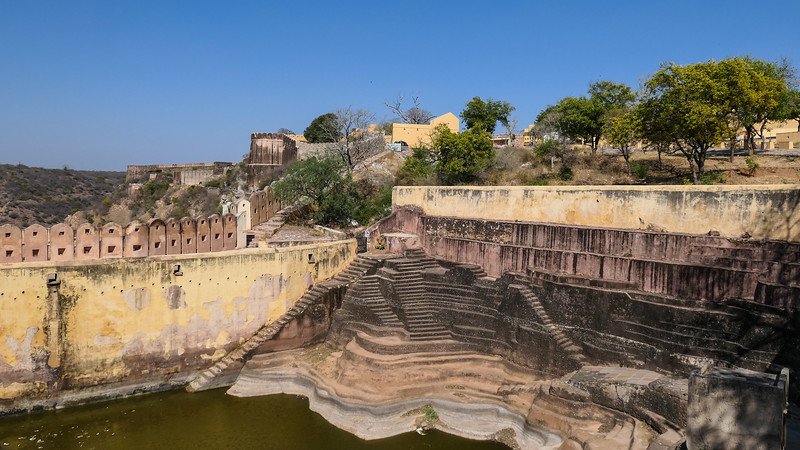
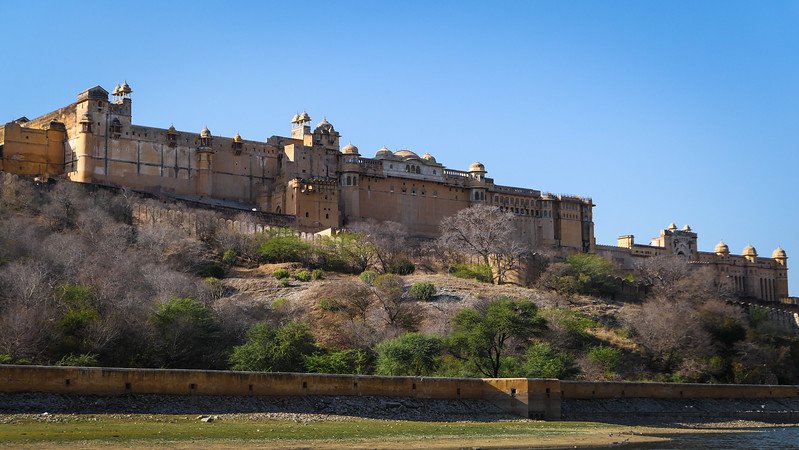
On our tour we raced to three different forts – Nahargarh Fort, Jaigarh Fort, and the Amber Fort – but to be honest, our visits were so brief that I can’t say I truly saw any of them.
If I had to redo it, I would have chosen one fort – probably the Amber Fort since it’s just outside Jaipur – and focused on enjoying that one to the max.
Another major landmark that we only got to see in passing through the bus window was Hawa Mahal, also known as the Palace of Winds.
This is a pink structure that kind of resembles a honeycomb, which was used by ladies of the royal household who wanted to observe processions and everyday life in the city, but remain unseen.
Where I stayed:
Jai Niwas Garden Hotel
We stayed at a little boutique hotel that had a bit of an old British feel. What sold me were the gardens complete with outdoor furniture so that you could enjoy a book or a cup of tea out on the lawn after a long day of sightseeing. The staff at this hotel were also very sweet, always helping us with directions and offering to find us transportation when needed.
Read reviews for Jai Niwas Garden Hotel.
Agra (4 Days)
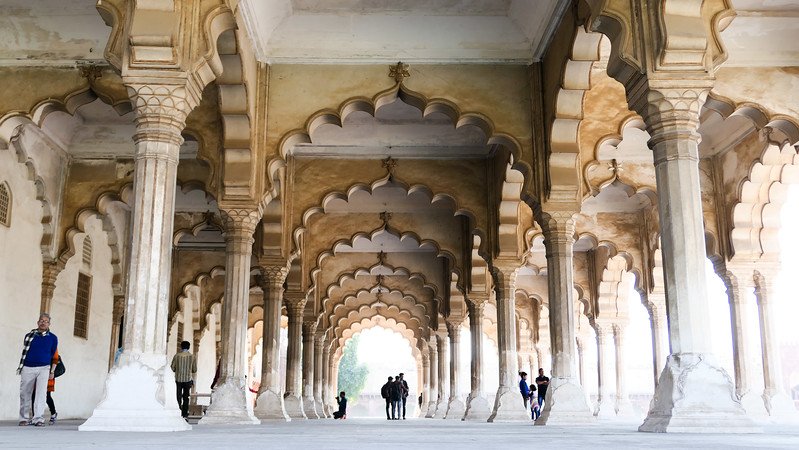
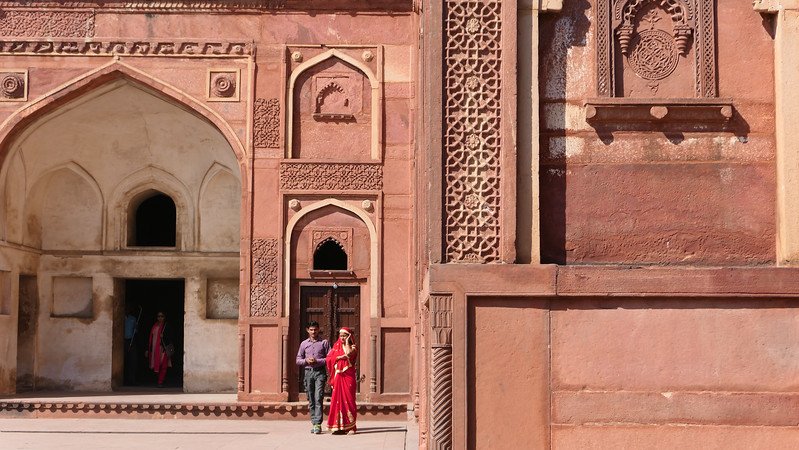
Our first full day in Agra was a Friday, which meant the Taj Mahal was closed for visitors, so we decided to visit Agra Fort instead.
This was the residence of the Mughal emperors before they moved their capital over to Delhi and built the Red Fort, so it was kind of cool spotting some of the similarities between the two places.
The following day we made it to the Taj Mahal, which was even more beautiful in person than I expected.
It’s funny, sometimes when you’ve seen a place in photos or documentaries, it can be a bit of a let down in person, but that was not the case with the Taj. It radiated against the bright blue skies, and then once we got closer we were able to see all the arabesques and floral details done in precious stones.
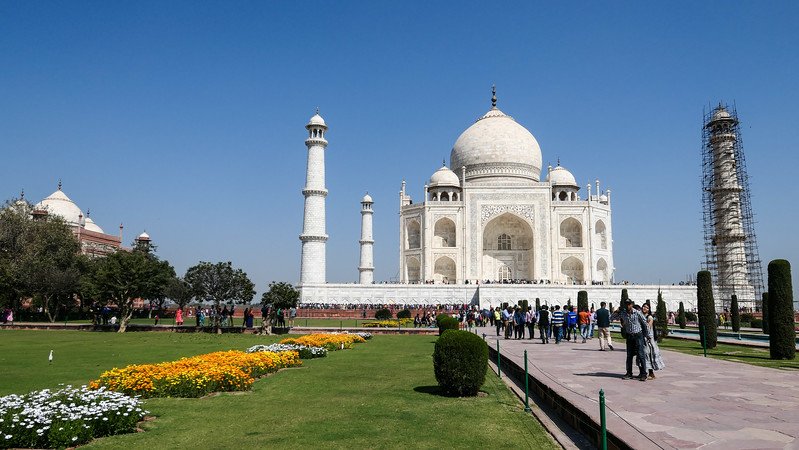
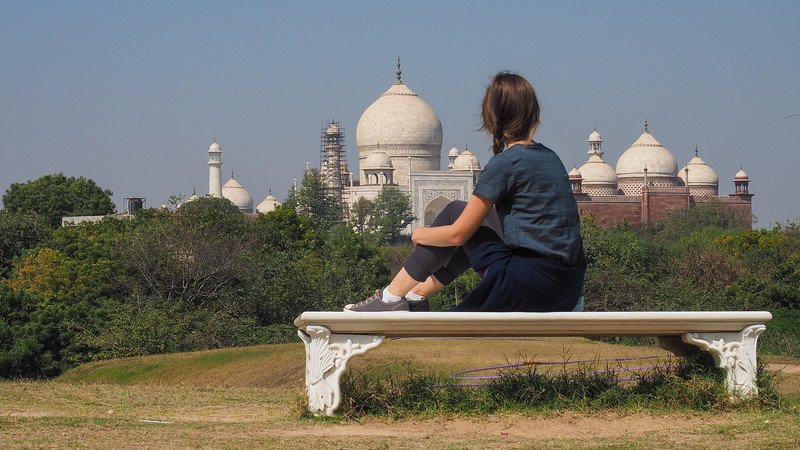
We also made time to visit the Taj Protected Forest, which is located just outside the east gate. This is a nice scenic walk and because there are a few lookout points you also get views of the Taj Mahal off in the distance.
Lastly, before hopping on the overnight train, we visited the Baby Taj, whose real name is the Tomb of I’timād-ud-Daulah.
This tomb was built for Mizra Ghiyas Beg, who was the grandfather of Mumtaz Mahal (the woman the Taj Mahal was built for).
This was the first Mughal structure to be built entirely out of marble and it’s often compared to a jewellery box because it is covered in semi-precious stones.
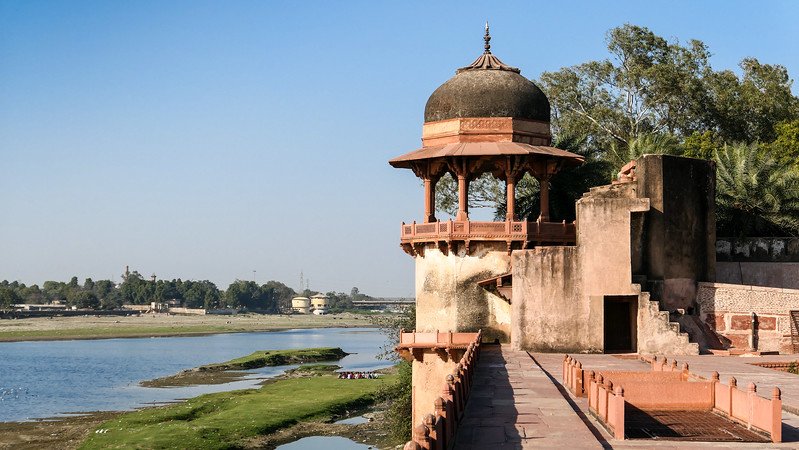
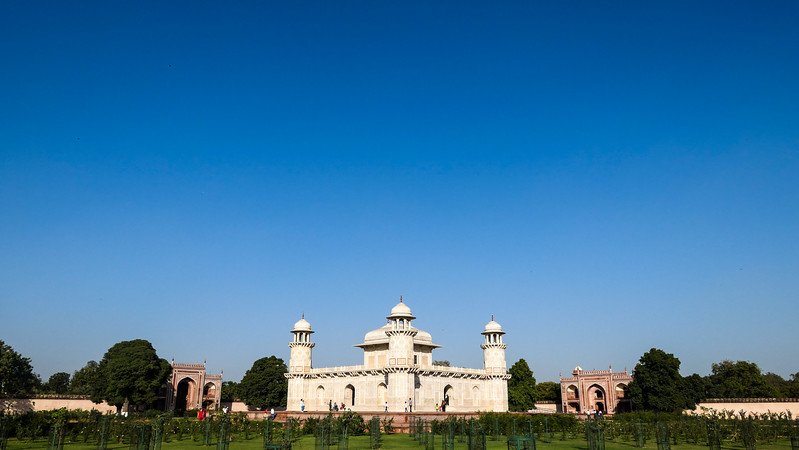
From the Baby Taj, it’s only a short drive to Mehtab Bagh, or the Moonlight Garden.
The gardens sit directly behind the Taj and across the river, so it’s a popular spot to catch the sunset.
You can read this post for a better look at the places we visited in Agra.
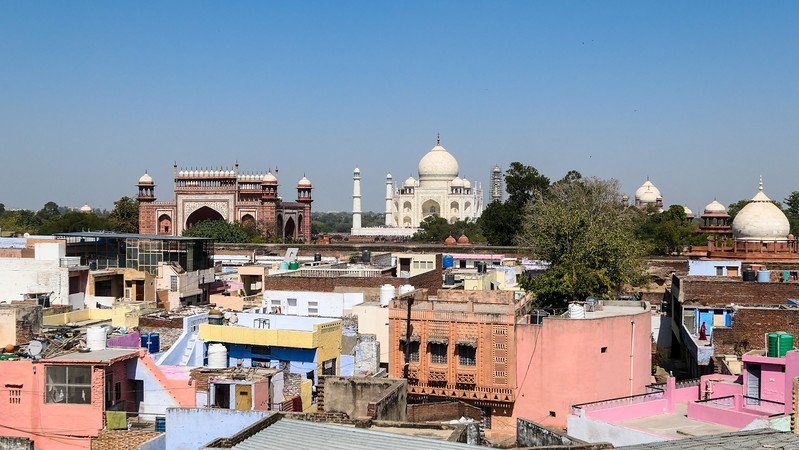
Where I stayed:
The Coral Court Homestay Hotel
Alright, so this was my favourite hotel of the whole trip! Not only was it a beautiful property lovingly decorated with trinkets from around the world, but it was also a short walk from East Gate, which made it very easy to get to the Taj Mahal on foot. I also loved that in the evenings we had the option of having dinner with the other hotel guests in a communal setting. They served home cooked vegetarian meals and we devoured every last bowl of pumpkin and eggplant curries. The hosts were lovely and I would highly recommend this place!
Read reviews of The Coral Court Homestay Hotel.
Varanasi (4 Days)
After taking the overnight train from Agra, we arrived in Varanasi, which was the second last destination of our month in India.
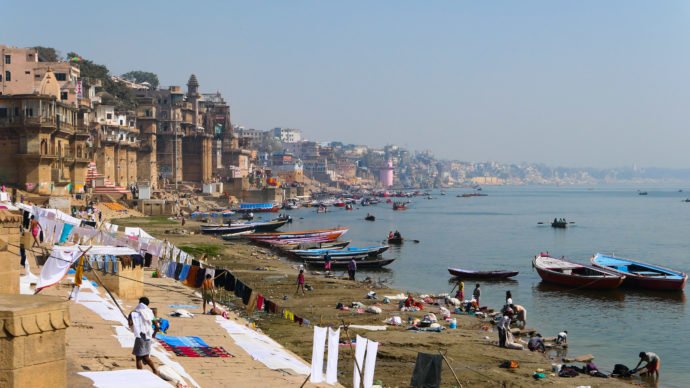
The main attraction in Varanasi is the Ganges River and everything that happens along the water’s edge, so we spent our first morning walking along the ghats (the steps leading down to the river).
There was so much going on that we almost didn’t know where to look, but what surprised me the most was seeing people doing laundry in the Ganges! What?!?!?!
Hotel towels and bedsheets were being washed in the dark waters and these were then being draped to dry in the sun on the ghats.
Laundry was happening not too far from where bodies were being cremated, and then people were bathing so close to the cremation site that the ashes were floating around their ankles…
I think that was the moment when I experienced culture shock in India.
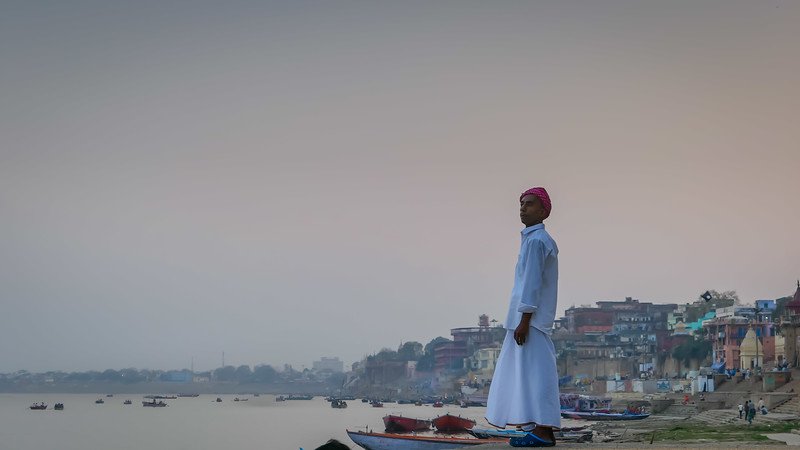
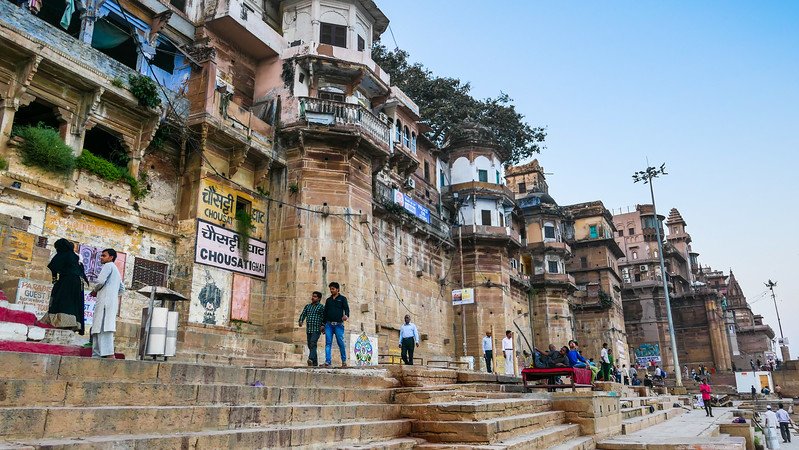
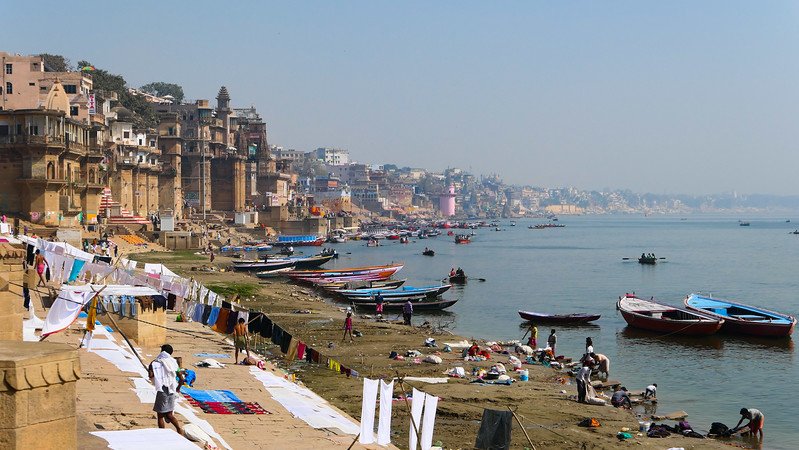
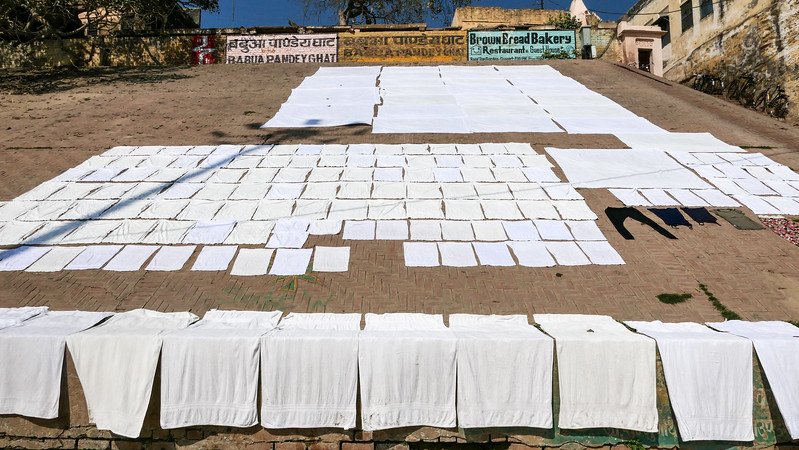
Another popular activity in Varanasi is to go on a boat ride down the Ganges River. Sunrise and sunset draw people for soft, golden light – if you want the buildings to be illuminated, you’ll want to go at sunrise.
Hotels and tour operators across town can help you arrange this outing, or you can just walk down to the river and find a boatman on the spot.
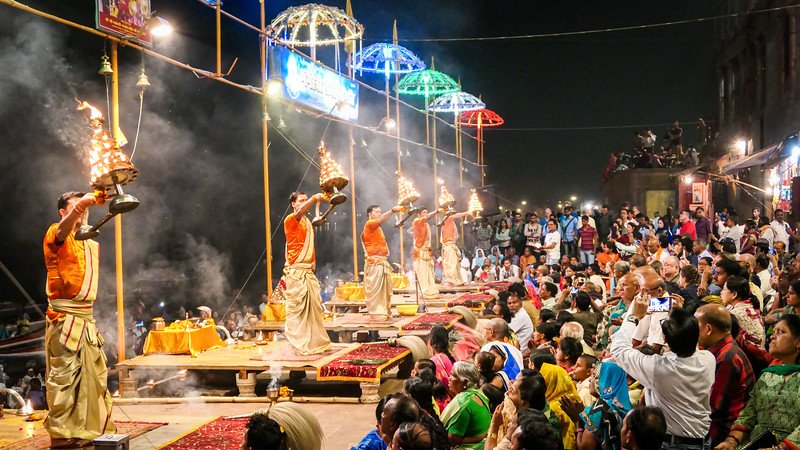
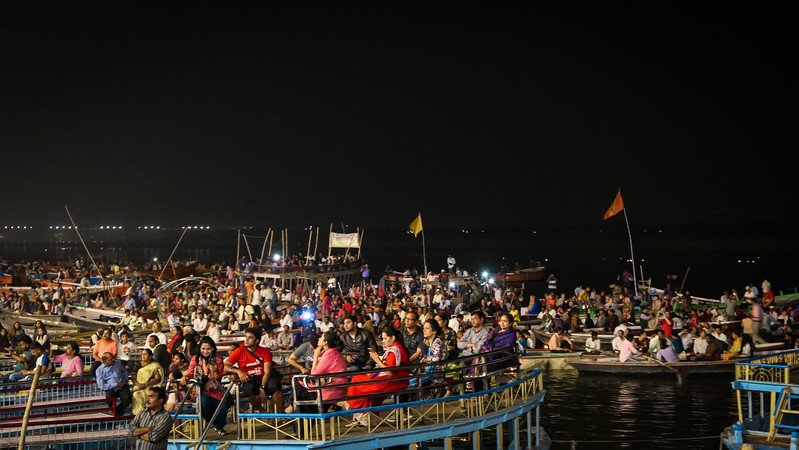
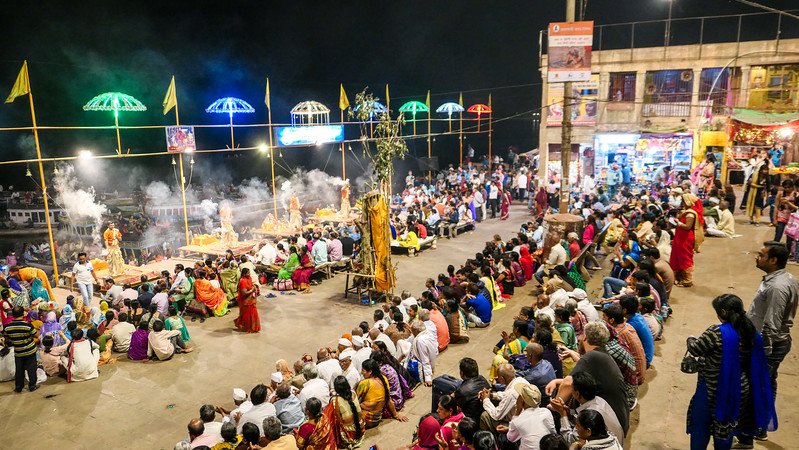
We also attended the Ganga Aarti ceremony which takes place on Dashashwamedh Ghat starting at 6:45 p.m.
This fire worship ceremony is performed by a group of priests soon after sundown, and crowds gather to watch them sing, burn incense, and light candles.
Places fill up fast so it’s good to arrive early if you want to snag a spot near the action. Some of the temples along the ghats offer priority seating for a small fee (about 50 rupees) where you can observe the ceremony from a high vantage point, or you can also pay to watch from a boat.
Where I stayed:
Ganges Grand Hotel
I stayed at the Ganges Grand Hotel and while it was a great location and the rooms were clean and spacious, the hotel was located in a busy intersection, which meant the honking and traffic noise could be heard in the background from sunup to sundown. If you’re a light sleeper, you may want to look elsewhere, but aside from that I have no real complaints. They also served up some delicious Indian dishes in their restaurant. You can browse hotels in Varanasi here.
Read reviews of Ganges Grand Hotel.
Kolkata (3 Days)
This brings us to our final stop in India: Kolkata.
Admittedly, I didn’t do a whole lot of sightseeing in Kolkata since I got quite ill just before leaving Varanasi, but I did manage to explore a bit of the area on my last day there.
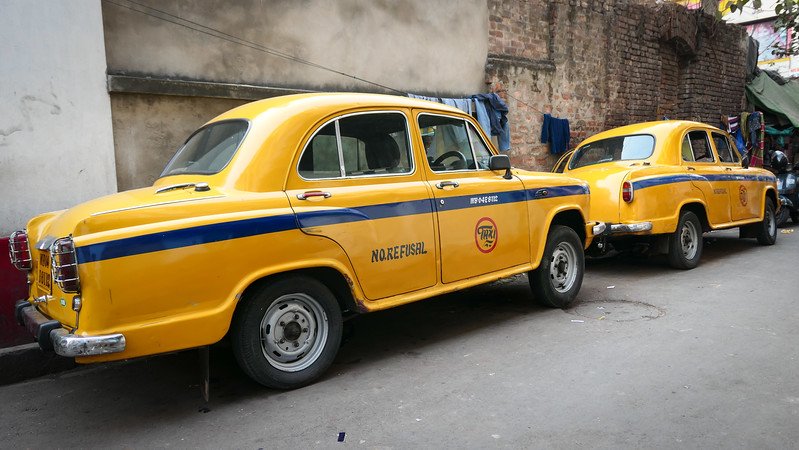
Sam and I visited the Sir Stuart Hogg Market (also known as New Market), photographed the iconic yellow cabs, and then finished the day at Blue & Beyond, which is a nice little rooftop resto-bar in the Lindsay Hotel.
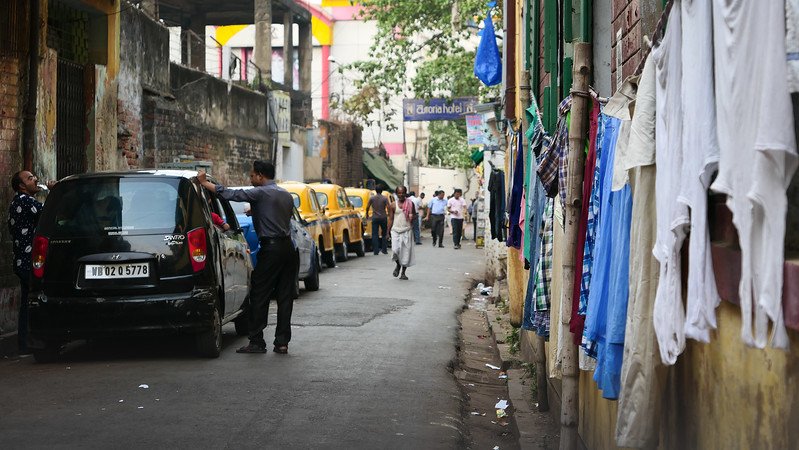
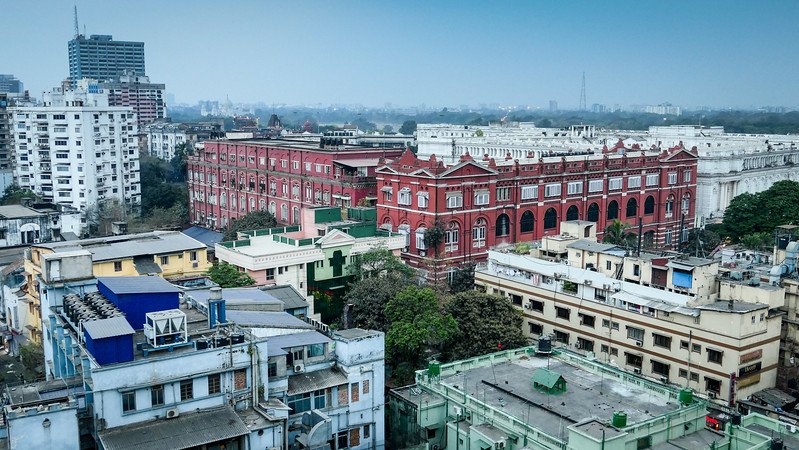
I would have liked to visit Mother Theresa’s Home, see the Victoria Memorial Hall, and walk around the Maidan, but sometimes you just can’t win them all.
Where I stayed:
I can’t recommend the hotel where I stayed since I ended up sharing the room with a mouse! The Astoria Hotel looked great in photos, but we were placed in the “Old Wing”, which looked nothing like what we saw online. We found cigarette butts in the bathroom, a dirty shower, mouldy walls, but what’s worse was the staff’s lack of interest in their guests. Despite my hotel’s shortcomings, I did enjoy the neighbourhood, so I would suggest staying just east of the Maidan in what’s known as Colootola – you can search for Kolkata hotels here. There are lots of hotels and restaurants in this area, plus it also puts you within walking distance of many of the attractions.
And that finally concludes my month-long India travel itinerary.
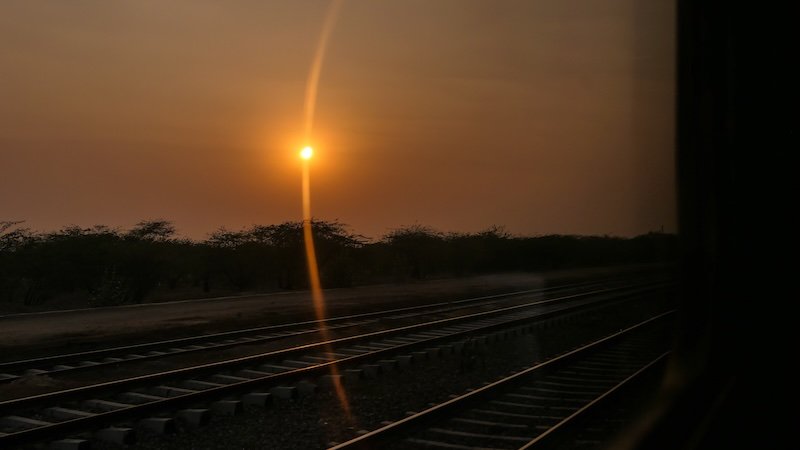
We visited a total of 7 destinations, giving ourselves 3-4 days in each place, and travelling entirely by train.
I will say that travel in India is exhausting in ways that other destinations aren’t – don’t go into it thinking it’ll be a walk in the park! – but we also saw some beautiful sights and architectural wonders that made it all worth it.
More posts from India with practical travel tips coming soon.
India by Train: Planning Guide, Practical Notes & What We Learned
Travel in India is genuinely unlike anywhere else I’ve been — and I mean that in both directions. It’s overwhelming, beautiful, chaotic, deeply moving, and at times genuinely exhausting. If you’re planning a similar month-long train journey, here is everything practical we picked up along the way, including the things I wish someone had told us before we left.

The Full 30-Day Game Plan
Here’s how our month broke down day by day — useful as a reference or a starting point to build your own version:
| Day | Base | Morning | Midday | Evening | Notes |
|---|---|---|---|---|---|
| 1 | Delhi | Arrive, drop bags | Old Delhi wander: Chandni Chowk first impressions | Red Fort at golden hour | Easy thali dinner near hotel |
| 2 | Delhi | Humayun’s Tomb | Lodi Gardens — watch the cricket | India Gate drive-by + Khan Market coffee | Early night if jet-lagged |
| 3 | Delhi | Jama Masjid + Spice Market | Lunch in New Delhi | Lotus Temple or Akshardham — choose one | Book first train, top up SIM |
| 4 | Delhi → Jaisalmer | Buffer morning, errands | Board long-haul train | Train life: chai from vendors, window views | Lock bags; set two alarms |
| 5 | Jaisalmer | Fort orientation walk | Jain Temples and Raj Mahal palace | Sunset from the ramparts | Rooftop dinner with fort view |
| 6 | Jaisalmer | Desert village stop | Camel trek into the dunes | Thar sunset + camp dinner | Stargaze if the sky cooperates |
| 7 | Jaisalmer | Slow breakfast | Bada Bagh cenotaphs | Fabric and tapestry browsing | Train or car to Jodhpur |
| 8 | Jodhpur | Mehrangarh Fort (audio guide) | Café Mehran samosas — do not skip | Blue alleys photo walk | Rooftop drinks at sunset |
| 9 | Jodhpur | Clock Tower market | Toorji Ka Jhalra stepwell | Jhankar garden thali dinner | Pack and prep onward tickets |
| 10 | Jodhpur → Jaipur | Train ride | Check in | City Palace first look | Lassi on M.I. Road |
| 11 | Jaipur | Amber Fort (early before crowds) | Panna Meena ka Kund stepwell | Hawa Mahal facade stop | Night market meander |
| 12 | Jaipur | Jantar Mantar | City Palace museums — take your time | Nahargarh Fort sunset (optional) | Street snacks evening |
| 13 | Jaipur → Agra | Train to Agra | Check in near East Gate | Taj Nature Walk scouting | Vegetarian home-style dinner |
| 14 | Agra | Taj Mahal sunrise | Rest or nap | Agra Fort | Café with Taj views for lunch |
| 15 | Agra | Taj Protected Forest walk | Late brunch | Baby Taj → Mehtab Bagh sunset | Early dinner before overnight train |
| 16 | Agra → Varanasi (overnight) | Lazy morning, pack | Early dinner | Board sleeper to Varanasi | Secure your berth, fill water bottle |
| 17 | Varanasi | Arrive + ghats walk | Lassi and kachori break | Ganga Aarti — arrive early for a spot | Hot shower and bed |
| 18 | Varanasi | Sunrise boat on the Ganges | Backstreet snack crawl | Weaving workshop visit | Rooftop chai at dusk |
| 19 | Varanasi | Free morning | Sarnath Buddhist complex day trip | Souvenirs and sweets | Pack for next leg |
| 20 | Varanasi → Kolkata | Day train or flight | Check in (Colootola area) | New Market stroll | Rooftop dinner |
| 21 | Kolkata | Heritage tram or walking tour | Victoria Memorial exterior grounds | Howrah Bridge at dusk | Puchka (pani puri) tasting |
| 22 | Kolkata → onward | Buffer breakfast | Last-minute market | Airport transfer | Airport biryani for the road |
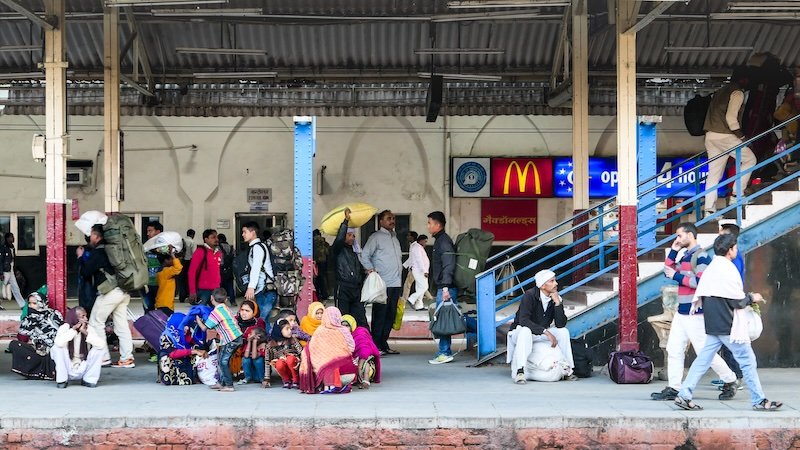
Understanding Indian Train Classes
The train system is the backbone of this itinerary, and understanding the class options before you book makes a real difference. Here’s how they break down honestly:
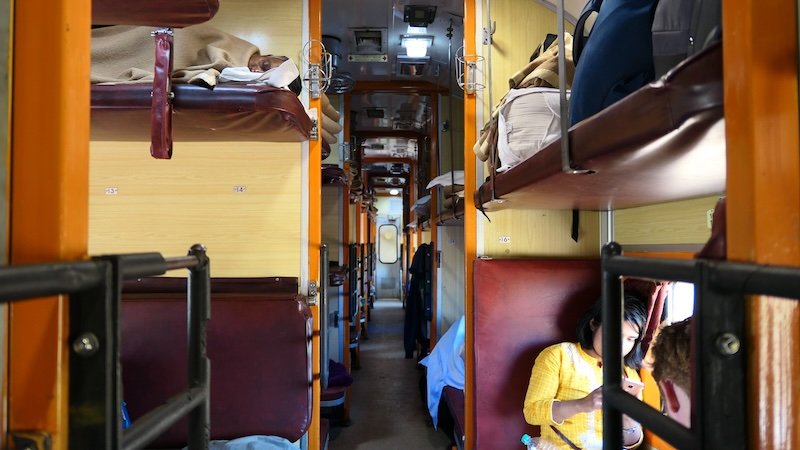
- 2A (AC 2-Tier): Our preferred class for overnights. Curtains, bedding provided, fewer people per bay, and genuinely decent sleep. Worth the extra cost on longer legs.
- 3A (AC 3-Tier): More bunks per bay and busier, but still air-conditioned and comfortable. A reasonable compromise between price and rest — bring earplugs.
- SL (Sleeper Class, non-AC): Cheap and very local. Fine for short daytime hops in cooler months, but can be cold and noisy on overnight journeys. Not what I’d choose for a 15-hour run.
- CC/EC (Chair Car/Executive Chair): For fast day trains like Shatabdi and Vande Bharat — assigned seats, meals included on some services, no bunks. Good for the Delhi–Agra–Jaipur triangle.

How to Book Without the Headache
- Create an account on the official rail booking platform before you need it. Keep your passport details on hand and spell names exactly as they appear on your ID — mismatches cause real problems at the gate.
- Search by train number and class rather than just route — some popular trains skip intermediate stations entirely.
- For the big legs (Delhi–Jaisalmer, Agra–Varanasi, Varanasi–Kolkata) book 4–6 weeks out. Popular routes in sleeper and AC classes fill quickly.
- For berth selection: lower berths for older travellers or anyone who doesn’t want to climb at 3am; side-lower if you prefer your own window space; upper for deep sleepers who don’t mind the height. Travelling as a pair — request two lowers if possible.
- Tatkal quota (last-minute) opens shortly before departure, sells fast, and costs more — but it can rescue a plan when everything else is sold out.
- Screenshot your ticket and PNR, and carry a paper printout as backup. Conductors are quick but phones die and connectivity disappears in rural areas.
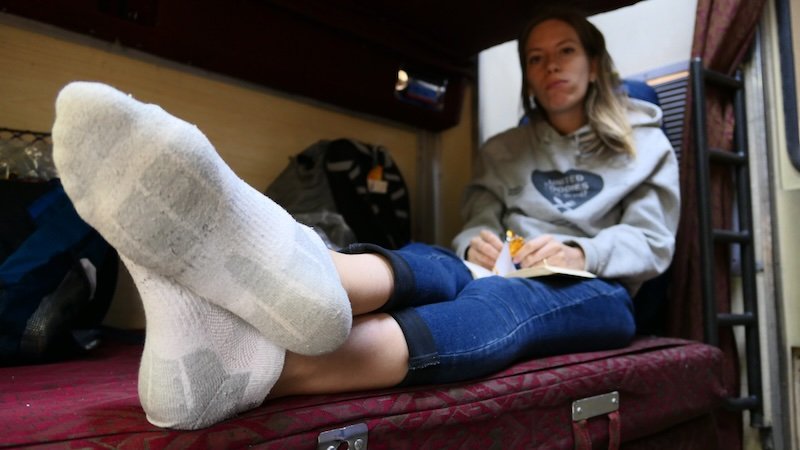
What to Bring for Overnight Trains
- Cable lock and short chain — loop through your bag and the berth frame
- Silk liner or light sleep sack — bedding is provided in AC classes but I still always use a liner
- Shawl or hoodie and warm socks — AC coaches can get cold, especially overnight
- Earplugs and eye mask
- Power bank — don’t rely on the one outlet near the door of the car
- Hand sanitizer, tissues, baby wipes
- Offline music, podcasts, and a downloaded map for your arrival city
Eating on the Train
- Veg thali and paneer wraps from onboard catering on premium day trains are generally fine.
- Platform vendors selling samosas, vada pav, bananas, chai, and sealed water are often your best bet — high turnover means fresher food. Watch the train doors and don’t wander far.
- Order-to-seat delivery services exist on some routes — stick to highly-rated kitchens only if you go this route.
What This Trip Costs
- Mid-range comfort (~$45–75 USD per person per day): Shared doubles at boutique guesthouses or havelis, AC class trains, sit-down restaurants, one paid guide or two, a daily ride app budget. This is roughly the level at which you can travel comfortably without counting every meal.
- Backpacker (~$25–40 per person per day): Mix of 3A and SL class, local thali restaurants, guesthouses and homestays. Very doable if you’re flexible and comfortable with the basics.
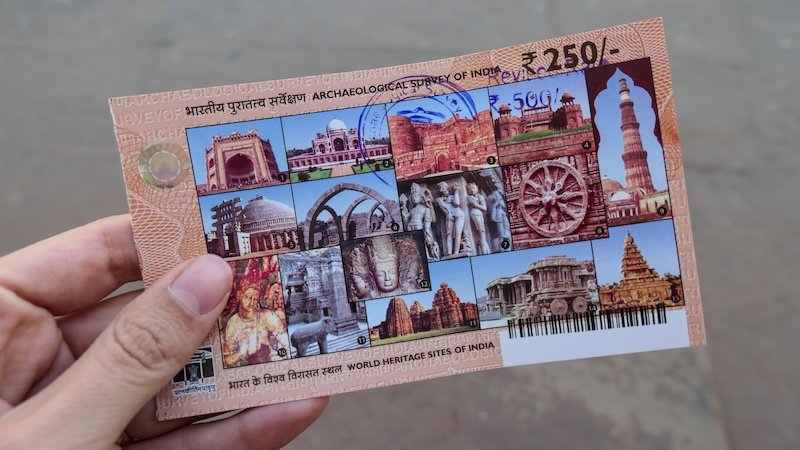
- Where the money goes: Fort and palace entry tickets (Mehrangarh, Agra Fort, and the Taj Mahal add up — foreigners pay ₹1,300 for the Taj alone including mausoleum access), heritage guides, a couple of rooftop dinners, and that one irresistible textile purchase in Jaisalmer.
Cash and payments: Withdraw at large-bank ATMs inside malls or branches rather than street-side machines. UPI mobile payments are now widespread in cities — most restaurants, shops, and even many market stalls accept QR payments. Keep small-denomination notes (₹10 and ₹20 coins) for chai wallahs, temple porters, and rickshaw tips.
When to Go and What to Pack for This Route
| Region | Best Window | What It Feels Like | Packing Emphasis |
|---|---|---|---|
| Delhi and Agra | Oct–Mar | Cool mornings, clear winter skies; some haze in late winter | Light down or fleece, breathable scarf, hand sanitizer for dusty days |
| Rajasthan (Jaisalmer, Jodhpur, Jaipur) | Nov–Feb | Warm sunny days, genuinely cold desert nights | Layers, sun hat and sunglasses, lip balm, closed-toe shoes for fort cobblestones and dunes |
| Varanasi | Oct–Mar | Crisp dawns on the ghats; foggy mornings in January | Modest layers, easy-to-clean shoes (ghat spray), light rain shell |
| Kolkata | Nov–Feb | Pleasant, slightly humid afternoons; colonial streets look their best | Linen or cotton daywear, packable umbrella, mosquito repellent for evenings |
| Monsoon (Jun–Sep) | Depends on destination | Lush and sticky; sudden heavy showers | Quick-dry outfits, packable poncho, sandals that strap on properly |
Where to Stay: Notes by Destination
I’ve already shared the specific hotels we stayed at in each section above — some brilliant (The Coral Court in Agra remains my favourite hotel of the entire trip), some fine, and one with an uninvited mouse. Here are supplementary options at different price points to help you find something that fits your style and budget.
Delhi
We stayed near the Red Fort in a quiet area, which I’d recommend. The Pahar Ganj backpacker strip is convenient for budget travellers but chaotic — worth knowing about rather than automatically defaulting to.
- Budget: Zostel Delhi or Moustache Delhi — both well-run hostel chains with social atmospheres and reliable facilities
- Mid-range: Tara Palace Hotel (our stay — quiet, clean, great staff, walkable to the Red Fort); The Bloomrooms Link Road for a more design-forward option in a central location
- Splurge: The Lodhi Delhi — a beautiful luxury property in a lush garden setting that makes the city feel very far away
Jaisalmer
Stay inside or near the fort if you can — waking up with those golden walls outside is part of the experience. Tokyo Palace Hotel was genuinely wonderful, especially the rooftop fort views at sunrise.
- Budget: Moustache Jaisalmer — excellent social hostel inside the fort with rooftop cafe
- Mid-range: Tokyo Palace Hotel (our stay — rooftop fort views, character-filled rooms, free station transfers)
- Splurge: Suryagarh Jaisalmer — a magnificent fort-style property set just outside the city in the desert, with a pool, heritage architecture, and excellent food; genuinely one of the most atmospheric hotels in Rajasthan
Jodhpur
A haveli with fort views is the right call here — we could see Mehrangarh from our window and that image has stayed with me. I’d just recommend doing more research than we did to find one with reliable service.
- Budget: Moustache Jodhpur — rooftop with fort views, social atmosphere, well-placed in the Blue City
- Mid-range: Browse well-rated havelis on Booking.com — filter for Navchokiya area for the best fort proximity; check recent reviews carefully since service quality varies
- Splurge: RAAS Jodhpur — a boutique luxury property right at the base of Mehrangarh with a pool and rooftop that makes the fort look close enough to touch; one of the best hotels in Rajasthan
Jaipur
Jai Niwas was a find — the garden was exactly what I needed after the pace of Rajasthan. For the Blue and Pink City combination, budget extra nights here; it rewards lingering.
- Budget: Hotel Pearl Palace — a Jaipur backpacker institution; great value, rooftop cafe, genuinely helpful staff
- Mid-range: Jai Niwas Garden Hotel (our stay — garden, British-era feel, lovely helpful staff)
- Splurge: Rambagh Palace — a converted Maharaja’s palace operated by Taj Hotels; if you’re going to splurge on one night anywhere in Rajasthan, this is the one
Agra
The Coral Court Homestay was my absolute favourite hotel of the entire trip. The communal dinners with home-cooked vegetarian food and the short walk to the East Gate made everything easy. Staying near the East Gate is the single most practical accommodation tip I’d give for Agra.
- Budget: Zostel Agra — social, well-placed for the East Gate
- Mid-range: The Coral Court Homestay (our stay — home-cooked dinners, beautiful property, walkable to the Taj)
- Splurge: Oberoi Amarvilas — every room and suite has an uninterrupted view of the Taj Mahal, just 600 metres away. Genuinely one of the most extraordinary hotel settings in the world; a splurge worth saving for if India is a once-in-a-lifetime trip
Varanasi
Staying on or near the ghats is the experience — waking up and walking straight down to the river at dawn is something you can’t replicate from a hotel on a busy intersection. The Ganges Grand was fine, but I’d prioritise ghat proximity on a return visit.
- Budget: Zostel Varanasi — close to Dashashwamedh Ghat, reliable and clean, with a rooftop for evening chai
- Mid-range: Ganges Grand Hotel (our stay — spacious rooms, good restaurant, busy intersection so light sleepers beware); Ganges View Hotel for a quieter ghat-adjacent alternative
- Splurge: BrijRama Palace — a 200-year-old heritage haveli right on Darbhanga Ghat; watching the ghats from a private terrace at sunrise is as good as it sounds
Kolkata
I can’t recommend the hotel we actually stayed in (see above: mouse), but I can recommend the neighbourhood. Staying in the Colootola area — just east of the Maidan — puts you within walking distance of most of the main attractions and surrounded by good restaurants.
- Budget: Moustache Offbeat Kolkata Hostel — the reliable hostel chain has a foothold here too, though it’s worth knowing it sits out near Science City rather than in the centre, so factor in a longer commute to the ghats and New Market
- Mid-range: The Lalit Great Eastern Kolkata — a beautifully restored colonial property with a lot of character and a genuinely impressive lobby; good central location
- Splurge: Taj Bengal — consistently one of the best hotels in the city; excellent service, good pool, and a strong base for exploring Kolkata in comfort
Tours Worth Booking in Advance
Some experiences on this route are significantly better with a good guide or a pre-arranged operator — either because the site is too complex to navigate cold, or because local knowledge turns a tick-box visit into something that actually stays with you. Here’s what I’d book ahead by destination, with Viator’s India listings a reliable place to compare vetted operators for most of these.
Delhi
- Old Delhi street food and Chandni Chowk walking tour — navigating the spice market and the food lanes of Old Delhi on your own is possible but chaotic; a local guide turns it into a genuine food education
- Sunrise Taj Mahal day trip by private car from Delhi — if you’re not spending multiple nights in Agra, this is a popular option; an early departure gets you there before the crowds
Jaisalmer
- Thar Desert camel safari — the afternoon trek we did (camels, sunset dunes, dinner, failed stargazing attempt) was one of the highlights of the whole month. Operators are everywhere in town; ask your hotel to arrange it or compare through Viator for multi-day versions
- Overnight desert camping — if you have the appetite for it, sleeping in the dunes under a clear Thar Desert sky is exactly as good as it sounds; Sam did this on a solo trip years ago and still talks about it
Jaipur
- Amber Fort guided tour — the fort is large and the history is genuinely complex; a good guide makes the difference between a beautiful but confusing walk and an experience that contextualises what you’re seeing
- Rajasthani cooking class — Jaipur is a good city to learn the foundations of North Indian cooking; half-day classes are widely available and the thali you make is always better than the one at the restaurant afterwards
Agra
- Taj Mahal sunrise private tour — worth it for the pre-opening access and a guide who can explain the arabesques and inlay work up close; the combination of soft light and historical context at that hour is hard to beat. Note: foreign entry is ₹1,100 + ₹200 for the mausoleum (₹1,300 total); book the ticket online in advance via the official ASI portal to skip the queue
- Agra Fort + Baby Taj combo with driver — having a car for the day makes the Baby Taj, Mehtab Bagh, and Agra Fort manageable without the rickshaw negotiation between each site
Varanasi
- Sunrise boat tour on the Ganges — this is the single most important booking in Varanasi. The ghats illuminated at dawn from a boat on the river is the image of Varanasi that stays with you; organise it through your hotel or a reputable operator the night before
- Evening Ganga Aarti tour with priority seating — the ceremony at Dashashwamedh Ghat fills up fast; a tour that includes reserved viewing from a boat or an elevated terrace is worth the small premium over trying to fight for standing space
- Sarnath day trip — the Buddhist complex where the Buddha first taught; quiet, well-preserved, and a genuinely different experience from the intensity of Varanasi’s ghats
Detours and Alternatives Worth Considering
- Swap Jodhpur for Udaipur (2–3 nights) if lake views and a calmer city pace appeal more than the Blue City’s intensity. Sunset boat on Lake Pichola and the City Palace complex are worth the detour.
- Add Ranthambore between Jaipur and Agra (2 nights) for tiger safaris. Book both dawn and dusk drives; sightings are never guaranteed but the forest itself is extraordinary.
- Slot in Khajuraho between Agra and Varanasi (1–2 nights) by train or short flight for the famous temple art complex — genuinely worth seeing and very manageable as an add-on.
- Add Darjeeling (2 nights) after Varanasi and before Kolkata — tea estates, the toy train, and cool Himalayan air. A complete contrast after the heat of the plains.
- Sundarbans from Kolkata — a day or overnight for mangrove ecology and Bengal tiger territory; book with a responsible registered operator.
One honest note on detours: every addition needs a real travel day. Cut a night somewhere else or extend the overall trip — don’t try to compress four destinations into three days and wonder why you’re exhausted by Varanasi.

Getting Around Inside Each City
- Rideshare apps cut out the negotiation entirely where they’re available. Worth using whenever possible.
- Auto-rickshaws — agree the fare before you get in, every single time, and keep small bills ready. This is not optional advice.
- Shopping stops: if a driver pushes hard for “my cousin’s emporium” or “the best marble shop in Agra,” smile, decline firmly, and restate your destination. This is universal across Rajasthan and Agra.
- Hiring a driver by the half or full day in Jaipur and Agra is often more cost-effective and vastly calmer than multiple individual rides — and gives you control over your pacing at the forts.
- Walking reality check: distances look short on maps but old-city alleys, heat, and traffic make them longer. Hydrate, pace yourself, and plan shade breaks.
Health, Safety and a Few Useful Habits
- Water: sealed bottles or a reliable filter bottle only. Brush teeth with the same water. I got ill near the end of this trip — take the water precautions seriously from day one.
- Street food: busy stalls with fast turnover and cooked-to-order dishes are generally safe. Pre-cut fruit sitting in the sun at a slow roadside stand is less so.
- Temple etiquette: shoes off at mosques, temples, and many gurdwaras; right hand for offerings and receiving things; no photography where signs prohibit it — especially in Varanasi near the cremation ghats.
- Scam to know: “that site is closed today, come to my shop instead” is a classic misdirection across Rajasthan and Agra. Verify directly at the official gate or online before changing plans.
- Women travellers: carry a scarf for coverage; in crowded spaces, stand your ground and position near families. Most of India is safe for women travelling with a partner or in groups — be alert in very busy market and train station areas.
- Tipping: guides 10–15%, porters ₹20–50 per bag, small change for temple attendants or boatmen in Varanasi.
Pack a small health kit: rehydration salts, basic pain relief, antihistamines, anti-diarrheals, and blister plasters. Boring until it isn’t.

Packing for This Specific Route
- Day bag: lockable zips, crossbody or small backpack for sightseeing days
- Clothing: 3–4 breathable outfits plus one nicer dinner option; one light sweater; one compact rain layer; modest clothing for religious sites (shoulders and knees covered)
- Footwear: breathable walking shoes that you’re comfortable in for 10,000+ steps; slip-on sandals that stay on your feet (crucial for temple entry and train platforms)
- Textiles: scarf or shawl (sun protection, temple coverage, cold AC trains), sleep liner, small laundry kit with soap leaves
- Tech: universal adapter, power bank, eSIM or local SIM (Airtel and Jio have the best coverage), headlamp for night arrivals
- Paper documents: 4–6 passport-size photos (useful for SIM registration and some permits), printed ticket backups, passport copies stored separately from your passport
Train Booking Timeline
| When | Action | Why It Matters |
|---|---|---|
| 4–6 weeks out | Book anchor legs: Delhi→Jaisalmer, Agra→Varanasi, Varanasi→Kolkata | 2A sleeper berths on popular routes sell out well in advance |
| 2–3 weeks out | Book mid-route hops: Jaisalmer→Jodhpur→Jaipur→Agra | More flexibility, still good berth selection |
| 48–24 hours out | Confirm PNRs, screenshot tickets, check platform numbers | Big Indian stations have multiple platforms; knowing yours in advance saves the sprint |
| Departure day | Arrive 40–60 minutes early; find your coach number on the platform board | Coach placement on long platforms is not always intuitive — give yourself time |
Five Things I’d Tell First-Time India Train Travellers
- Build buffer mornings after late-night arrivals. India rewards those who rest and punishes those who try to do too much while exhausted.
- One fort per day in Rajasthan. Linger in the courtyards, read the museum placards, eat the samosas at the café inside — don’t speed-date the palaces.
- Eat where it’s busy. If there’s a line, that’s where you want to be.
- Say yes to homestays. Our best meals and best conversations on this trip came from family tables — the Coral Court in Agra being the prime example.
- Keep a small daily focus. A rooftop view, a particular food, a specific temple door. Big cities become joyful when you stop trying to see everything and start noticing one thing really well.
If You Have Less Time or More
- 2–3 weeks: Trim Kolkata or Jaisalmer, and fly one long hop (e.g., Jaipur→Varanasi) to recover the time. Delhi → Rajasthan → Agra → Varanasi is the essential core.
- 6 weeks: Add Udaipur and Pushkar between Jodhpur and Jaipur, plus Darjeeling or Khajuraho before Kolkata. This is the version Sam would do if given the choice again.
India by Train: 1-Month Itinerary — FAQ
How many days should I plan in each city?
Aim for 3–4 nights per stop with a travel day built in between major hops. That gives you one full “must-see” day, one slower day for markets and food, and a buffer morning for laundry, rest, or the extra thing you didn’t plan. India rewards unhurried pacing — trying to do too much too fast is the most common mistake on this route.
What’s the best time of year for this Delhi–Rajasthan–Agra–Varanasi–Kolkata route?
October to March. Cool and clear in Delhi and Agra, warm days and genuinely cold nights in Rajasthan, crisp mornings on the ghats in Varanasi, and pleasant afternoons in Kolkata. April through June gets very hot across the whole route; June through September brings monsoon rains that slow trains and complicate sightseeing.
How do I book trains and which classes make sense?
Create an account on the official rail booking platform before your trip, keep your passport details handy, and book anchor legs 4–6 weeks out. For overnights, 2A (AC 2-Tier) is the sweet spot between comfort and cost; 3A (AC 3-Tier) is good value but busier. Sleeper (non-AC) works for short daytime hops in cool weather. If your timing has slipped and everything is sold out, check the Tatkal last-minute quota — it’s pricier but can save the plan.
Tips for sleeping on overnight trains?
Bring a light liner or shawl, earplugs, and an eye mask. Lock your main bag to the berth with a cable lock and keep valuables in a small daypack used as a pillow. Screenshot your PNR, set two alarms for your arrival station, and ask the conductor to give you a heads-up before your stop — especially on trains arriving at 4am.
What should I pack for this specific route?
Breathable layers plus one warm mid-layer for cold desert nights and early Varanasi mornings. Modest clothing for temples and mosques, closed-toe walking shoes for fort cobblestones, slip-on sandals for temple entry and trains, a scarf that doubles for sun and coverage, and a universal adapter with a power bank. Tech-wise: a headlamp for night arrivals and either a local SIM or eSIM before you leave the airport.
How can I keep costs reasonable?
Mid-range travellers on this route spend roughly $45–75 USD per person per day sharing a double room — covering AC class trains, boutique guesthouses and homestays, sit-down meals, and one or two paid guides. Backpackers combining 3A/SL class and local thali restaurants can travel comfortably around $25–40. The biggest individual cost swings are fort and palace entry (the Taj alone is ₹1,300 for foreigners), rooftop dinners, and Rajasthan textiles.
What’s the smartest way to get around inside each city?
Use rideshare apps where available. For auto-rickshaws, always agree the fare before boarding — this is non-negotiable and not a negotiation you’ll win after you’re already sitting in one. In Jaipur and Agra, hiring a driver by the half-day is often better value and much calmer than stringing together multiple individual rides, especially if you’re visiting sites spread across the city.
How do I plan a smooth Taj Mahal visit?
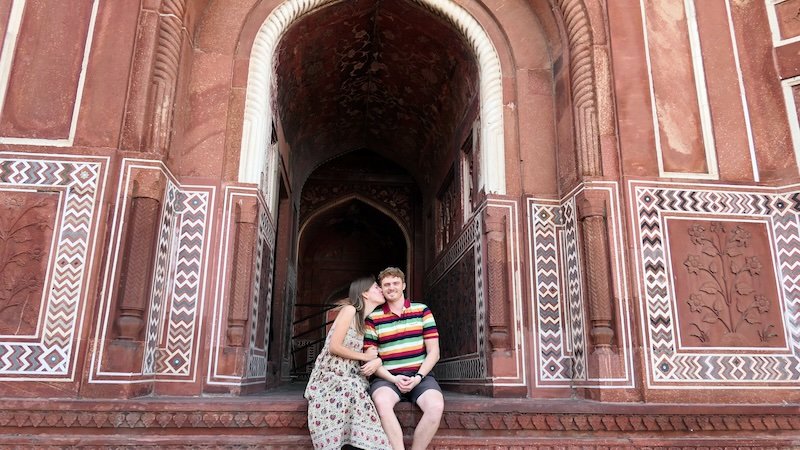
Go at sunrise and stay near the East Gate so you can walk over. Entry for foreign tourists is ₹1,100 for general access plus ₹200 to enter the main mausoleum (₹1,300 total); children under 15 are free. Book tickets online through the official ASI portal in advance — it saves the queue and guarantees your slot. Remember: the Taj is closed on Fridays, so plan Agra Fort, the Baby Taj, and Mehtab Bagh for that day instead. Bring as little as possible (bag checks are strict), and budget time afterwards for the Taj Protected Forest walk or the sunset from Mehtab Bagh across the river.
Is Varanasi as overwhelming as people say?
Honestly, yes — and I mean that in the most respectful way possible. The ghats at dawn with laundry, bathing, cremation, and prayer all happening simultaneously within 50 metres of each other is like nothing else on earth. Dress modestly, keep a respectful distance at the cremation ghats (no photos there, ever), and hire a reputable boatman for the sunrise river ride when the buildings are golden and the day is just beginning. For the evening Ganga Aarti ceremony, arrive 30–45 minutes early for a decent standing spot, or pay for priority seating on a terrace or boat.
Short on time — what can I cut?
With 2–3 weeks, the essential core is Delhi → Jaipur → Agra → Varanasi, flying one long hop to save time. If the Rajasthan forts start to blur together (three in one day is genuinely too many — I know from experience), skip one city and go deeper in the others. Udaipur makes a good Jodhpur swap for a calmer, lake-focused experience; Ranthambore is a compelling 2-night add-on between Jaipur and Agra if wildlife appeals.
How do I stay healthy on the road?
Sealed or filtered water only — including for brushing teeth. Eat at busy places with fast turnover and cooked-to-order food. Pack rehydration salts, anti-diarrheals, antihistamines, basic pain relief, and blister plasters before you leave. Early nights and early starts will make everything feel better — India is a country that rewards the 5am alarm and punishes the 11pm arrival.
Photography and etiquette tips?
Always ask before photographing people, especially holy men, artisans, and families. No photos at the cremation ghats in Varanasi — this is a serious boundary, not a guideline. Shoes off at mosques, temples, and gurdwaras without exception. Follow “no photography” signs inside fort museums and palace interiors. And practically: a smile, a genuine greeting, and a willingness to be slow and unhurried will get you further on this trip than any packed checklist.
Have you travelled in India?
Is there anything else you’d add to this India travel itinerary?
Nice one Audrey!
This is a really cool itinerary. And I like the way that you dedicated 3 to 4 days on your trip. ‘So much more relaxing!
Yes, I’ve been to India. 12 years ago now. Eek! And what an experience! I went there solo, travelled with a Swiss girl that I bumped into for 2 weeks, then continued on solo again. I was there for a month! I loved everything except for Delhi and the train journey. And the thing is, I spent about 4 days in Delhi – 2 days at the beginning of my trip, and 2 days at the end. It was the right thng to do but by then I was pretty exhausted and just wanted to go home!
Ha! Ha! I’m taking the family next year!
p.s. I would also add Udaipur. It really was lovely.
http://thebritishberliner.com
This is definitely a great itinerary for a first trip to Northern India if you want to see all the main highlights in a month! I can highly recommend Bundi in Rajasthan if you want to get a bit off the beaten track – it has an awesome fort (with a real Indiana Jones feel!) that was practically empty when I was there!
Such an amazing trip Audrey, took me back to my memories!
India is such a crazy place, sometimes it gets overwhelming but as soon as you leave the country you kind of miss it. We visited more or less the same places, I fell in love with Varanasi; that place is out of this world! I still miss that spiritual feeling, would definitely turn back one day.
I had had a bit of problem with transportation (who doesn’t) and gotten pretty sick of spending money and time on my arrival, I created this one for travelers. Leaving it here for your future travels, it shows all the possible transportation options between airport and the city center so we don’t end up getting ripped by a taxi driver or spend time and money. here it is: http://airporttocenter.com/
Enjoy your travels!
Cheers
Thanks so much, will definitely be referring to this when I trek to India next year, cheers
What a gorgeous blog, I was looking for India inspo and came across your posts. I remember visiting some of these places but my photos from 10+ years ago are not up to scratch and doesn’t capture the essence of India like yours does. Thanks for sharing, I’ve been dreaming of going back to India with the kids and this post makes me want to go now!
xo
Love this post! It’s making me all kinds of excited for my trip coming up! Question for you – how did you deal with safety in India? especially when travelling by train? Also, what kind of luggage did you take?
Really a wonderful post. Thanks for posting such an informative & useful post with us. I would especially interested in Jodhpur and Jaisalmer. Those palaces in the desert are so beautiful!