
I just got back from a whirlwind tour of Emilia-Romagna, Italy where I spent 90% of my waking hours eating, drinking, and learning about regional foods and dishes. It was a fun trip, and according to the waistband on my jeans, it was also a delicious trip!
Today on the blog I’m going to share my favourite food experiences from that visit. The places I went to are kind of spread out across Emilia-Romagna, so this is a good itinerary for anyone planning a mini Italian road trip. The distances aren’t that long, but having a vehicle will give you the flexibility to do farm stays, enjoy dinners in countryside castles, and visit producers that are located in more rural regions. Now let’s get to it!
What to Eat and Drink in Emilia-Romagna: Regional Travel Guide For Foodies!
Tasting the real Parmigiano-Reggiano
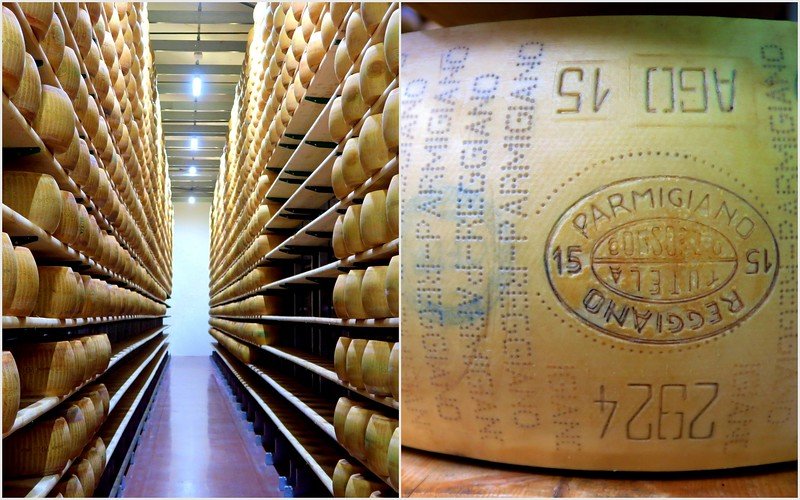
Parmigiano-Reggiano; it’s been called the King of Cheeses and it is mighty good stuff! This cheese has to be aged for a minimum of 2 years, and for the name Parmigiano-Reggiano to be stencilled on the rind, it needs to have been produced in the areas of Bologna, Mantua, Modena or Parma (which is where the cheese originated). Now you know how to identify the real deal.
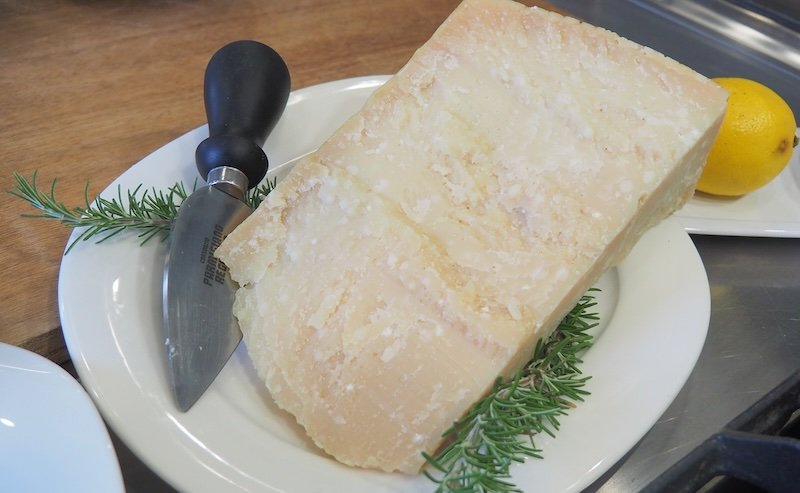
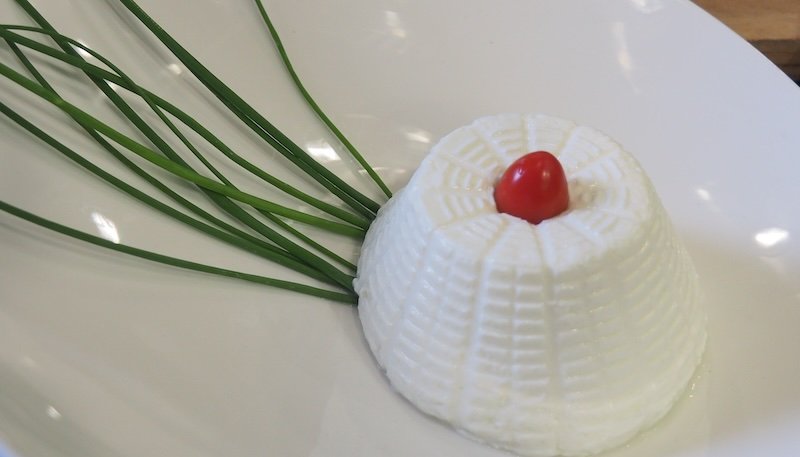
After eating Parmigiano-Reggiano almost every day, it was nice to finish up my trip to Emilia-Romagna with a visit to Hombre, an organic farm that produces delicious cheese! Apparently the owner spent some time travelling in Chile during his younger years and the slang stuck (hombre means man in Spanish, but it gets tossed into almost every sentence).
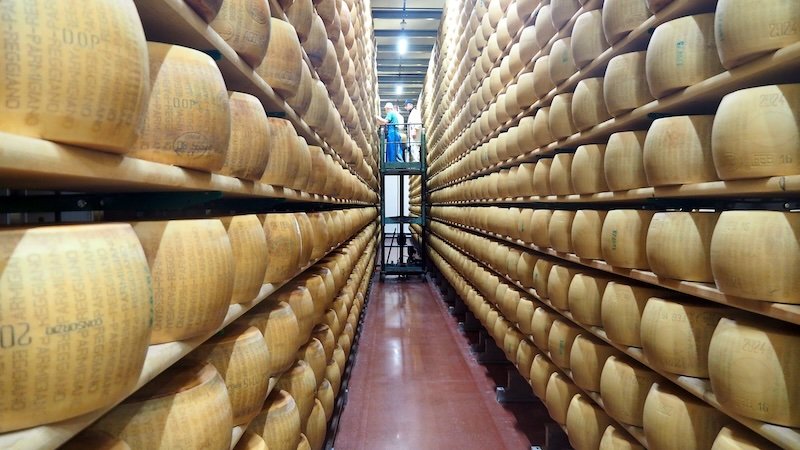
The best part about this visit was going into the storage room where they have rows upon rows of shelves filled with golden wheels of Parmigiano-Reggiano waiting for the ageing process to be completed. Getting locked in here with thousands of wheels of Parmigiano-Reggiano would be every cheese lover’s dream; that or you could just pick up some of their cheese at the gift shop on your way out.
Address: Via Corletto Sud 320, Modena
Sampling traditional balsamic vinegar
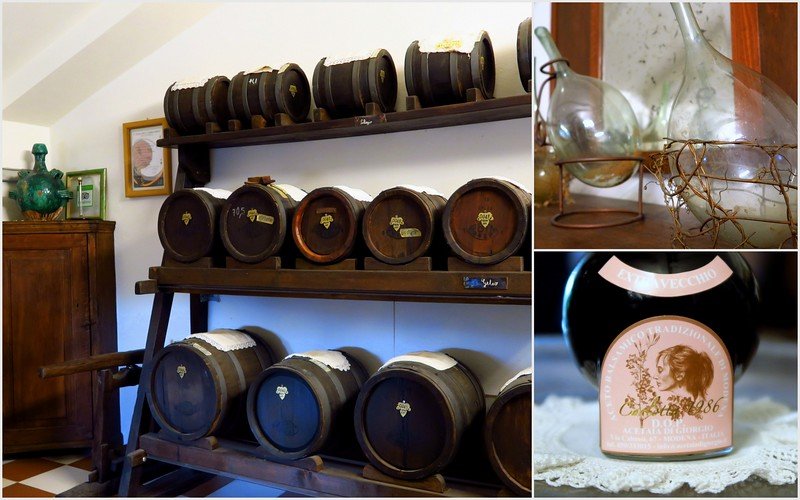
My tastebuds have been awakened! Let me tell you, the supposed balsamic vinegar I’ve been having my whole life is nothing like what I tasted in Modena.
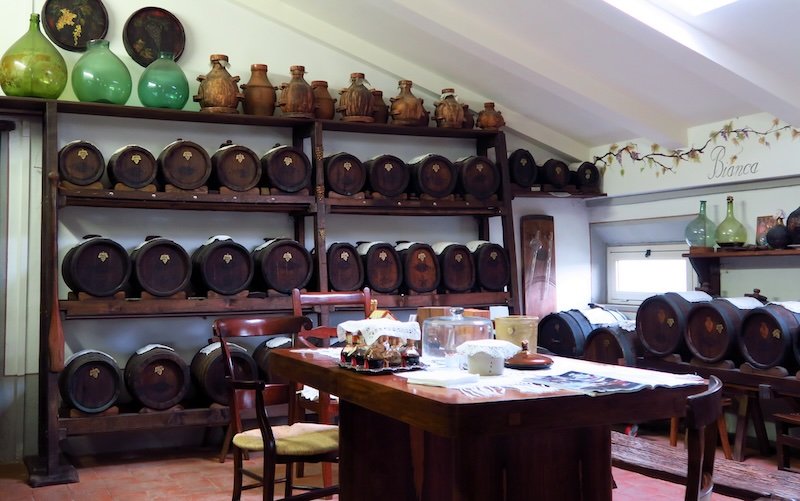
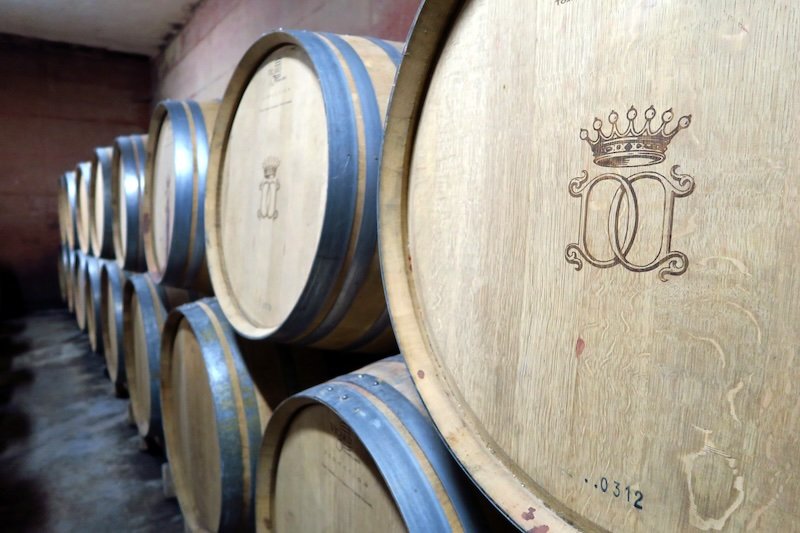
Acetaia de Giorgio is set in the old mansion of the 14 Barbieri Brothers, and they have been making traditional balsamic vinegar inside its walls for generations.
The traditional vinegar making process is quite interesting and it basically involves transferring a little bit of vinegar from one barrel to the next and topping up the others. The vinegar is aged in these barrels for a minimum of 12 years, and the end result has been described as black gold (which in turn explains the price tag)! It is thicker, richer, and fruitier than anything I’ve picked up in a supermarket shelf. I also learned that you don’t put this on your salad; just a few drops on steak, risotto, or even gelato will do.
The mansion is open for tours; you just need to send them an email in advance and they’ll show you around and also offer you a tasting.
Address: Via Sandro Cabassi 67, Modena
Spending the night at an agriturismo
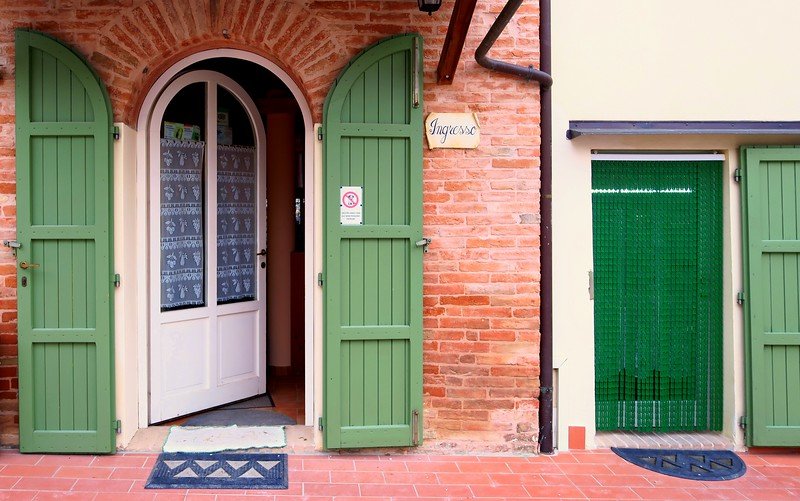
As the name suggests, an agriturismo is a stay that combines agriculture and tourism, but don’t let the first part scare you – this does not mean you’ll be put to work on a farm! Instead, an agriturismo is all about getting a glimpse at ‘living locally’ by doing a farm-style stay in rural areas. An agriturismo could be set on a fruit orchard, a working farm, a winery, or any type of land that has an agricultural component attached to it.
One thing that I really liked about the agriturismos is that they are usually quite small with only a handful of rooms, which means you can get to know your hosts, who in turn give you a little glimpse into the region. Another bonus is that most agriturismos also include meals, so you get to enjoy home-cooked dishes in a very casual setting.
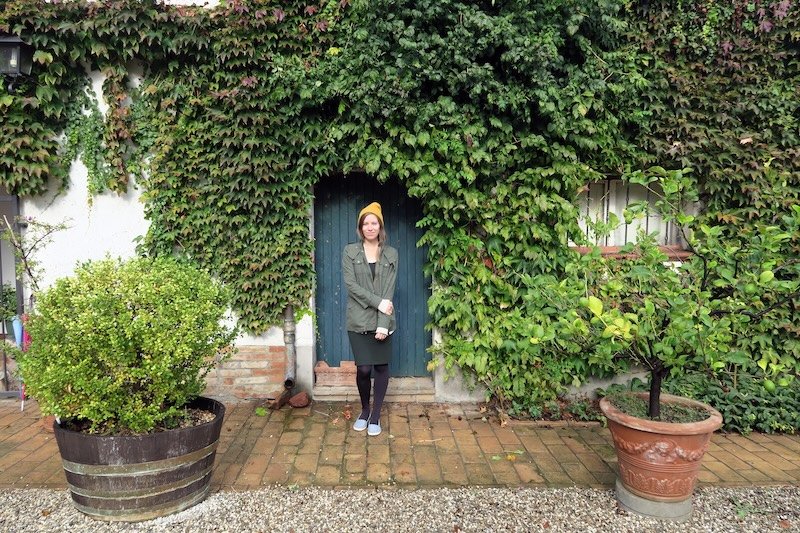
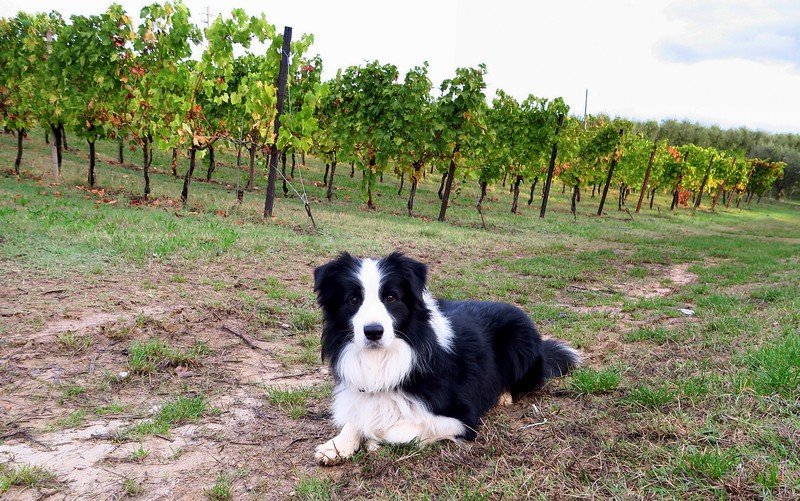
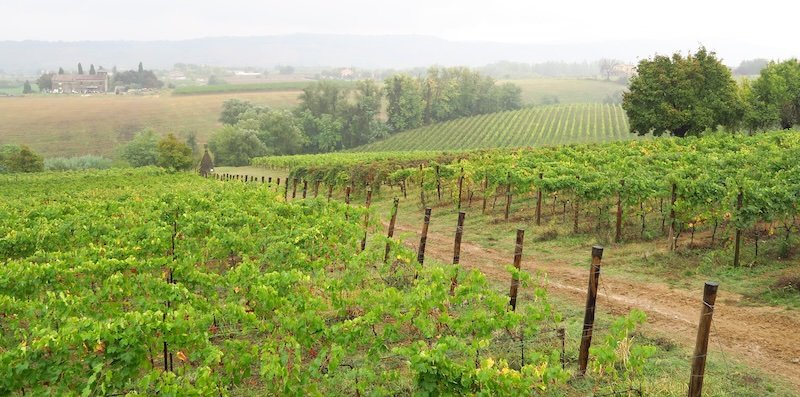
This was my second time staying at an agriturismo and this time we checked into La Sabbiona, a holiday farm set on a working vineyard, with some additional land used to grow grains, fruits and olives. This meant that when we had dinner in the evening, we got to enjoy their wine as well as some delicious figs and olives straight from their farm. Also, I have to say, the family had the sweetest border collie, which made me enjoy the stay even more!
Address: Via di Oriolo 10, Faenza
Tasting Culatello di Zibello in a castle
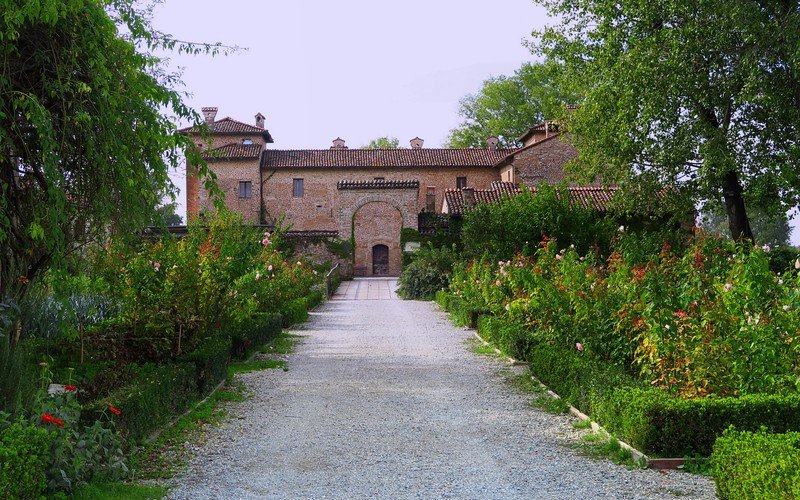
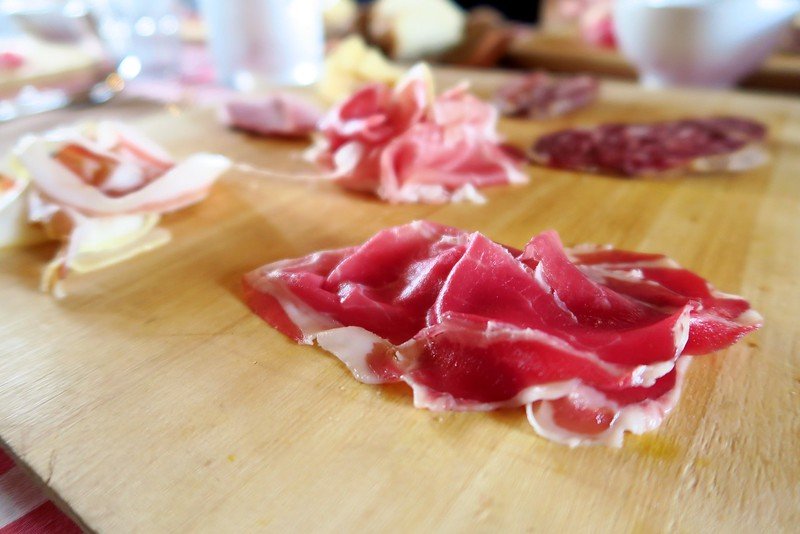
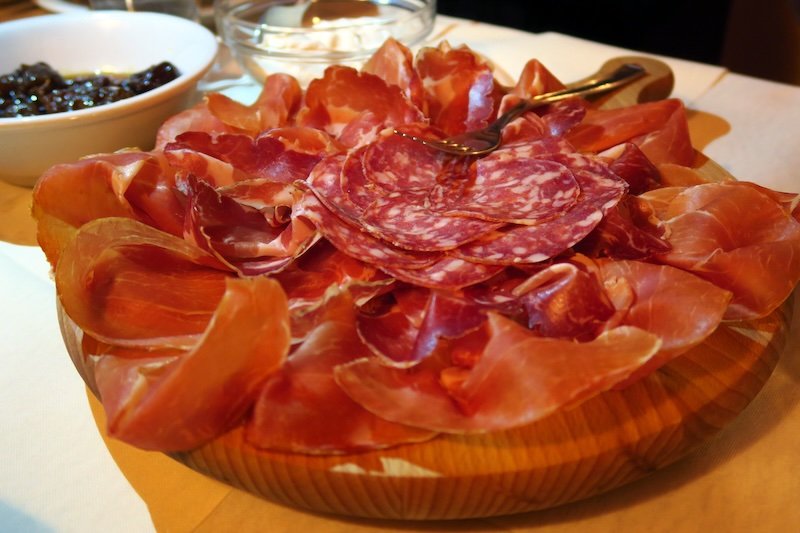
Antica Corte Pallavicina is a 14th-century castle set on the banks of the Po River, and the main reason for our visit was to try the Culatello di Zibello. Culatello is one of the most prized salumi in Italy, and the town of Zibello, with its fog and cold winters, makes it the perfect place for ageing the meat so that the end result is sweet and fragrant.
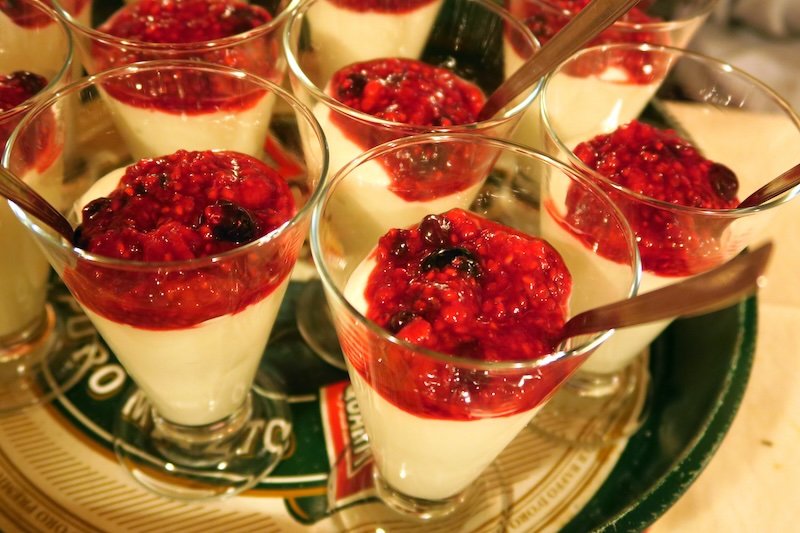
While I didn’t get to spend the night here, I feel like I got to do the next best thing: have a meal at the castle! We ordered “Spigaroli’s carving board” which featured various cold cuts of meat, Parmigiano-Reggiano, focaccia bread, a vegetable pasta, homemade desserts, and sparkling red wine, which was a new thing for me.
Address: Strada del Palazzo Due Torri 3, Polesine Parmense
Learning to make pasta by hand
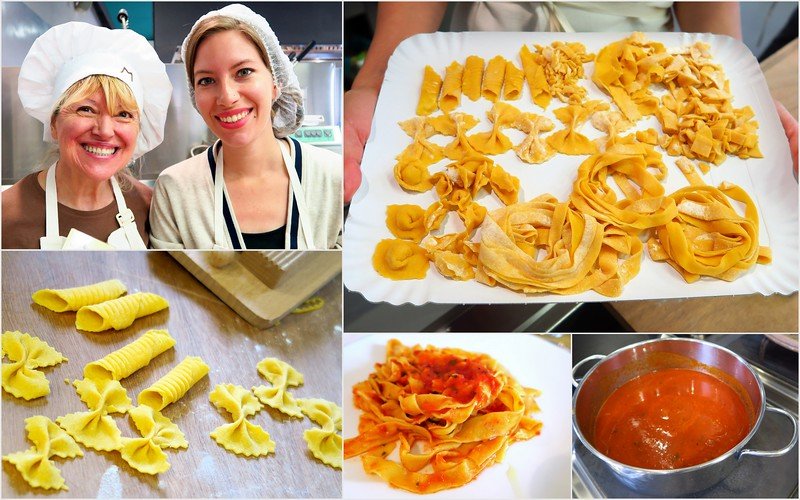
We can’t speak of Italy without mentioning pasta, and better yet a pasta making class so you can take some culinary skills back home with you!
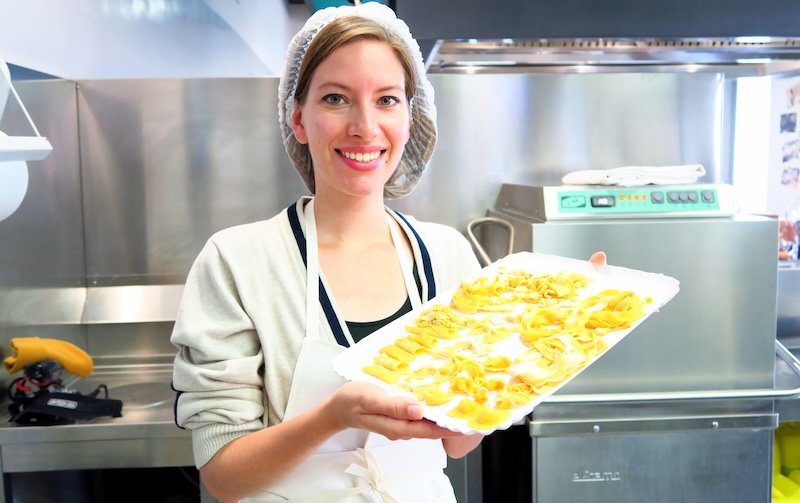
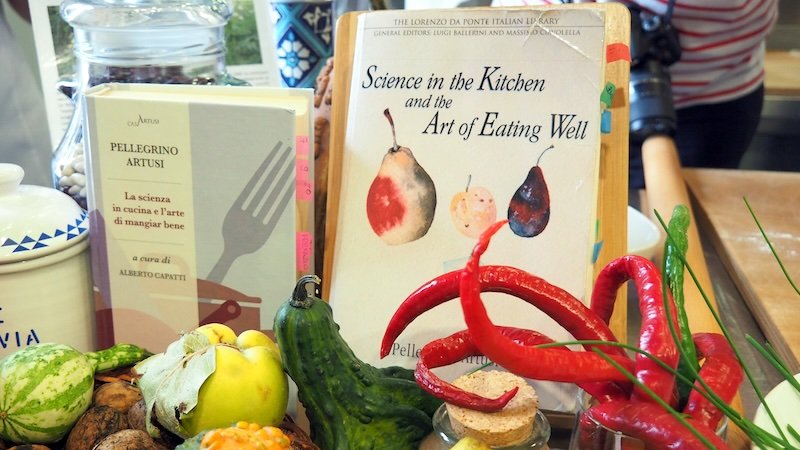
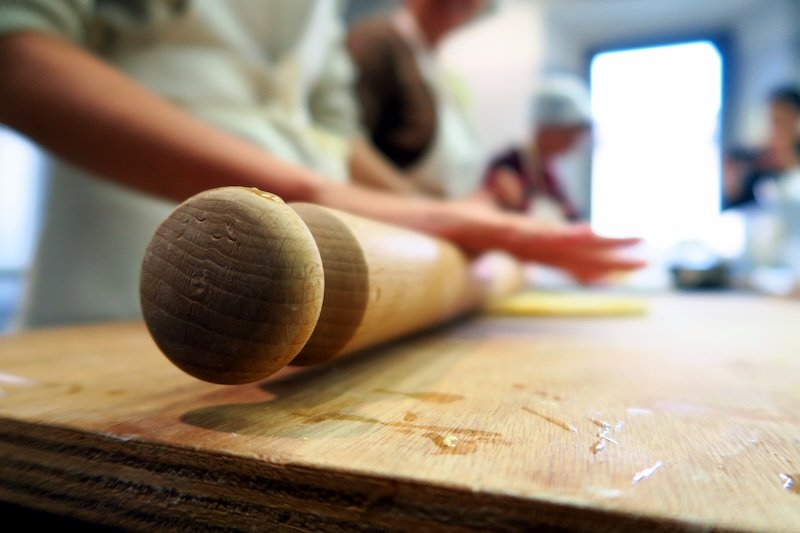
I typically prefer to do more of the eating and less of the cooking, but the pasta making class at Casa Artusi in Forlimpopoli was a lot of fun. I was drawn right in from the beginning, hearing the life story of Pellegrino Artusi, a businessman who decided to follow his two passions – Italian cooking and writing – and ended up becoming ‘the father of modern Italian cooking’.
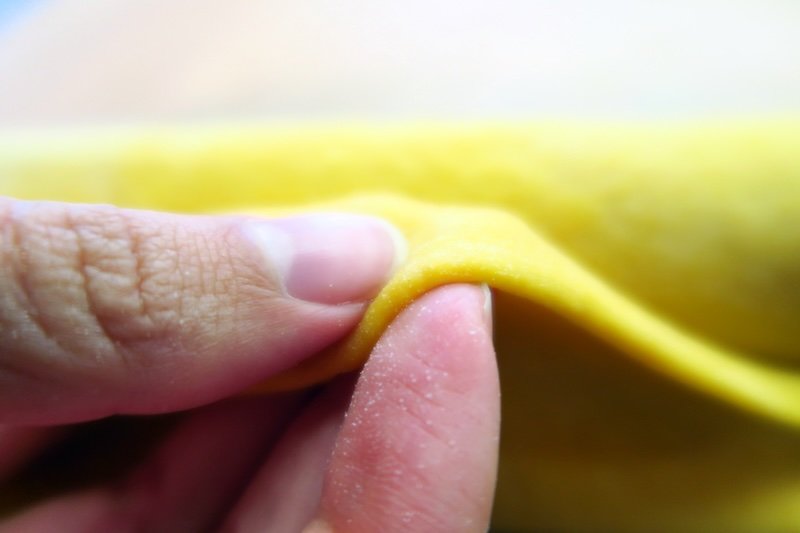
Making pasta turned out to be surprisingly easy – who knew you only need two ingredients? We were each paired with a volunteer who taught us how to make different pasta shapes, and then at the end of it all, we enjoyed a delicious bowl of tagliatelle. You can read more about the pasta making class here.
Address: Via Andrea Costa 23-27, Forlimpopoli
And that’s a whirlwind food tour of Emilia-Romagna! I only had a handful of days there, so there’s only so much I could eat, but I hope some of these food experiences will give you a tiny glimpse at what the region has to offer all you foodies out there. For a deeper look at what we did on the trip – climbing medieval towers, touring the Enzo Ferrari Museum, and getting into the wine – check out the video below!
Emilia-Romagna Food Trip Planner (Routes, Tastings, Checklists & Tips)
Where to Base Yourself (So Driving Time = Eating Time)
A few small “home bases” keep the trip easy—and your forks busy.
| Base | Best For | Signature Flavours | Why Pick It |
|---|---|---|---|
| Modena | Balsamic acetaie, Ferrari museum detours | Traditional Balsamic Vinegar DOP, Lambrusco, gnocco fritto & tigelle | Compact centre, producer-dense countryside |
| Parma | Dairy + cured meat pilgrimages | Parmigiano-Reggiano DOP, Prosciutto di Parma DOP, Culatello (nearby) | Classic trattorie and elegant piazze |
| Bologna | Pasta HQ + lively markets | Tagliatelle al ragù, tortellini in brodo, mortadella IGP | Walkable foodie capital with late hours |
| Romagna (Faenza/Forlì/Cesena/Ravenna) | Agriturismi, piadina, seaside breaks | Sangiovese di Romagna, piadina, passatelli | Slower pace, vineyard views, good value |
If you want a hotel base rather than a full countryside stay, Modena and Parma both have solid options. In Modena, Phi Hotel Canalgrande is about a 5-minute walk from Modena Cathedral, so you can walk to dinner and back without worrying about the ZTL. If you’re treating yourselves, Casa Maria Luigia is chef Massimo Bottura’s countryside guesthouse just outside the city — a genuine splurge, but it suits food-obsessed travelers who want an alternative to chasing a table at Osteria Francescana. Over in Parma, Sina Maria Luigia sits close to the main sights and blends classic Italian style with the kind of comfort you want after a day of dairy tours and cured meat.
How to Book Producer Visits (And Actually Get In)
- Email ahead (2–3 weeks is perfect). Family producers answer between milkings and vinegar rack checks. Write in simple English or use a short Italian note.
- State your time window and group size (even if it’s just you two).
- Ask what’s included (tour + tasting? light lunch?) and cost.
- Confirm the day before via WhatsApp/SMS and re-share your arrival time.
- Bring cash for small tastings or to buy that “I didn’t plan to” wedge of 36-month Parmigiano.
If the email-and-wait approach isn’t your style, a couple of pre-bookable options do the coordinating for you. The Art of Parmigiano Reggiano & Aged Balsamic Vinegar runs from Modena and pairs an organic dairy farm visit with a stop at a family acetaia, finishing with a tasting of 12-year and 25-year DOP balsamic alongside three ages of Parmigiano. If you’re based in Parma instead, the Parma: Cheese, Ham, & Balsamic Vinegar Tour with Tastings covers all three of the region’s big names in one day — cheese, prosciutto, and balsamic — with hotel pickup included, which takes the “how do I even get to a farm outside the city” problem off your plate entirely.
Driving & Getting Around
- ZTL zones (Limited Traffic Areas) guard historic centres. Park outside and walk in. Fines are automated; no thanks.
- Country lanes are narrow. Expect tractors, cyclists, and a grandma in a Panda taking the racing line.
- Sundays: markets bustle, but some producers rest. Plan museum days or long lunches.
- Designated driver: many tastings are small sips, but save serious wine for agriturismo dinners.
Tasting 101: How to Truly Taste the Big Three
Parmigiano-Reggiano (PR)
- Look: Warm straw colour, crystal speckles (tyrosine) = age.
- Break: Use a spade knife to “flake,” not slice—PR wants to crumble.
- Smell: Butter, broth, nuts; older wheels skew towards pineapple/umami.
- Taste: Let it melt. Younger = creamy + lactic; older = savoury + crystalline.
Traditional Balsamic Vinegar (TBV)
- Look: Viscous ribboning, glossy brown.
- Smell: Dried fruit, cherry, wood spice; no sharp alcohol sting.
- Taste: A sweet-sour balance, then a long, clean finish. Three drops go a long way.
Culatello di Zibello
- Look: Marbled ruby, pear-shaped slices.
- Smell/Taste: Sweet, elegant pork perfume; silky texture. Serve at room temp.
Know Your Cheese & Vinegar
Parmigiano-Reggiano Age Guide
| Age | Texture & Aroma | Best Use |
|---|---|---|
| 24 months | Moist but granular; milk, yogurt, fresh nuts | Table cheese, salads, snacking |
| 36 months | Drier; crystals; broth, toasted nuts | Grating, risotti, wines with backbone |
| 48–60+ months | Intense, crumbly; spice, leather, caramel | Drizzle of TBV, meditation cheese |
Balsamic: What’s Real, What’s Not
| Label | What It Means | Age | How to Use |
|---|---|---|---|
| Aceto Balsamico Tradizionale di Modena/Reggio Emilia DOP | 100% cooked grape must, aged in battery of woods, certified by consortium | Min. 12 years (Affinato), 25+ (Extravecchio) | Drips on Parmigiano, steak, strawberries, gelato |
| Aceto Balsamico di Modena IGP | Grape must + wine vinegar, aged in wood (often shorter), wider styles | Usually <3 years | Everyday salads, marinades |
| Condimento / “Balsamic glaze” | Catch-all; quality wildly varies | N/A | Read labels; can be great or gimmick |
Cured Meats Cliff Notes
| Salume | Protected? | Personality | Pair With |
|---|---|---|---|
| Culatello di Zibello | DOP | Silky, sweet, aristocratic | Buttered bread, a whisper of TBV, Lambrusco |
| Prosciutto di Parma | DOP | Delicate, nutty (PR rinds feed pigs) | Melon, figs, Parmigiano chips |
| Mortadella di Bologna | IGP | Pistachio-studded, aromatic | Tigelle/gnocco fritto, a crisp Pignoletto |
| Coppa di Parma | IGP | Spiced collar muscle, savoury | Warm bread, pickled onions |
| Spalla Cotta di San Secondo | – | Gently cooked shoulder, hammy comfort | Mustard fruits, semi-sparkling Lambrusco |
Wines You’ll Actually Drink Here
- Lambrusco (secco to amabile): Dry and fizzy cuts fat like a pro. The red that loves salumi.
- Pignoletto / Grechetto Gentile: Frizzante white from Bologna hills—think orchard fruit + bubbles.
- Sangiovese di Romagna: Cherry, herbs, easy tannin—friend to ragu and griglia.
- Albana di Romagna: Apricot/almond white; try passito for dessert.
- Gutturnio (Barbera + Bonarda): Rustic red from Piacenza; pizza’s buddy.
Eat Like a Local (Tiny Rules, Big Rewards)
- Pasta shapes matter: Ragù belongs to tagliatelle (not spaghetti). Tortellini are for brodo.
- Coperto is the per-person cover charge; it’s normal. Pane e coperto = bread + setting.
- Acqua: “Naturale o frizzante?” Tap water isn’t common; bottled is standard.
- Caffè culture: Cappuccino in the morning; after lunch it’s espresso (just “un caffè”).
- Must-try bites:
- Gnocco fritto (puffy fried bread) + salumi
- Tigelle (aka crescentine) stuffed with meats + sauces
- Piadina (Romagna flatbread) with squacquerone + rucola
- Erbazzone (Parma greens pie)
- Passatelli (breadcrumbs + Parmigiano noodle) in brodo
Two Ready-to-Go Itineraries
3 Days: Modena + Parma “Greatest Hits”
Day 1 – Modena
- Morning: Acetaia visit (traditional balsamic, slow stories, slower sips)
- Lunch: Gnocco fritto & tigelle with a glass of Lambrusco
- Afternoon: Stroll Modena’s porticoes or a quick Motors museum peek
- Dinner: Seasonal trattoria; finish with zuppa inglese or gelato
Day 2 – Parmigiano & Parma
- Early: Dairy tour (curd-pulling happens early), taste 24/36/48-month wheels
- Late breakfast: Erbazzone + espresso in Parma
- Lunch: Prosciutto di Parma platter, tortelli di erbetta
- Afternoon: Parma’s baptistery + piazzas
- Dinner: Tagliatelle al ragù; nightcap Sangiovese or amaro
Day 3 – Culatello Country
- Morning: Culatello di Zibello cellars + tasting
- Lunch: Riverbank castle meal (save room for sbrisolona)
- Optional: Vineyard stop in the hills en route back
5 Days: Castles, Kitchens & Coastline
Day 1: Bologna market graze (Quadrilatero), Casa Artusi detour if you want class schedule logistics set early.
Day 2: Handmade pasta class (Bologna or Forlimpopoli), Albana tasting in Romagna.
Day 3: Agriturismo check-in near Faenza; afternoon pool/olive groves; dinner on site.
Day 4: Modena grand cru: TBV acetaia, Lambrusco winery, gnocco fritto dinner.
Day 5: Parma & culatello, slow lunch, fly/rail out.
What It Costs (Realistic Ranges)
| Item | Typical Range (pp) | Notes |
|---|---|---|
| Producer tour + tasting | €10–€35 | Balsamic/Parmigiano on the lower end; culatello cellars higher |
| Pasta class (group) | €60–€120 | Private costs more; worth it if you’re a small group |
| Trattoria lunch | €15–€30 | Primo + water + coffee; add wine/secondo to splurge |
| Agriturismo B&B | €45–€90 per person | Many include breakfast; dinner €25–€40 pp |
| Wine (restaurant glass) | €4–€8 | Bottles in shops are great value |
Pack Smart: The Hungry Traveller’s Checklist
- Daypack that fits a wedge + tiny bottle (you will buy things, it’s a fact).
- Reusable cutlery/napkin for impromptu market picnics.
- Car snacks (always): crackers, fruit, water.
- Insulated bag for cheese/meat (ask about vacuum-sealing at the shop).
- Comfy shoes (cobblestones + acetaia stairs), scarf for chill cellars.
- Cash for rural tastings and tiny bakeries that still live in 1998 (bless them).
Little Phrases That Help (Print This)
- Buongiorno / Buonasera — Good morning / evening
- Abbiamo una prenotazione — We have a reservation
- Possiamo fare una visita e una degustazione? — May we do a tour and tasting?
- Assaggeremmo… — We’d like to taste…
- Senza fretta — No rush (music to an Italian’s ears)
- Da portar via — To take away
- Grazie mille, era delizioso — Thank you, it was delicious
Agriturismo 101 (What to Expect)
- Rooms are simple, spotless, and often have vineyard/olive views.
- Half-board (dinner + breakfast) is common and excellent value.
- Dinner is seasonal and hearty; house wine comes from the next field over.
- Pets & kids are usually welcome; confirm when booking.
- Booking: email directly; many owners aren’t glued to booking engines.
Emilia-Romagna Food Trip FAQ
How far in advance should I book Parmigiano or balsamic tours?
A couple of weeks works well for the small, family-run producers, who are juggling farm life alongside guests. Traveling in peak summer or during harvest (September/October)? Give it three weeks instead, since that’s when they’re busiest.
Is it worth renting a car just for food?
Yes. Trains cover the cities fine, but the tastiest stops sit on country lanes that no timetable reaches. A compact car lets you string dairies, acetaie, and agriturismi together in a single day without doubling back.
What time do Parmigiano dairies run tours?
Morning, almost always — the milk-to-curd transformation happens early, so most visits start between 8:30 and 10:30. If that’s too early for your trip, look for a maturation warehouse visit instead; rows of aging wheels are just as jaw-dropping in the afternoon.
How much traditional balsamic should I buy?
A 100–250 ml bottle goes further than you’d think, since you’re using drops, not glugs. One Affinato (12-year) covers everyday special occasions; an Extravecchio (25-year) is worth saving for birthdays, anniversaries, or an ordinary Tuesday that deserves an upgrade.
Can vegetarians eat well in Emilia-Romagna?
Very well. Cappellacci di zucca, erbazzone, piadina with squacquerone, passatelli (ask for the vegetarian brodo), seasonal veg antipasti, and risotti mean non-meat eaters are never short of options here.
I’ve heard Lambrusco is sweet — true?
It can be, but the local favourite is secco (dry) or semisecco. Ask for “secco, per favore” and you’ll meet the fizzy, food-friendly version locals actually drink with their salumi.
What’s the difference between tigelle and gnocco fritto?
Tigelle (crescentine) are small griddled rounds you split and stuff yourself. Gnocco fritto are puffy fried pillows you drape with prosciutto instead. Both exist purely to carry cured meat to your mouth, so you really can’t go wrong either way.
Is tipping expected?
Not really — the coperto already covers the place setting. Rounding up or leaving 5–10% is reserved for standout service or fancier restaurants. At producer tastings, buying something is the tip that actually means something to them.
Can I bring cheese/meat home?
Hard cheeses like vacuum-sealed Parmigiano-Reggiano usually travel fine; cured meats are more restricted and depend entirely on your destination country’s rules. Check current customs regulations before you buy more than you can declare.
Any etiquette for pasta and ragù?
Two things to get right: ragù goes with tagliatelle, never spaghetti, and tortellini belongs in brodo, not drowning in cream. Order either way and you’ll see a local’s face light up.
Are Sunday dinners a thing?
Sunday lunch is the real event here — the big, unhurried family meal. Dinners can feel quieter outside the cities that night, so book lunch instead, take your time, and walk it off through the porticoes or vineyards after.
What if it rains on my agriturismo stay?
Honestly, perfect timing. That’s brodo, polenta, and a second glass of Sangiovese weather. Book a pasta class, tour a cellar, or just ask your host for a slow lunch — they’ll feed you happily either way.
Have you travelled in Emilia-Romagna?
Where there any foods or culinary experiences that stood out to you?
This post was brought to you as a result of the #EuroFoodTrip campaign, created and managed by iambassador in partnership with Costa Brava & Girona Pyrenees and Emilia Romagna Tourism. As always, I retain full editorial control of everything published.
Great post, really want to try all these things specially pasta. Thanks for sharing 🙂
OMNOMOMNOM! Fantastic post, you’ve given me cravings!
Wonderful, wonderful, wonderful! I loved Casa Artusi too. So much to see and do and eat and drink there. One of my favourite regions to visit.
It all looks awesome – especially the cheese and pasta! Yum!