
What to pack for the Amazon? This is a question that I didn’t contemplate very long before I spent a week in the jungle.
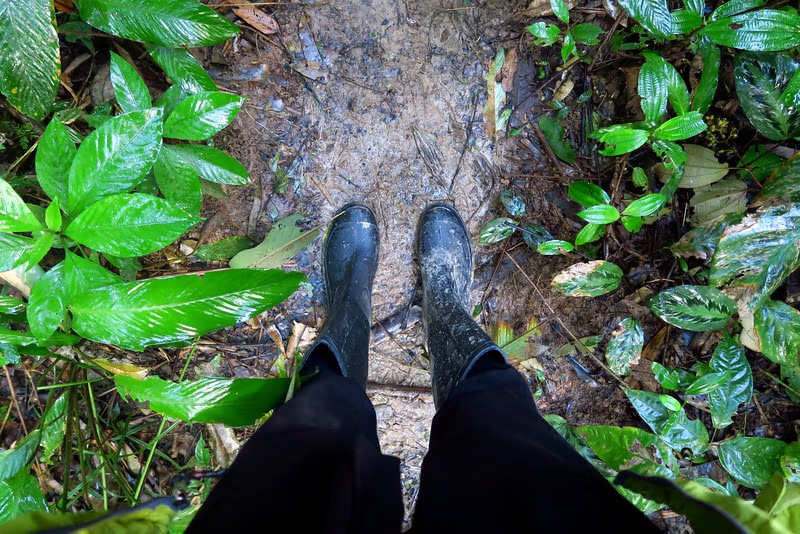
I knew it would be hot and humid, so I thought a few token shorts, t-shirts, and a pair of flip flops would be fine, but what I didn’t take into account were things like heavy rain, jungle critters, and the high humidity which made it almost impossible for my clothes to dry.
I may not have packed right for my trip to the Amazon, but hopefully, this packing list will help you bring the right items.
What to pack for the Amazon
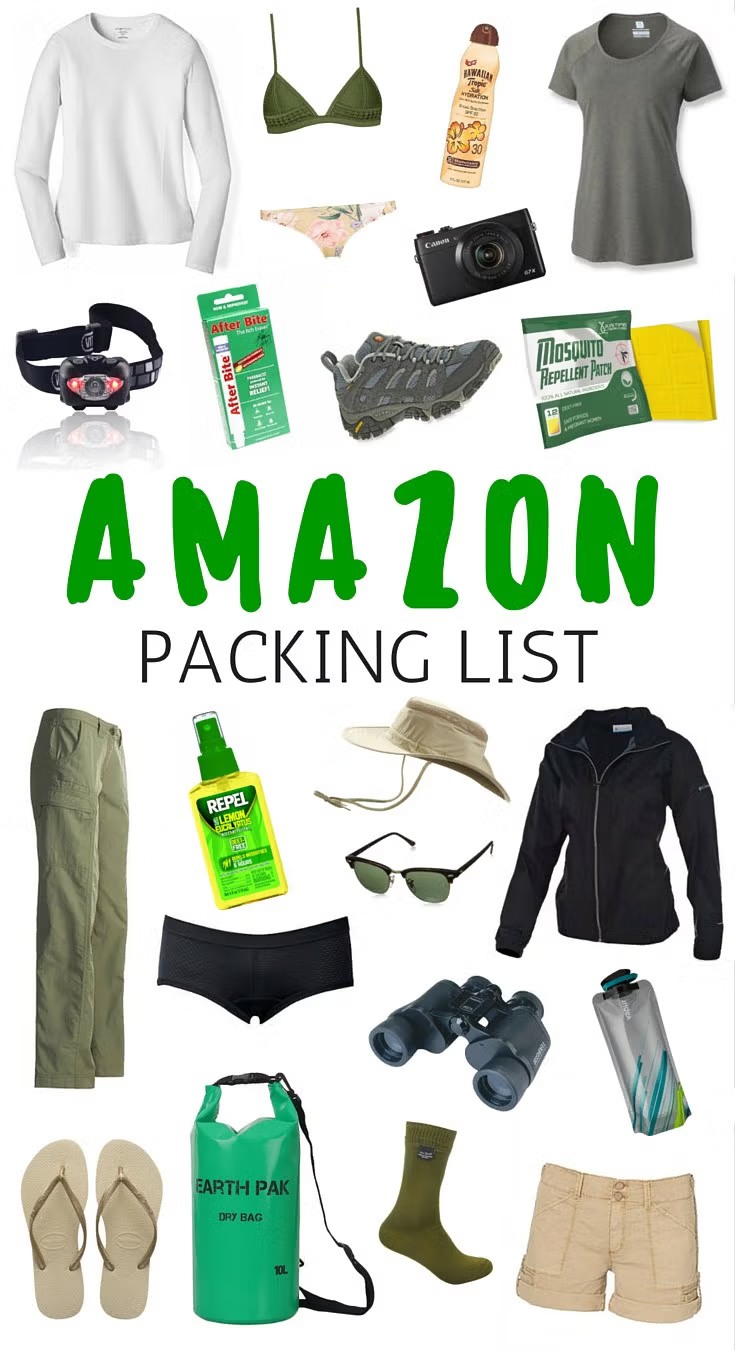
Here’s a list of what to pack for the Amazon Jungle:
(1) Long pants: I didn’t think I’d wear long pants in the jungle because of the heat, but I was so glad I found one long lost pair in my luggage once I got there. The mosquitoes are insane, so I ended up wearing long pants for all the jungle walks and excursions.
(2) Shorts: I also brought shorts along which I wore indoors within the safety of my treehouse or aboard the river cruise. If you want to save some space, you can consider something like the convertible pants to shorts ensemble.
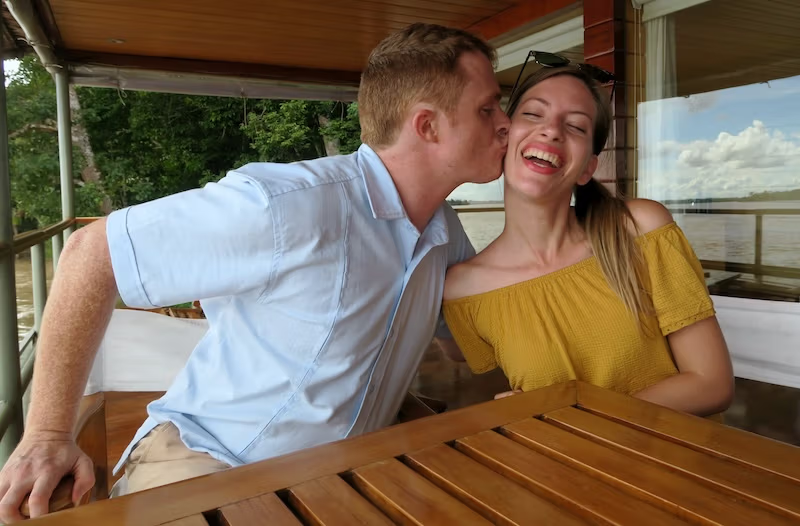
(3) Fast-dry t-shirts: I would suggest packing 2 t-shirts per day. The humidity is quite high and you are going to get very sweaty when you go out for morning and afternoon excursions. I made the mistake of packing cotton t-shirts (ha! even after 2 days of airing out they still would not dry), but next time I would go with quick-dry shirts and then alternate them.
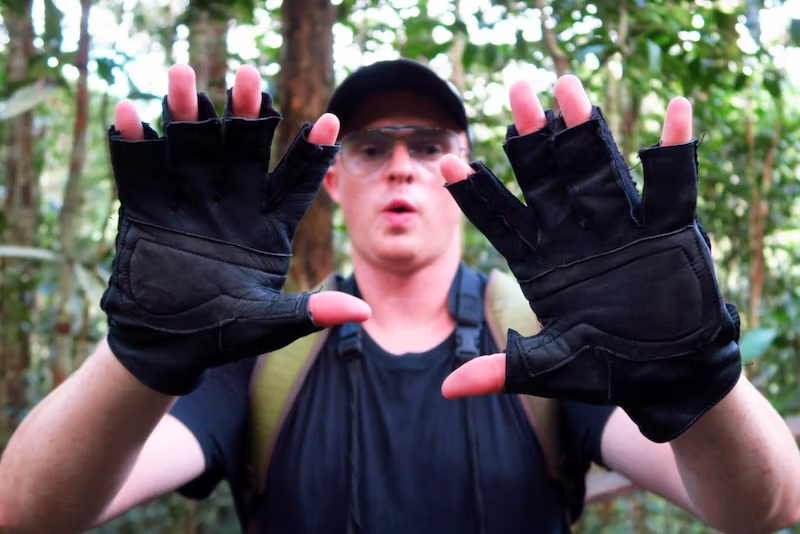
(4) Long sleeve t-shirts: Yes, you’ll want to bring at least one long sleeve shirt to the jungle. These aren’t to stay warm, rather to protect yourself from mosquito bites and the sun during excursions.
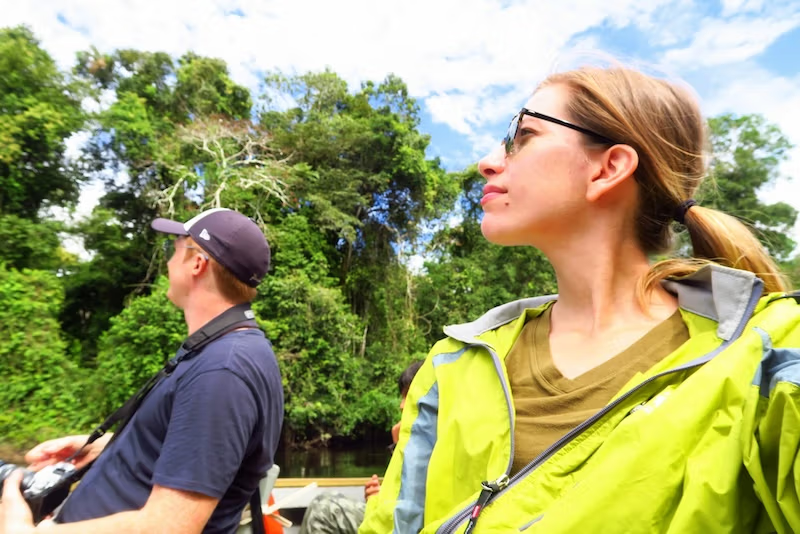
(5) Rain jacket: Because let’s face it, you’re likely going to encounter sporadic rain showers a few times a day. If you’re doing more of a high-end Amazon River cruise they usually provide rain ponchos, but it’s best to go prepared.
(6) Swimsuit: Don’t let movies of piranhas and anacondas scare you! Did you know that in the Amazon you can go swimming with pink dolphins?
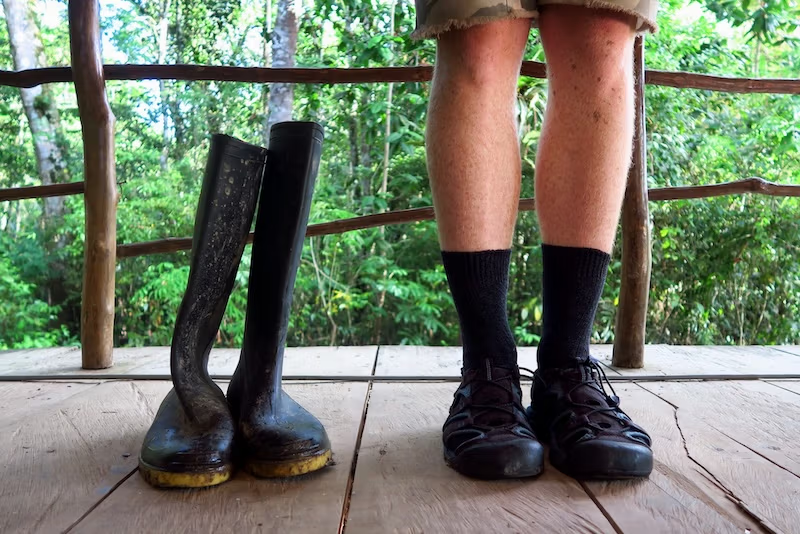
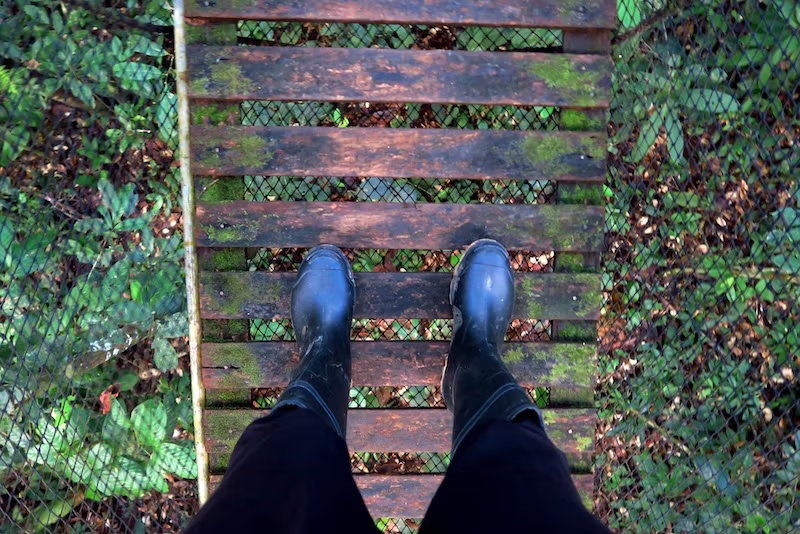
(7) Closed shoes: A sturdy pair of hiking shoes would be ideal for the jungle walks. I tried going out with sneakers, but the terrain can get quite muddy and soggy, so my shoes got soaked. For some of the outings, our tour operator did provide rubber boots, but then you have the problem of these not fitting quite right.
(8) Flip flops: These were my lounge shoes after all the hikes.
(9) Long socks: I only packed ankle socks because that’s usually all I wear…as you can probably imagine, I ended up with a ring of mosquito bites to prove it. Long socks all the way and if you own waterproof socks even better!
(10) Underwear: Just like with the t-shirts, bring more than what you think you’ll need. Or better yet, go the ExOfficio route and grab a few pairs that are quick-drying, odour resistant, and breathable.
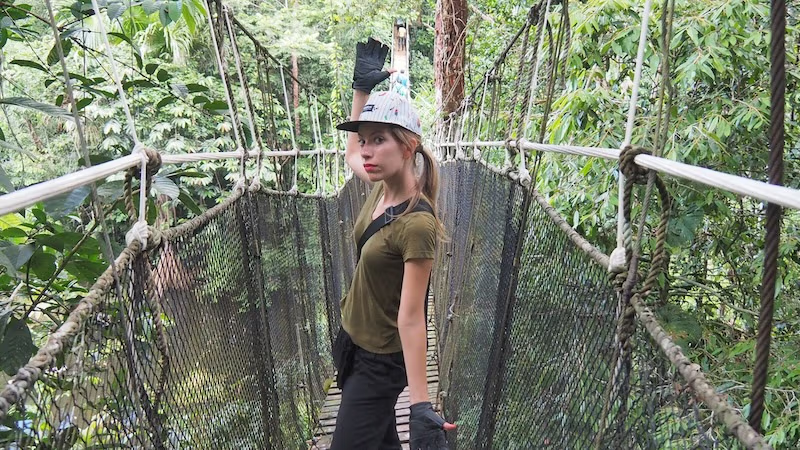
(11) Hat: I just brought a baseball cap, but if you want the neck protection, most people on our Amazon tour seemed to be going for this look, which isn’t my favourite, but you can decide what works for you.
(12) Sunscreen: It’s a must! Don’t forget to reapply throughout the day unless you want to turn into a lobster.
(13) Bug spray: You are going to need this and you are going to want to spray it all over you (as an FYI the natural eucalyptus and lemon scent smells quite nice)! I also saw a family on our Amazon River cruise who were wearing mosquito repellent patches on their clothes, and they told me they were working great when I asked about them.
(14) After-Bite: Because even with all the preparation, you’ll likely still end up with a few sneaky mosquito bites on your body. This stuff really helps relieve the itch.
(15) Flashlight or headlamp: Many of the Amazon lodges are off-grid and run on solar energy so you may not have electricity 24 hours a day. Bring a flashlight or a headlamp that you can keep next to your bed in case nature calls at night.
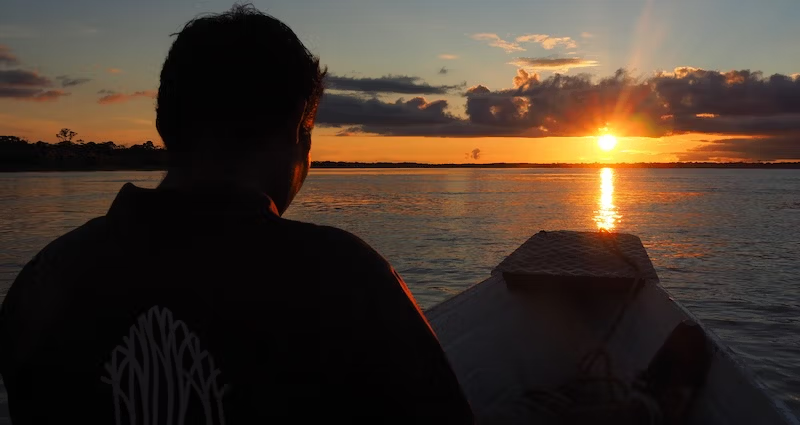
(16) Sunglasses: To keep them rays out of your eyes.
(17) Refillable water bottle: To take out on the excursions. You’ll want to make sure you stay hydrated while you’re out there.
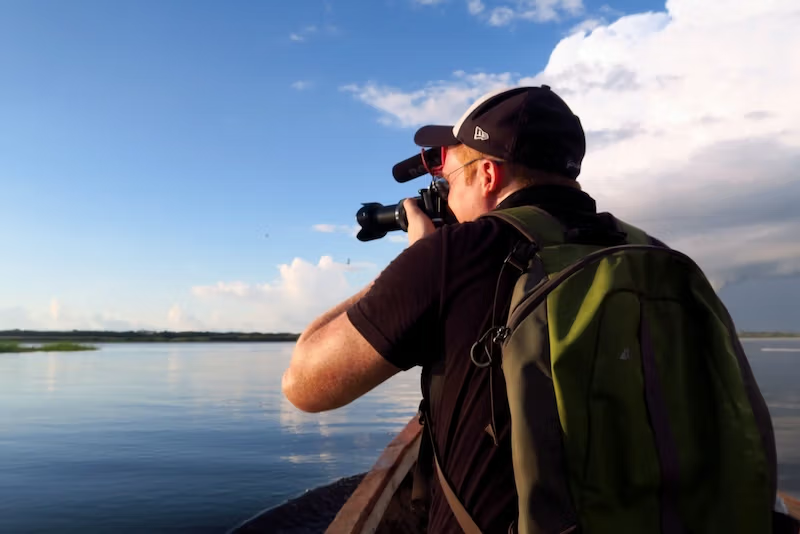
(18) Camera: Because you are going to want to document this adventure. Don’t forget to bring extra batteries and chargers. I don’t consider myself a wildlife photographer, so I don’t carry a body with an array of lenses. For the type of photography I do on this blog and a lot of the video footage you see on my YouTube channel, I use my Canon G7X.
(19) Dry bag: These bags are great for keeping your electronics safe and dry when you’re out on the water. They’re also a good idea for a trip to the Amazon because of the frequent rain showers, so it’s best to be prepared if you get caught in one of those with all your camera gear.
(20) Binoculars: So the biggest difference between going on safari and going to the Amazon is the way you spot wildlife. On safari, you have large animals that are quite easy to spot, but on the Amazon, we were looking for sloths, birds, and lizards that were not only perched up in the trees but that could camouflage in the foliage. I did a high-end river cruise that thankfully provided one pair of binoculars per room, but if you are doing a more budget-friendly cruise this may be something you want to consider.
(21) Travel insurance: Not necessarily something you pack, but it does keep your back covered! This really goes without saying, but you should always have travel insurance when you travel, more so when you’re venturing somewhere as remote as the Amazon Jungle. You can get a quote for your Amazon trip here.
Health Prep: Vaccines and Malaria Precautions for the Jungle
Packing lists tend to skip the one thing that actually shapes your gear choices: what your body needs before you even land. Yellow fever is present in the Loreto region around Iquitos, and travel clinics generally recommend the vaccine for anyone heading into the Amazon, even though Peru doesn’t require it to enter the country. The catch is timing — it needs to go in your arm at least 10 days before you reach the jungle, so this isn’t a last-minute errand at the airport.
Malaria risk is low in Iquitos city itself but rises the deeper you go into remote lodges, so it’s worth asking a doctor whether antimalarial pills make sense for your specific itinerary. Either way, it reframes a few packing items from “nice to have” into genuine health gear: your bug spray, long sleeves, and long pants aren’t just about comfort, they’re your main line of defense between vaccination appointments and actual mosquito bites.
(22) Quick-Dry Towel: A compact, microfiber towel is a lifesaver in the rainforest. Many jungle lodges provide towels, but they might not always be dry by the next morning, thanks to relentless humidity. A travel towel dries much faster and is easy to pack for river swims or unexpected downpours.
(23) Lightweight Sarong or Buff: This is one of those multipurpose gems. Use it as a makeshift towel, a privacy curtain, a scarf for sun protection, or even as a lightweight sheet for unexpected situations. Many travelers end up using theirs every day, especially as an extra barrier against bugs in hammocks or boats.
(24) Travel Laundry Kit (Soap & Line): Because drying clothes in the Amazon is a struggle, pack a small bag of laundry soap and a travel clothesline. Wash essentials at night and hang them where there’s the most airflow. Even if things don’t get bone dry, at least you can keep rotating your cleanest, least-damp items!
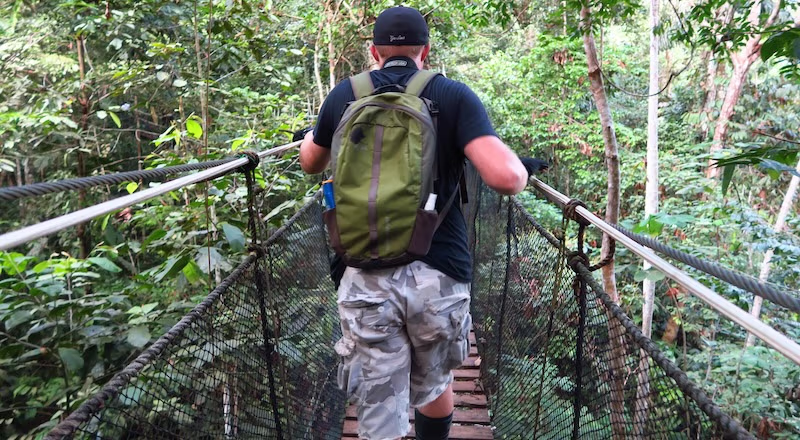
(25) Moisture Absorbing Bags or Silica Gel Packs: Tuck these into your electronics bag, camera case, and even your shoes. They help keep gear from getting musty and foggy, which matters most on the humid days when everything feels perpetually damp.
(26) Waterproof Phone Case: A reliable waterproof pouch protects your phone from splashes, mud, and humidity during canoe rides, hikes, or sudden downpours, and makes it easy to snap photos on the go without worrying about the elements.
(27) Lightweight Packable Poncho: Even if you’ve got a rain jacket, a cheap, ultralight poncho packs down to nothing and covers sudden Amazon downpours in seconds. Throw it over yourself and your daypack for total coverage on boat rides or open trails.
(28) Spare Ziplock Bags: I can’t overstate how handy a handful of ziplocks are. Use them for snacks, keeping electronics or books dry, separating wet or muddy clothes, or stashing damp socks on the go. Bonus: they help contain jungle smells from infiltrating your entire bag!
(29) Electrolyte Packets: Hydration is crucial, and all that sweating means you’ll lose more than just water. Add electrolyte powder or tablets to your refillable bottle for a quick pick-me-up, especially on steamy hikes or after stomach upsets.
(30) Energy Snacks: Pack protein bars, nuts, or dried fruit. Jungle excursions can run longer than expected, and there aren’t always shops around. Keeping a couple of bars in your daypack covers the moment hunger hits between meals — and they’re handy for sharing with fellow travelers, too.
(31) Personal First-Aid Kit: Lodges may have basic supplies, but you’ll want your own essentials: band-aids, blister pads, antiseptic wipes, tweezers (for splinters or thorns), painkillers, anti-diarrheal meds, antihistamines, and any personal prescriptions. Better safe than sorry.
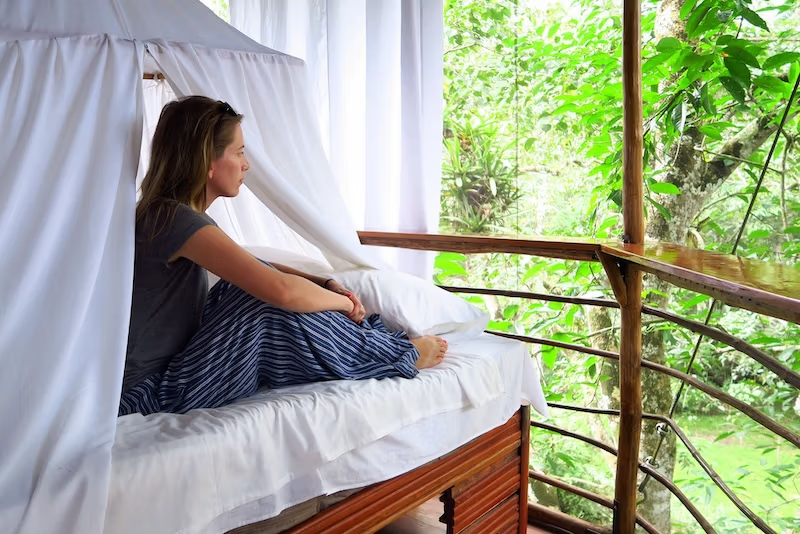
(32) Compact Travel Pillow or Inflatable Neck Pillow: Transport to and from the Amazon can be lengthy, think hours by bus, boat, or even plane. Having a comfy pillow makes all the difference, and it’s great for naps in hammocks or on the boat, too.
(33) Eye Mask & Ear Plugs: If you’re a light sleeper, the jungle’s symphony of howler monkeys, insects, and birds can be overwhelming. Bring an eye mask and ear plugs for a better night’s sleep in your lodge, tent, or hammock.
(34) Travel Journal & Pen: The Amazon is pure inspiration. You’ll want to jot down wildlife sightings, weather quirks, funny stories, or that one local guide’s recipe for plantain chips. Plus, evenings are perfect for reflecting on the day’s adventures.
(35) Spanish Phrasebook or App: While many guides speak English, your boat captain or local host may not. Basic Spanish phrases (or even Portuguese, if you’re in Brazil) go a long way for daily interactions, directions, and learning local tips.
(36) Spare Batteries and/or Power Bank: Electricity can be unreliable in the jungle, most lodges only provide it for a few hours a day, if at all. Carry extra batteries for your camera and a charged power bank to keep your phone or headlamp alive until you reach civilization again.
(37) Spare Set of Clothes in a Dry Bag: Always keep a clean, dry outfit sealed up and ready, especially for your journey home. There’s nothing like peeling off your muddy, sweat-soaked hiking gear and slipping into something dry before a long ride back to the city!
(38) Travel-Sized Toiletries (Eco-Friendly): Opt for biodegradable soap and shampoo to help keep the rivers clean. A small bottle of hand sanitizer is essential for before meals, and wet wipes come in handy when water is scarce or you need a midday refresh.
(39) Travel-Sized Sewing Kit: Jungle adventures are rough on clothes! A tiny kit with a needle, thread, and safety pins fixes ripped seams, broken straps, or sudden tears until you’re back in reach of a tailor.
(40) Small Gift for Local Guides or Hosts: This is a special touch, especially if you’re staying with a family or in a small community. Think postcards from your home country, travel-sized games, or even a sweet treat. It’s a simple way to show gratitude for the local hospitality that makes the Amazon experience memorable.
Extra Tips & Amazon Travel Wisdom
– Keep Electronics Simple: Humidity is tough on cameras and phones. Avoid changing lenses outside, keep everything zipped in waterproof bags, and try to limit unnecessary gear.
– Rethink White or Light-Colored Clothes: They’ll show dirt and stains in no time. Go for earth tones, quick-dry fabrics, and dark colors that don’t scream “newbie tourist” (and attract fewer bugs!).
– Less Is More: You’ll find yourself re-wearing your favorite comfy, dry pieces. Save space for small gifts, snacks, and souvenirs.
– Check Lodge Amenities: Some jungle lodges offer boots, ponchos, or even binoculars. Double-check before your trip to avoid packing extras.
High Water vs. Low Water: How Season Changes What You Pack
The Peruvian Amazon doesn’t really have a dry season, just a wetter one and a less-wet one, and which you land in changes what earns a spot in your bag. Roughly December through May is high-water season: rivers can rise dramatically, flooding large stretches of forest floor, and excursions shift toward canoes gliding between tree trunks instead of trails underfoot. If you’re traveling then, dry bags and rain gear stop being optional extras and become the items you’ll actually reach for daily.
Roughly June through November is low-water season: rivers drop, sandy beaches and riverbanks appear, and hiking trails that were underwater open back up. Closed-toe hiking shoes and long socks earn their keep here, since you’ll be walking a lot more than paddling. Either way you’ll still get daily showers, but knowing which season you’re packing for helps you decide how much weight to give rain gear versus proper trail footwear.
Where to Stay & Amazon Tours Worth Booking
If you haven’t locked in a lodge yet, it’s worth matching the property to the kind of trip you want. Ceiba Tops Lodge by Explorama sits about 40 km downriver from Iquitos and is the most comfort-forward option on this list, with air-conditioned rooms, a swimming pool, a hot tub, and an optional canopy walkway excursion — it suits families and couples who want a genuine jungle immersion without giving up creature comforts.
Amazon Muyuna Lodge, set inside the Tamshiyacu-Tahuayo Reserve about 140 km from Iquitos, offers private bungalows and family-sized accommodation with canoeing, lake visits, and local village excursions — a good fit for families or nature-focused travelers who want fewer crowds than the lodges closer to the city.
For a more rustic, budget-conscious stay, Heliconia Amazon River Lodge is located in the Yanamono Communal Reserve roughly 80 km from Iquitos, with simple rooms, a hammock lounge, and a billiards area for downtime between excursions. And Libertad Jungle Lodge, built on stilts over the Ucayali River about 150 km from Iquitos, is a fully community-based property where proceeds go directly back into the village — a strong option for solo travelers or budget-minded backpackers who want their stay to have a direct local impact.
If you’d rather book a guided trip than arrange a lodge independently, a 2-Day Peruvian Amazon Tour from Iquitos covers round-trip airport transport and an overnight jungle stay, and works well if you’re short on time or want a taste of the rainforest without committing several days. For a deeper dive, the Iquitos Amazon Adventure and Expedition 3-Day Tour adds a Belén Market visit, a boat ride to the Nanay-Amazon confluence, a jungle lodge stay, a botanical walk, and a visit to a riverside community — better suited to travelers who want the fuller cultural and wildlife picture.
FAQs: What to Pack for the Amazon Rainforest
Do I really need long pants in the Amazon’s heat?
Yes. Lightweight, quick-dry long pants protect from mosquitoes, branches, and sun. They’re far more comfortable than you’d think once you’re moving through humid forest.
How many shirts should I bring—and what fabric?
Plan on 2 quick-dry shirts per day if you’re doing morning/afternoon excursions. Choose synthetics or merino; cotton stays damp and can sour in the humidity.
Are long-sleeve layers necessary?
Bring at least one long-sleeve, breathable layer for sun and bug protection on boats and trails. Think UPF hiking shirts or thin merino.
What footwear works best on muddy trails?
Pack closed-toe hiking shoes for stability; many lodges also provide rubber boots for serious mud. Add long socks (or waterproof socks) to avoid ankle-bite zones.
Poncho or rain jacket?
Both if you can. A light rain jacket for hiking plus an ultralight poncho that also covers your daypack during sudden downpours is ideal.
What’s the smartest way to keep gear dry?
Use a dry bag for camera/phone, ziplock bags for small items, and silica gel/moisture absorbers inside electronics pouches to fight condensation.
Is bug spray enough—or should I add more protection?
Use a strong mosquito repellent (apply to skin and clothing), wear long sleeves/pants, and consider repellent patches. Pack After-Bite or soothing gel for inevitable nicks.
Will I really swim in the Amazon—should I pack a swimsuit?
Many tours include river swims (sometimes with pink dolphins), so bring a swimsuit and quick-dry towel; ask your operator where/when swimming is offered.
How do I manage laundry and never-dry clothes?
Bring a travel laundry kit (soap + line) and rotate quick-dry items overnight near airflow. Even if things aren’t bone-dry by morning, rotation keeps you fresher.
What small health kit should I carry?
A compact kit with band-aids, blister pads, antiseptic wipes, antihistamines, anti-diarrheals, painkillers, tweezers, and any personal prescriptions covers most needs.
Power is limited—how do I keep devices alive?
Expect limited lodge electricity. Pack spare batteries, a power bank, and charge during generator/solar hours. Keep a headlamp/flashlight by your bed for nights.
What’s the #1 item people forget?
A dry, sealed “escape outfit” in a dry bag for the return journey—there’s nothing better than changing out of muddy gear into clean clothes before the long ride back.
Is there anything else you would pack for the Amazon?
I hope you didn’t get too many mosquito bites in your trip to Amazon. Anyhow, I know that you had fun exploring the green forest. Post more photo of your escapade there, please!
More photos soon! I still have a few more posts about the Amazon coming up. 🙂
I second the After Bite! I was in the Peruvian Amazon years ago and was so glad I had it with me.
Those jungle mosquitoes are ravenous!
Wow, I’m going to the Peruvian Amazon around Lima and Pucallpa, any other items on this list that you recommend?
Super helpful, thanks for posting
packing is always a nightmare for every traveler, thank you for sharing.