
It seems like Chile has become the new hotspot for adventure tourism. Just like that, tourists have started pouring into the nation’s capital to experience Chilean culture, its famed carménère wine, and to glimpse a view of the majestic Andes mountain range surrounding the city. I have spent the past two years perusing through Santiago as a gringa looking for the best tourist activities, so, if you are looking to take advantage of your time in Chile’s capital, here are my top recommendations.
What to Do, See, Eat, Drink & Experience in Santiago, Chile
Search for street art
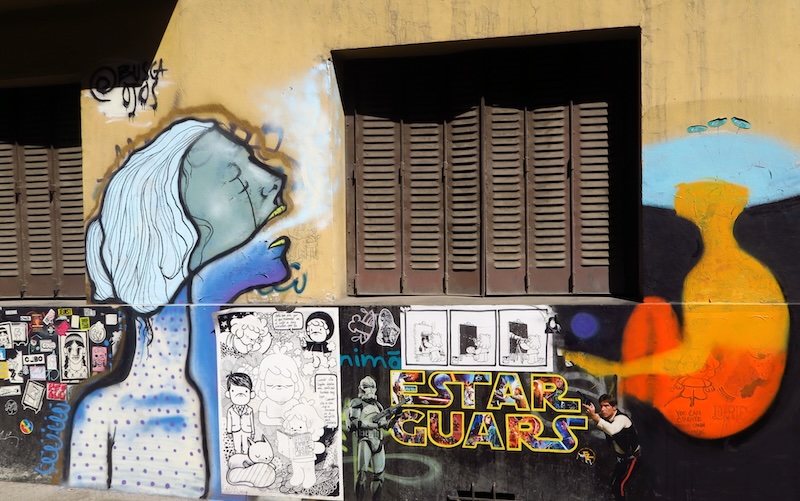
If you’re a lover of street art like myself, then you are in luck. Santiago has plenty of beautiful options including strolling the funky Bellavista neighborhood or visiting the Museo a Cielo Abierto, an outdoors exhibit featuring 40 large murals that are painted onto the sides of apartment buildings.
Learn a bit of Chilean history
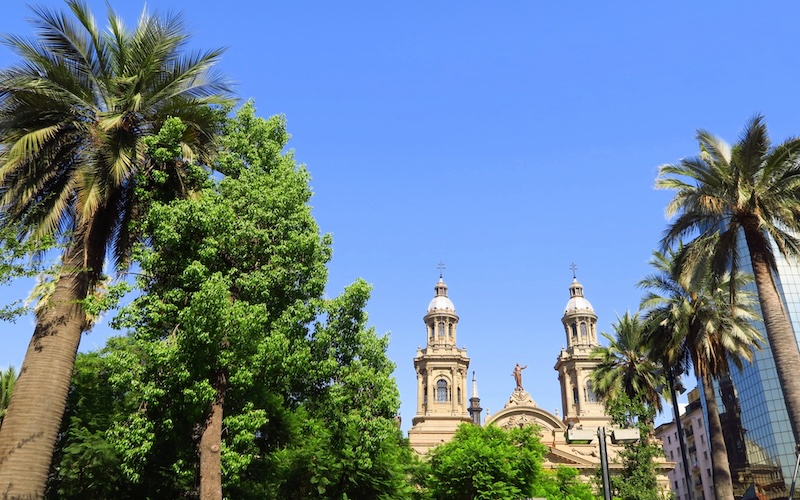
Many people come to Santiago without knowing much about the history of Chile. If you’d like to learn, or if you’re just a history nerd like I am, I recommend checking out the Plaza de Armas. This square is the original historic city center and various buildings of importance are located within the plaza. Head to the Chilean National History Museum (open Tuesdays-Sundays from 10am-6pm) to explore everything from the Mapuches (Chile’s indigenous people) and conquistadors to the 1973 Chilean coup d’état.
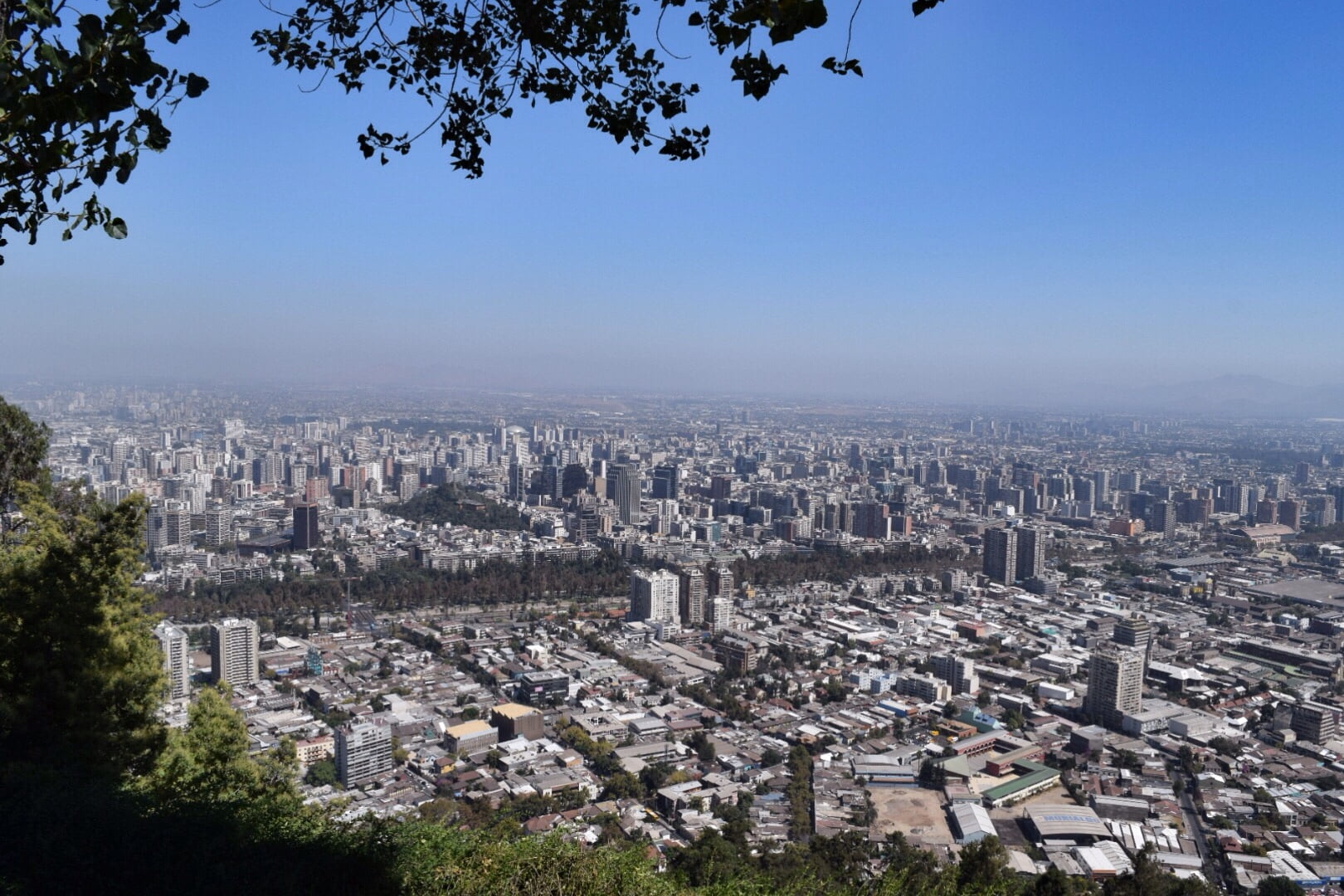
Hike up Cerro San Cristóbal
If you’re set on getting some exercise in Santiago, I recommend trekking up Cerro San Cristóbal. At the cumbre (summit), you will find the famous statue of Mary as well as various viewpoints of Santiago. Don’t feel like hiking all the way to the top? Take the funicular, currently the only mechanical way to reach the summit.
Try a completo italiano
It seems that Chileans were not satisfied with the traditional ketchup and mustard condiments for a hotdog and thus created their own invention: the completo. So why is it called “italiano” (Italian)? Well, this hotdog is topped with three ingredients: tomato (red), mayonnaise (white), and avocado (green), each representing a color of the Italian flag. I know it sounds like a strange combination, but I can tell you from experience that it is delicious.
See where Santiago was founded
Cerro Santa Lucía is another popular tourist destination in Santiago where you can climb to the top of what used to be an active volcano. The top of this hill is also where Pedro de Valdivia founded the city of Santiago. Besides being historical, this hill offers a great spot for pictures!
Taste your first sip of pisco
If there is anything that Chileans are extremely proud of (besides their fútbol team), it is pisco, a spirit that the country produces. If you’re new to pisco, I recommend trying a pisco sour, a cocktail prepared using pisco and lemon juice.
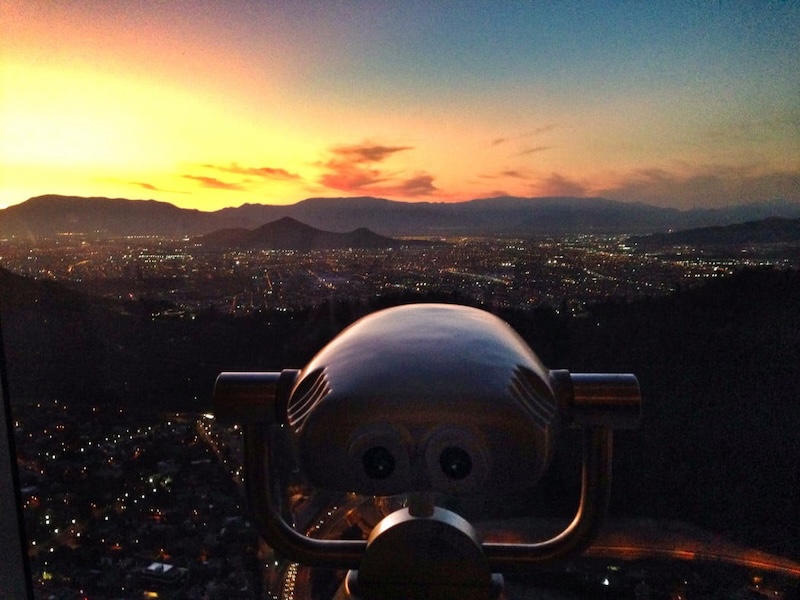
Watch the sunset from the 62nd floor
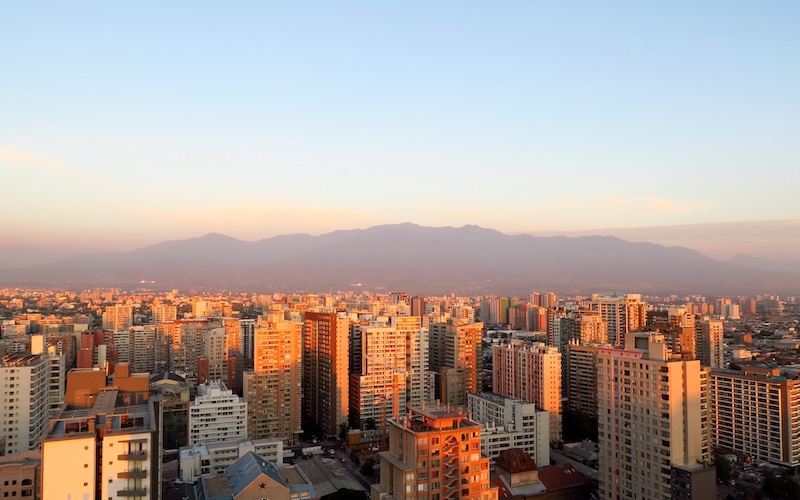
Sky Costanera just opened this past year and is quickly becoming a hub for tourists. Enter Costanera Center, the tallest building in Latin America, and take the elevator to the very top. There you can find a 360-degree view of the entire city as well the surrounding mountain range. I recommend arriving to Sky Costanera about 30 minutes before sunset so as to be able to see the city during the day, as the sun sets, and to watch the twinkling city lights in the evening.
Learn to speak Spanish like a Chilean
If you’d like to improve or practice your Spanish while in Santiago, there are various language exchanges in the area. Sit back and have a beer at The Shamrock Irish Pub on Wednesdays at 8pm while you learn the best Chilean Spanish expressions from native Santiaguinos. The price to participate is only $1,000CLP, and a raffle is held at the end of the night for one person to win a pitcher of beer on the house.
Try out your salsa skills
For visitors with a flair for Latin beats, dance the night away at Maestra Vida, a salsoteca in Santiago’s Bellavista neighborhood. If you’re interested in learning salsa but haven’t tried it before, don’t worry! Maestra Vida offers classes for beginners as well as those with previous experience in salsa.
Take a day trip to a winery
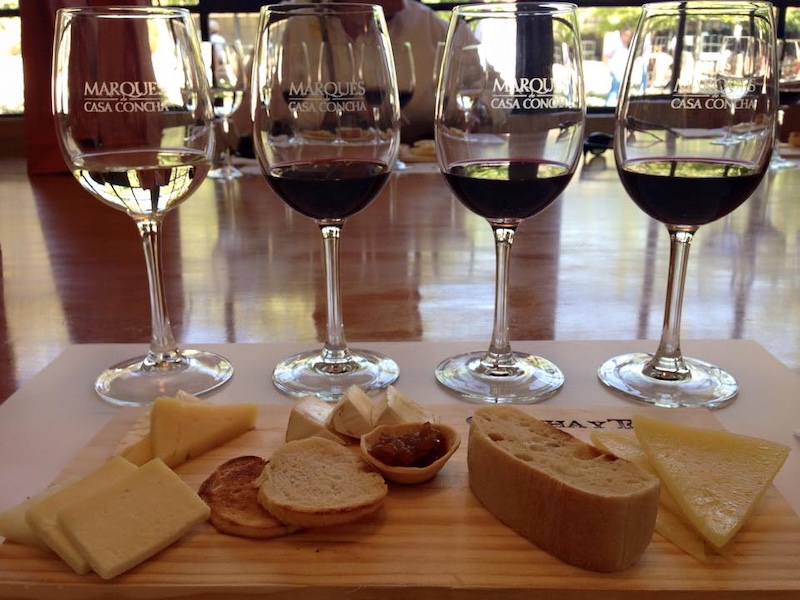
Chilean wines are becoming more and more well known and esteemed on a global scale. If you’re looking to do a bit of sampling while in the city, there is no shortage of vineyards in the area. Moreover, if you’d rather experience a larger, more commercial vineyard, check out Concha y Toro, where tours are offered every day of the week. If you’d prefer a smaller, more family-style vineyard, I personally recommend Undurraga Winery.
Do you have any recommendations for things to do in Santiago?
Santiago Travel Guide: Practical Tips, Seasons, Food and Where to Stay
There’s a lot to pack into a Santiago visit, and having spent two years eating my way across the city gives me a useful perspective on what actually matters. Here’s the practical layer — what to bring, when to go, what to eat beyond the completo, and a few spots that don’t always make the main lists.
What to Pack for Santiago
Packing well for Santiago means being ready for a cobblestone market, a hillside hike and a late night of dancing — sometimes in the same day. Here’s a useful starting point:
| Category | Essentials |
|---|---|
| Clothing | Light layers for spring/summer, a sweater or jacket (evenings get cool), sun hat, sunglasses |
| Footwear | Comfortable walking shoes for cobblestones and park hikes; sandals for hot afternoons |
| Tech & Extras | Plug adapter (Chile uses type C & L), portable charger, camera or smartphone, reusable water bottle |
| Day Bag | Backpack for daily essentials, snacks, and any souvenirs |
| Weather Gear | Compact umbrella (Santiago winters are rainy), lightweight rain jacket |
| Health & Safety | Sunscreen (the Chilean sun is strong), hand sanitiser, copies of passport and travel documents |
| Money | Chilean pesos in small denominations, credit or debit card — markets and street vendors are often cash-only |
A scarf or bandana earns its place too — useful for sun cover on hikes, an extra layer once the temperature drops in the evening, or as an impromptu picnic blanket in Parque Forestal.
When to Visit: Santiago Through the Seasons
Santiago’s Mediterranean climate makes it a year-round destination, but the experience shifts considerably depending on when you arrive:
- Spring (September–November): Blooming parks, clear skies and comfortable temperatures — good for urban exploring, street art walks and vineyard tastings.
- Summer (December–February): Hot days and warm nights, with rooftop bars in full swing and day trips to nearby beaches easy to arrange.
- Autumn (March–May): Grape harvest season — the vineyards are buzzing and the Andes are often snow-capped, making for excellent city views after a clear day.
- Winter (June–August): Crisp mornings and cool evenings. Fewer tourists, good for skiing in the nearby mountains, and a solid excuse to spend an afternoon in a Barrio Italia café.
Food and Drink: Beyond the Completo
The completo italiano and pisco sour are essential starting points — but Santiago’s food scene goes well beyond both.
Street eats worth finding
- Empanadas de pino: Baked pastries filled with beef, onion, egg and olives — look for them at Mercado Central or at street bakeries near any busy market.
- Sopaipillas: Pumpkin-based fried breads sold by street vendors, particularly popular on rainy days. Add pebre — a Chilean salsa — if it’s on offer.
- Pastel de choclo: A comforting corn pie with ground meat, olives and raisins. A winter staple, but you’ll find it year-round in local picadas.
Where to eat and drink
- Mercado Central: Not just for seafood — bustling stalls, good energy and a useful introduction to what Chileans actually eat day-to-day.
- Barrio Italia: Artsy and relaxed, with a good density of cafés, craft beer bars and bakeries. Well suited to a slow afternoon.
- Bellavista: After sunset the neighbourhood shifts into nightlife mode — bars with live music and no shortage of pisco-based options.
A Few Places Worth Knowing About
A handful of spots that often get skipped on a first visit:
- La Chascona: Pablo Neruda’s house-museum in Bellavista — packed with maritime oddities, personal collections and a lot of character. Book tickets online in advance; it fills up, particularly in high season.
- Parque Bicentenario: A local favourite for picnics, Sunday strolls and an afternoon escape from the city. The flamingo lagoon is a genuinely unexpected feature for an urban park.
- Museo de la Memoria y los Derechos Humanos: This museum documents Chile’s recent history carefully and soberly. Worth the time if you want to understand the country beyond its surface.
- Feria Artesanal Santa Lucía: Handmade jewellery, lapis lazuli pieces and traditional crafts at the market beneath Cerro Santa Lucía.
Two Days in Santiago: A Suggested Order
Day 1: Culture and city
- Morning: Plaza de Armas and the National History Museum.
- Late morning: Street art walk through Bellavista.
- Lunch: Empanadas in Parque Forestal.
- Afternoon: Cerro San Cristóbal — hike or funicular, then mote con huesillo at the summit.
- Evening: Sunset at Sky Costanera, followed by dinner and pisco sours in Barrio Lastarria.
Day 2: History and local pace
- Morning: La Chascona (pre-booked) and a wander through the side streets of Bellavista.
- Lunch: Pastel de choclo at a local picada.
- Afternoon: Feria Santa Lucía for crafts; Parque Bicentenario for a slower end to the day.
- Evening: Salsa class at Maestra Vida, then live music in Bellavista.
Day Trips from Santiago
If you have extra time, these are the easiest to add:
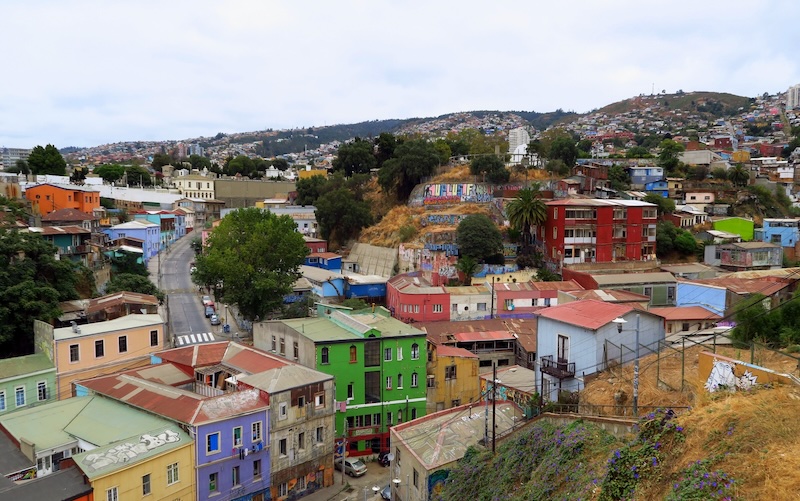
- Valparaíso: About 1.5 hours away — colourful hillside murals, a bohemian port atmosphere and excellent cafés. One of the more satisfying day trips from the capital. Guided day trips are searchable on Stay22 if you’d rather have transport and commentary sorted in advance.
- Cajón del Maipo: The Andes foothills, with good hiking, river rafting and, further up the canyon, the Termas Valle de Colina hot springs. Allow a full day and check road conditions in advance.
- Vineyard tours: Beyond Concha y Toro and Undurraga, Emiliana is worth checking out for organic wines, and Santa Rita has a good family-estate feel. Most vineyards require a reservation, especially on weekends — book ahead to get the best tasting experience. Concha y Toro tours are searchable on Stay22.
Which Neighbourhood to Base Yourself In
| Barrio | Vibe | Why Base Yourself Here |
|---|---|---|
| Lastarria | Leafy plazas, independent cinemas, good restaurant density | Central metro access, walkable to parks and museums, good late-night food options. |
| Barrio Yungay | 19th-century architecture, quieter, under the radar | More affordable guesthouses and a rawer look at the city’s older character. |
| Providencia | Residential, park-lined, well-connected | Good if you’re mixing exploration with remote work — cafés and co-working spaces on most blocks. |
Santiago’s bike-share network has docking stations across all three barrios. A multi-day pass often works out cheaper than daily metro fares if you’re covering a lot of ground — check current rates before you go, as pricing updates periodically. Loading a Bip! card covers both metro and buses and fills the gaps when the budget needs watching.
Nature Detours Near the City
| Escape | Time | Highlights | Getting There |
|---|---|---|---|
| Cajón del Maipo Hot Springs (Termas Valle de Colina) | Full day | Thermal pools in a high Andean canyon with snow-capped peaks overhead. A proper day out rather than a quick hop — allow time for the drive and the soak. | Bus toward San José de Maipo from central Santiago, then local transport further up the canyon. Check current schedules before setting out. |
| Parque Mahuida | Half day | Canopy activities and guided hiking trails in the foothills east of the city. Check what’s currently operating before visiting. | Metro to Los Quillayes, then taxi or rideshare (around 10 minutes) |
| Yerba Loca Nature Sanctuary | Full day | Glacier-fed streams, condor sightings and excellent picnic spots at altitude. | Early bus from Metro Los Dominicos — departure times vary by season, confirm before you go. |
Santiago sits at 520 m above sea level, but the Yerba Loca trails reach 3,600 m. Hydrate consistently, pack layers and start early — the temperature drops sharply once the sun goes behind the peaks.
Budget Snapshot
- Hostel dorm bed (Lastarria area): roughly 18–25 USD per night
- Metro and bus passes (3 days): around 7–10 USD
- Museum entries: typically free to around 10 USD (several major museums are low cost or free)
- Average sit-down meal: around 10–15 USD
- Day trip to a winery (bus + tour): roughly 35–50 USD
- Sky Costanera ticket: around 18–22 USD — check the official site for current pricing before you go
Where to Stay in Santiago
The neighbourhood table above gives the broad picture. Here are three specific properties worth searching at different price points:
- Hotel Singular Santiago — a boutique property in Lastarria, one of the most central and walkable locations in the city. Well-regarded for its design and service, and positioned well for museums, parks and the main sights covered in this guide.
- Cumbres Lastarria Hotel — also in the Lastarria and Bellas Artes area, with a rooftop terrace and contemporary rooms. A good option if you want boutique character without the full luxury price point.
- W Santiago — a larger luxury option in Providencia, well-connected by metro and within easy reach of both the Andes viewpoints and the city’s main dining and shopping areas. Worth considering if you want an international standard with a strong location.
Santiago FAQ
What’s the best time of year to visit Santiago for views and vibes?
Spring (Sep–Nov) and autumn (Mar–May) are the most comfortable — mild temperatures, clear Andean views after rain, and easy city wandering. Summer (Dec–Feb) is lively but can be hot and hazy; winter (Jun–Aug) is crisp, quieter and good for nearby snow trips.
Which neighbourhoods should I base myself in for a first visit?
Lastarria and Bellas Artes are central and walkable for museums, cafés and parks; Providencia is well-connected by transit and good for longer stays; Bellavista is the go-to for street art by day and nightlife after dark. Barrio Yungay is worth adding if you want a slower, more local-feeling base.
How do I get the best city views — San Cristóbal, Santa Lucía or Sky Costanera?
All three are different and worth doing if you have time. Cerro Santa Lucía is a quick historic climb; Cerro San Cristóbal gives sweeping city-and-Andes panoramas (hike or take the funicular); Sky Costanera is 360° glass-enclosed views from the tallest building in Latin America. Arrive about 30 minutes before sunset to watch the city shift from daylight to city lights.
Is Santiago good for street art, and where should I go?
Very much so. Bellavista’s lanes are the natural starting point, and the Museo a Cielo Abierto in San Miguel has 40-plus large-format murals painted across residential towers. Earlier in the day is better for photos; pair it with a local lunch nearby.
Where do I get a quick history grounding?
Start at Plaza de Armas with the Chilean National History Museum, then walk to Cerro Santa Lucía where the city was founded. If you have time for one more stop, the Museo de la Memoria y los Derechos Humanos covers Chile’s more recent past with care.
Where should I try a pisco sour — and what else is worth drinking?
Good pisco sours are easy to find across Lastarria and Bellavista — ask for limón de pica when available for a more fragrant version. For wine, order a carménère by the glass with dinner, then plan a vineyard day trip to Concha y Toro or Undurraga to taste at the source.
What’s the deal with the completo italiano?
A hot dog topped with tomato, avocado and mayonnaise — the colours of the Italian flag. Grab one at a fuente de soda and eat it at the counter. It sounds odd until you try it.
I want to practise Spanish — any low-key options?
The Shamrock Irish Pub runs a language exchange on Wednesdays at 8 p.m. for around $1,000 CLP, with a beer-pitcher raffle at the end. A relaxed way to pick up Chileanismos fast.
Where can I dance or learn salsa in Santiago?
Maestra Vida in Bellavista runs beginner classes early and social dancing later. It’s welcoming to newcomers, and the energy picks up considerably as the night progresses.
What’s the easiest way to get around without a car?
Load a Bip! card and use the metro and buses for most journeys — it’s clean, frequent and affordable. Rideshares fill the gaps late at night, and the bike-share network works well in flat areas during the day.
Any safety or practical notes worth knowing?
Santiago is straightforward to navigate: keep your phone and wallet secure in busy areas, use rideshare after late nights, and bring a light layer for evenings — the temperature drops more than you’d expect once the sun goes. Smog can obscure the Andes on still days; after rain is usually the clearest window for mountain views.
I’ve got one extra day — what’s the best day trip?
It depends on what you’re after. Valparaíso for coastal colour and bohemian cafés; Cajón del Maipo for Andean landscapes, hiking and hot springs; a winery day in the Maipo Valley for tastings and good food. All are easy, full-day trips from the city — book vineyards in advance on weekends.
Street art, history, salsa, and wine?! I’m sold 😉 Great post, Leah! Thanks for sharing.
I’m loving all the South America posts. I’ve spent all my time in South East Asia, and am traveling to South America next week. I’m sure it’s all going to be very different, which I’m very excited about. Keep all the travel ideas coming!
Hey, just a heads-up. If you are serious about spotting Street Art, the place to go is “Yungay” Neighborhood. It’s also a beautiful, traditional neighborhood that maintains the classical identity of XX century’s Santiago, as well as some Colonial buildings.
A plus is that there are nice cafe’s and restaurant’s in the area surrounding the “Plaza Yungay”.
These are great suggestions! We also loved taking a bike tour of the city. We saw some areas we might have missed on our own and learned some history along the way. It was so fun!
The hot dogs were a novelty at first (my husband can never have enough), but after a while I found the food in Santiago to be a bit boring! I vividly remember going to a fine dining restaurant where people were eating sandwiches and fries for dinner…..