
Today I’m sharing some Kyrgyzstan travel tips for any of you adventurous travellers out there currently contemplating a trip!
I just finished 3 weeks of travel in Kyrgyzstan and it’s basically all I can talk about. This was my first time venturing into Central Asia and it was so different from any other place I’ve been to. Kyrgyzstan was rugged, welcoming, mountainous, expanse, thrilling and challenging all the same time.
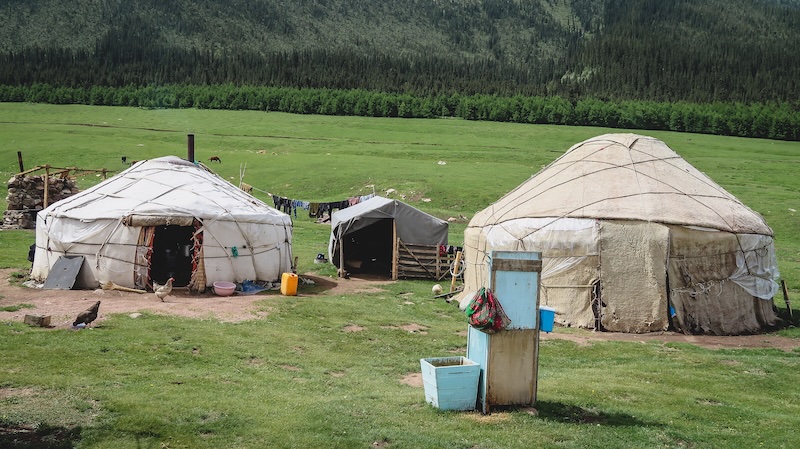
Like most off-the-beaten-path destinations, Kyrgyzstan won’t necessarily be the easiest place to travel around and it will require some flexibility on you as a traveller, but all those little hurdles are completely washed away whenever a family invites you into their yurt, or when you finally reach that pass with views over the valley, or when you get a warm smile for using the one word of Kyrgyz you know.
I’ve already written a bit about attending the World Nomad Games and horse trekking to Song Kol, but today I thought I’d share some practical Kyrgyzstan travel tips to help make your trip just a tiny bit smoother.
Kyrgyzstan Travel Tips
Travel locally with CBT
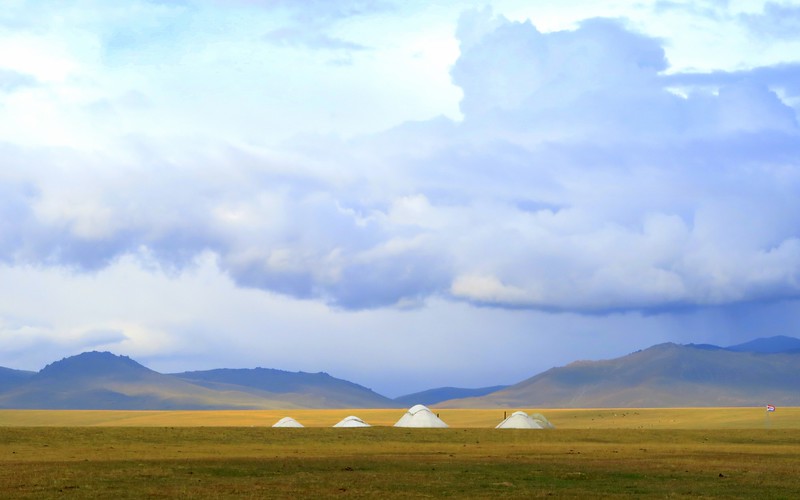
CBT Kyrgyzstan (Community Based Tourism Kyrgyzstan) is all about providing value-packed travel services that utilize local guides and place you with families who can offer a window into Kyrgyz culture through food, music, art, crafts and traditions.
Whether you want to experience an authentic yurt stay with a nomadic family, go horse trekking to Song Kol, hire a driver to take you across the country, or attend a cultural festival, CBT can help you out.
They have branches in major town and cities across the country, so just pop into the one closest to you and they’ll be able to help you sort your travels in Kyrgyzstan.
This is one of my top Kyrgyzstan travel tips for anybody wanting to have an authentic experience connecting with locals.
Plan your travels around events
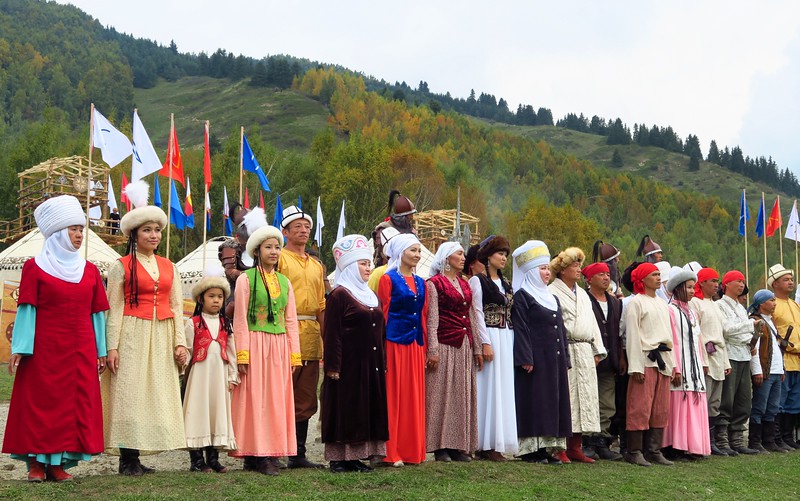
My trip to Kyrgyzstan purposely coincided with the World Nomad Games which only takes place every 2 years, but fret not because there are lots of cool events worth attending through the year.
I’m once again going to direct you over to the CBT website since they have a fairly complete events calendar that features everything from horse games and cuisine celebrations to folklore festivals and hunting demonstrations.
I would suggest planning your travels to coincide with one of these events if possible since it’s a really cool window into Kyrgyz culture, which will allow you to better understand their unique practices and traditions.
Pack for warm and cool weather
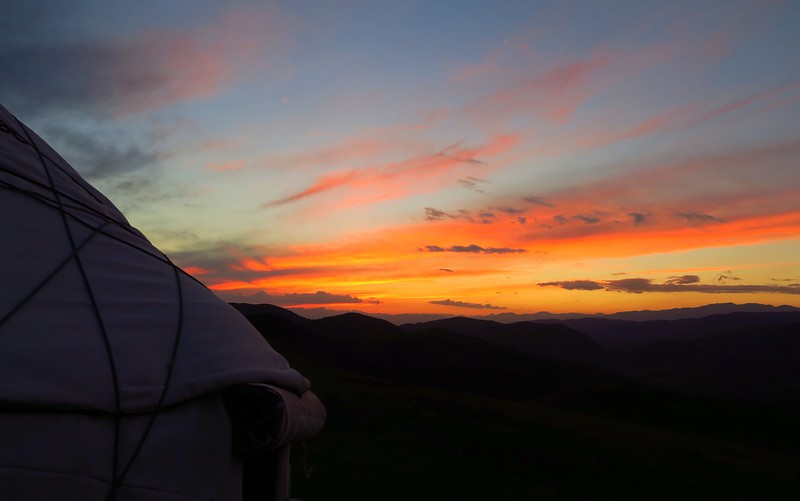
Kyrgyzstan is quite mountainous and the thing about being at high altitudes is that there is a big temperature shift from day to night and the weather can also change rapidly.
By day you may be fine in a light t-shirt, but by night you’ll find yourself putting on every warm layer you own. I would pack a fleece, a rainproof windbreaker, fleece leggings, mittens, and a touque – especially if you’re doing yurt stays.
You’ll also want to bring sunscreen and slather it on even if it’s overcast; it’s so easy to burn in high altitude and you don’t even realize it’s happening until you’re already a lobster.
Keep a flexible travel schedule
So it probably sounds like I’m contradicting myself, first telling you to plan your travels around major events and then suggesting you be flexible, but hear me out.
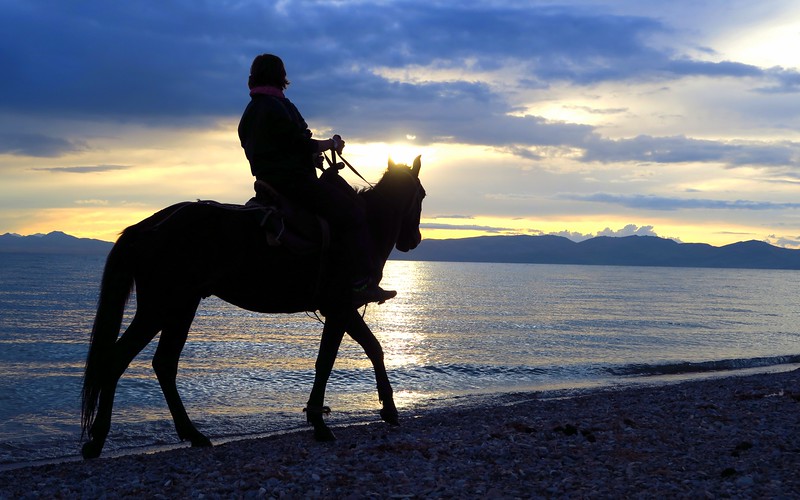
It’s good to lock in your dates for events you don’t want to miss, but it’s also good to keep an open schedule during your travels in Kyrgyzstan because you’re going to get a lot of cool suggestions and insider tips from fellow travellers, and these are worth tracking down!
Maybe it wasn’t on your initial itinerary, but it might be worth detouring to the alpine lake of Kol Suu, or wandering through the ancient walnut forest of Arslanbob, or swinging through Tash Rabat to see a caravanserai frozen in time.
This part of the world draws some pretty adventurous travellers, so another one of my Kyrgyzstan travel tips is to chat with fellow travellers and see where they’ve been and where they recommend going.
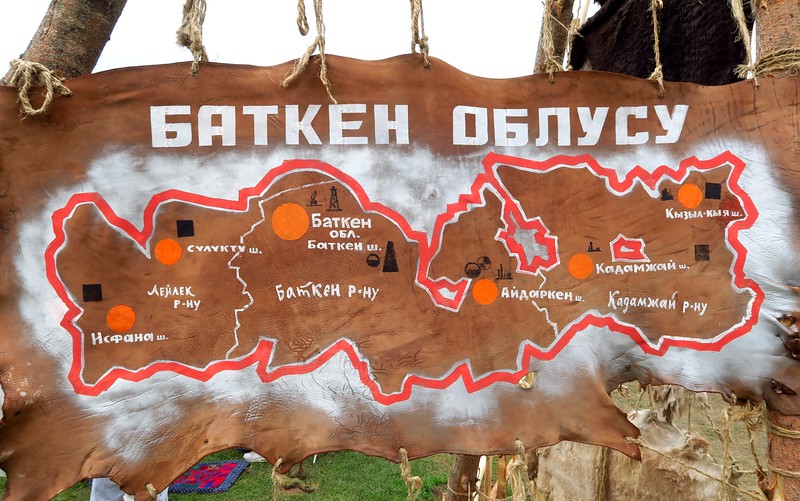
Learn to read the Cyrillic alphabet
Communication can be a bit of a challenge. The official languages in Kyrgyzstan are Russian and Kyrgyz, and while you will encounter English speakers, these can be few and far in between outside of Bishkek.
It’s a good idea to learn to read the Cyrillic alphabet so that you can decipher bus destinations and menus. Aside from that, it’s also helpful to learn a few words of Russian and even Kyrgyz if you’re planning to travel through the more remote areas.
And if you are at all interested in taking Russian language lessons, apparently Bishkek is one of the best places to do so because the accent is pure and the lessons are very cheap!
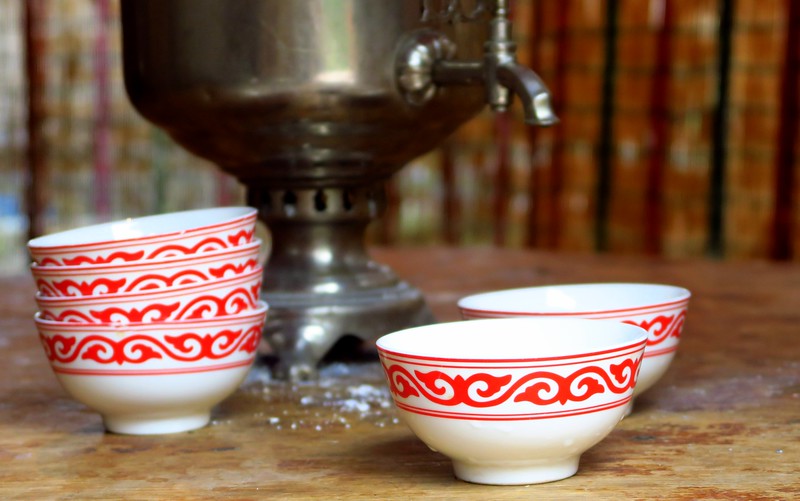
Dive into the local food
Kyrgyz food isn’t exactly widespread outside Central Asia, so here’s a look at some dishes and drinks you’ll want to try:
Plov (плов) – Also known as pilaf or paloo, this is a mixed rice dish that features pieces of meat (usually mutton, beef, or chicken) and shredded carrots. It is cooked in a cast-iron cauldron and it is delicious.
Manti (манты) – These are steamed dumplings filled with ground meat and onions. You can also get vegetarian ones filled with pumpkin or potatoes.
Samsy (самсы) – This is a popular street snack. Picture a flaky pastry pocket stuffed with ingredients which include: chicken, cheese, cabbage, beef, or other fillings.
Lagman (лагман) – This is a noodle dish which can be served as a soup or fried, and it features chopped peppers with a spicy vinegar sauce.
Ashlyam fu (Ашлям фу) – This is a cold and spicy soup that has meat, veggies, cold noodles and starchy noodles.
Besh barmak (бешбармак) – The name of this dish translates to ‘five fingers’ because it is so tasty it is meant to be eaten with your whole hand. It is a plate of steamed noodles and onions with meat, which can be lamb or horse.
Kymyz (кумыс) – Can I offer you a glass of fermented mare’s milk? It tastes nothing like what you’d imagine – it’s salty, fizzy and it kind of reminded me of Korean makgeolli – so give it a try.
Learn to navigate transportation
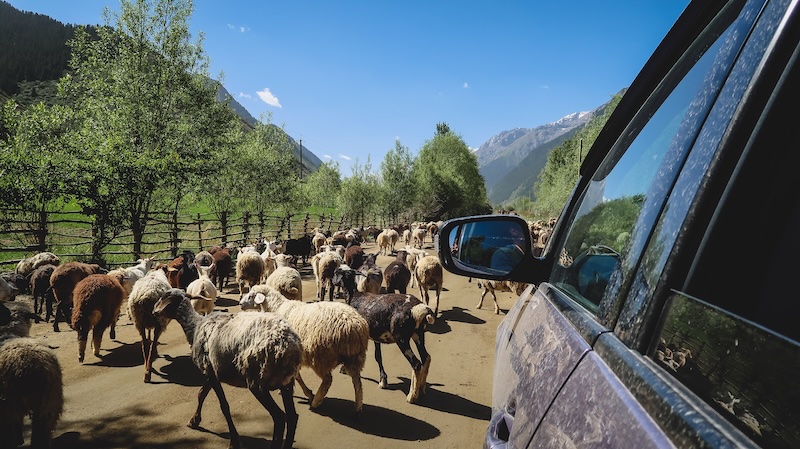
The first mode of transportation you’ll encounter travelling in Kyrgyzstan is the marshrutka. This kind of looks like a large van and it’s a cheap form of public transportation. A ride in Bishkek costs 10 som; you just get in, pay the driver, and you’re on your way.
If you’re travelling longer distances to neighbouring cities, you can either go with a long-distance marshrutkas, a long distance bus, or a shared taxi. You can catch these at the West Bus Station in Bishkek; the smaller Eastern Bus Station is primarily the terminal for destinations within Bishkek or just beyond the eastern suburbs. Estimated costs for rides here.
While I didn’t hitchhike on this trip, I have friends who’ve had success with this, especially travelling in rural parts of the country. Rides could take a while and you may be picked up by a car that’s already bursting at the seams, but it’s all part of the fun…or so they tell me. Drivers may ask you to put a little bit towards fuel, though others may let you ride for free.
And also pack snacks and water because rides in Kyrgyzstan always seem to take longer than they’re supposed to.
Plan for the toilet situation
Ahh, now let’s talk about the bathroom situation, because you’ll want to be prepared for this.
If you’re staying in hotels you’ll get your typical Western-style toilet, however, the majority of bathrooms you’ll encounter will be the squat toilet.
As a piece of advice, toilets at gas stations should be avoided at all costs even if it means finding a bush on the side of the road. If you’re doing rural homestays, you’ll likely be treated to the trough toilet, which is basically a few planks over a deep pit. Step carefully! Most of these toilets will have a door, though you may come across the 3-wall variety with a sweeping view of the mountains while you do your business. For that particular toilet we made it a rule to hang a hat or a scarf on a post outside the toilet to let others know to keep away.
You’ll also want to always carry your own toilet paper and hand sanitizer. Toilets will probably be the most unpleasant part of travel in Kyrgyzstan, but you do get used to it after a while.
Carry cash on you
The local currency is called ‘som’. When I visited 1 USD was at 68 SOM, but this can fluctuate so check the rates before you exchange your money.
ATMs are easy to find in cities and larger towns, but if you’re going to be travelling through rural areas you’ll want to carry cash on you. I would also suggest breaking your larger bills right away as it can be a little difficult to pay with these if you’re just buying small things.
Get out of Bishkek
Bishkek is a pretty cool city to hang out in and take it easy (or get crazy and enjoy the nightlife), but I think Kyrgyzstan truly shines when you get out close to nature. This is a country with a terrain made up of 80% mountains, so go out there and do some hiking!
Putting It All Together: More Practical Detail for Your Kyrgyzstan Trip
The ten tips above are what I’d tell anyone heading to Kyrgyzstan for the first time. Here’s the expanded version — what to pack, where to stay, transport logistics, and a few things I wish I’d sorted out before I left.
Getting Around: Transport Options
| Mode | Use It For | Cost Example | Tips |
|---|---|---|---|
| Marshrutka | Intercity hops up to 6 hours | Bishkek–Karakol 500 som (~€5) | Seat #2 or 3 behind the driver gets the most leg room. |
| Shared Taxi | Remote valleys and flexible timing | Naryn–Ak-Moyun 350 som | Agree on a price per seat before your luggage goes on the roof. |
| Overnight Train | Bishkek–Lake Issyk-Kul (summer) | 600 som couchette | Book at the station; BYO picnic and watch locals move between carriages at sunset. |
| Domestic Flight | Bishkek ↔ Osh, daily | From €25 | 40 minutes versus a 12-hour road slog; splendid view of the Fergana Valley. |
| Chartered 4×4 | Kol-Suu, Kel-Suu, Kol-Ukök | €70–90 per day split 4 ways | Ask the guesthouse to bundle solo travellers together to share the cost. |
Accommodation and Budget
| Category | Som/night | Notes |
|---|---|---|
| Hostels (Bishkek/Karakol) | 800–1,200 | Wi-Fi, lockers, pancake breakfast. |
| CBT Homestay | 1,200–1,600 | Dinner and breakfast included; expect endless rounds of tea. |
| Yurt Stay (Song Kol) | 1,700–2,200 | Price covers horse-picket, thick quilts, sometimes a power bank loan. |
| Wild Camping | Free | Mountain meadows are fair game; leave no trace and bury your toilet paper. |
Daily shoestring budget:
Food 500 som + Bed 1,200 som + Transport avg. 400 som = ~2,100 som (~€22). Splash out on a driver or a hot-spring resort and you’re still laughing compared with most of Western Europe.
Seasons and What to Pack
| Season | Good For | Watch Out For | Pack This |
|---|---|---|---|
| June–Aug | High-alpine treks, festivals, lake swims. | Crowded yurt camps; afternoon hailstorms above 3,000 m. | 4-season tent fly, quick-dry towel, mosquito head-net (Song Kol gnats are ruthless). |
| Sept–Oct | Golden larch forests, grape harvest in Batken. | Nights dip below freezing; fewer marshrutkas running. | Down jacket, merino base layer, spare power bank. |
| Nov–Mar | Ski touring in Karakol and Jyrgalan. | Road closures; long power cuts in villages. | -20 °C sleeping bag liner, portable snow gaiters. |
| Apr–May | Baby foals, carpets of alpine flowers. | Muddy passes, unpredictable rain. | Waterproof over-trousers, gaiters, a good book for tent days. |
Responsible Travel
- Hire locally — CBT offices or Jyrgalan Destination sell guided treks that put money directly into remote valleys.
- Reduce plastic — Bring a water filter bottle or purification tabs; in many villages, shops burn rubbish behind the store.
- Ask before photographing herders — A friendly “Salamatsyzby” and a smile work wonders.
- Don’t bargain homestay moms to the bone — that last 50 som means fresh school notebooks for their kids.
What to Pack
Kyrgyzstan’s landscapes change as dramatically as its weather, and a smart packing list can save your trip. Here’s a full breakdown:
| Category | Essentials |
|---|---|
| Clothing | Lightweight base layers, fleece or down jacket, waterproof windbreaker, fleece leggings, warm hat and mittens (especially for yurt stays) |
| Footwear | Rugged water-resistant hiking boots with ankle support, plus comfortable shoes for village days |
| Tech and Accessories | Universal adapter, power bank, phone and camera with spare battery, reusable water bottle |
| Travel Kit | Quick-dry towel, sunscreen (SPF 50+), lip balm, UPF neck gaiter |
| Toiletries and First Aid | Toilet paper, hand sanitizer, blister kit, medication (altitude, diarrhoea, head cold), basic first-aid items |
| Documents and Money | Passport and copies, travel insurance, cash in small denominations (som), credit card |
| Extras | Daypack, sunglasses, sturdy trekking poles, headlamp, earplugs |
Don’t overlook altitude — bring Diamox (acetazolamide) if you’re sensitive to elevation, and pack hydration powders. High-altitude sun is intense and weather shifts fast in these mountain ranges.
Best Times to Visit
Kyrgyzstan’s beauty comes in peaks and valleys — literally and seasonally:
- Summer (June–August): Warm days, lush alpine meadows, nomadic yurt camps buzzing with activity, and ideal conditions for trekking and horseback riding. Be ready for mid-season crowds.
- Autumn (September–October): Stunning golden landscapes, cool nights, and far fewer travellers. Great for photography and yurt stays before cold weather sets in.
- Spring (April–May): Melting snow reveals wildflowers and rivers run high, but roads can get muddy — waterproof gear is essential.
- Winter (November–February): Remote mountain roads become largely inaccessible. Fine for backcountry ski touring in Karakol and Jyrgalan, but not ideal for general travel.
If attending events like the World Nomad Games, plan 12–18 months ahead — both for timing and accommodation.
Health and Safety at High Altitude
- Altitude acclimatisation: Spend at least one night in a lower town before going higher. Sleep low, hike high — and carry altitude medication if you know you’re sensitive.
- Hydration and sun protection: Sunscreen, lip balm, sunglasses, and 2–3 litres of water per day at elevation are all non-negotiable.
- Food hygiene: Yurt kitchens are clean but basic — carry hand sanitizer and avoid raw salads unless they’re sealed.
- Emergency contacts: Register with your embassy and share your itinerary with someone at home. Mountain roads can be unpredictable.
- Travel insurance: Absolutely necessary. Make sure your policy covers trekking, horseback riding and emergency mountain evacuation. I’d recommend checking out World Nomads — they cover adventure activities that a standard travel policy often won’t.
Kyrgyzstan Travel Tips FAQ
What makes Kyrgyzstan a unique destination for travellers?
Kyrgyzstan offers a combination of rugged mountain scenery, genuine hospitality and authentic cultural experiences that are increasingly rare anywhere in the world. More than 80% of the terrain is mountain, so you can expect breathtaking alpine scenery, yurt stays with nomadic families and adventures that feel far removed from typical tourist circuits.
How can I have authentic cultural experiences in Kyrgyzstan?
Travelling with CBT Kyrgyzstan (Community Based Tourism) is one of the best ways. They connect travellers with local guides and families for yurt stays, horse treks, cultural festivals and homestays. It’s also one of the most effective ways to support local communities financially while getting a genuine window into Kyrgyz traditions, food and music.
When is the best time to visit Kyrgyzstan?
June to October, when mountain passes are open and festivals are running. Summer is ideal for trekking and horseback riding; early autumn brings golden forests and far fewer tourists. For the World Nomad Games specifically, check the CBT events calendar and plan 12–18 months in advance.
What should I pack for Kyrgyzstan?
Pack for warm days and genuinely cold nights — especially if you’ll be at altitude or in a yurt. Essentials: a fleece, windproof rain jacket, warm hat, mittens, fleece leggings, sturdy hiking boots, sunscreen and a power bank. Weather shifts fast in the mountains so layering is the whole strategy.
How flexible should my itinerary be?
Kyrgyzstan rewards being flexible. Lock in dates around specific events you don’t want to miss, but leave breathing room for detours. Some of the best recommendations will come from fellow travellers on the road — places like Kol Suu Lake or the walnut forests of Arslanbob often aren’t on the original plan but turn out to be highlights.
Is it worth learning the Cyrillic alphabet?
Yes — road signs, bus destinations and menus are written in Cyrillic, and English is not widely spoken outside Bishkek. Being able to read the alphabet speeds up transport and ordering considerably. A few words of Russian or Kyrgyz go a very long way in rural areas.
What local foods should I try?
Don’t miss plov, manti dumplings, samsy pastries, lagman noodles, ashlyam fu cold soup and besh barmak — the national dish. Wash it all down with kymyz (fermented mare’s milk) — salty, slightly fizzy and nothing like what you’d expect. Kyrgyz food is hearty and suits the mountain appetite well.
How does transportation work in Kyrgyzstan?
The backbone is the marshrutka — a shared minibus running set routes for low fares. Long-distance travel uses marshrutkas, buses or shared taxis departing from Bishkek’s bus stations. Domestic flights and private drivers work for more remote regions. Always carry snacks and water; journeys take longer than expected as a rule.
What should I expect from bathrooms?
Squat toilets, especially in rural areas and roadside stops. Some homestays have trough toilets — a few planks over a pit. Gas station toilets are best avoided if you can find a roadside bush instead. Always carry toilet paper and hand sanitizer. You adapt to it quickly.
Should I carry cash?
Yes. The local currency is the som, ATMs exist in cities but rural areas are entirely cash-based. Break large bills early — small purchases often need exact change and it can be difficult to pay with anything larger.
Is Bishkek worth spending time in or should I head straight into nature?
Bishkek has a relaxed vibe, good cafés and some interesting Soviet architecture, but Kyrgyzstan genuinely shines once you get out of the capital. With 80% of the country being mountains, the landscapes and the nomadic culture are the main event — use Bishkek as a base to restock and organise, then get moving.
What are the main health and safety considerations?
Altitude is the biggest factor — acclimatise slowly, hydrate well and consider altitude medication if you know you’re sensitive. Sunscreen, lip balm and sunglasses are essential at elevation. Register your itinerary with someone at home, and make sure your travel insurance covers trekking and horseback riding. Mountain roads can be genuinely unpredictable.
Have you been to Kyrgyzstan?
Do you have any other Kyrgyzstan travel tips to share?
This trip was made possible with the support of Discover Kyrgyzstan and USAID. As always, all opinions expressed here are my own.
Amazing! I’ve never even thought about Kyrgyzstan as a destination, but this post makes me want to go there. Your photos are stunning – it looks like the most amazing place. I’m kind of obsessed with remote places, so I’m guessing this would be perfect. And such an adventure. Awesome!
Glad to spark your interest in this destination! If you’re into off-beat adventure travel, this is a great place to start. 🙂
Great post Audrey!
I’ve never been to any of the ‘Stans but I used to live in front of the Uzbekistan Embassy, and they used to wave from their living room window!
Does that count?
Anyhoo! Kyrgyzstan sounds really exciting, so let’s see what the future will bring!
Heehee, your comment made me laugh. That’s one step closer to Uzbekistan! Glad to hear they were a friendly bunch. 😀
It really sounds like an interesting country. Would love to go there one day 🙂
Thank you for a great post 🙂
Thanks for reading. I hope you get to visit someday!
Great post!! Been to Astana once. Kazakhstan might be best known for its nomadic roots, but its new capital city, Astana, is making waves with a surrealist skyline. When the government moved the capital to this small city on the northern steppe in 1997, it was essentially a tiny outpost.
Thanks, glad you enjoyed the post. I didn’t make it to neighbouring Kazakhstan this time around, but I’d love to check out Astana. I’ve seen a few photos of the skyline and it looks so futuristic!
Such a cool destination that no one really ever seems to talk about! Thanks!
When I tell people that I’d love to visit Kyrgyzstan, they either look at me blankly or ask me why go there of all places. I think Kyrgyzstan is the perfect place to go to for meaningful cultural immersions. It sounds like a hospitable place, too! I’m not sure when I’ll be going to Kyrgyzstan, but this guide has given me a clearer idea of what to expect!
Brilliant post, Audrey! It was very nice to learn a few previously unknown facts. Thanks for sharing! I look forward to reading more posts like these! Cheers
As a part-time resident of Kyrgyzstan, this really is a solid run-down of the country for travelers. Awesome job, Audrey!
Hi Audrey,
Would you recommend this destination for solo female travelers? ie,, is it safe and accommodating?
Hi Jennifer, I felt very safe in Kyrgyzstan and while I wasn’t travelling solo, I did meet several female travellers along the way. I think this is a great destination for anyone who enjoys the outdoors and has an adventurous spirit.
My husband and I are planning our trip to the stans this summer. We are hoping to do at least 1 week in each country – Kazakhstan, Kyrgyzstan, Uzbekistan and Tajikistan. Thank you for the great information which will help immensely in planning our trip!