
Peru is one of those countries that I keep coming back to again and again. Part of the reason is that I have family there, but the other reason is that there is so much too see and experience. No matter how much time I spend in Peru – I’ve been there 3 times in the last 2 years alone! – I still keep finding new places to add to my bucket list.
Some travellers quickly skip through Peru only making time to visit Cuzco and Machu Picchu, but there is so much more to this country than Inca ruins. Today I’m going to share my 1-month Peru travel itinerary, which to be honest, I feel barely skims the surface and only touches on some of the country’s main highlights, but you have to start somewhere! Consider this travel itinerary an introduction to Peru and if you enjoy the country as much I do, then you can always plan a return and head into the more remote and harder to access regions. Now here’s a look at how to spend 1 month in Peru.
Peru Travel Guide: Things to Do, See, Eat, Drink & Experience in Peru!
Lima (3 Days)
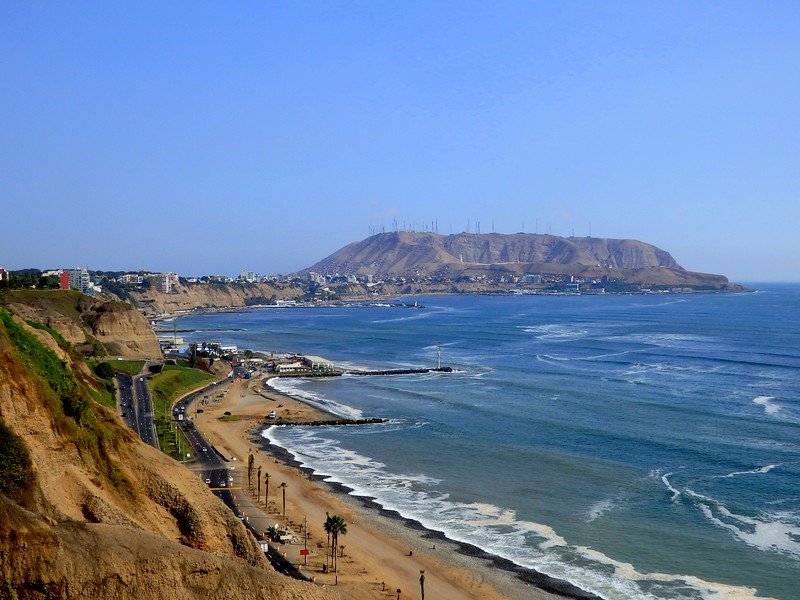
Let’s start in the capital, Lima, since that is where you’ll likely be flying into. Lima is the second most populous city in all of South America and it can be a bit overwhelming if you don’t know where to go. People will often tell you to skip it entirely and just continue on to Cuzco, but I like Lima and I think it has quite a bit to offer, so I’m going to try to convince you otherwise.
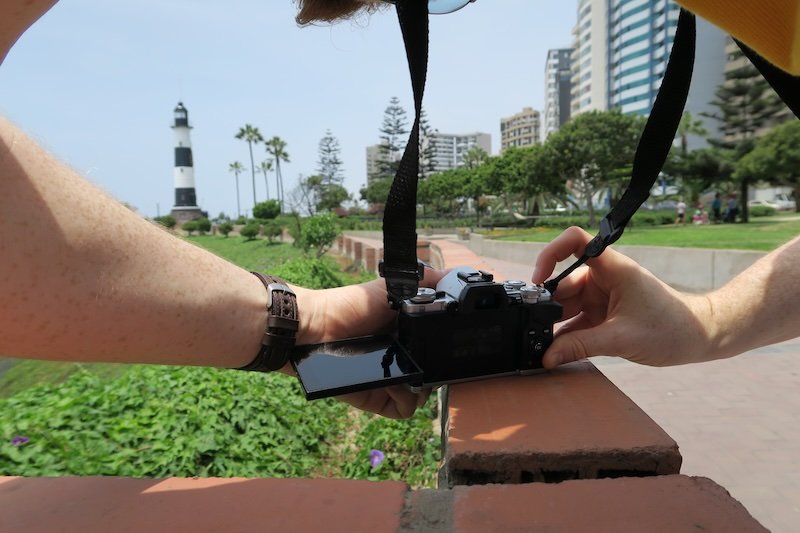
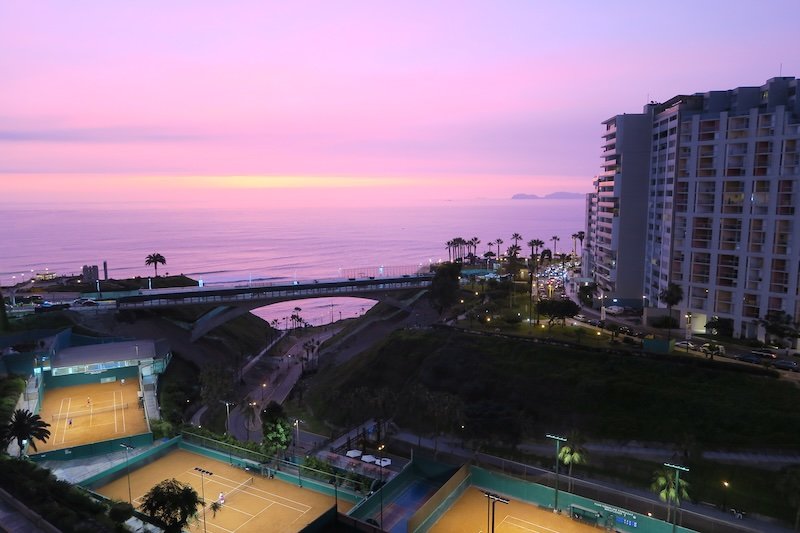
There are 3 neighbourhoods, which I think are great for first-time visitors: Miraflores, Barranco and Centro. Miraflores is located along the water and it is an affluent neighbourhood with seafront properties, beautiful parks and lots of great restaurants. Here you’ll want to visit El Parque del Amor, shop at the Hippie Fair in Parque Kennedy, and if you’re feeling brave you can even try paragliding.
Barranco has more of an artsy bohemian flair and it’s also known for its nightlife. In Barran, o you’ll want to enjoy all the street art, walk across the Bridge of Sighs, and pop into the various museums and art galleries.
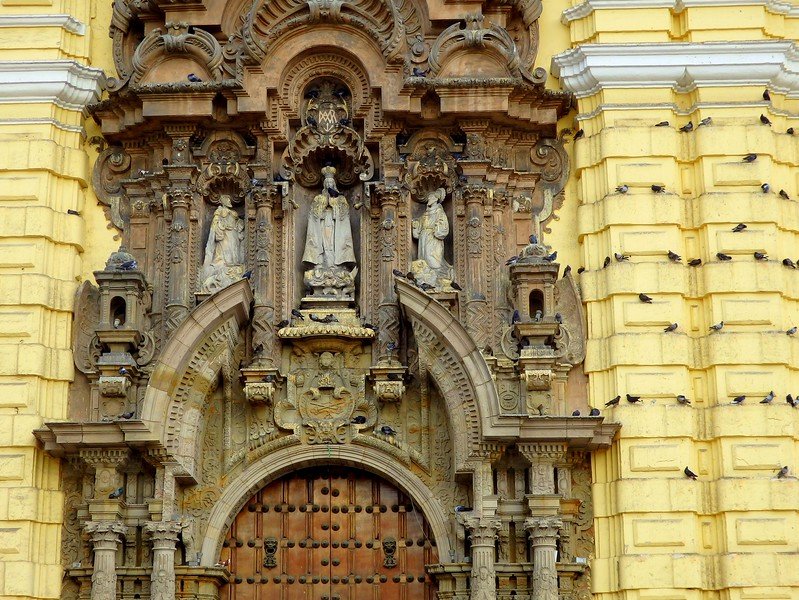
Lastly, in Centro you can visit Plaza de Armas, tour the catacombs inside the San Fracisco Monastery, and watch the changing of the guard at the Presidential Palace. And that is just a quick introduction; you can read this other article for more ideas of things to do in Lima and this other one will give you ideas of easy weekend trips.
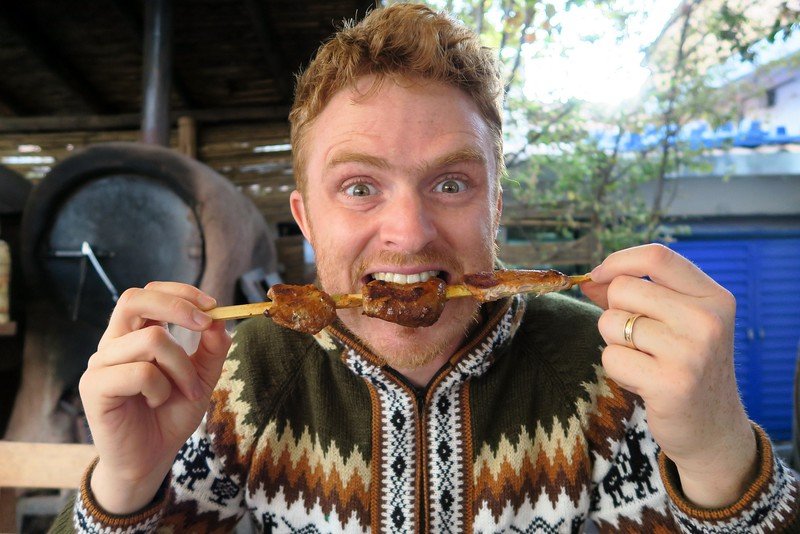
Now let’s move on to the food. Since Lima is on the coast, you’ll have to sample ceviche, a raw fish dish that has been cured in lime, and is served with corn, sweet potato, and red onions. It is delicious and a must try! If you’re more adventurous, then go for anticuchos, which are grilled meat skewers (typically cow heart!) served with a side of corn. I know it sounds a bit strange, but it tastes just like steak.
Where I stayed in Lima:
I usually stay with family when I visit Lima, but regardless, I would recommend staying in the neighbourhood of Miraflores. Located right by the seaside, this is one of the nicest areas in the city, plus you also have easy access to Barranco and plenty of tours into the historic centre. There are plenty of hotels, hostels and guesthouses in this neighbourhood, plus AirBnB has a great range of properties, and if it’s your first time using it, you can get a $40 discount code here.
Cuzco (3 Days)
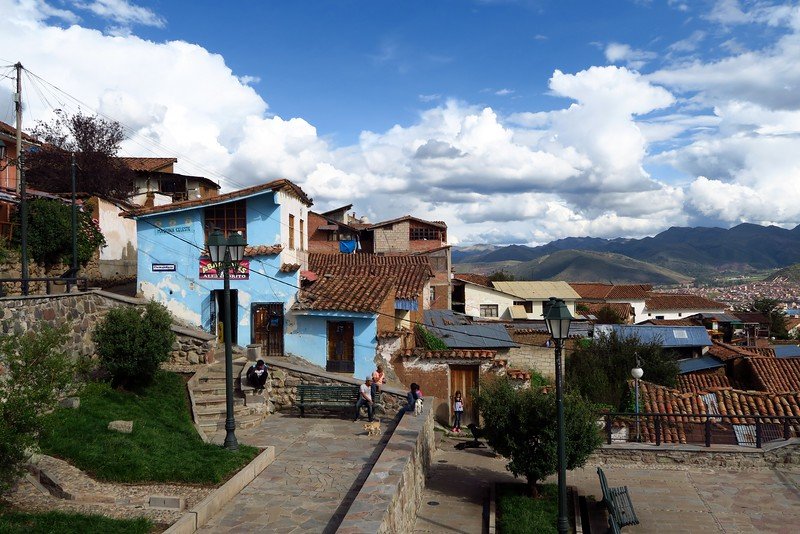
I would suggest spending at least 3-4 days in Cuzco since the first two days will likely be a write off depending on how well you handle altitude sickness. When you fly into Cuzco, it’s recommended that you spend your first day resting and that you follow that up with some light sightseeing on the second day. Some people aren’t affected by the altitude and can hit the ground running, but I’ve seen other people be standing one minute and then hit the ground like a sack of potatoes the next, so it’s better to take precautions.
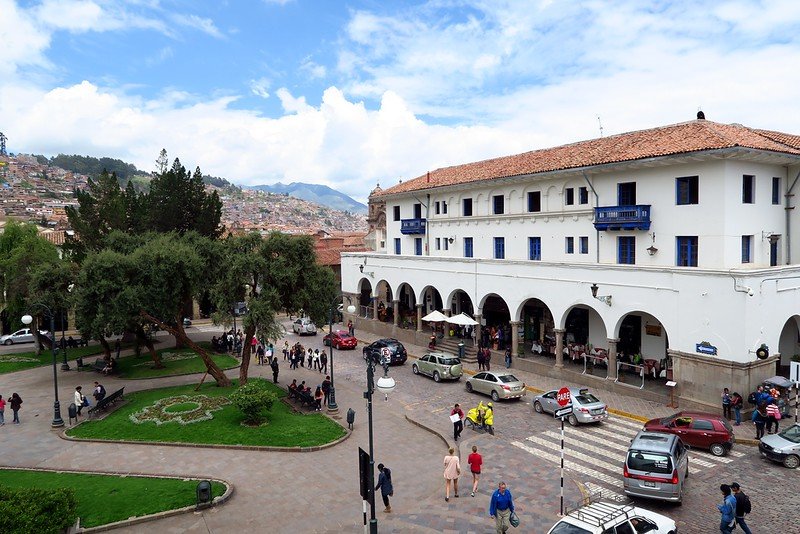
Once you’ve been able to acclimate, it’s time to start exploring and luckily there’s plenty to see and do in Cuzco. Some of the main sights in Cuzco include: Qorikancha, the most important temple in the Inca Empire which was dedicated to the Sun God; Plaza de Armas, the main square where you’ll find Cuzco Cathedral; the Pre-Columbian Art Museum, which houses an art collection in a mansion-turned-convent; and the Inka Museum, which showcases gold-work, pottery, textiles, and even mummies.
For those with a bit of a sweet tooth, you may be interested in the ChocoMuseo, which covers the history of chocolate, and the Pisco Museum, which is a bar that offers pisco tastings.
Foodwise, the cuisine in Cuzco is quite different from what you’ll have experienced in Lima. We found the meals to be a lot heartier. Some traditional dishes you may want to sample include: chairo, a thick soup made with lamb and vegetables; alpaca skewers, very tender cuts of alpaca meat cooked over the grill; and guinea pig, which is usually served roasted (be prepared to get the whole animal on your plate!) Dishes feature a lot of potatoes, corn, and various root vegetables, and coca tea is a staple at every meal.
Where I stayed in Cusco:
While in Cuzco I stayed at Tika Wasi, which is a boutique hotel that sits on the neighbourhood of San Blas overlooking the city. It was a peaceful setting with a cool courtyard and plenty of lounging space, and I also liked that each of the rooms had its own unique design. It was a 7-minute downhill walk into the town, and I feel like this helped us train for the Inca Trail!
Sacred Valley (2 Days)
Keep in mind that you can also take various day trips from Cuzco. Some of your options include: Maras Salinas, the famed terraced salt flats; Pisac, a small town known for its huge Sunday market; Ollantaytambo, the place where the Incas retreated after the Spanish seized Cuzco; and Moray, an agricultural laboratory known for its round terraces where the Incas were able to cultivate resistant varieties of plants high in the Andes. Alternatively, you could book yourself on a full-day tour of the Sacred Valley which hits some of these as well as other sites along the way. Whichever way you do it, the Sacred Valley is a place that you should definitely tack on to your Peru travel itinerary.
Inca Trail + Machu Picchu + Aguas Calientes (3 Days)
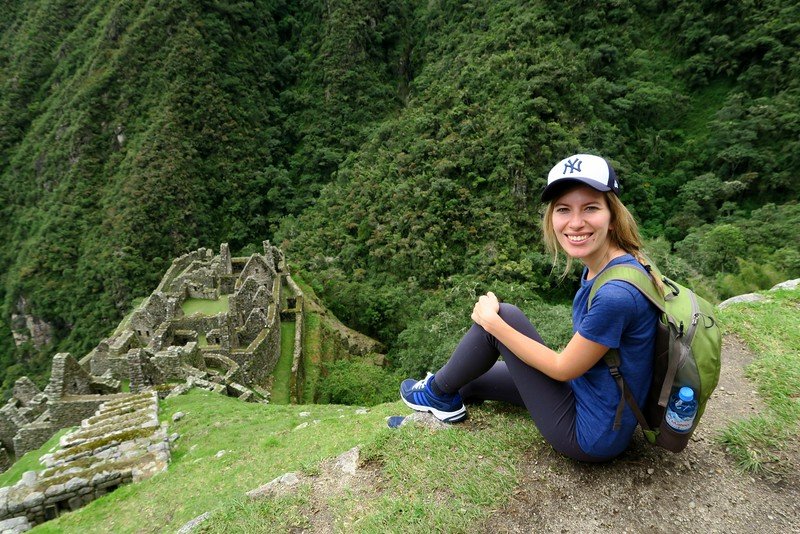
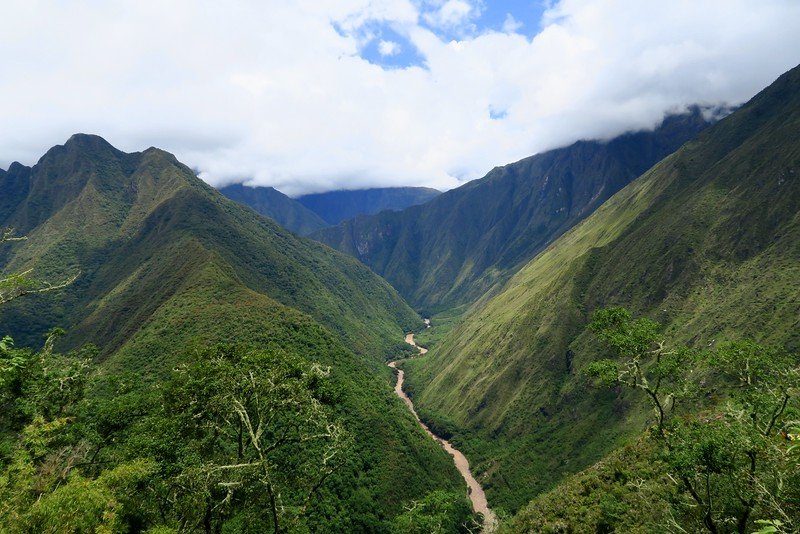
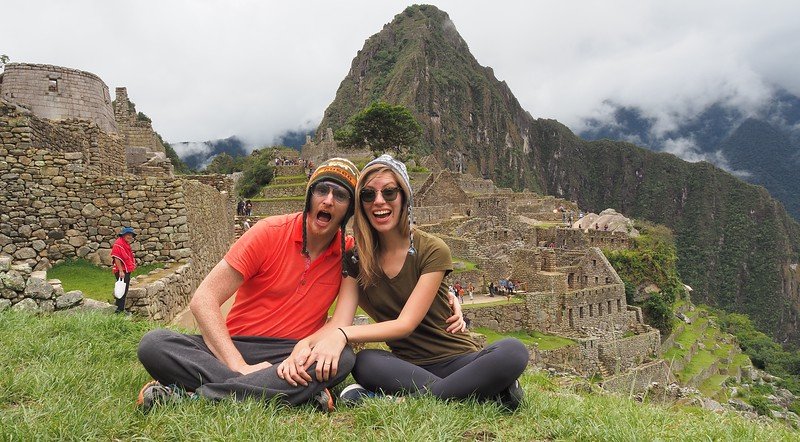
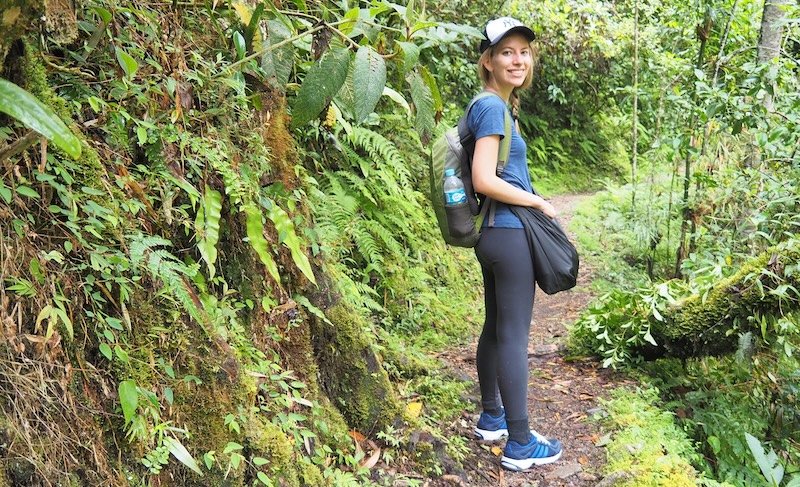
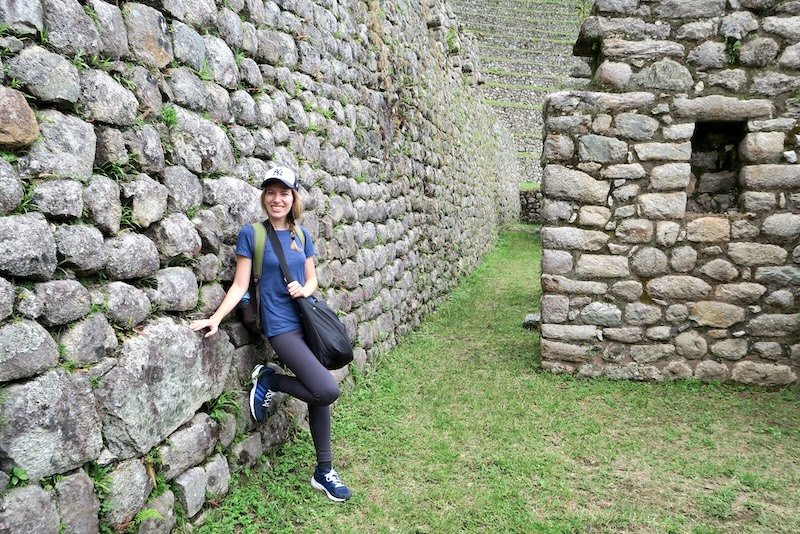
We did the 2-day Inca Trail to Machu Picchu and it was hands down one of the coolest adventures of our visit to Peru. Our first day involved a full day of hiking, and then the second day we had a guided half-day tour of Machu Picchu where our guide brought the city to life with his storytelling. We then had free time that afternoon, so Sam and I spent that time filming and taking pictures.
If you’re walking the Inca Trail or spending more than one day visiting Machu Picchu, then you’ll end up spending at least one night in the town of Aguas Calientes. If you’re feeling sore from all the hiking, you can enjoy a soak in the hot springs that give the town its name, or you could treat yourself to a massage. Alternatively, there are a few easy hikes from Aguas Calients, or you can shop for crafts and souvenir at Mercado Artesanal. Lastly, if you really want to treat yourself to a good meal, head straight to El Indio Feliz, which is run by a French cook who knows how to combine French and Peruvian cuisine to create a culinary masterpiece.
Where I stayed in Aguas Calientes:
In Aguas Calientes, we stayed at Terrazas del Inca which sits right by the river. All I remember is that the hotel had really hot showers and a super comfortable mattress, which was greatly appreciated after all that hiking. They also had a really hearty breakfast, which we gladly gobbled at 4:30 in the morning before heading over to Machu Picchu.
Puno (2 Days)
I have to admit, Puno was not one of my favourite stops in Peru, however, if you want to do one of the overnight Lake Titicaca tours there’s really no other way around it. We ended up spending one night in the town before our tour and another night after. During that time we managed to visit the main square, shop along the pedestrian street, and eat at a few different restaurants. Here’s a look at what to pack for Lake Titicaca if you’re doing an overnight stay.
Where I stayed in Puno:
After one awful night at Duque Inn, we checked ourselves into Hotel Hacienda Plaza de Armas which is located right on the main square and it was worth the small splurge. The rooms were very comfortable, the staff was incredibly helpful, and the location was much more central as opposed to the former property which was located up a very steep hill.
Lake Titicaca (2 Days)
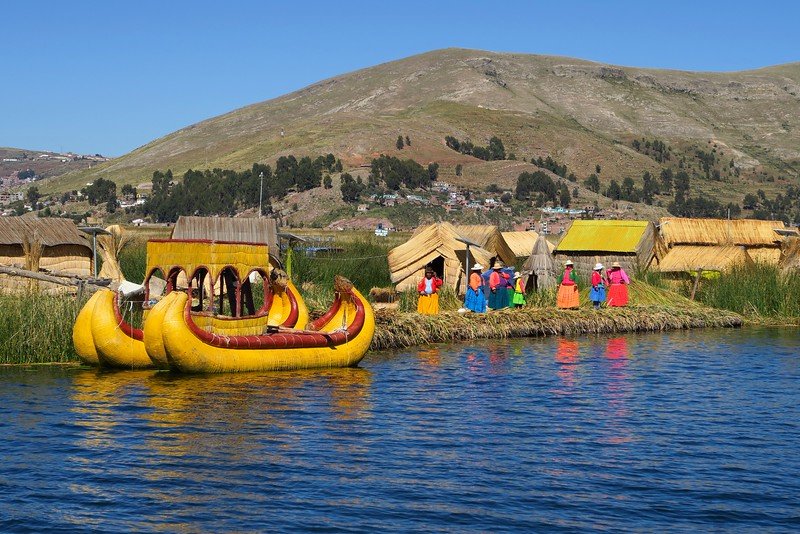
When it comes to visiting Lake Titicaca, you can choose between a day tour or an overnight tour that includes a local homestay. The day tour only takes you as far as the reed islands which are settled by the Aymara, whereas the overnight tour takes you a bit further to some of the island communities settled by the Quechua.
We opted for the 2-day overnight tour (you can do longer ones) which took us to a total of 3 islands: Uros, Amantaní, and Taquile.
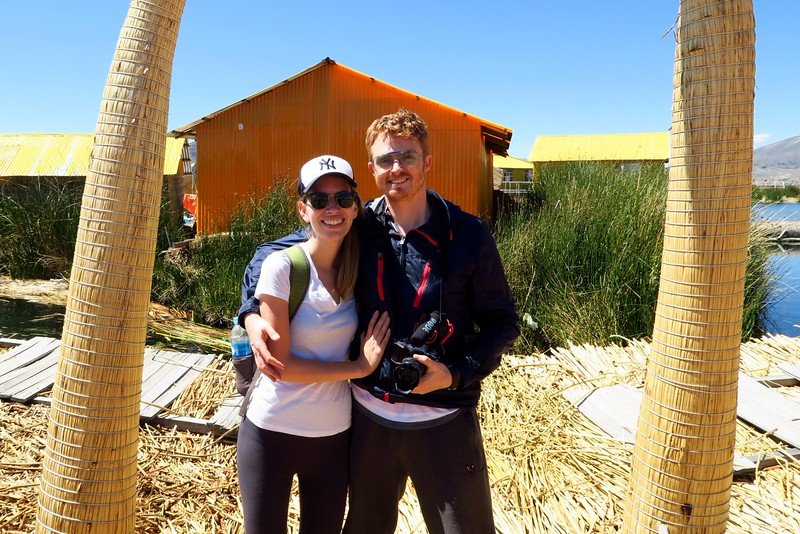
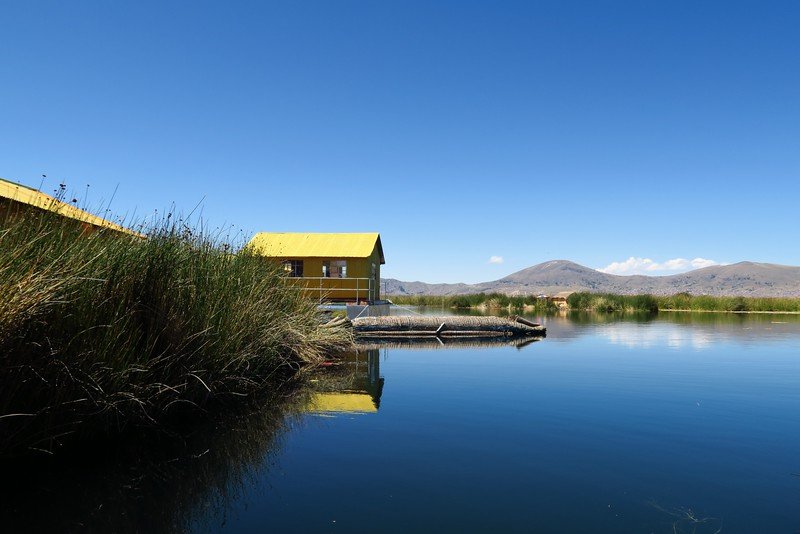
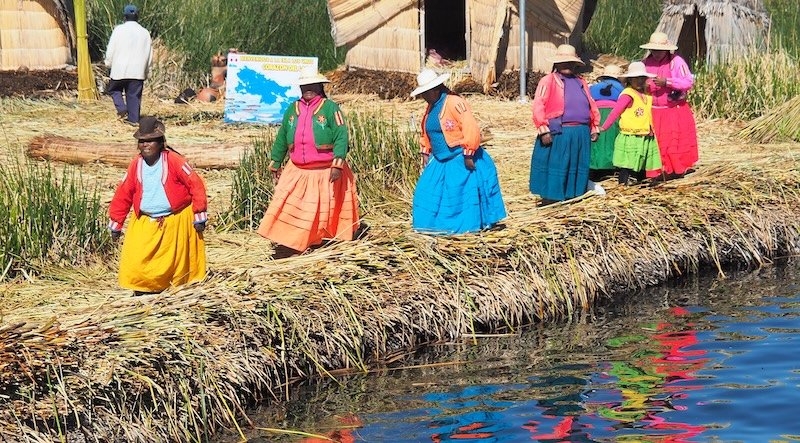
In Uros, we visited a reed island called Corazon del Lago, where we met the families who live there and learned about their daily life on a floating island. We had an interpreter with us the whole time, which allowed us to ask the types of questions that cross every visitor’s mind: Where are the bathrooms? How do you have electricity? Isn’t it dangerous for young children to live so close to the water? The answers: They now have outhouses. Solar panels have been installed. And children learn to swim at a very young age.
The second island we visited, Amantaní, was my favourite since we got to stay with a host family and this gave us a unique glimpse at their culture and way of life. Our host mom cooked us a delicious lunch, then we did some hiking in the afternoon, we later had a delicious dinner which was also prepared by our host mom, and after that, we were taken to the local community hall for some music and dancing.
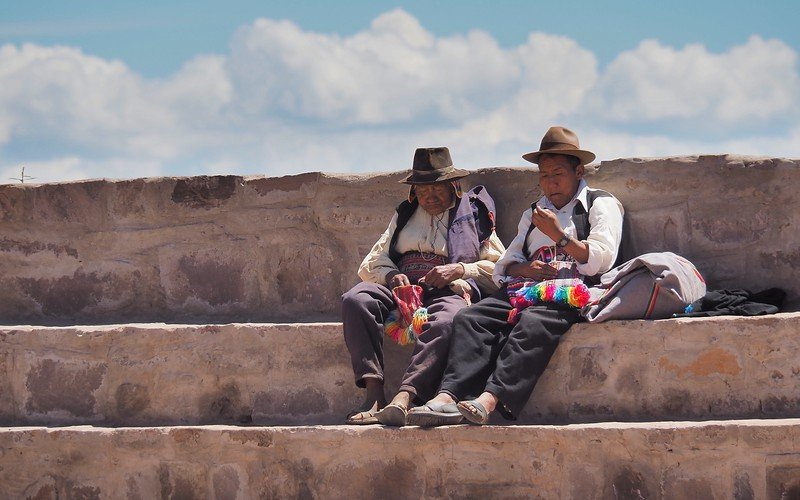
On our final day, we hiked around Taquile, which is an island with UNESCO status for its “Masterpieces of the Oral and Intangible Heritage of Humanity”, namely handwoven textiles and knitting. It was also fascinating to watch our guide interpret the local dress for us; the way men wear their hats can indicate whether they are happy, sad, having an average day, single, married, or an authority figure in the community. That’s a lot of meaning based on the way you wear a hat!
Where I stayed on Lake Titicaca in Peru:
During our tour, we stayed with a local family on the island of Amantaní. We booked our tour through All Ways Travel and once we met our guide, she gave us the option of doing a rustic homestay (no electricity and outhouses) or a more modern homestay (electricity and toilets with running water).
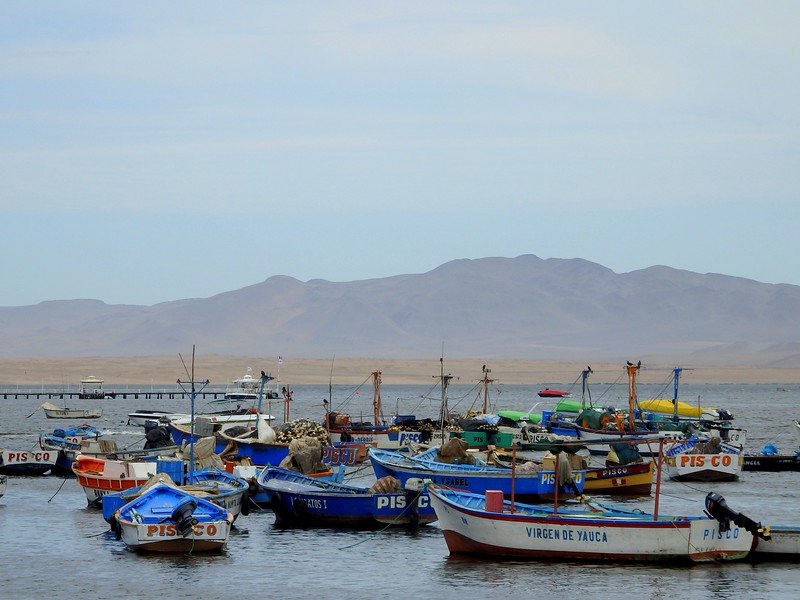
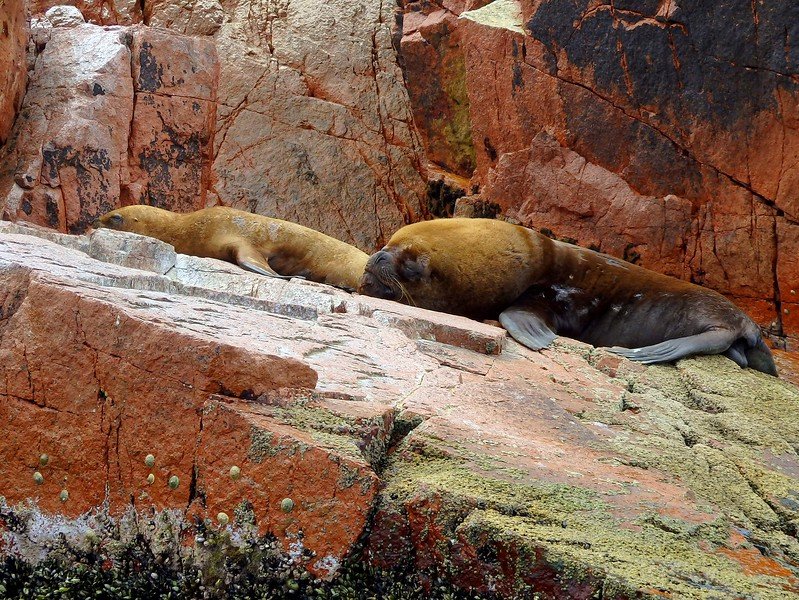
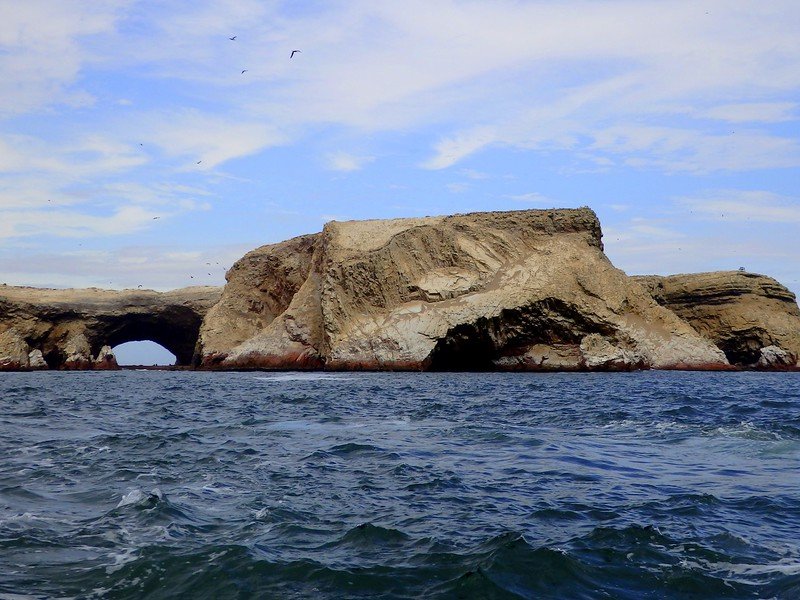
Paracas + Islas Ballestas (1 Day)
If you’re doing a big trip around South America but you don’t have time for the Galapagos Islands, Peru’s Islas Ballestas are often said to be the next best thing; and while they may lack the size and diversity of the Galapagos, the Peruvian islands are an important sanctuary for wildlife plus they do give you a chance to see animals in their natural habitat.
The boat trip from Paracas to Islas Ballestas is just 24 kilometres and it is 30 minutes each way with one hour of sightseeing in between. We got to see a lot of really cool animals including Humboldt penguins, sea lions, sunfish, pelicans, cormorants, terns and more.
If you suffer from motion sickness this may not be the best excursion for you since the waters can be a bit choppy, but otherwise, it’s a nice way to break up the journey down to Huacachina.
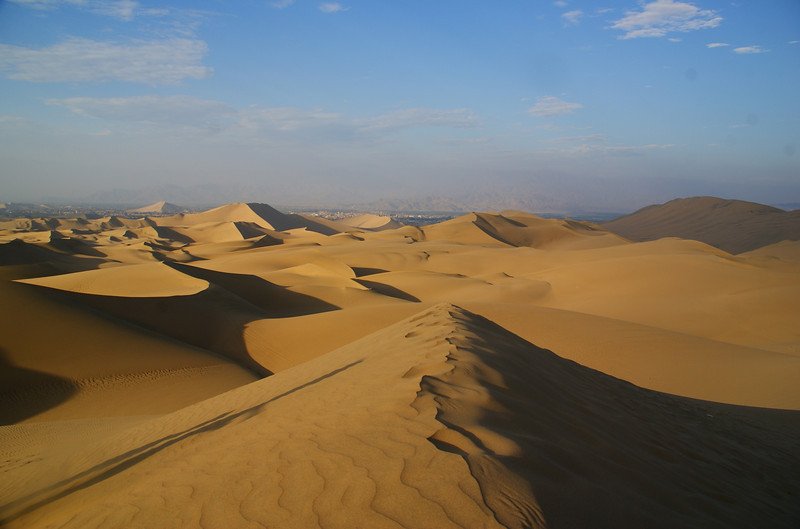
Huacachina (2 Days)
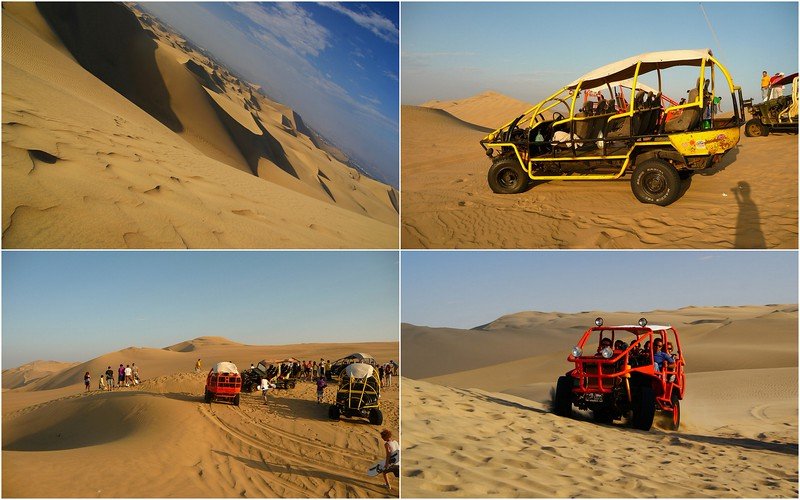
So I only visited Huacachina as a day trip, but once I got there I was wishing I had booked something longer since it’s such a cool destination. Huacachina is a tiny oasis in the middle of the desert; you have a green lagoon surrounded by palm trees, and around that you have a small village that only stretches a few streets back. The place has a very laid-back hippie vibe, and if you’re tired from your travels, this is a great place to just relax.
There are two main activities in Huacachina: sandboarding and dune buggy riding. We tried both. The steep dunes make this the perfect playground and it really felt like we were on a rollercoaster. We booked our tour through a hostel once we arrived in town, and we were out on the dunes within 10 minutes. Our driver also had boards in the buggy, so after tossing us up, down and around, he finally parked atop one of the steepest hills and let us try our hand at sand boarding. Apparently, sandboarding can be a little tricky if you don’t have any previous snowboarding experience, so I ended up sliding down headfirst on the board. Yes, it was terrifying, but it was also a blast!
If you’re looking for something a bit tamer, you can rent paddle boats to take out on the small lagoon, or you can hike up the dunes to watch a killer sunset.
Ica (2 Days)
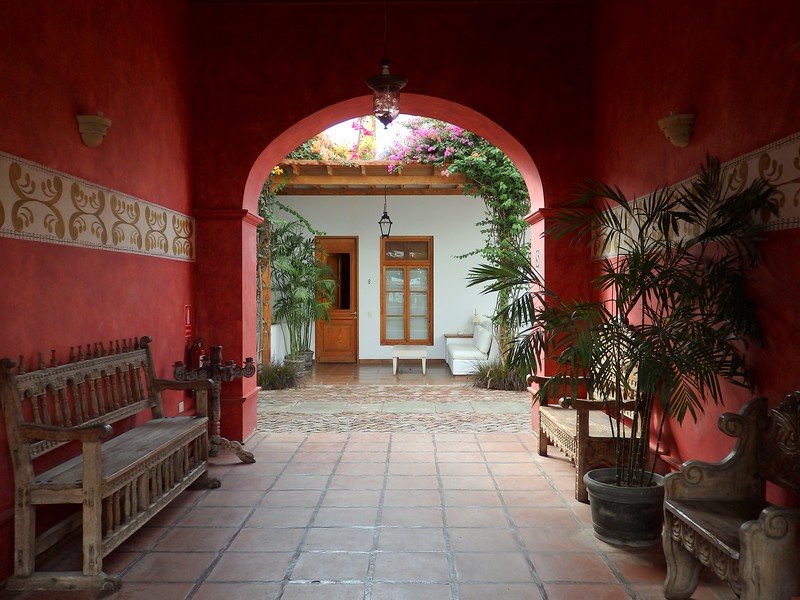
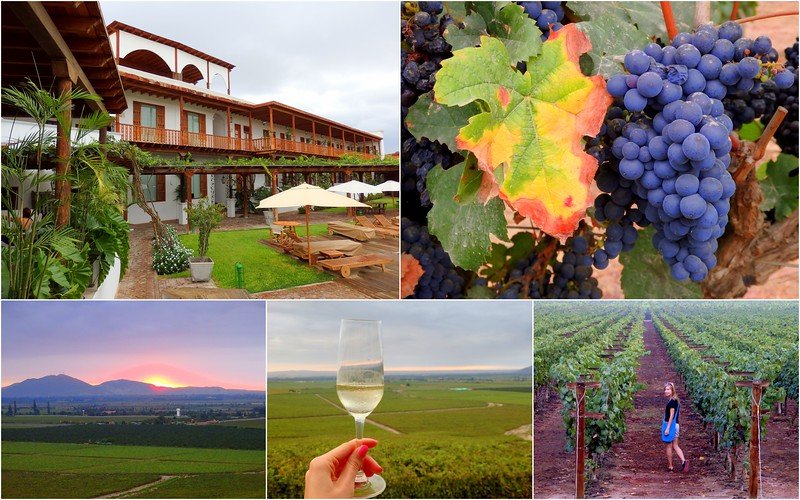
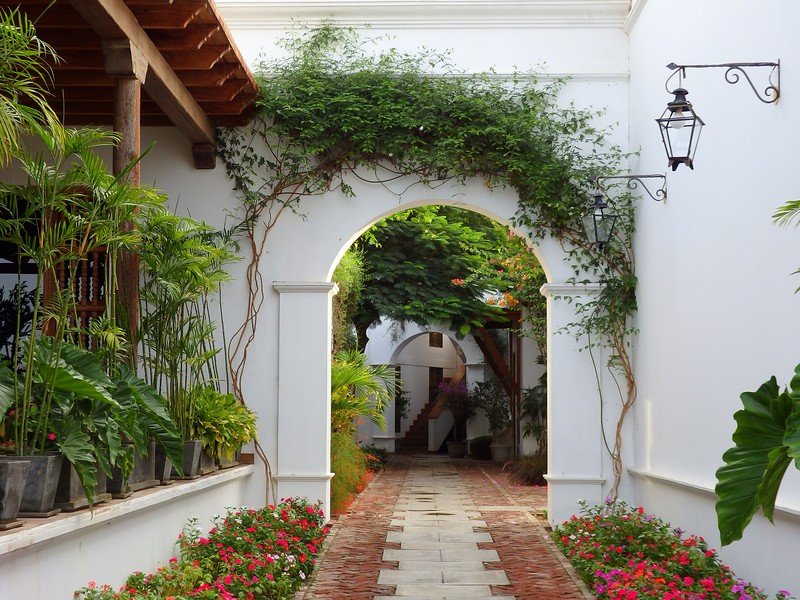
If you’re already going to Huacachina, you may also want to consider adding a couple of days in Ica to your Peru travel itinerary. While Ica itself is far from being a beautiful city, the area is home to many vineyards and wineries, and once you’re in the outskirts of Ica it’s a whole different world. If you’re looking for a bit of a luxury weekend where you can unwind and relax, this may well be the place for you.
Sam and I booked ourselves in at Viñas Queirolo and we basically stayed on the premises all weekend. We went on a vineyard tour, attended wine tastings, and ate at the in-house restaurant which had some of the most beautiful plates of ceviche I have ever seen in my life.
Where I stayed in Ica:
We stayed at Viñas Queirolo, which is in the outskirts of Ica. It’s a beautiful property and well worth the splurge for a night or two.
Iquitos (2 Days)
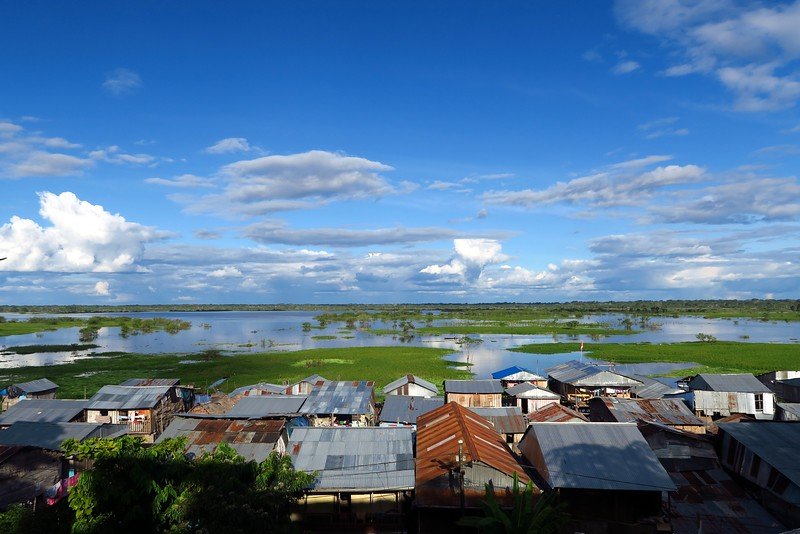
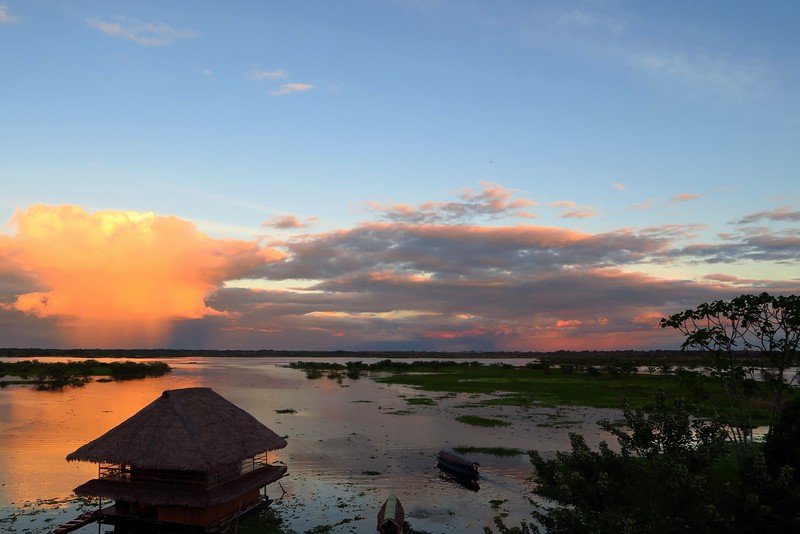
Iquitos marked the start of our trip into the Peruvian Amazon, and again, while many people tend to skip over this city, I enjoyed having a few days to experience it. Here you can visit the stilt village of Belen, stroll along the promenade at sunset, enjoy the colonial architecture, or cool down with a drink at one of the many riverfront cafes on Malecon Maldonado. You can read the following article for some ideas of things to do in Iquitos.
Since Iquitos is in the heart of the jungle, the food is quite different from what you’ll have experienced along the coast or in the sierras. The majority of the dishes here feature fish, rice and tropical fruits. If you’re a foodie, you may want to sample: tacacho y cecina, roasted plantain balls served with a side of dry pork meat ; juane, a steamed dish made of rice and chicken cooked inside a giant leaf; and patarashca de paiche, a large freshwater fish which is steamed in a leaf.
Where I stayed in Iquitos:
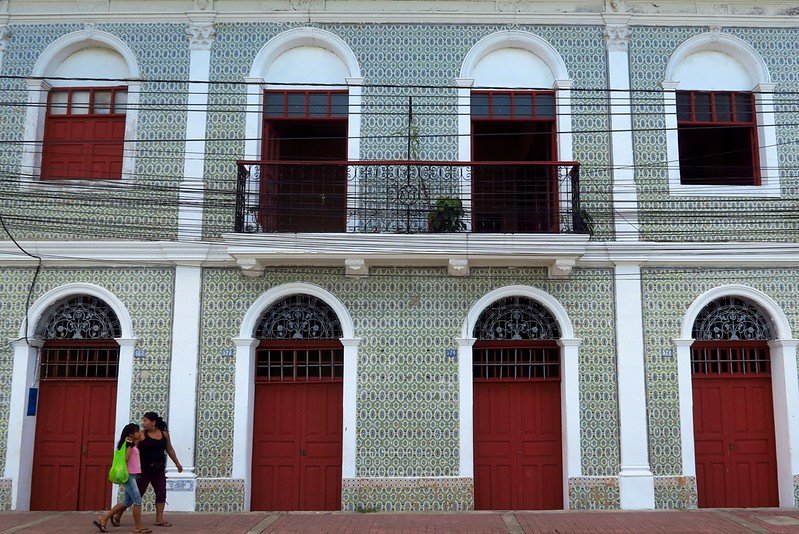
While in Iquitos I stayed at the Epoca Hotel, which is a beautiful heritage property right on the shores of the Amazon. The hotel has a colonial hacienda feel with tall ceilings, iron balconies, and a beautiful tiled exterior. Also, the staff was incredibly friendly and helpful, so I can happily recommend them.
Amazon (6 Days)
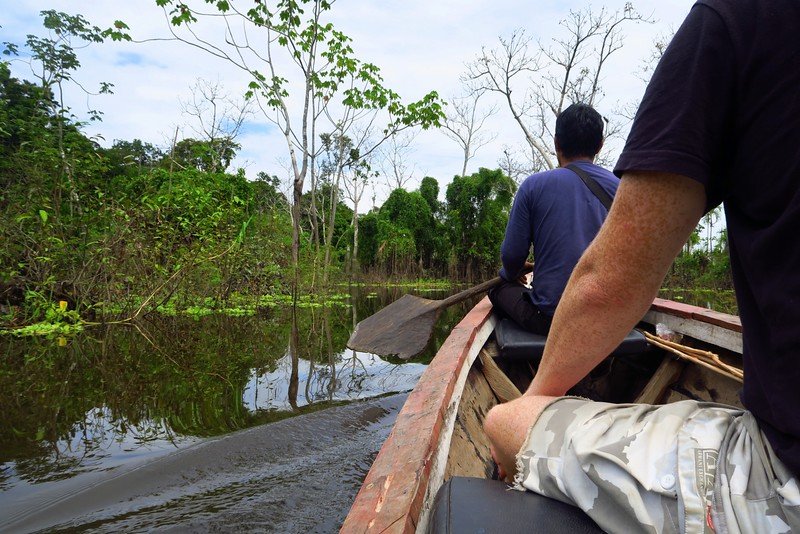
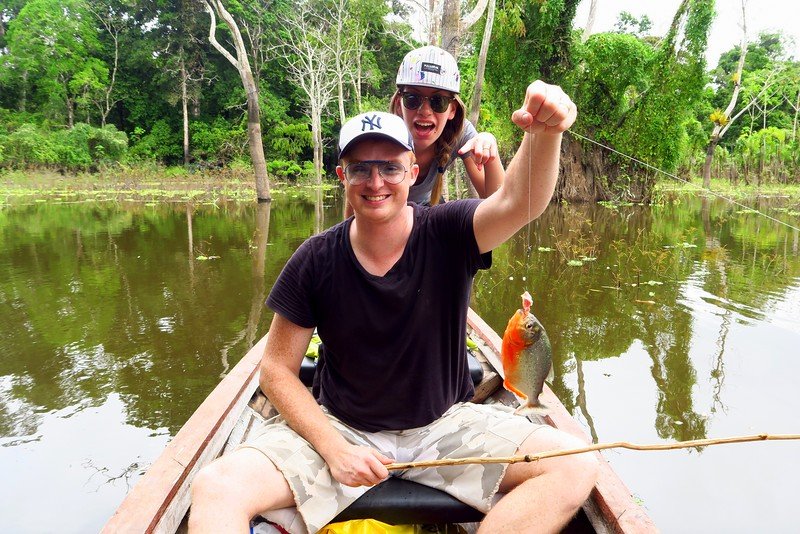
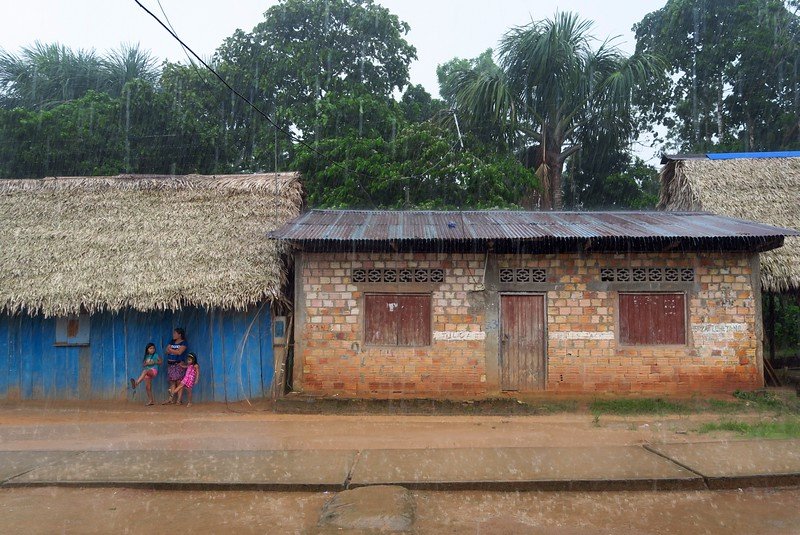
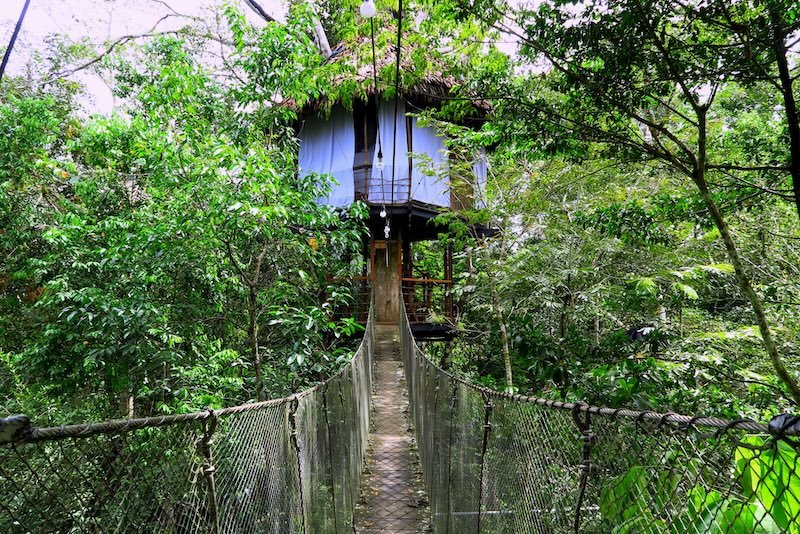
Our visit to the Amazon started out with a treehouse stay in the middle of the jungle. We booked 2 nights at the Treehouse Lodge, and it was one of the coolest experiences ever. When we weren’t hanging out in our cool treehouse, we were going on wildlife excursions, fishing for piranhas, or visiting local villages. If you’re adventurous and want to live up in the trees a la Jane and Tarzan, this is a cool experience to consider.
After our treehouse stay, we did a 4-day cruise on the Amazon River which saw us travelling up and down the mighty river. Once again, there were plenty of excursions to keep us busy. We went kayaking along the tributaries, did a canopy walk across a series of hanging bridges, and saw all sorts of wildlife. This was one of those lifelong bucket list experiences and a must add to your Peru travel itinerary!
Where I stayed Treehouse Lodge / Boat:
I spent the first two nights at the Treehouse Lodge and from there I spent the next 3 nights aboard the Delfin I. If you’re thinking of doing both, I would suggest doing the treehouse stay first since it’s a more rustic experience, and then finishing things off with a the cruise since that offered a bit more pampering. Also, here’s a look at what to pack for your trip to the Amazon.
One month in Peru
So that brings us to a grand total of 28 days of travel around Peru. Tack on a few transportation days, including flying and out of the country, and you’ve got yourself a whole month dedicated to exploring some of the gems Peru has to offer. Like I mentioned earlier, I feel this itinerary barely scratches the surface and it only focuses on some of the better known destinations in the country, however, it does cover a mix of cities and rural areas, as well as destinations along the coast, sierras, and jungle. I hope this one month Peru travel itinerary will help whet your appetite and hopefully you’ll be back for more!
Planning Your Month in Peru: Practical Notes From the Road
Having spent so much time in Peru — I genuinely lose count of the visits — I’ve accumulated a lot of practical knowledge about how to make a trip here actually work. What follows are the planning layers I wish I’d had clearly laid out before my first visit: when to go, how to order your stops for altitude, what things realistically cost now, and the booking timelines that can make or break an itinerary if you get them wrong. Peru rewards preparation more than most countries I’ve visited.
When to Go (by Region)
Peru is three very different countries in one trip. The coast, the Andes, and the Amazon each have their own weather logic, and they don’t always align:
- Coast (Lima, Paracas, Ica, Huacachina):
Best: Dec–Apr — warm, sunny, and the sea is inviting. Garúa season: Jun–Oct — a low grey fog sits over Lima that can last for months. Still completely visitable and less crowded; just bring a sweater and manage your expectations about blue skies. - Andes (Cusco, Sacred Valley, Lake Titicaca):
Best shoulder season: Apr–May and Sep–Oct — green hills, manageable crowds, good weather. Peak dry season: Jun–Aug — perfect blue skies but this is when Machu Picchu and the Inca Trail are at their busiest. Rainy season: Nov–Mar — the Andes are lush and gorgeous but some high trails become muddy and occasionally close. Note: the Inca Trail closes entirely every February for maintenance and conservation. - Amazon (Iquitos + jungle):
High-water season: Dec–May — more accessible creeks by canoe, more insects. Low-water season: Jun–Nov — beaches appear, some creeks become less navigable. Wildlife is good year-round; guides simply change where they take you.
Sweet spots for a coast-Andes-Amazon combo: April/May and September are hard to beat.
The Smart Route Order for Altitude
This is probably the single most important planning decision in a Peru itinerary. Going straight from Lima to Cusco without any acclimatisation preparation is how people end up spending their first two days horizontal. The sequence below gives your body a gradual on-ramp:
- Lima (sea level)
- Paracas / Huacachina / Ica (still low altitude)
- Cusco (3,399m) — plan a full rest day first, then light sightseeing
- Sacred Valley (lower than Cusco — a gentle step down that actually helps acclimatisation before returning to altitude for the trail)
- Inca Trail / Machu Picchu / Aguas Calientes
- Lake Titicaca (3,800m+) — the highest stop; by this point your body is ready
- Amazon via Iquitos (back to low altitude — a lovely way to finish)
Altitude checklist: Hydrate constantly and take it slow the first day in Cusco. Skip heavy meals and alcohol on arrival. Coca tea is widely drunk and helps some people. If you’re prone to altitude sickness, consult your doctor about acetazolamide before you travel — it’s worth considering. If symptoms progress beyond a headache, rest and descend rather than pushing on.
Getting Around
- Long-distance buses: Comfortable, budget-friendly, and widely used. Book semi-cama or cama class (reclining seats) and choose reputable companies. On winding Andean routes, a daytime bus is worth it if motion sickness is a concern.
- Peru Hop-style hop-on passes: Useful for the coast segment — Lima to Paracas, Huacachina, and onwards. Hotel pickups and route flexibility are the appeal.
- Domestic flights: Save the Lima–Cusco and Lima–Iquitos legs for flying if your schedule allows — these are long overland journeys. Book early; luggage allowances vary by airline.
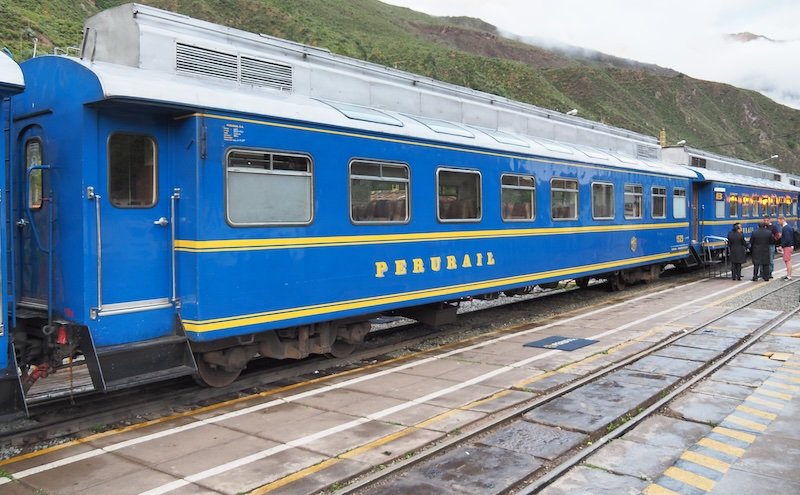
- Trains to Aguas Calientes: For the non-trekking route to Machu Picchu, PeruRail’s Vistadome gives you the bigger windows and scenic views; the Expedition is the value option. Both are worth booking ahead — trains fill up.
- Taxis and ride apps: In cities, use hotel-called taxis or apps where available. In small towns, always agree on a fare before you get in.
- Collectivos (shared vans): The cheapest and often fastest option between nearby towns in the Sacred Valley. Basic but they get you there.
Budget Snapshot (per person per day)
- Budget backpacker: $50–80 (hostel dorms, menu del día lunches, buses, limited paid activities). Anything under $50 is possible but means cutting things you’ll likely regret.
- Mid-range: $80–150 (guesthouses and hotels, some tours, occasional domestic flights, nicer meals).
- Comfort/plus: $150–350+ (nicer hotels, premium trains, Amazon cruises, private guides).
Big-ticket items to plan for specifically:
- Machu Picchu entry: $42–55 USD per circuit ticket; mountain add-ons (Huayna Picchu, Machu Picchu Mountain) an additional $13–15. Guide hire at entrance ~$8–20 USD (now mandatory for all visitors — see below).
- Train to Aguas Calientes (return): ~$80–180 USD depending on class and timing.
- Inca Trail package (4-day): $600–1,000+ USD including permit, guide, porters, and camp. The 2-day is less, but still needs an authorised agency.
- Amazon lodge/cruise: Hugely variable — budget jungle lodges from ~$100/night; Delfin-style river cruises from ~$500/night. Plan this as a separate budget item.
- Domestic flights (Lima–Cusco, Lima–Iquitos): $60–180 USD each way depending on how far ahead you book.
Tipping: What’s Actually Expected
Nobody warns you about this before you land, and then you’re standing at a restaurant table in Miraflores unsure whether the bill already covers it. Short answer: tipping in Peru is real but modest, and it shifts by setting more than most first-timers expect. At sit-down restaurants, 10% is the norm when a service charge isn’t already listed on the bill — look for a line reading “servicio” before adding anything on top. Cheap local spots and street food don’t expect a tip at all, though leaving a couple of soles is always welcome.
Guides are where it matters most, because tipping is a real part of how Peru’s tourism workforce is paid. For a half-day tour, 20–40 soles per person is standard; for a full day, aim higher, especially for private or small-group experiences. If you trek the Inca Trail, tipping the porter and cook team is a genuine expectation, not an optional extra — most agencies brief you on this before departure and it happens as a small ceremony on the final day. Bring soles in small denominations for this, since there’s no ATM on the trail. Taxi drivers, by contrast, are not tipped in Peru at all — agree the fare before you get in and that’s the end of the transaction.
Cusco’s Boleto Turístico: The Ticket You’ll Actually Need
This one catches first-timers off guard because it isn’t optional and it isn’t sold online. Most of Cusco’s headline ruins — Pisac, Ollantaytambo, Chinchero, Moray, and the four sites just outside the city including Sacsayhuamán — aren’t sold as individual entry tickets. Instead they’re bundled into a single pass called the Boleto Turístico, and you simply cannot walk up and buy a ticket at the gate of most of these sites on its own.
The full version covers all 16 included sites, is valid for 10 days, and costs S/130 (roughly $35–38 USD) for foreign adults; it has to be bought in person, in cash, with your passport, either at the COSITUC office on Av. El Sol in Cusco or at the entrance of the first site you visit. If your plans are narrower — say, just the Sacred Valley circuit, or just the city ruins — partial circuit tickets are available at S/70 each and cover a smaller subset for one or two days. The one thing it never covers, no matter which version you buy, is Machu Picchu itself, the Qorikancha temple, or Rainbow Mountain — all three need separate tickets bought on their own terms.
Machu Picchu: Booking, Circuits, and What to Know Now
Machu Picchu now operates on a circuit system — four different routes through the site with different viewpoints and time limits. Circuit 2 is the most comprehensive and includes the iconic Guardian’s House viewpoint, the Main Plaza, and most of the interior — this is the one to book if it’s your first visit, and it’s also the first to sell out. Allow 3–4 months booking lead time for peak season (June–August), and 6–8 weeks for shoulder season.
A few things that catch people out: guides are mandatory for all visitors — hire one at the entrance (~$8 USD group, ~$20 private) or pre-book. Ticket-format rules have shifted more than once in recent years — some current guidance now accepts a digital ticket on your phone alongside a printed one, but this is exactly the kind of rule that tightens with little warning, so confirm the current requirement when you book and carry a printed copy as backup regardless. If you’re finishing the Inca Trail, your permit now ties you to a specific Machu Picchu entry circuit rather than a free choice — your trekking agency will confirm which one applies to your dates.
| Option | Who It’s For | Time | Highlights | Key Considerations |
|---|---|---|---|---|
| 2-Day Inca Trail | Short on time but want the trail experience | 2 days / 1 night | Classic section of trail + guided Machu Picchu next morning | Permits sell out fast — book 5–6 months ahead for peak season; stairs and altitude; guide mandatory at MP |
| 4-Day Inca Trail | Full experience, scenery, and ruins en route | 4 days / 3 nights | Multiple Inca ruins, varied ecosystems, Sun Gate arrival | Peak season permits sell out within hours of October release; book 6+ months ahead; physically demanding |
| Train + Day Tour | Time-efficient, comfort-focused | 1 long day or 1 overnight | Scenic PeruRail journey + guided site visit | Overnight in Aguas Calientes gives better pacing and morning light; book Circuit 2 tickets early |
| Alternative treks (Salkantay, Lares, Inca Jungle) | Fewer crowds, different scenery | 3–5 days | Mountain passes, hot springs, villages, or biking/zipline (Inca Jungle) | No separate permits needed; ends via train or bus to Aguas Calientes; varying difficulty levels |
Note on the Inca Trail and February: The trail closes completely every February for maintenance and restoration. No permits are issued for this month. Plan around it if you’re visiting in late January or early March.
Lake Titicaca: Day Trip vs. Homestay
| Style | Best For | What You Do | Why Pick It |
|---|---|---|---|
| Day trip (Uros islands only) | Tight schedules | Visit the floating reed islands, short reed-boat ride, back to Puno by evening | A genuine taste of Uros life without committing two days |
| Overnight (Uros + Amantaní/Taquile) | Cultural travellers with more time | Stay with a host family, hike to sacred peaks, evening of music and dancing, Taquile textiles the next day | The homestay on Amantaní was one of the highlights of my entire Peru trip — our host mum’s cooking alone was worth it |
Amazon: Lodge vs. Cruise vs. Treehouse
| Option | Vibe | Activities | Worth Knowing |
|---|---|---|---|
| Jungle Lodge | Rustic to comfortable | Day and night walks, boat safaris, village visits | Basecamp feel; choose by wildlife guide quality rather than facilities |
| River Cruise | Comfortable / premium | Multiple daily skiff outings, canopy walks, seasonal beaches | Excellent guiding and AC cabins; higher cost; covers more river territory |
| Treehouse Stay | Adventure / unique | Similar to lodges but you sleep in the canopy | Genuinely memorable; do this first if combining with a cruise — it’s the more rustic experience and the contrast works well |
Coast Trio: Paracas vs. Huacachina vs. Ica
| Base | Why Go | Headliners | Pair With |
|---|---|---|---|
| Paracas | Wildlife and sea breeze | Islas Ballestas boat tour, Paracas National Reserve | Huacachina dunes the same day or next morning |
| Huacachina | Adrenaline and sunsets | Dune buggies, sandboarding, hiking the dunes at golden hour | Ica vineyards for a very pleasant contrast |
| Ica (outskirts) | Wine, rest, and pool time | Vineyard stays and tastings — Viñas Queirolo is a beautiful property | Easy day trip to Huacachina or Paracas |
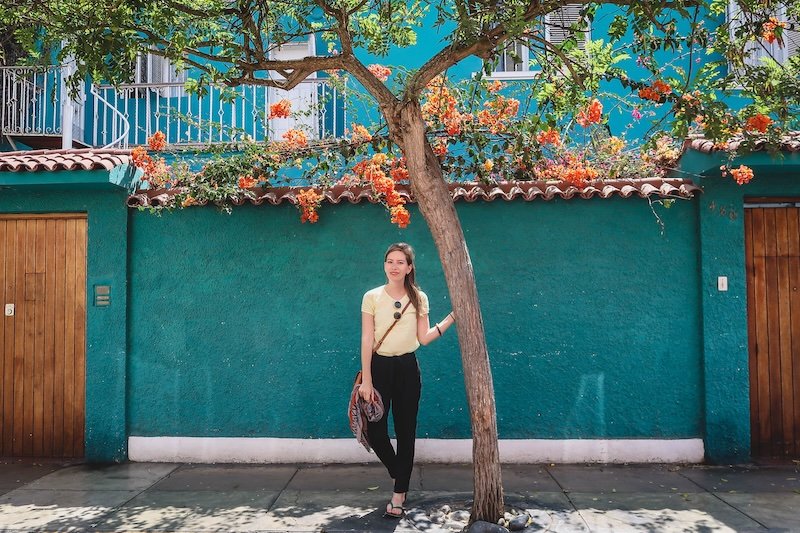
Where to Stay in Lima (Neighbourhood Picker)
| Area | Personality | Pros | Worth Knowing |
|---|---|---|---|
| Miraflores | Polished coastal hub | Parks, clifftop ocean walks, excellent restaurants, very safe | Touristy but usefully so — easy access to everything |
| Barranco | Bohemian and artsy | Street murals, good cafés, nightlife, museums, the Bridge of Sighs | Evenings can be lively — great if you want atmosphere, less ideal for early nights |
| Centro Histórico | Colonial and historic | Plaza de Armas, San Francisco Monastery, the Presidential Palace | Busy during the day; choose accommodation carefully for the evenings |
Where to Stay: Audrey’s Picks and Alternatives by Destination
Between all my visits to Peru, I’ve stayed across a wide range of accommodation — from a boutique courtyard hotel in Cusco to a riverside colonial property in Iquitos to, memorably, a treehouse in the middle of the Amazon. Here’s a quick guide to where I’d stay in each destination, plus a few alternatives at different price points.
Lima (Miraflores or Barranco)
I always recommend basing yourself in Miraflores — you’re right on the coast with easy access to both Barranco and Centro, and the area is very walkable. The neighbourhood has accommodation at every price point.
- Budget: Flying Dog Hostel Miraflores — well-run, social, central, with the ocean nearby
- Mid-range: Casa Andina Select Miraflores — reliable and comfortable with a good location; or Hotel Antigua Miraflores for boutique charm
- Splurge: Belmond Miraflores Park Hotel — clifftop views over the Pacific and a rooftop pool. Worth it for a special night or a flight-day splurge.
Cusco
Sam and I stayed at Tika Wasi in the San Blas neighbourhood, which I loved — a beautiful boutique property with a courtyard, views over the city, and a 7-minute walk downhill to the main plaza. San Blas is the most atmospheric part of Cusco to stay in.
- Budget: Pariwana Hostel Cusco — social, well-located, and very popular with travellers doing the Inca Trail
- Mid-range: Tika Wasi Casa Boutique (Audrey’s pick) — boutique, central, beautifully designed rooms
- Splurge: Belmond Hotel Monasterio — a converted 16th-century monastery in the heart of Cusco with altitude-adjusted oxygen in the rooms. Genuinely special.
Aguas Calientes (Machu Picchu Pueblo)
We stayed at Terrazas del Inca, right on the river — I was so exhausted from the hike that the hot showers and comfortable mattress were all I needed. For a longer visit or a special trip, the town has some genuinely lovely options.
- Budget: Supertramp Hostel Aguas Calientes — clean, friendly, and well placed for the early morning bus queue
- Mid-range: Terrazas del Inca (Audrey’s pick) — riverside location, hearty breakfast, great hot showers after the trail
- Splurge: Inkaterra Machu Picchu Pueblo Hotel — set in its own private cloud-forest reserve with guided nature walks, orchids everywhere, and a pool. If you’re going to treat yourself anywhere in Peru, this is a strong contender.
Puno
Puno was not my favourite city on this itinerary, but the accommodation makes a real difference — after one terrible night at a bad property, we moved to Hotel Hacienda Plaza de Armas right on the main square and it transformed the stay.
- Budget: Hostal Los Uros — simple, clean, good location near the port
- Mid-range: Hotel Hacienda Plaza de Armas (Audrey’s pick) — central, comfortable, helpful staff, worth the small splurge over the budget options
- Splurge: Casa Andina Premium Puno — lake views, reliable service, the most comfortable option in town
Iquitos
The Época Hotel was a highlight of the whole trip — a colonial hacienda on the Amazon waterfront with iron balconies and the friendliest staff. If you’re going to Iquitos, this is where I’d stay.
- Budget: Flying Dog Hostel Iquitos — backpacker staple, social atmosphere, useful for meeting people to share tours
- Mid-range: Época Hotel Boutique (Audrey’s pick) — colonial character, riverside location, genuinely lovely property
- Splurge: El Dorado Plaza Hotel Iquitos — the most polished option in the city with river-view rooms
Ica (for the Vineyard Experience)
If you’re heading to Ica for the wine region rather than just passing through on the way to Huacachina, Viñas Queirolo in the outskirts is worth the splurge for a night or two — we spent the whole weekend on the property, which tells you everything. For Huacachina itself, staying right on the lagoon is part of the experience.
- Vineyard stay: Viñas Queirolo (Audrey’s pick) — on-site winery, pool, beautiful gardens, in-house restaurant with excellent ceviche
- Huacachina (dunes): La Casa de Dunas or Desert Nights Hotel — both sit right on the lagoon with dune views
A Note on Tour Booking
Several of the experiences in this itinerary are better booked through specialist operators rather than on arrival. For the Inca Trail, book through a licensed Cusco agency well in advance (see booking timeline above). For the Lake Titicaca overnight tour, we used All Ways Travel and they were excellent. For Amazon cruises, the Delfin boats are well regarded. For single-day excursions, a handful of consistently well-reviewed Viator products cover the main bases: the Rainbow Mountain Day Trip from Cusco is a guided full-day hike up to Vinicunca’s striped slopes at just over 5,000m, breakfast and lunch included — a good fit for reasonably fit travellers who’ve already had a few days in Cusco to acclimatise. In Lima, the Lima Gourmet Food Tour walks small groups through Surquillo Market and a coffee roaster before a hands-on ceviche and pisco-cocktail session and a lunch overlooking pre-Incan ruins — well suited to food-focused travellers and solo travellers alike, since it’s a small, sociable group. And for the Sacred Valley, the Sacred Valley Pisac & Ollantaytambo Tour covers the Pisac market and ruins plus the Ollantaytambo fortress in a single guided day, with the option to be dropped at the Ollantaytambo train station to continue straight on to Aguas Calientes — a practical, family-friendly way to see the valley’s highlights without renting a car.
If You Have Extra Days
- Arequipa + Colca Canyon: Peru’s second city — the “White City” built from white volcanic sillar stone — plus a canyon twice the depth of the Grand Canyon where you can watch Andean condors soar at eye level. Worth 3–4 days.
- Huaraz and the Cordillera Blanca: The Andes at their most dramatic — glaciated peaks, turquoise lakes, and world-class trekking (the Santa Cruz Trek is a highlight). Budget extra acclimatisation days; this is high altitude.
- Nazca Lines: A 30-minute flyover from Nazca or Pisco. Viewing towers exist for budget travellers who don’t want to fly, though the aerial perspective is the real thing.
- Northern Peru (Trujillo, Chiclayo, Máncora): Moche and Chimú archaeology, the Huaca del Sol, and Peru’s best surf beaches. A completely different side of the country that most itineraries skip entirely.
- Chachapoyas (Kuelap + Gocta Falls): A cloud-forest citadel older than Machu Picchu and one of Peru’s most undervisited wonders. Gocta waterfall nearby is one of the tallest in the world. Getting here takes effort — which is exactly why it’s so good.
Safety and Common Scams
- Keep phones zipped away on the street. Cross-body bags are better than backpacks in busy areas.
- Withdraw cash from indoor ATMs (inside malls or banks) and shield the keypad. Avoid street-facing machines at night.
- In markets and transport hubs, wear your day pack on your chest rather than your back.
- Book tours only through licensed agencies or direct hotel recommendations. If a deal seems suspiciously cheap, it usually is.
- In taxis, confirm the fare before you get in or insist on the metre. Airport taxis: book through official desks inside the terminal, not with drivers approaching you outside.
- Night buses: choose reputable companies; keep valuables in a small bag on your person, not in the hold.
Yellow Fever and the Amazon Leg: What to Actually Know
This is a genuine gap in most Peru packing lists, and it’s worth sorting out before you’re standing in a pharmacy in Iquitos wondering if you left it too late. Yellow fever isn’t required to enter Peru itself, but it’s recommended for anyone heading into the jungle — Iquitos, Puerto Maldonado, Manu, and the lowland Amazon generally — because the disease is genuinely present there. The vaccine only counts as effective ten days after you receive it, so this is a “sort it out before you fly” item, not a “get it when you land” one, ideally at a travel clinic four to six weeks ahead.
If your itinerary is Lima, Cusco, the Sacred Valley, and Lake Titicaca only, this isn’t something you need to think about — there’s no risk at that elevation. It only becomes relevant once the Amazon segment is on your itinerary, which for most travellers doing this month-long route means the Iquitos leg specifically. One thing worth knowing: U.S. health authorities have recently widened their advisory to note rising case numbers across parts of South America, so it’s worth a quick check with your doctor or a travel clinic closer to your departure date rather than relying on older guidance, since this is the kind of recommendation that can shift.
Packing for Three Climates
Peru is genuinely three different climates in one trip. Here’s what actually matters for each zone:
Coast (Lima, Paracas, Ica, Huacachina)
- Breathable tops, shorts, sun hat, sunglasses, reef-safe SPF, comfortable walking shoes. A light sweater for Lima evenings — the garúa fog makes it cooler than you’d expect.
Andes (Cusco, Sacred Valley, Lake Titicaca)
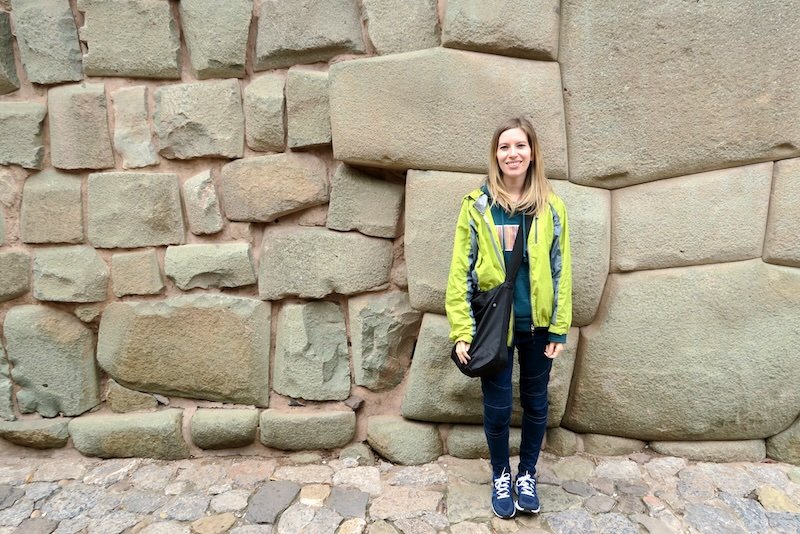
- Fleece or insulated mid-layer, packable rain shell (essential), quick-dry trousers, warm hat and neck warmer (nights at Titicaca are properly cold), sturdy sneakers or hiking shoes. Gloves for June–August. Lip balm with SPF — the altitude sun is fierce.
Amazon (Iquitos + jungle)
- Long-sleeve, light-coloured shirts and thin trousers. DEET or picaridin repellent — not optional. Quick-dry socks, sandals, a small dry bag for your phone and camera, a headlamp, and any personal medications. Most lodges provide rubber boots and ponchos.
Shared essentials for all three
- Reusable water bottle (a purifier bottle is worth it for the Amazon and smaller towns), universal adapter, power bank, medications for altitude/motion/stomach, physical copies of your passport and insurance, small first-aid kit.
Food Roadmap (What to Eat Where)
One of the great joys of travelling around Peru is that the food changes completely as you move between regions. Here’s what to prioritise in each zone:
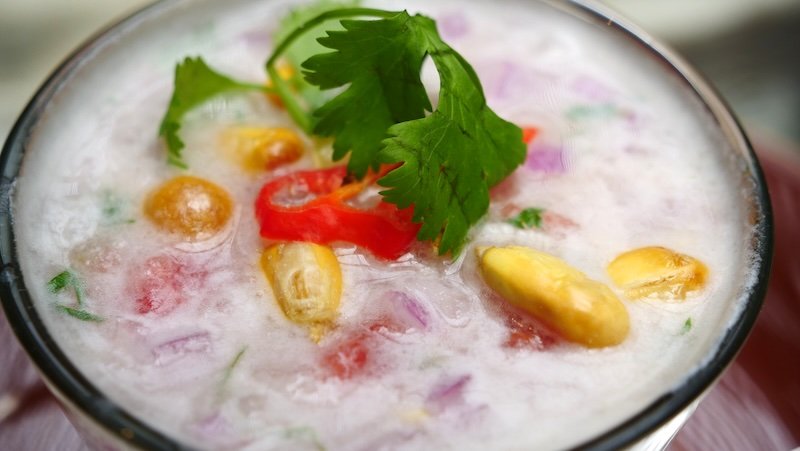
- Lima and the coast: This is where Peruvian cuisine is at its most celebrated. Ceviche is the obvious starting point — the raw fish cured in lime is unlike anything you’ll have had elsewhere. Also try tiradito, causas, anticuchos (grilled heart skewers — I know it sounds alarming but it genuinely tastes like good steak), picarones (sweet potato doughnuts), and chicha morada.
- Cusco and the Andes: The food is heartier and the flavours are more earthy. Alpaca skewers, chairo soup (thick, lamb-based, warming), lomo saltado, choclo con queso, quinoa in everything, and coca tea at every meal.
- Aguas Calientes: The restaurant standard here is higher than you might expect for a tourist town. El Indio Feliz — run by a French chef doing a genuinely beautiful French-Peruvian fusion — is worth treating yourself to after the hike.
- Puno and Lake Titicaca: Look for trucha (trout from the lake) grilled or fried. Chuño-based soups — chuño is a freeze-dried potato that’s been used in the Andes for thousands of years and tastes better than that description suggests.
- Iquitos and the Amazon: Completely different again. Juane (rice and chicken steamed in a leaf), tacacho con cecina (roasted plantain balls with dried pork), paiche (a massive Amazonian fish), and camu camu juice — the most vitamin C-dense fruit on earth, apparently.
Budget tip: The menú del día — a set lunch of soup, main, and drink at a local restaurant — is your best friend in Peru. Usually $3–8 USD, freshly made, and genuinely good. I ate this way whenever I could.
Pre-Departure Checklists
Before You Leave Home
- Passport valid at least 6 months past your return date
- Domestic flights booked (Lima–Cusco and Iquitos legs in particular)
- Machu Picchu circuit ticket, timed slot, and train reserved — Circuit 2 at least 3 months ahead for peak season
- Inca Trail permit secured through licensed agency (5–6 months ahead for May–August)
- Travel insurance including medical evacuation (essential for trekking and remote areas)
- Doctor consultation re: altitude sickness medication and jungle vaccinations
- eSIM arranged — physical SIM cards now require local ID registration making them difficult for tourists; an eSIM on the Claro network (e.g. Airalo) is the practical solution and can be activated before you land
- Offline maps downloaded (Google Maps or Maps.me for areas with no signal)
- Copies of passport, insurance, and key bookings backed up to cloud and printed
On Arrival in Lima
- eSIM activated or local SIM picked up at a Claro or Movistar store (avoid airport kiosks — inflated prices)
- Small cash for taxis and tips; withdraw from an indoor ATM inside the airport terminal
- First two nights confirmed (Lima and Cusco at minimum)
- First Cusco day kept deliberately light — rest, coca tea, a gentle walk
Inca Trail Day Pack
- Original passport (required at every trail checkpoint — copies are not accepted)
- Water (hydration bladder plus backup bottle), electrolytes
- Layers: sun shirt, fleece, rain shell
- Hat, buff, sunscreen, sunglasses
- Snacks (nuts, chocolate, coca sweets)
- Personal medications, blister kit, TP and zip bags
- Headlamp and power bank
Amazon Day Bag
- Long-sleeve light shirt and thin trousers
- Repellent (DEET or picaridin — not negotiable), sunscreen, hat
- Dry bag for phone and camera
- Headlamp (night walks are some of the best excursions), binoculars if you have them
- Refillable water bottle (most lodges filter water)
FAQ: Peru
- Do I need to book Machu Picchu far in advance?
Yes, and the booking process has changed significantly. Machu Picchu now operates on a circuit system (four routes with different viewpoints and time limits). Circuit 2 is the most comprehensive and popular, and it sells out fastest. Book at least 3–4 months ahead for peak season (June–August). Huayna Picchu and Machu Picchu Mountain add-ons are capped at 400 entries daily and book out even faster. Important: guides are mandatory for all visitors. Ticket-format rules (printed vs. digital) have changed more than once in recent years, so confirm the current requirement when you book and bring a printed copy as backup regardless of what you’re told. - How far ahead do Inca Trail permits actually sell out?
Much faster than most guides suggest. For peak season (May–August), permits — of which only about 200 per day go to actual hikers — can sell out within hours or days of the annual October release. For those months, book 5–6 months ahead at minimum, and earlier if you can. Shoulder season dates (April, September, October) are more forgiving — 3–4 months. Off-season (November–January, March) you can often book 4–6 weeks out. The trail is closed all February for maintenance — no permits issued. - Can I do Machu Picchu as a day trip from Cusco?
Yes, but it’s a long day starting very early. If your schedule allows, overnighting in Aguas Calientes gives you better light for photos, hot springs to soak in after the hike, a proper dinner (try El Indio Feliz), and a much less rushed morning. The town is small and sweet and the contrast from Cusco is surprisingly pleasant. - Will I get altitude sickness in Cusco or Lake Titicaca?
Many people feel something — headache, fatigue, mild nausea. The key is the first day: go slow, hydrate constantly, avoid alcohol and heavy meals, and don’t push yourself. Coca tea is widely drunk and helps some people. If you’re prone to AMS, consult your doctor about acetazolamide before travelling. Starting your Andes section with a day in the Sacred Valley (lower altitude) before fully landing in Cusco is worth considering. If symptoms progress, rest and descend rather than powering through. - Is Lima worth time, or should I fly straight to Cusco?
Lima is a world-class food city and people consistently underestimate it. If you can spare 2–3 days, the combination of Miraflores (parks, coastal walks, excellent ceviche), Barranco (street art, galleries, nightlife), and Centro (colonial architecture, the San Francisco catacombs) is genuinely rewarding. If you’re truly short on time, head to the Andes and circle back to Lima for the last night before your flight home — the food alone makes it worth an exit-day dinner. - What’s the dress code for churches and upscale restaurants?
Smart-casual covers most situations. For churches, cover shoulders and knees as a basic courtesy. Lima’s fine-dining spots are relaxed about dress — jeans and a nice top are fine. The Andes are cold in the evenings regardless; layers are more relevant than formality. - Is the Amazon safe from mosquitoes in dry season?
There are always mosquitoes in the Amazon. Dry season typically has fewer, but long-sleeve layers and a good repellent (DEET or picaridin) are non-negotiable regardless of when you go. Most better lodges and cruise boats have screened or air-conditioned cabins and provide nets. Don’t rely on this — bring your own repellent. - Can vegetarians and vegans eat well?
Yes — especially in Cusco, Lima, and Iquitos. Traditional Peruvian cooking is meat-heavy, but menus vegetarianos (set vegetarian meals), quinotto, tacu tacu, hearty soups, and Amazon tropical produce make it very manageable. Lima’s restaurant scene in particular is excellent for plant-based eating. - How do I pay — cash or card?
Both. Cards are widely accepted in cities and tourist-facing businesses, sometimes with a small surcharge. Cash is essential for markets, small towns, tips, collectivo fares, and some tours. Withdraw from indoor ATMs, keep a range of denominations, and don’t let your Peruvian soles run too low before arriving at a smaller destination. - Is tap water drinkable?
Generally no. Drink bottled or filtered water throughout the trip. Many hotels and lodges filter water; a purifier bottle is eco-friendly and pays for itself quickly on a month-long trip. In the Amazon specifically, always drink from filtered or lodge-provided sources. - Are night buses safe?
Choose reputable companies (Cruz del Sur, Oltursa, Civa are the main ones), keep valuables in a small bag on your person rather than in the hold, and consider daytime buses for the more winding Andean routes if motion sickness is a concern. Night buses on the coast are a practical and widely used option. - What’s a respectful gift for a Lake Titicaca homestay?
Ask your guide what the family currently needs — this changes and generic tourist gifts often miss the mark. Thoughtful picks include notebooks and pencils, headlamps with extra batteries, cooking staples, or small practical items for the children. Avoid sweets and anything bulky or single-use.
What are your favourite places in Peru?
Any other destinations you’d add to this Peru travel itinerary?
Ica looks so beautiful!
I loved the winery in Ica! It’s such an easy weekend getaway and it’s quite the change from the city.
Seems like you saw a whole lot of Peru in just a month. You really had some incredible experiences; it’s no wonder a lot of travellers always want to get back to Peru again. I hope I’ll get to visit Peru too!
Wow! This is a packed itinerary… Peru is definitely on my list. 🙂
Looks like you had good weather for Machu Picchu — that would be my biggest concern!
I’ve always wanted to go to Peru. Do you think there’s enough there to keep children happy?
how much would u say 2 people will spend in peru if they wanna go for a month. it looks amazing, i would love to go to lima, cuzco, the amazon and see the north of peru i have heard the beaches are beautiful. do u have any idea?
How much money did you spend?
What was the estimated cost for this 1 month trip?
Hi Callie,
It’s hard to give you an exact figure because this will all depend on your personal travel style. Will you be doing hotels or hostels, dining in restaurants or cooking for yourself, taking guided tours or exploring places on foot, etc. I would start off by looking at accommodations in your price range, and then you can decide what tours you’re most interested in and research the costs.
Best,
Audrey
We are hoping to travel Peru for a month next year for our honeymoon as this has been massively useful to us, thank you. I’ve done a bit of travelling myself and i always think its best to get opinions and recommendations from others.
Such a great article Audrey, I literally feel how much you love this place and amazing, that you’ve been there 3 times already! Must be special 🙂 Thanks for sharing all those tips with us, appreciate that!
Thanks for the great info about the different places, helped me a lot to plan my trip. I really loved the alternative tour to the rainbow mountains in Cusco, that I did on my last day in the city of the Incas haha. It was a lot better than the normal tour that almost everyone does because we left Cusco later (at 5:00am) so I could sleep a little longer, we only hiked for 45 minutes (instead of 3 hours) and we saw various rainbow mountains (not just 1)…and we also hiked through the red valley!! Just amazing 🙂 Did the tour with exploorperu, a local Peruvian travel company and they were great. I found out they have a article about the rainbow mountains, I’ll just leave it here for anyone interested (and hope you guys can visit it the next time you’re in Cusco) https://exploorperu.com/blogs/exploor-peru-travel-blog/discover-the-best-route-to-the-famous-rainbow-mountains-of-peru
How did you guys travel around? Did you rent a car or take the bus? I’ll be going for 3 weeks solo and am curious whether its cheaper to rent a car.
Hi Kiah, we did a combination of flights and overnight buses since the distances between these destinations are quite far. You could technically drive from Lima to Ica and Huacachina, but it’s so much easier to take the bus, especially considering what traffic in and around Lima is like.